A drug that is commonly used to treat tapeworm infections might help to prevent the formation of atypical fused cells in the lungs of patients with COVID-19, according to a paper published in Nature. https://t.co/CDJTWk0BlR
Tim Edwards from https://t.co/Oz6Xaf9kPD and @efabless made a great summary of why chip design still quite closed-sourced https://t.co/jX3vSfTvPI
He also introduces a lot of work done in order to get skywater-google endeavor works. https://t.co/nBxGoIAnCU
NVRAM license macros for std CMOS are quite expensive. We have managed to get a small-macro-first-approach silicon-proven NVRAM cell. We even proved an NVRAM PUF concept with it. Presented at @IEEEISCAS#iscas2020:
https://t.co/yOJJWGLL8p
@DavidPowellMeta@mithro@hackaday@ico_TC We are planning a more generic GPIO, for next tapeouts, that includes direct DAC capability with higher linearity and lower consumption.
If you need a fast DAC, in terms of implementation and performance, for your testing activities, check this trick out: All-Digital FPGA-based DAC with None or Few External Components. BTW, you can do it with an MCU or similar @hackaday https://t.co/NWALFj3YrZ
@DavidPowellMeta@mithro@hackaday@ico_TC As you summarized, it is a dirty quick trick for testing. We have solved many testing limitations for our chips. Current is a limitation for applications, the high-resolution bit will be limited by the GPIO power pins. Though in some MCUs you might be able to control GPIO current
@FossiFoundation@mithro Tons of questions we will have. We have been discussing similar idea with few large foundries to make itsy-chipsy a real project. Although foundries will not open source PDK, there are few advances that we love to share.
On building USB3+ and PCIe4 interfaces for low-cost tech nodes, the CDR is a hefty block to get it right. Jitter noise requires "massaging" to have a proper CDR response. Check our digital CDR and techniques to achieve stringent jitter specs: https://t.co/iBhmhjZX9I
Love to see this: https://t.co/SPMqHFHQdy
For several reasons. Two of them:
1. Great data on Arm model to build up an SoC. Hiden before after NDA.
2. RISC-V pushing is working since Arm is pushing back. Great for everyone. Arm has great products!
IP just for TSMC 22nmULL.
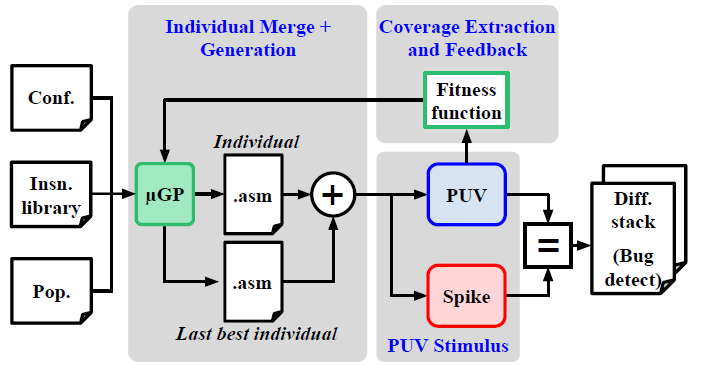
Detecting bugs and spec absences --> Simulation and Formal: The Best of Both Domains for Instruction Set Verification of RISC-V Based
Processors. We'd appreciate any feedback: https://t.co/66C9pte7yB Thanks @symbiotic_eda@zipcpu for formal training
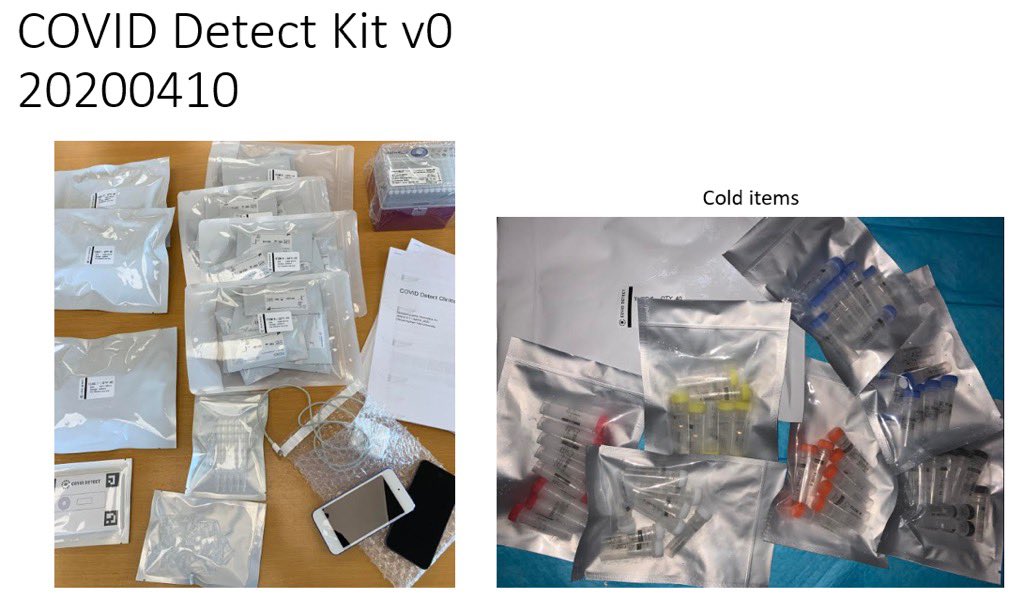
“Here’s a pic of kitting up the final components. QC data came out beautiful. Really excited for the @Yale data - huge kudos to the team.” At-Home #COVID19#test. Yale will validate against laboratory standard. Scaling in parallel to empower everyone #Coronavirus@gatesfoundation
All past SSCS webinar videos & slides, ISSCC short courses & tutorials, and SSCSedu Lecture series are FREE. For a limited time, non-members can take advantage of this great offer.
https://t.co/Knx5iJKiDb
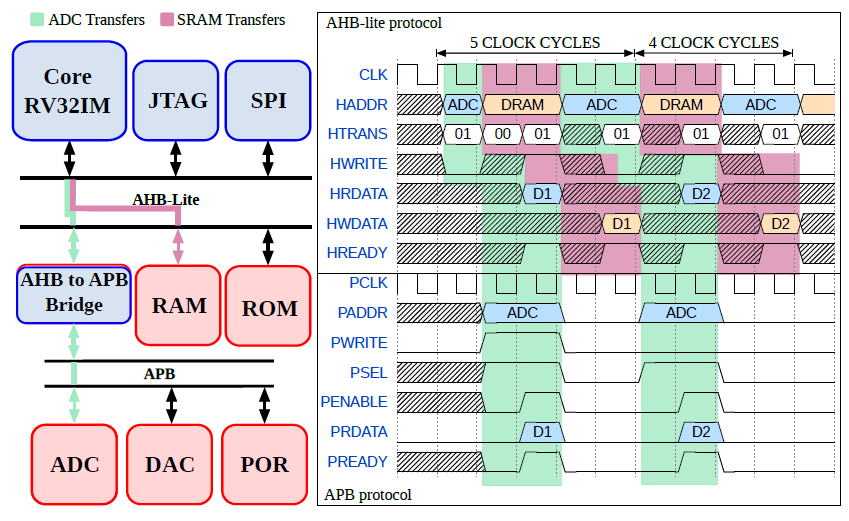
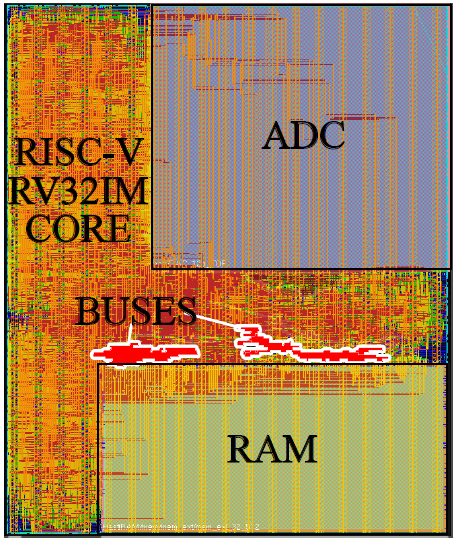
Bus protocols to allow direct communication among masters and slaves in low-energy applications. Compared to AHB-Lite/APB, a 5X clock cycle reduction when sending data from a peripheral module to another module at the system bus https://t.co/KKmimu9GuK