These responsibilities continue after launch. They belong in the delivery plan from the start. Who owns those checks after your software goes live? #OpenSource#SoftwareSecurity#AI#NZBusiness
AI can write the code. Your business still needs to know what it is shipping. Open source offers useful building blocks, but a compromised package or malicious update can bring an attack into your application. That is a software supply chain risk.
Our view: check each dependency’s source, maintenance, known security issues and licence suitability, including libraries suggested by AI. Keep a record of versions and required notices, review updates, and agree who will respond to security issues.
Content changes need a new website build before visitors see them. That publishing step needs to be part of the workflow. Where does your team still maintain a second copy of website information? #WebDevelopment#NZBusiness
Updating a public catalogue should not mean entering the same information in two systems. In a current build, the team manages records and approves content in a business platform. A separate website builds its public pages from that content.
The build reads published data through an API, generates the pages and keeps access keys out of the browser. Visitors receive prepared page content without a fresh query to the business database.
Using a PWA gives us one web codebase across devices. This can reduce development and maintenance costs compared with separate native apps. What does your field team still need paper for? #PWA#FieldService#NZBusiness
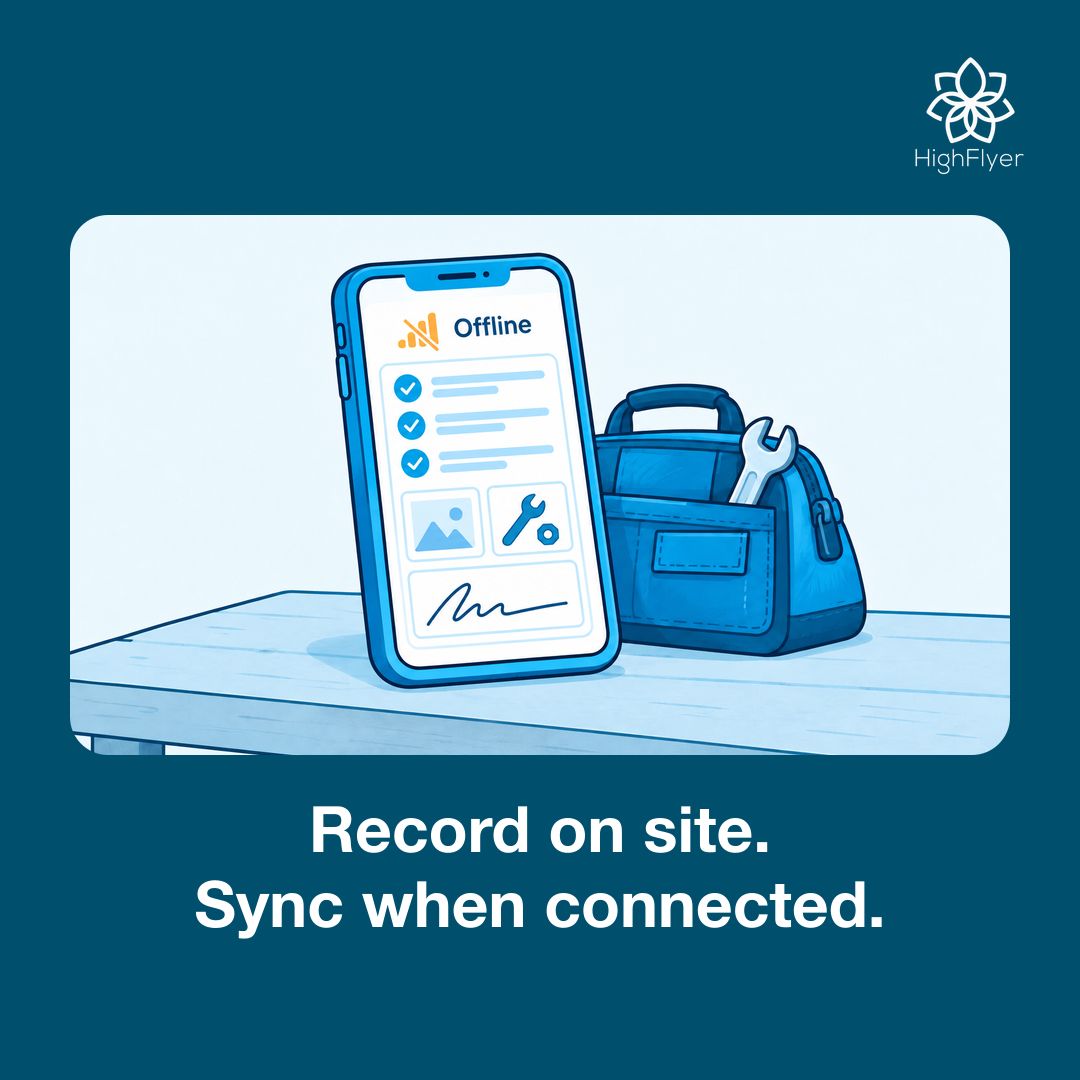
We built offline working into NexWave’s field-service PWA, a web app that can be installed on a phone. Once assigned work is downloaded, technicians can view jobs, complete checklists, record parts and time, and capture photos, notes and signatures offline.
Making that reliable means storing data and files locally, sending changes in the right order, preventing duplicate updates and resolving conflicts with changes made by the office. Work recorded on site reaches the main system when connected.
Failed syncs have a recorded status and error details, so the team can investigate and retry when appropriate. How does your team handle a sync with an uncertain result? #Xero#SystemIntegration#NZBusiness
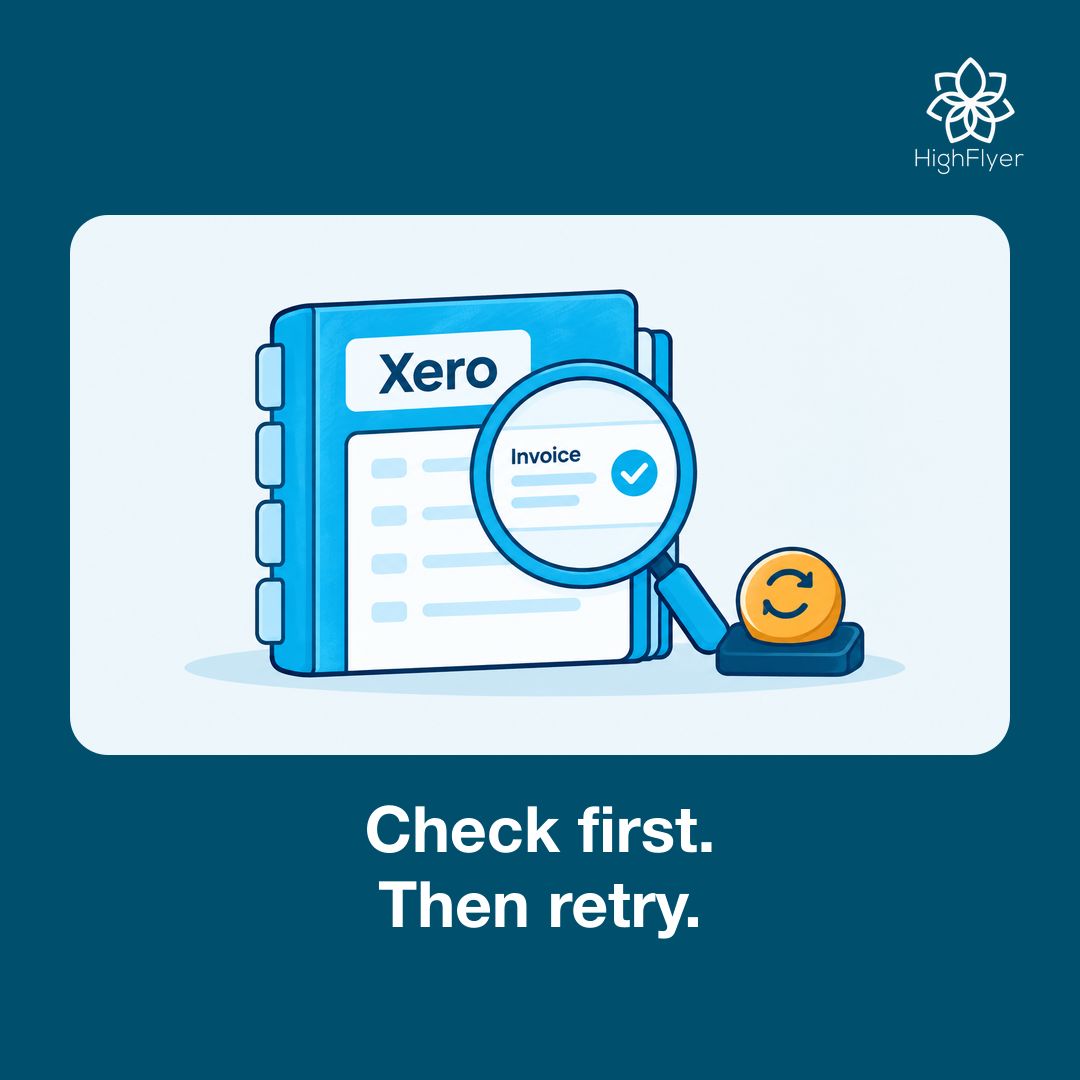
A timeout during an accounting sync does not always mean the invoice failed to reach Xero. Retrying without checking can create a duplicate. We built recovery checks into the NexWave Xero Connector for this reason.
Invoice sync runs in the background after the local record is saved. Before creating an invoice in Xero, the connector looks for one with the same number. The retry action also checks whether a job is already running.
Updating orders or contacting suppliers should need a separate approval. If a direct system connection is available, we would use that first. Which portal check takes up time in your team each week? #AIForBusiness#NZBusiness
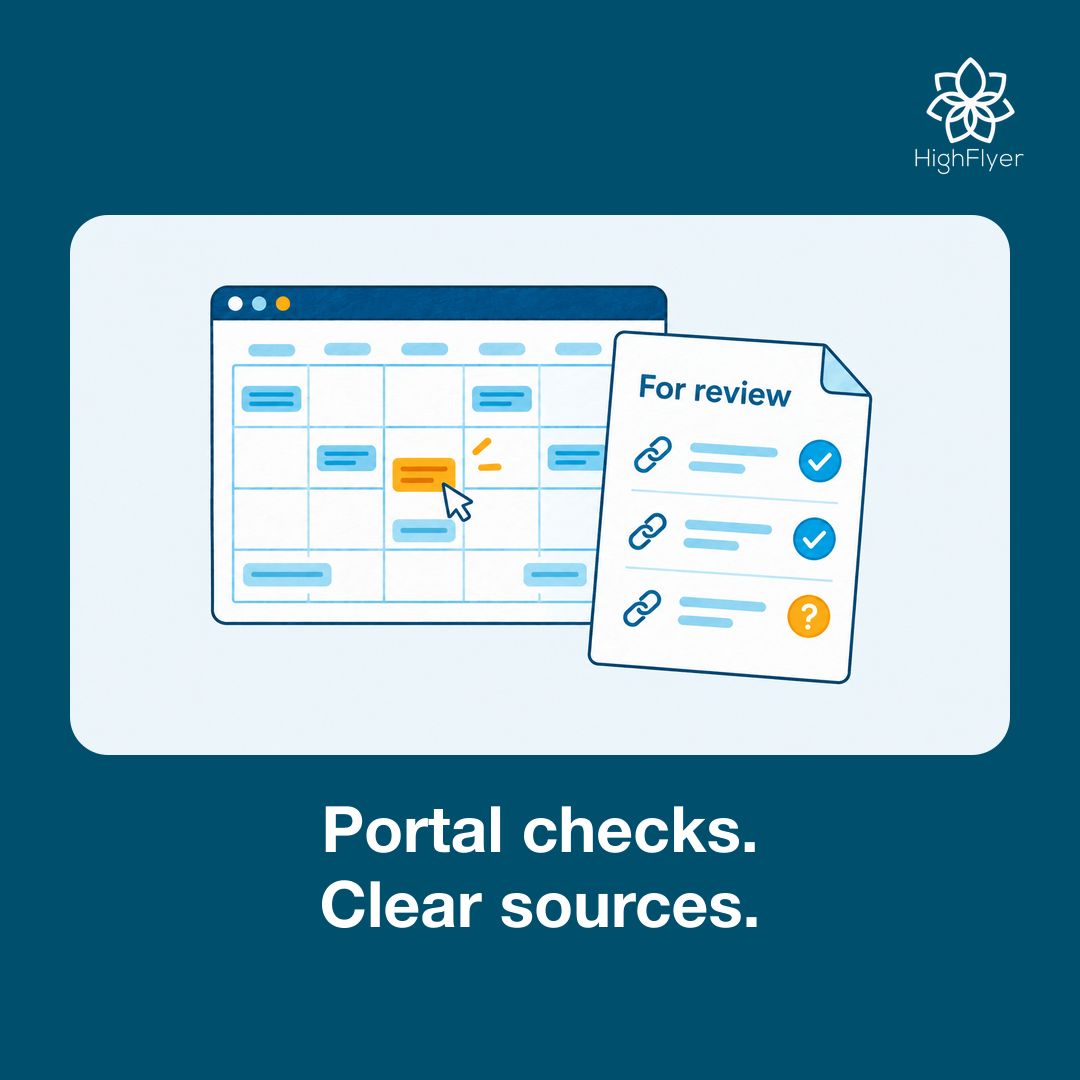
Checking supplier delivery dates can mean opening a portal, finding each order and copying updates into a spreadsheet. Browser-using AI offers another way to handle that work, where the portal permits automation.
We would start with a narrow task: compare delivery dates with an existing order list and prepare a summary of changes. Include the source for each change. Mark anything unconfirmed as unknown.
When one order spans several machines, allocating machine time and keeping the order moving are connected decisions. Which perspective is harder to see in your business today? #NZManufacturing#NexWave#NZBusiness
Manufacturing teams need to see capacity from two perspectives: the machines doing the work and the orders that need to be completed. We have been building this into NexWave.
One view shows what is scheduled on each machine and where jobs overlap. The other brings an order’s work together across machines, with its progress and required date. Both use the same production information, so there are no separate plans to maintain.
Try reading your last ten enquiries. Which questions does your team repeatedly ask before it can help? If customers can answer them easily, some may belong on the form. What information is usually missing from your website enquiries? #NZBusiness
Your first reply to a website enquiry can reveal what the form is missing. In one of our website builds, a quote request asks for the product, estimated quantity and country. Packaging and destination details are optional.
Those details arrive together in the enquiry email, giving the team context for its first reply. The trade-off is how much to ask: enough to move the conversation forward without turning an enquiry into homework.