OpenPay Update — We’ve Completed Our Part @PiCoreTeam
To all Pi Pioneers questioning or criticizing OpenPay:
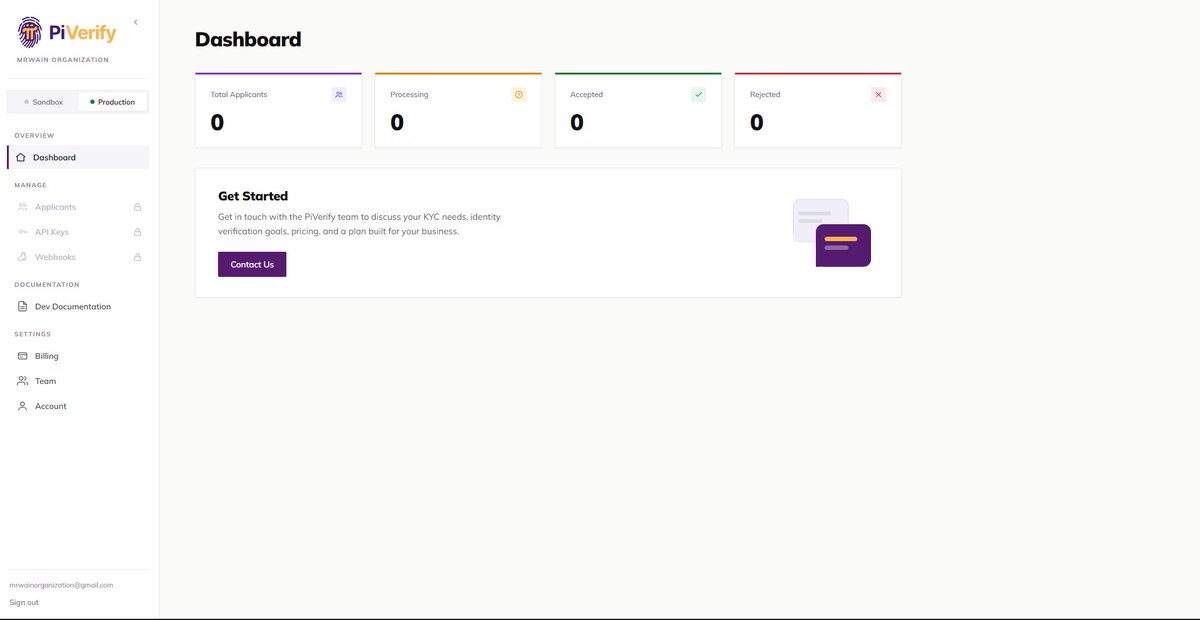
OpenPay has already completed and submitted the requirements on our side. We have submitted our KYB application, and we are also waiting for the required Mainnet listing, token launchpad, and other Pi Network-side approvals.
On the integration side, OpenPay has already implemented Pi Authentication and Pi Payments, and we have built our OUSD token ecosystem.
The screenshot above confirms that our KYB submission has been recorded.
At this point, the remaining steps are on the Pi Network side. We are still waiting for review, approval, and an official update. We cannot control the timeline of Pi Network’s internal verification and listing process.
We understand that some Pioneers are frustrated because they want to see OpenPay fully recognized on Mainnet. We are frustrated too. But please don’t assume that OpenPay is incomplete or ignoring the requirements.
We have done our part. Now we are waiting for Pi Network.
We will continue building, improving, and supporting the Pi ecosystem while we wait for the official response.
OpenPay is ready. We’re waiting for the green light.
#PiNetwork #PiOpenNetwork #OpenPay #PiUtility #OUSD
🚨 CORRECTION NOTICE 🚨
Today I came across a post that's been copy-pasted around purely to farm likes and shares. It claims that the "smart contract has been audited."
But when I checked directly on the official repo:
https://t.co/96300tsgO2
Here's what I actually found:
The PiNetwork/SmartContracts repo only contains the smart contract source code
There is no official audit report from any professional auditing firm (Certik, Quantstamp, Trail of Bits, OpenZeppelin, etc.) in the repo.
There is only one community-submitted Pull Request (labeled "Community Security Audit").
This is merely an informal review by an individual or group it is not an independent professional audit, and it has not been confirmed or merged as an official report by the Pi Network core team.
Spreading vague claims of "having been audited" without accurate sourcing can easily mislead the community, create false expectations, and be exploited to farm engagement.
**Recommendation:**
Any information related to smart contracts, audits, mainnet, etc. should be verified directly against Pi Network's official GitHub repo or announcements from the core team.
Please don't share/repost copy-paste posts that lack transparent sourcing just to boost likes and shares.
I'm posting this so everyone has the facts straight and isn't misled by inaccurate information.
Thank you all for reading, and let's keep the information environment in the Pi community healthy.
📢 “Community and ecosystem integration” means:
@axisrobotics wants to connect the Pi community into its own system, and vice versa.
More specifically:
🌐 Community:
➥ Axis wants to leverage Pi's huge user base (18 million KYC-verified) to participate in contributing data, completing tasks, and forming a shared user community.
🔗 Ecosystem integration:
➥ Both sides will support each other in developing their ecosystems. For example:
➥ Pi users can more easily join Axis.
➥ Axis gains a new source of users from Pi.
➥ Later on, there could be shared reward programs, joint events, or account/point linking between the two sides.
📅 Examples of what could happen between Axis and Pi in the near future:
➥ Axis organizes a campaign: "Pi users who complete tasks will receive extra rewards."
➥ Or joint events on X/Telegram.
➥ Later on, it may be possible to log into Axis using a Pi account, or exchange reward points between the two platforms.
➥ That is exactly what "community and ecosystem integration" means.
📝 In summary:
This is a "shared community, mutual growth" type of partnership, not Axis using Pi's blockchain or having deep technical integration yet. It's simply both sides opening the door to jointly attract users and grow their ecosystems together.
CEO Stellar xác nhận nợ của các quốc gia giờ đây đã nằm trên chuỗi khối và không phải bằng $
đoạn video ghi lại chuỗi khối thử nghiệm bank, BIS test mbridge trong mô hình thử nghiệm sandbox 2 năm trước trên Blockchain
"Power to the Players 711 "
Nhiều người vẫn nghĩ rằng Pi Network chỉ là bản sao của Stellar, mãi đến bản nâng cấp V27 mới chịu tách ra làm blockchain riêng.
Sự thật thì khác xa suy nghĩ của họ
Ngay từ năm 2004 — khi Bitcoin còn chưa ra đời, khi Stellar còn chưa tồn tại — tiến sĩ Nicolas Kokkalis đã viết luận án về hệ thống phân tán chịu lỗi. Một nghiên cứu về cách để nhiều máy tính cùng hoạt động như một thể thống nhất, tự phục hồi khi có sự cố, và vẫn giữ được sự nhất quán.
Cái gốc rễ ấy không phải được mượn từ Stellar.
Nó có trước cả Stellar.
Pi không phải đang cố gắng trở thành chính mình.
Pi đang trở về với thứ đã được ấp ủ từ rất lâu trước khi mọi người bắt đầu tranh cãi về việc nó “sao chép” ai.
—-Distributed Systems (Hệ thống phân tán) là gì?
Định nghĩa đơn giản
Distributed Systems là hệ thống máy tính gồm nhiều máy tính (node) làm việc cùng nhau, xuất hiện với người dùng hoặc ứng dụng như thể chỉ có một hệ thống duy nhất.
Các máy tính này:
• Nằm ở nhiều nơi khác nhau
• Giao tiếp với nhau qua mạng
• Có thể bị lỗi độc lập (một máy hỏng không làm sập cả hệ thống)
Đặc điểm cốt lõi
1. Concurrency (Đồng thời) Nhiều máy cùng xử lý việc một lúc.
2. No global clock Không có đồng hồ chung chính xác cho tất cả máy.
3. Independent failures Máy này hỏng không ảnh hưởng trực tiếp đến máy khác.
4. Transparency Người dùng/ứng dụng không cần biết bên dưới có bao nhiêu máy, máy nào đang chạy, máy nào bị lỗi.
Các vấn đề kinh điển của Distributed Systems
• Consensus (Đồng thuận): Làm sao nhiều máy đồng ý với nhau về một giá trị?
• Atomic Broadcast / Total Order: Làm sao tất cả máy nhận được các thông điệp theo cùng một thứ tự?
• Fault Tolerance: Hệ thống vẫn hoạt động khi một số máy bị lỗi.
• Replication: Sao chép dữ liệu/trạng thái sang nhiều máy để chống mất mát.
• Consistency vs Availability (Định lý CAP).
Liên hệ với luận án 2004 của Nicolas Kokkalis
Luận án của ông giải quyết đúng các vấn đề trên:
• Làm sao xây dựng dịch vụ phân tán chịu lỗi.
• Làm sao để lập trình viên viết ứng dụng như đang nói chuyện với 1 server duy nhất.
• Bên dưới hệ thống tự động xử lý việc nhân bản, đồng thuận và thay thế server lỗi.
Đây chính là nền tảng lý thuyết mà sau này các hệ thống như Stellar, Pi Network, và hầu hết blockchain đều dựa vào (dù thuật toán cụ thể khác nhau).
Ví dụ thực tế
• Google Search, Gmail
• Blockchain (Bitcoin, Ethereum, Stellar, Pi…)
• CDN (Cloudflare, Akamai)
• Hệ thống ngân hàng phân tán
Link luận án 2004 của Nicolas Kokkalis:
Link chính thức:
https://t.co/b7HwVq9Ywv
Hoặc link trực tiếp đến file PDF (bản scan):
https://t.co/BNVdaHSDH1
#PiNetwork
#NicolasKokkalis
#DistributedSystems
#FaultTolerance
#StateMachineReplication
#PiBlockchain
#Protocol27
#Web3
#BlockchainHistory
#PiCoreTeam
#ResearchNotCopy
#BeforeBitcoin
#DecentralizedSystems
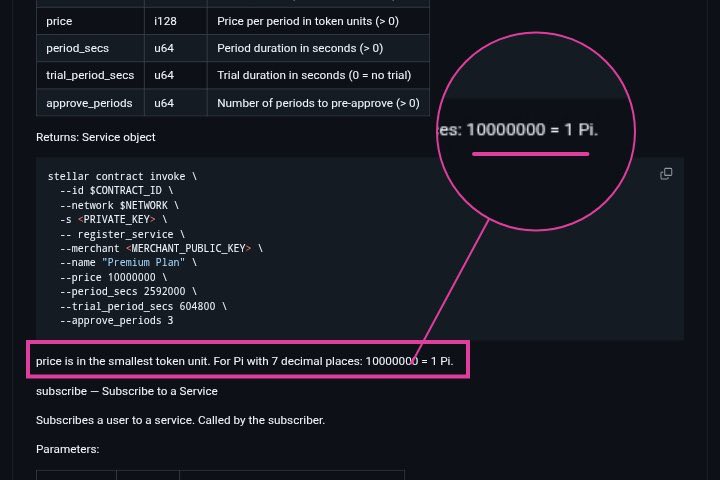
🚨 #PIONEERS , did you notice the number 10000000 = 1 $Pi in the new subscription contract? 👀💜
At first glance, it looks like just another number...
But what if it's actually revealing how Pi is preparing for the next phase of its ecosystem? 🤔
Here's what's really happening:
💎 1 $Pi = 10,000,000 smallest units (7 decimal places).
That level of precision isn't there by accident.
It allows developers to charge tiny fractions of Pi without rounding issues—making subscriptions, AI services, digital content, gaming, and e-commerce far more practical.
Even more interesting...
🔹 PiRC2 subscription contracts are already live on Testnet.
🔹 Users can approve a spending limit once, while smart contracts handle recurring payments automatically.
🔹 Your Pi stays in your wallet until each payment is due.
This isn't just about decimal places.
It's about building the infrastructure needed for real-world payments at scale.
👀 The question isn't why Pi uses 10,000,000 units...
It's what they're preparing to build with it.
Would you pay for Netflix-style subscriptions, AI tools, or premium apps using $PI? 🤔👇
#PiNetwork #Pi #Web3 #Blockchain #AI
Milyarlarca IoT cihazı, robot ve otonom araç; gerçek zamanlı işleme ve —gizlilik korumasına yönelik yerel Büyük Dil Modelleri (LLM'ler) dahil olmak üzere— Uç Yapay Zekası (Edge AI) gerektirir. Çoğu uç cihazı sınırlı kaynaklar, enerji ve işlem gücü kısıtlamalarına tabidir; bu nedenle, veri kaynağına yakın konumlanan Uç Düğümler (Edge Nodes) büyük önem taşır.
Öncüleri büyük bir sürpriz bekliyor! L. Lamport, dağıtık sistemler üzerine yaptığı çalışmalarla (2013) Turing Ödülü'nü (Nobel Ödülü'nün karşılığı sayılan bir ödül) kazanmış bir bilgisayar bilimcisidir. Nicolas, 2004 yılında Lamport'un çalışmalarını yüksek lisans tezinde uygulamıştır; ayrıca bu çalışmaları 2015 tarihli Stellar Protokolü'nde de görebilirsiniz. Bu, Bitcoin'den daha eskiye dayanmaktadır.
😯🔥🔥 GLOBAL TRADEMARK REGISTRATION AFFIRMS PI'S POSITION! 💥
On the surface, the Pi app might just look like a simple tool for a daily "check-in" tap, but behind the scenes lies a meticulously planned operation. A prime example is the registration of the exclusive trademark in the US; although the official certificate was issued in 2024, the recorded date of commercial activity dates back to 2018, and the registration is held by a legal entity based in the Cayman Islands.
You can spot this detail clearly by examining the certificate:
Official issuance date: May 28, 2024, approved by the United States Patent and Trademark Office (USPTO).
Recorded date of commercial activity (First Use / In Commerce): In the legal filings, the owner declared and had officially recorded that the brand began actual operations in 2018.
Specifics for each protected category:
For cryptocurrency transaction management software (Class 9): The start date is December 12, 2018.
For technology services, blockchain mining, and security (Class 42): The start date is October 7, 2018.
Declaring an actual usage date from years prior even though the certificate was only officially issued in 2024
serves to establish commercial seniority, helping to safeguard the project's legal priority rights in the international market.
Pi Wallet: Your digital passport to Pi's Web3 ecosystem.
As a global digital citizen, it is not just about the Pi currency you can mine.
From the author's perspective, you do not mine Pi merely to acquire Pi; rather, you mine it to obtain a "global digital passport" that grants access to the Web3 economy via the Pi Browser—a space where Pi can be utilized within the ecosystem.
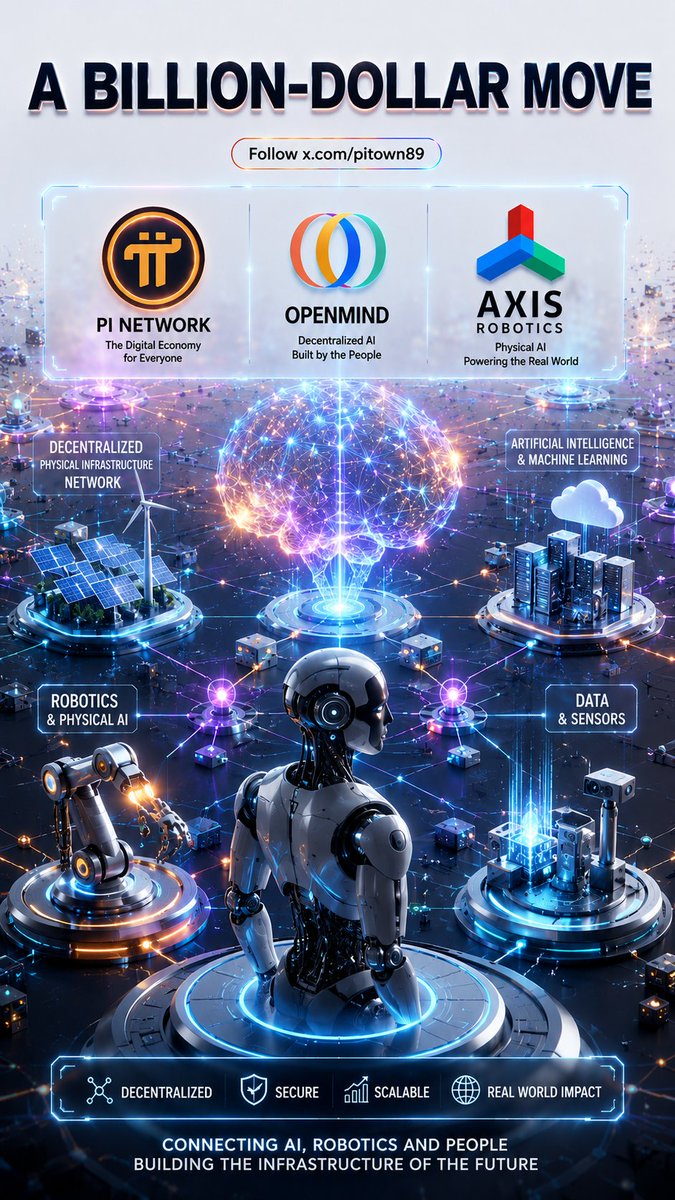
🤝💰 THE BILLION-DOLLAR MOVE: DECODING THE CHAIN CONNECTING PI NETWORK, AXIS ROBOTICS, AND OPENMIND 🤛🔥
🤔 Ever wondered whether the computer quietly running your Pi Node in the corner of your room could have anything to do with the future of millions of intelligent robots in the real world?
At first glance, they seem completely unrelated. But once you connect the dots, you'll discover this is actually an incredibly well-designed strategic game.
🚀 Let's peel back every layer, step by step, to see how these pieces interlock into a vision that could reshape the future.
🤖 STEP A: THE FOUNDATION GIVING ROBOTS THEIR "SENSES" (AXIS ROBOTICS)
➤ Before robots can become intelligent, they first need to perceive the world and interact with it like humans. But engineers cannot manually program every tiny movement one by one.
➤ AXIS Robotics solves this by transforming the entire process into a crowdsourced data generation system.
➤ Users simply access AXIS Hub through a web browser and use a keyboard to control a virtual robotic arm, performing simple tasks such as picking up objects or opening drawers.
➤ Every action generates a real motion trajectory.
➤ The system then feeds those trajectories into advanced simulation environments, automatically creating thousands of additional variations with different camera angles, lighting conditions, and environments.
➤ The result is an enormous dataset used to train Physical AI.
🧠 STEP B: BUILDING A DECENTRALIZED BRAIN THE POWER OF PI NODES & OPENMIND
➤ Once the training data exists, another challenge appears.
➤ Real-world robots are limited by battery capacity and onboard computing power, making it impractical to run massive AI models directly on the robot itself.
➤ This is where decentralized infrastructure enters the stage.
➤ OpenMind connects and utilizes idle computing resourcesincluding CPUs, GPUs, and RAM from millions of computers running Pi Nodes around the world.
➤ Your computer effectively becomes an on-demand AI computing specialist.
➤ It receives images and sensor data sent by robots, performs AI inference tasks such as obstacle recognition or navigation, then returns the results back to the robots.
➤ In return, you receive rewards in Pi.
➤ Instead of investing billions of dollars in centralized data centers, computational power is aggregated directly from the global community.
🔐 STEP C: ESTABLISHING TRUST AND ORDER THE "BLUE CHECKMARK" OF SECURITY (FABRIC)
➤ Imagine thousands of robots from different manufacturers working together in warehouses, hospitals, or factories.
➤ What happens if malicious devices inject fake data into the network?
➤ This is where FABRIC's cryptographic identity layer comes into play.
➤ It issues every robot a unique digital identity similar to a verified blue checkmark.
➤ Every action, every piece of collected data, and every transmitted message must carry that robot's unique cryptographic signature.
➤ No one can forge it.
➤ As a result, malicious devices are automatically filtered out, allowing robots to collaborate safely, transparently, and securely.
🌍 THE BIGGER PICTURE A GAME-CHANGING DECENTRALIZED INFRASTRUCTURE
When these three pieces come together, we're no longer looking at separate projects.
We're looking at a large-scale DePIN (Decentralized Physical Infrastructure Network) revolution.
➤ 1️⃣ Breaking the monopoly on computing.
Transforming the Pi Node network into a global decentralized supercomputer dedicated to AI and robotics, reducing dependence on centralized technology giants.
➤ 2️⃣ Solving the robotics data bottleneck.
Turning the global community into the world's largest producer of robot training data at an unprecedented speed and scale.
➤ 3️⃣ Connecting digital assets to the physical world.
Pi is no longer just a digital asset displayed on trading screens.
Instead, it becomes the economic layer powering an era of automation where humans, machines, and AI coexist within a unified decentralized ecosystem.
😉 Follow https://t.co/LrYeO6qqbJ
♻️ Repost
💭 Comment
🔔 Turn on Notifications
🔥📢 BREAKING: PI NETWORK OFFICIALLY APPEARS IN DTIF'S REGISTRY (ISO 24165) 😲
After the MiCA Whitepaper, here's another major legal-technical milestone the Pi community needs to know about!
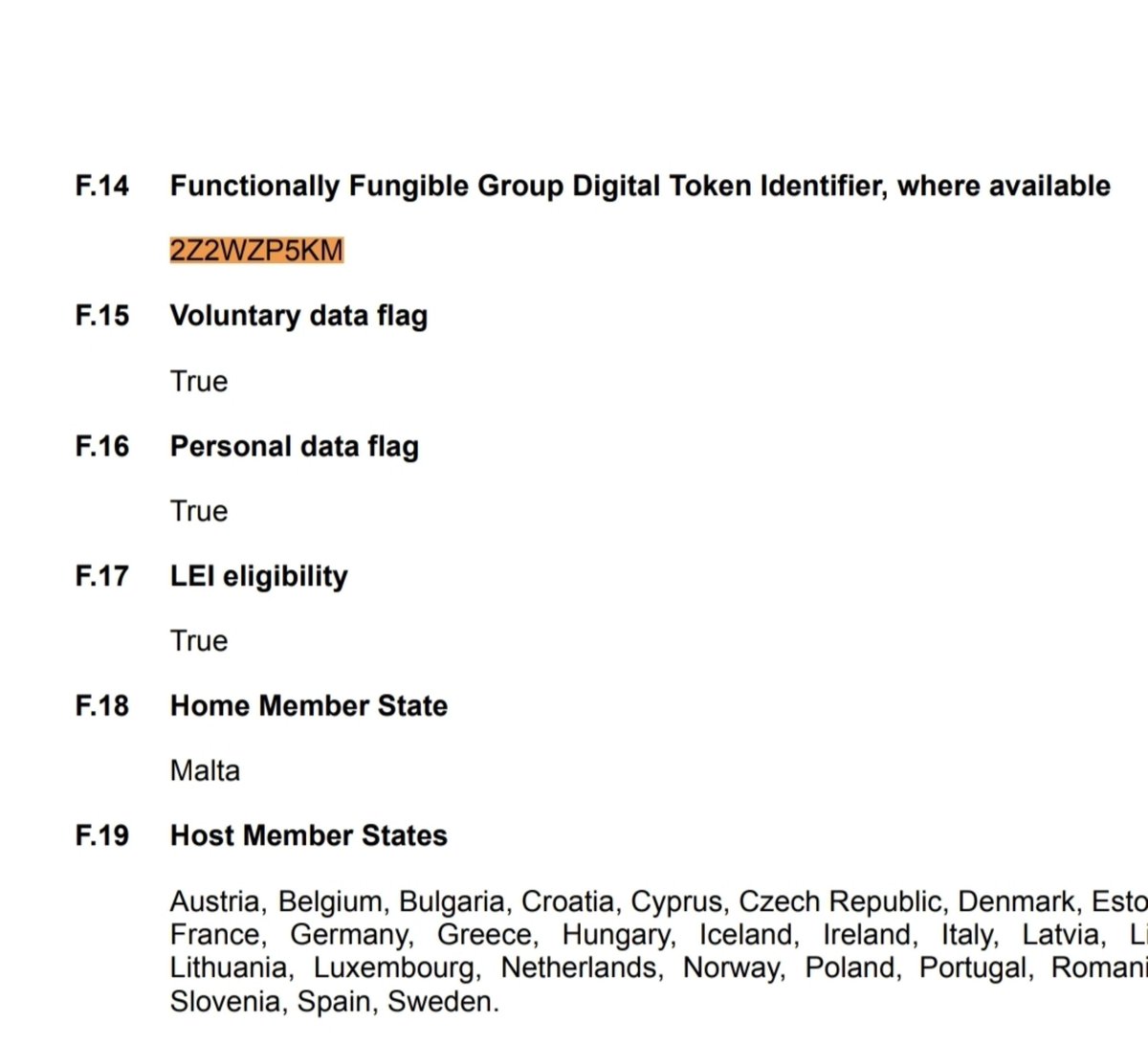
📌 The DTI Foundation (DTIF) the official Registration Authority for the global ISO 24165 standard has ISSUED a record directly linked to Pi Network on its Registry system.
🔍 RECORD DETAILS:
➤ Identifier: 2Z2WZP5KM
➤ Type: Equivalent Digital Token Group
➤ Long Name: Pi Network
➤ Symbol: PI
➤ Status: ISSUED ✅
➤ Class of Information: VALIDATED ✅
➤ Date Issued: 2025-12-12
➤ Equivalent Digital Token Identifiers List: 2K95TZ2QN, the exact DTI code Pi Network disclosed in its MiCA Whitepaper!
🌐 View it directly on DTIF's official Registry:
👉 https://t.co/QhPERSYmEy
🤯 WHAT DOES THIS MEAN?
➤ This is no longer just a self-declared claim from Pi, it's a record validated and issued by DTIF itself, the independent authority behind the ISO 24165 standard, on their own public system.
➤ ISO 24165 is the global token identification standard used by exchanges, banks, and financial institutions to unambiguously identify digital assets.
➤ Appearing in the Registry with ISSUED + VALIDATED status is a critical infrastructure milestone for exchange listings, banking integration, and institutional-scale OTC trading.
😲 From a mobile mining project, Pi Network now sits inside the globally recognized digital asset identification system.
🔥 This is living proof that while many still doubt it, the Pi Core Team has been quietly completing every piece of the legal infrastructure puzzle, step by step.
😉 Follow https://t.co/LrYeO6qqbJ
♻️ Repost
💭 Comment
🔔 Turn on Notifications
CORRECTION OF INFORMATION 😗
After reviewing additional academic sources, I would like to correct a detail in the previous article.
According to Professor Michael S. Bernstein's publicly available records, Nicolas Kokkalis is listed under "Postdoctoral Scholars: Alumni" for the period 2013–2018, with the current note being "Co-founder, Pi Network".
This information indicates that after completing his PhD at Stanford in 2013, Nicolas Kokkalis continued as a Postdoctoral Scholar under Professor Michael S. Bernstein from 2013–2018.
The scientific works co-authored by Nicolas Kokkalis and Professor Michael S. Bernstein during the same period mainly focused on Human-Computer Interaction (HCI), crowdsourcing, and systems supporting human-computer collaboration.
Thanks
😎 LITTLE KNOWN FACT: BEHIND PI NETWORK'S FOUNDER ARE TWO TOP STANFORD PROFESSORS 🥸
While digging through Nicolas Kokkalis's research record on DBLP (Digital Bibliography & Library Project), I found he co-authored numerous scientific papers with two very well known Stanford University professors:
👨🏫 Scott R. Klemmer
👨🏫 Michael S. Bernstein
Both are hugely influential names in Human-Computer Interaction (HCI), Crowdsourcing, Social Computing, and human-centered AI.
Bonus fact found while checking this on Bernstein's own CV: it lists Kokkalis as one of his supervised PhD students from 2013 to 2018, with the note "Co-founder, Pi Network." So this goes beyond co-authorship, Bernstein was actually his doctoral advisor.
💥 SCOTT R. KLEMMER
Scott R. Klemmer is one of the world's leading experts in Human-Computer Interaction (HCI) and Design Thinking.
He was formerly a Computer Science professor at Stanford University, and is currently a professor at the University of Washington.
Notable achievements
🏆 Pioneered bringing Peer Assessment into large scale online courses (MOOCs), opening up a new way of learning for hundreds of thousands of people worldwide.
🏆 His Interaction Design course on Coursera attracted more than 300,000 students, becoming one of the most famous interaction design courses in the world.
🏆 Co-founded the Design Lab together with Don Norman and Jim Hollan, one of the leading research centers in interaction design and design thinking.
🏆 His research group developed several open source tools such as PeerStudio and Talkabout, used by many universities and organizations around the world.
🏆 Recipient of numerous prestigious awards including:
NSF CAREER Award
Sloan Research Fellowship
Microsoft Research New Faculty Fellowship
Katayanagi Emerging Leadership Prize
🏆 More than 40 research publications, of which 11 received Best Paper or Honorable Mention at top HCI conferences worldwide such as CHI and UIST.
───
💥 MICHAEL S. BERNSTEIN
Michael S. Bernstein is currently a Professor of Computer Science at Stanford University and a Senior Fellow at the Stanford Institute for Human-Centered AI (HAI).
He is considered one of the world's leading experts in:
Crowdsourcing
Collective Intelligence
Social Computing
Human-AI Collaboration
Notable achievements
🎓 Graduated from Stanford University, then earned his Master's and PhD in Computer Science at MIT.
🏆 His research focuses on:
Large scale collaboration systems
Crowdsourcing
AI that assists humans
Social Computing
Generative Agents
Large scale online community platforms
🏆 Recipient of numerous prestigious awards:
NSF CAREER Award
Alfred P. Sloan Fellowship
UIST Lasting Impact Award
Patrick J. McGovern Tech for Humanity Prize
George M. Sprowls Award (MIT)
🏆 Hundreds of research publications with a very high citation count, and many papers that received Best Paper Awards at prestigious conferences such as CHI, CSCW, and UIST.
🏆 Author of the book Flash Teams (MIT Press), which studies how to organize and coordinate large scale online work teams.
───
THE CONNECTION
Before Pi Network was created, Nicolas Kokkalis co-authored many research papers with both of these professors. The research topics mainly revolved around AI, Human-Computer Interaction, Crowdsourcing, Social Computing, and Collective Intelligence, fields that are having a strong influence on the development of modern technology today.
Adding to this, Bernstein's CV directly confirms he was Kokkalis's PhD advisor at Stanford from 2013 to 2018, the exact years Pi Network's founder was completing his doctorate.
💭 Does knowing Pi's founder came out of this Stanford HCI research world change how you see the project's technical roots? Drop your take below.
Follow https://t.co/LrYeO6qqbJ ❤️ to catch more high-quality analysis!
Repost ♻️
Comment 💭
Follow ❤️
Notifications 🛎️
🚀 OpenPay Continues to Expand Pi Utility @PiCoreTeam@OpenPayTeam
OpenPay is proud to be among the early platforms leveraging key Pi ecosystem technologies to deliver real-world utility for Pioneers.
✅ Pi Sign-In Integration
OpenPay enables users to securely sign in using their Pi accounts, creating a seamless onboarding experience while supporting the growth of the Pi ecosystem.
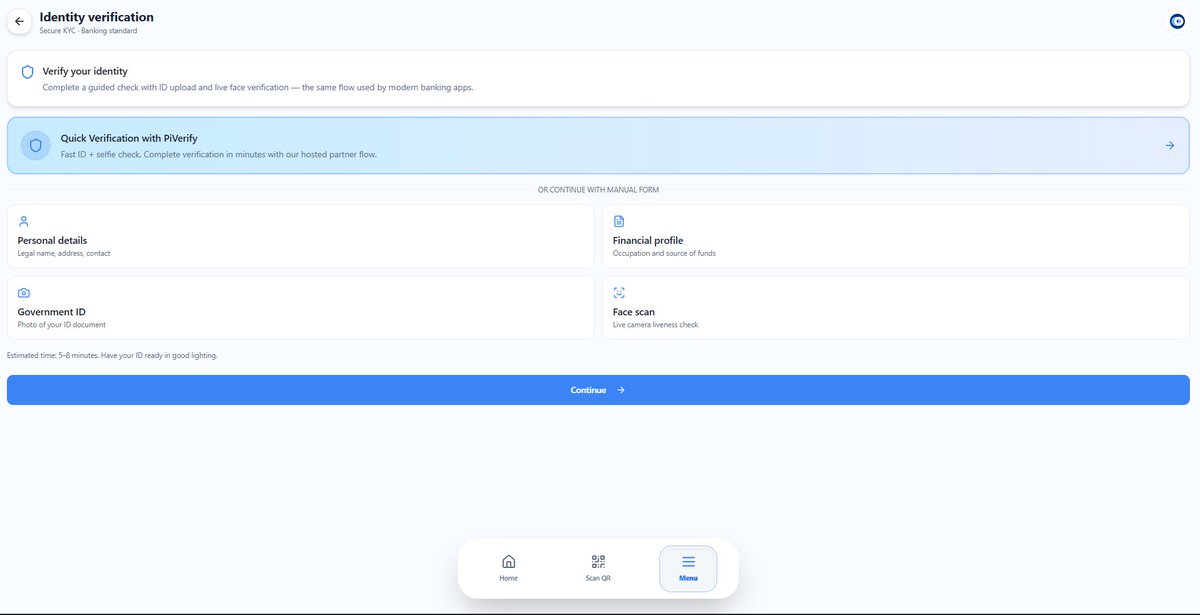
✅ PiVerify Integration
By utilizing Pi's KYC identity verification framework, OpenPay helps ensure a trusted environment for users and merchants while supporting compliance and ecosystem integrity.
✅ Building Beyond Payments
From QR Pay and Merchant POS to Payment Links and OpenUSD, OpenPay is creating a complete payment infrastructure designed to bring Pi into everyday commerce.
As the Pi ecosystem evolves, innovations such as Pi Sign-In, PiVerify, and expanded Pi Node utility continue to strengthen the foundation for a decentralized digital economy.
Our mission remains clear:
Make Pi useful, accessible, and spendable everywhere.
🌐 Testnet: https://t.co/7GOE6WJWoj
🌐 Mainnet: https://t.co/ORrh1053iq
📖 Whitepaper: https://t.co/p3KAMT3aBc
📊 Pitch Deck: https://t.co/QiMevfh7VF
💜 The future of Pi is not just about holding Pi—it's about using Pi. OpenPay is helping make that future a reality. 🚀
#OpenPay #PiNetwork #PiSignIn #PiVerify #PiUtility #Web3Payments #PiCommerce #OpenUSD #Blockchain #BuildOnPi #Pioneers #Fintech
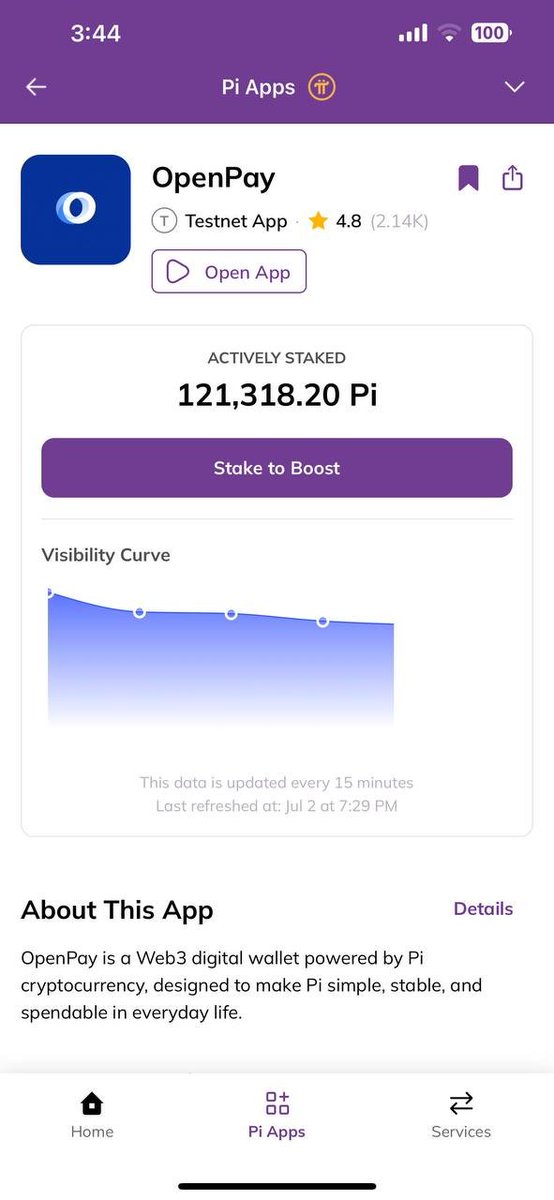
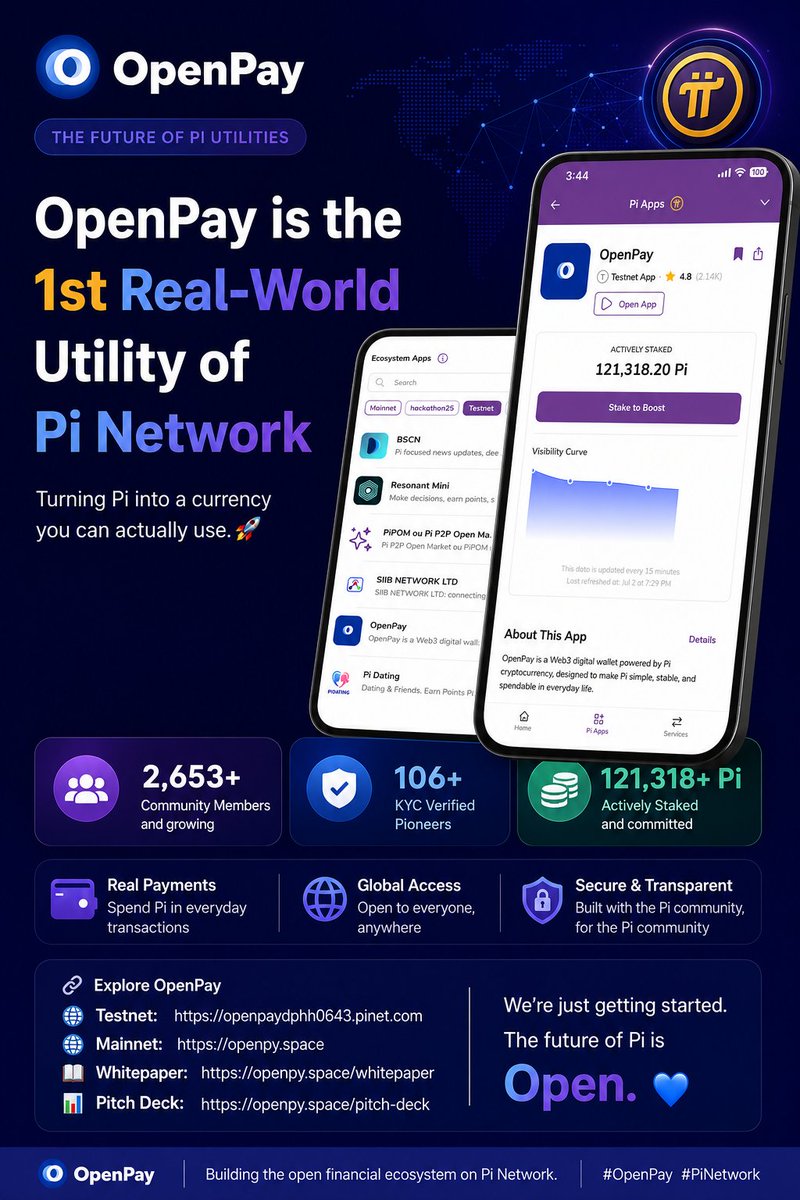
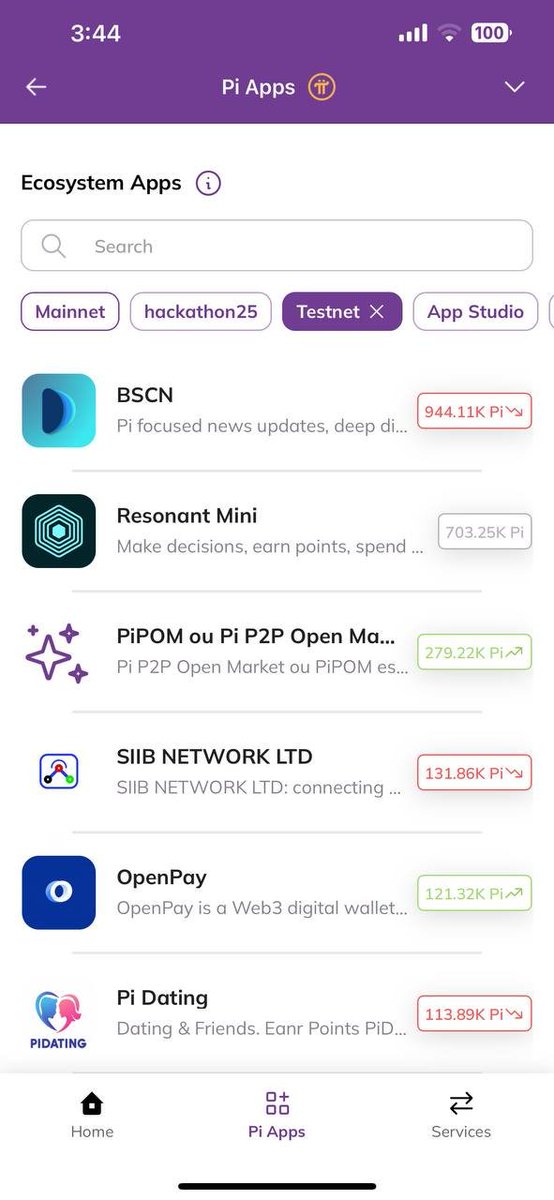
💙OpenPay is proving what real-world utility on Pi Network @PiCoreTeam can look like. With 121,318+
Pi actively staked, a growing community of 2,653+ users, and 106+ KYC-verified pioneers, we're focused on building something people can actually use every day—not just talk about.Our mission is simple: @OpenPayTeam
💙 Make Pi spendable.
💳 Enable real-world payments.
🌍 Build an open financial ecosystem powered by Pi.
The future of Pi isn't just holding Pi—it's using it.
Available Pi Browser
OpenApp: https://t.co/dv0AHEYyEX
🌐 Top 5 Testnet: https://t.co/7GOE6WJWoj
🌐Mainnet: https://t.co/ORrh1053iq
📖 Whitepaper: https://t.co/p3KAMT3aBc
📖 Pi Whitepaper:https://t.co/JsRPlybLrN
📊 Pitch Deck: https://t.co/QiMevfh7VF
For More Updates
Follow us : 🌐 https://t.co/mcegmBm6Br
🌐 https://t.co/1hZIUxVjQp
Please support Real World Utility
#OpenPay #PiNetwork #Web3 #RealWorldUtility #Payments #Crypto #Fintech #BuildOnPi