Just Dropped ImagineArt 1.0, the most realistic model on the planet!
We did what no one could do, by achieving the most portraits, textures and realistic details in image generations.
Available Now on ImagineArt - One month FREE for Ultimate and Creator Plan!
Retweet in 8 hrs = 100 free credits via DM
Dive into the next era of enterprise transformation with us at SAP Sapphire and ASUG 2025! We're showcasing cutting-edge solutions designed to optimize your core business processes and drive sustainable growth. Visit us at Booth #424 to experience live demos.
This lack of consideration for my time is disappointing. Persistent interruptions like these could harm your reputation and drive clients away. Please address this promptly to ensure better customer experience.
@Policybazaar, I appreciate the good trust, competitive pricing, and detailed comparisons you offer. However, after taking a healthcare insurance policy through your portal, the renewal process has been unpleasant.
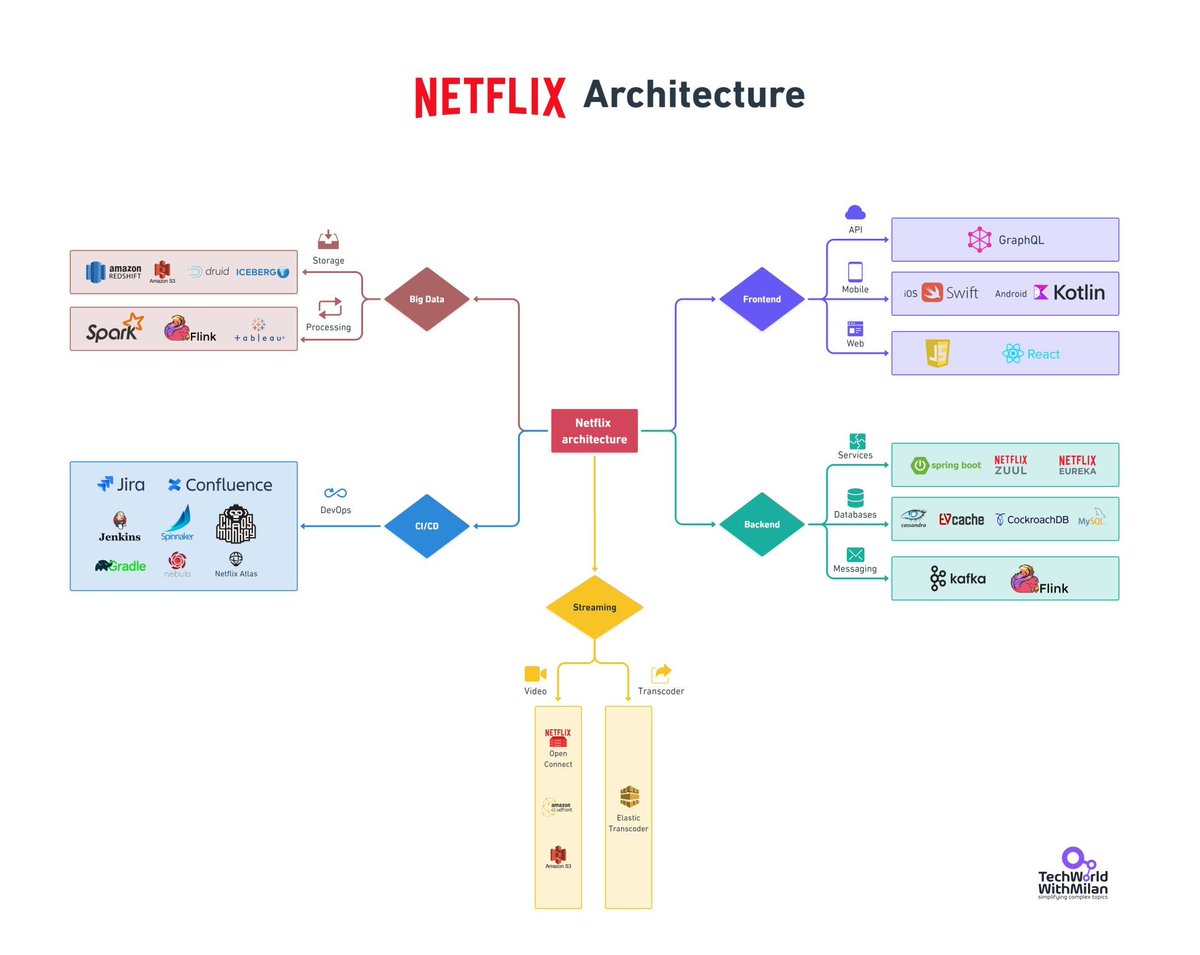
𝗛𝗼𝘄 𝗱𝗼𝗲𝘀 𝗡𝗲𝘁𝗳𝗹𝗶𝘅 𝗺𝗮𝗻𝗮𝗴𝗲 𝘁𝗼 𝘀𝗵𝗼𝘄 𝘆𝗼𝘂 𝗮 𝗺𝗼𝘃𝗶𝗲 𝘄𝗶𝘁𝗵𝗼𝘂𝘁 𝗶𝗻𝘁𝗲𝗿𝗿𝘂𝗽𝘁𝗶𝗼𝗻𝘀?
Netflix uses a 𝗺𝗶𝗰𝗿𝗼𝘀𝗲𝗿𝘃𝗶𝗰𝗲𝘀 𝗮𝗿𝗰𝗵𝗶𝘁𝗲𝗰𝘁𝘂𝗿𝗲 where different functions are split into small, independent services. When you open Netflix, you connect through an Amazon Elastic Load Balancer (ELB) and API Gateway (Zuul) that directs your requests to the appropriate service. The content is stored in large cloud storage systems (like Amazon S3) and delivered through Content Delivery Networks (CDNs) placed worldwide to ensure fast streaming. This enables you to watch movies without hiccups, as they are streamed to you via the nearest geographical location.
Netflix's core consists of 𝘀𝗲𝘃𝗲𝗿𝗮𝗹 𝗸𝗲𝘆 𝘀𝗲𝗿𝘃𝗶𝗰𝗲𝘀 (𝗔𝗣𝗜𝘀). The Authentication service handles logins and security, while the User Profile service manages your preferences and watching history. The Content service (Play API) deals with all movie and show information, and the Recommendation service suggests content based on your viewing patterns. There's also a dedicated Search service to help users find content quickly.
Behind the scenes, Netflix runs 𝗺𝗮𝘀𝘀𝗶𝘃𝗲 𝗱𝗮𝘁𝗮 𝗽𝗿𝗼𝗰𝗲𝘀𝘀𝗶𝗻𝗴 𝗼𝗽𝗲𝗿𝗮𝘁𝗶𝗼𝗻𝘀. They collect viewing data and user behavior to improve their recommendation system through machine learning. All this data is stored in different specialized databases - some for user information, others for content metadata, and separate for analytics. The whole system is designed to be highly available and fault-tolerant, meaning that Netflix can continue working even if some parts fail.
The most impressive part is the scale—Netflix can handle millions of users streaming content simultaneously, thanks to its extensive use of cloud services (primarily Amazon Web Services) and its globally distributed CDN network (Open Connect).
𝗡𝗲𝘁𝗳𝗹𝗶𝘅 𝗧𝗲𝗰𝗵 𝗦𝘁𝗮𝗰𝗸:
⚛️ 𝗙𝗿𝗼𝗻𝘁𝗲𝗻𝗱: React, Node.js, Redux, JavaScript
🖥️ 𝗕𝗮𝗰𝗸𝗲𝗻𝗱: Spring Boot, Apache Kafka, Java, Python
🔄 𝗙𝗿𝗼𝗻𝘁𝗲𝗻𝗱/𝗯𝗮𝗰𝗸𝗲𝗻𝗱 𝗰𝗼𝗺𝗺𝘂𝗻𝗶𝗰𝗮𝘁𝗶𝗼𝗻: GraphQL
📱 𝗠𝗼𝗯𝗶𝗹𝗲: Swift for iOS and Kotlin for Android
🗄️ 𝗗𝗮𝘁𝗮𝗯𝗮𝘀𝗲𝘀: AWS RDS (MySQL), Cassandra, CockroachDB, EV cache
✉️ 𝗠𝗲𝘀𝘀𝗮𝗴𝗶𝗻𝗴: Apache Kafka and Fink.
📊 𝗗𝗮𝘁𝗮 𝗣𝗿𝗼𝗰𝗲𝘀𝘀𝗶𝗻𝗴: Flink, Apache Spark, Tableau, AWS Glue, Netflix Genie
🔒 𝗦𝗲𝗰𝘂𝗿𝗶𝘁𝘆: AWS IAM, AWS Shield, AWS KMS
📹 𝗩𝗶𝗱𝗲𝗼 𝘀𝘁𝗼𝗿𝗮𝗴𝗲: Amazon S3 and Open Connect
⚙️ 𝗗𝗲𝘃𝗢𝗽𝘀: Jenkins, Spinnaker, Amazon CloudWatch, Grafana, Prometheus, Chaos Monkey, Spinnaker, Atlas and more
🤖 𝗠𝗮𝗰𝗵𝗶𝗻𝗲 𝗟𝗲𝗮𝗿𝗻𝗶𝗻𝗴: Amazon SageMaker, TensorFlow
#softwareengineering #programming #softwaredesign