This is genuine electron microscope footage showing hydrogen and oxygen gases reacting on a single palladium nanocatalyst to create a tiny water bubble.
You are watching something humanity has never seen before in real time.
Here is how exactly this was possible:
Static PDFs are where interest goes to die. ⚰️ Interactive online textbooks are where learning happens. Which one are you putting on your syllabus this year? https://t.co/AP6ovLtBOp
#biology#science#3D#animation#Edtech#HigherEd
n₁ sin θ₁ = n₂ sin θ₂
Watch this laser hit the glass-air boundary. At first, it bends out (refraction). Then... boom.
Angle exceeds the critical θ_c = arcsin(n₂/n₁) ≈ 42° for glass (n≈1.5), and every photon turns back inside. No leakage. Pure total internal reflection.
This is why fiber optics carry the internet across oceans without losing signal. Why diamonds sparkle like crazy. Why light can get trapped in a stream of water.
Paschen’s law:
V_b = (B p d) / [ln(A p d) - ln(ln(1 + 1/γ))]
Pull the plunger on a syringe next to a live Tesla coil and watch physics lose its mind.
The instant pressure drops, that p d term collapses; breakdown voltage craters, the field ionizes the rarefied air, and violet plasma arcs flood inside the barrel like lightning bottled in glass.
No more jumping to the needle. Just pure glowing discharge channels forming in vacuum.
This is the exact reason vacuum tubes, neon signs, and Crookes tubes exist.
A rotating ball casts a shadow that perfectly matches a mass on a spring, revealing how circular motion and simple harmonic motion are linked. A visual proof of sine-wave physics in action.
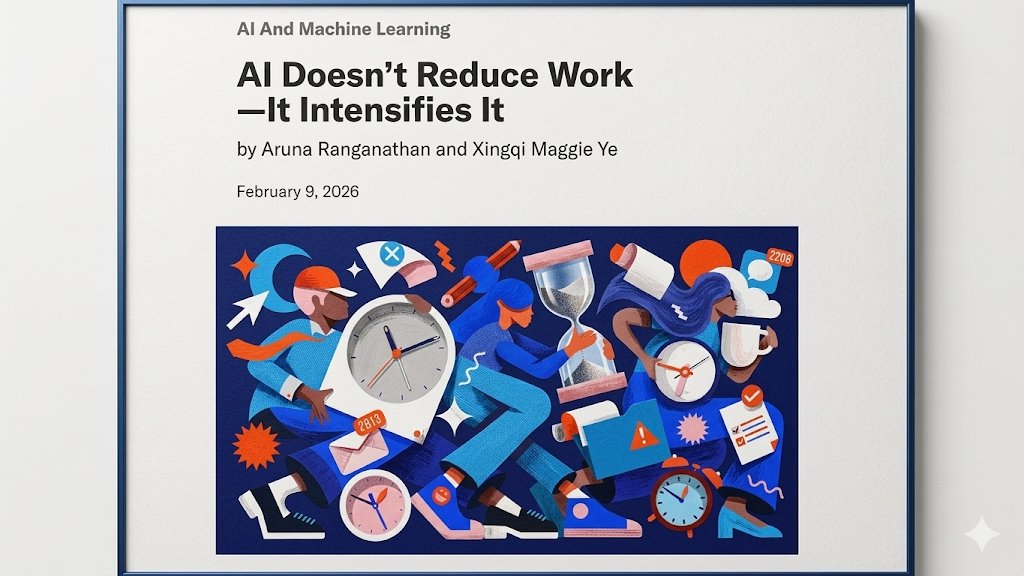
🚨BREAKING: Berkeley researchers spent 8 months inside a tech company watching how employees actually use AI.
The promise was simple: AI will save you time. Do less. Work smarter.
The opposite happened.
Workers didn't use AI to finish early and go home. They used it to take on more. More tasks. More projects. More hours. Nobody asked them to. They did it to themselves.
The researchers sat inside the company two days a week for 8 months. They watched 200 employees in real time. They tracked work channels. They conducted 40+ interviews across engineering, product, design, and operations.
Here's what they found. AI made everything feel faster, so people filled every gap. They sent prompts during lunch. Before meetings. Late at night. The natural stopping points in the workday disappeared. People ran multiple AI agents in the background while writing code, drafting documents, and sitting in meetings simultaneously.
It felt like momentum. It felt productive. But when they stepped back, they described feeling stretched, busier, and completely unable to disconnect.
83% said AI increased their workload. Not decreased. Increased.
62% of associates and 61% of entry-level workers reported burnout. Only 38% of executives felt the same strain. The people doing the actual work absorbed the damage while leadership celebrated the productivity numbers.
Then came the trap nobody saw coming. When one person uses AI to take on extra work, everyone else feels like they're falling behind. So the whole team speeds up. Nobody formally raises expectations. But the new pace quietly becomes the default. What AI made possible became what was expected.
The researchers gave it a name: workload creep. It looks like productivity at first. Then it becomes the new baseline. Then it becomes burnout.
AI was supposed to give you your time back. Instead it's eating more of it. And the worst part? You're doing it to yourself. Voluntarily.
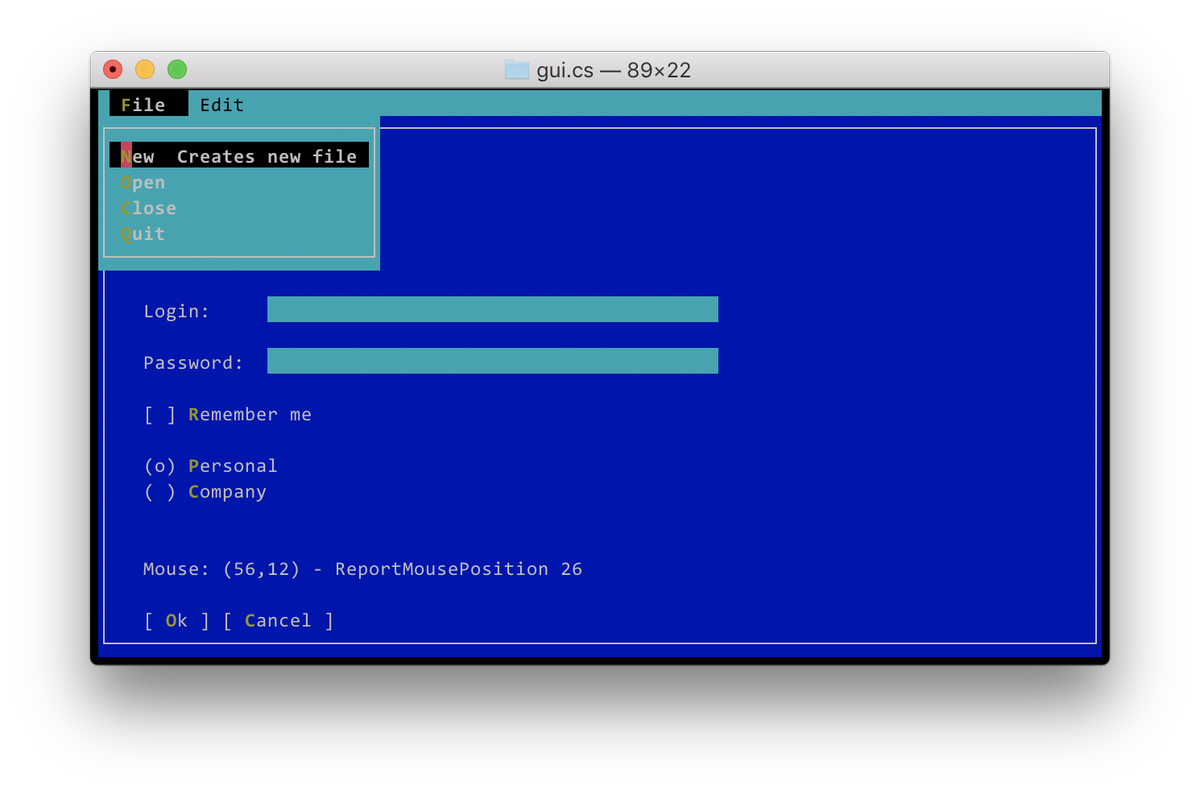
Me: "Delete this file."
Windows: "Someone is using it."
Me: "Who?"
Windows: "I can't say."
Me: "I checked using a utility. It says your file explorer is the one using it!"
Windows: "Well, I had to show a preview."
Me: "Why?"
Windows: "Because you selected the file to delete it!"
Dear Marco Rubio,
As a student who was inside the school while an active shooter was wreaking terror and havoc on my teachers and classmates with an AR-15, I would just like to say, YOU DON’T UNDERSTAND.
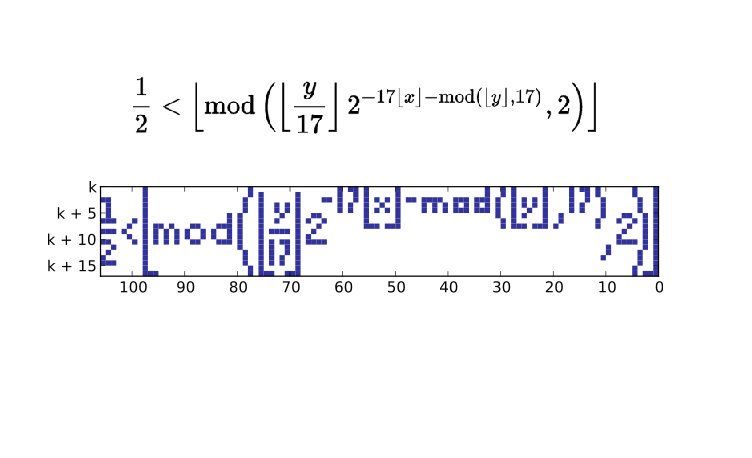
14 years after Alan Turing's death, an unpublished manuscript emerged where he suggested the idea of a "disordered" computer that anticipated the rise of connectionism https://t.co/LepHSZnUox