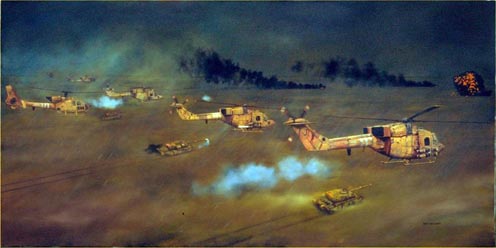
A timely post as we complete our work on volume 2 of Ops Normal with the chapter on subsequent operations in Iraq. Telic 4 marked a change in the intensity of operations. 652 Sqn AAC were embroiled in Op Bracken South of Fallujah.
1/4 Yesterday WO1 Johnson Beharry VC was reunited with the Warrior Infantry Fighting Vehicle in which he earned the Victoria Cross in Iraq in 2004.
This was the first time he had seen the vehicle in 22 years.
An image of
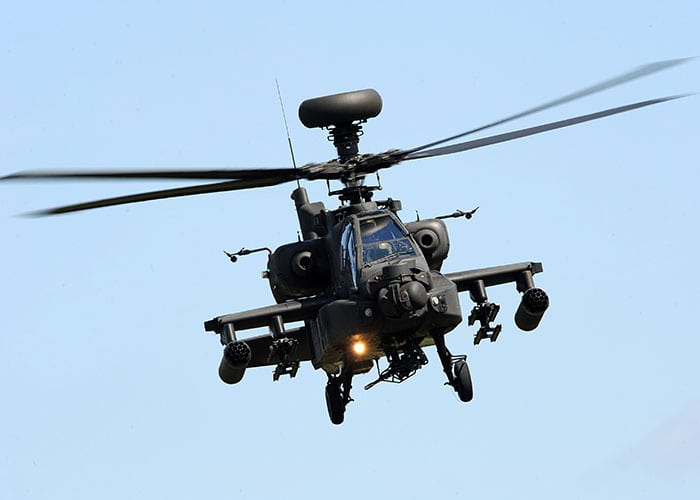
Apache
Undoubtedly fearsome, but even with development like NLOS weapons and UAS pairing, are these an increasingly vulnerable luxury, or a battle winner that needs more investment?
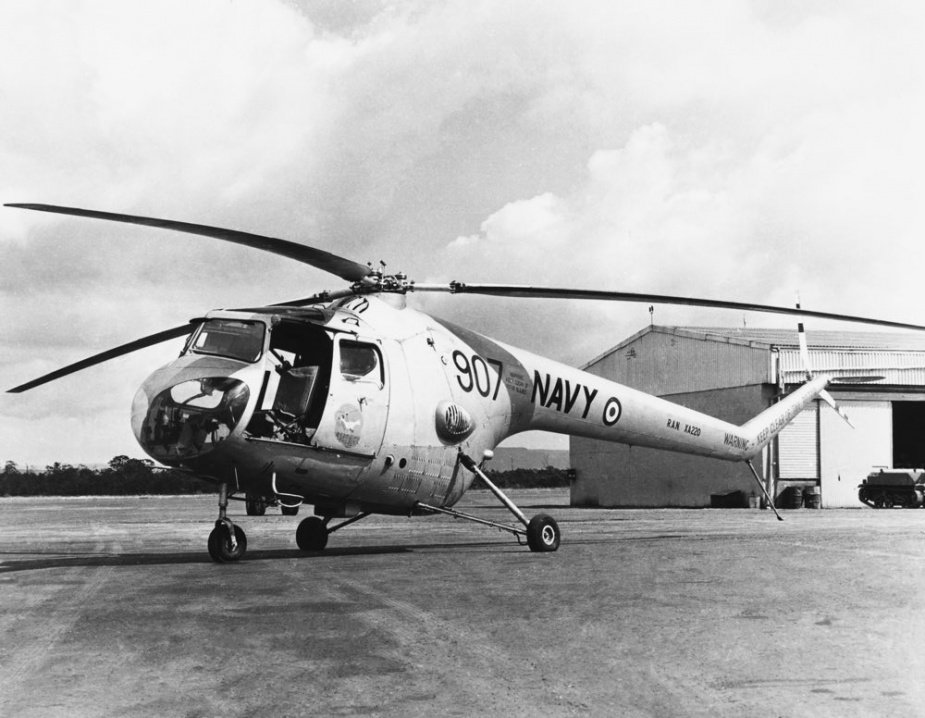
It wasn't the ideal design. Op Musketeer, the heliborne assault on the Suez Canal (1956), exposed its shortcomings. Covered in Ops Normal Vol 1, a Suez Sycamore is on display at the Army Flying Museum.
The Bristol 171 Sycamore was designed by Austrian Raoul Hafner at the end of WW2.
It became Britain's first successful helicopter, selling overseas and serving in the UK's armed forces until as late as the mid-1970s.
Read more about it here...
https://t.co/GlUEH407Ap
Happy 80th Birthday to an aviation icon—the DHC-1 Chipmunk! ✈️🎂
First flying on May 22, 1946, this legendary trainer taught generations of pilots how to fly. Eighty years later, the "Chippy" is still a beloved warbird favorite. Clear prop! 🇨🇦🇬🇧
#DHC1#AvGeek#AviationHistory
Today marks 15 years since the end of Operation TELIC in Iraq.
We honour the UK Armed Forces personnel who served between 2003 and 2011, and we remember the 179 who lost their lives.
Today, veterans and their families gather at the @Nat_Mem_Arb to pay tribute.
Britain's smallest (and most unlikely?) Nuclear 'bomber', the tiny ship-borne Westland Wasp helicopter.
This Royal Navy Wasp is carrying a WE.177 tactical nuclear bomb that was in service from the 1960s to the 1990s.
"The Islander is not just an aircraft. It is the backbone of everyday life."
Island Airways has served Beaver Island, Michigan for 80 years, carrying 27,000 to 29,000 passengers annually and completing 35 to 45 medical evacuations every year.
British Westland Scout door gunner with his 7.62mm GPMG while en route to the Falklands in May 1982
An interesting detail that I could not dig up any more information about is that the exhaust appears to be shrouded, perhaps to reduce vulnerability to heat-seeking missiles
Tom’s Apache had no choice to lift slightly go through the damaged Fort wall and land within the compound, with Ugly 51 landing just outside the wall. Both choppers down the Marines disembarked, then both back seat pilots, leaving Tom alone with the Taliban firing everything they could to disable the Apache. Tom fired with his cannon and directed air support from the covering Apaches. Time on ground was estimated at 2 1/2 minutes, by three Tom was getting worried, the dust cover was settling and visibility was improving for him and the Taliban, he had to make the decision to stay or lift off and come back, but that would make it difficult for his team to refined the helicopter. He waited. After about 4 minutes he heard from Ugly 51 that Ford was secure and they were lifting, seconds later his own Marines and fellow pilot returned and Tom lifted out of the Compound to the hover and then fired to suppress incoming fire. The two Apaches then re-crossed the lines and Ford was handed over to the Medical team, who fought unsuccessfully to save his life. The closing paragraph of the DFC citation states:
“This action was courageous and skilful flying in the extreme. If the Apache had become disabled by enemy fire then he and his fellow rescuers would have had to withdraw from the fort in broad daylight, across a wide river in open terrain, away from a position infested with enemy, before reaching safety. Through his selfless example and leadership, he inspired a hastily drawn together team to recover Lance Corporal Ford. Without O’Malley’s intervention, the alternative plan which involved company level ground assault would have placed far more lives at risk. His actions were an outstanding demonstration of valour, selfless example and, above all, leadership in the most challenging flying circumstances. For his ingenuity, clarity of thought and determination to recover Lance Corporal Ford, in the face of a lethal and determined enemy, with a calculated disregard for his own safety, O’Malley deserves formal recognition.”
All four pilots received awards for the action, the two who remained with their Apaches the Distinguished Flying Cross, the two pilots who helped with dragging Ford to the helicopter the Military Cross.
This was not only an outstanding act of Bravery, but proved to the British Armed Forces and the world that we look after our own, and leave nobody behind, whatever the cost may be.
A timely thread recounts events a Jug Room Fort. It was an outstanding achievement by all involved, but to address the original tweet, not a full CSAR capability...
🇺🇸 Brits couldn't do a rescue like we just did in Iran,they stand back a little...
🇬🇧 .. hold our beer son...
Apache pilot Captain Tom O’Malley who flew his Apache gunship into a Taliban stronghold with two Royal Marines strapped to the side in an extraordinary bid to save a wounded comrade
The official citation for the award of the Distinguished Flying Cross remains on the MOD restricted list, however extracts and the excellent book “Apache” by Ed Macy a fellow Apache pilot who participated in the rescue operation, gives an unprecedented insight and detailed account of the mission.
Captain Darren “Tom” O’Malley was serving with 656 Squadron Army Air Corps, at that time with the rank of Warrant Officer 1st Class. In November 2006 he returned to Afghanistan for his second tour on the Apache Attack Helicopters, at the time although holding the rank of Warrant Officer he was the most senior Pilot on the unit with the most air hours on the type, he was also the Squadron’s Qualified Helicopter Instructor and one of the few men on the Squadron qualified to sit in both seats.
656 Squadrons deployment to Afghanistan coincided with that of the 45 Commando Royal Marines and on the 15th January 2007 the “Royals” were deployed on Operation Glacier 2 an attack on Jugroom Fort in Garmsir in Southern Helmand, this being a Taliban stronghold. The Marines “Zulu” Company” were to be covered by two of the Squadron Apache’s. Tom was serving back at the units base at Camp Bastion with the Stand By Flight. The late deployment of the Royals into the attack, ate into the fuel of the two covering Apaches, which greatly reduced their time over target. Despite a heavy bombardment, the Taliban put up stiff resistance, forcing the Marines to withdraw and with fuel and ammunition running low on the tasked Apaches, Tom’s flight (2 Apaches) was scrambled, to take over air support, while the original Apaches returned for refuelling and rearming. In the second Apache was Warrant Officer Ed Macey,
Tom was flying in the front seat of call sign Ugly 50 and was mission Commander. Macey’s Apache call sign Ugly 51. As the pair flew to Jugroom they received a situation report and it was then they got an idea how things had deteriorated with a group of five Marines missing in Action. As they neared Tom was updated that one One Marine was missing Lance Corporal Mathew Ford. When on target it was the mission priority to locate Ford, assess if he was alive and protect him. Ugly 51 spotted a body which was identified as Ford, he was giving off a heat signature and was therefore alive,An order came through the radio from the CO let no Taliban near Ford, a ground rescue operation is under preparation. So began the long task of protection against constant Taliban fire from both machine guns and rocket propelled grenades, with ammunition running out and fuel low, there was no evidence of a ground rescue. Tom then came up with the plan to strap two Marines to the side of each Apache fly towards the fort, land, rescue Ford by slinging him under an Apache, whilst the Marines resumed their position on the side. The daring plan was tentatively authorised by the Squadron CO but flatly refused by the Royals. It was only when their Colonel was patched in on the radio that the Helicopter crews realised the CO was unaware of their rescue plan and he gave the go ahead.
This was the first time that British or American Apaches had flown with men strapped to the side, it was a procedure only to be used in the event of rescuing fellow pilots from a crashed Apache behind enemy lines.
*Note US Apaches have Tampax machine & Tanning solarium where the Marines sat.
Following a bombardment, and with top cover provided by the original Apache Flight, Ugly 50 & 51 went in problems became apparent straight away, Tom in the front helicopter was blinded by dust, blown up by the rotor blades and the landing field was too small for both helicopters,
Cont...
Two brand new helicopters have been delivered to our Air Corps in Brunei 🚁
The new generation aircraft will be used extensively during jungle training 🇧🇳🇬🇧
This delivery is part of a wider £148m @DefenceHQ investment 🤝
Read more below ⬇️
https://t.co/lNisl7m5DJ
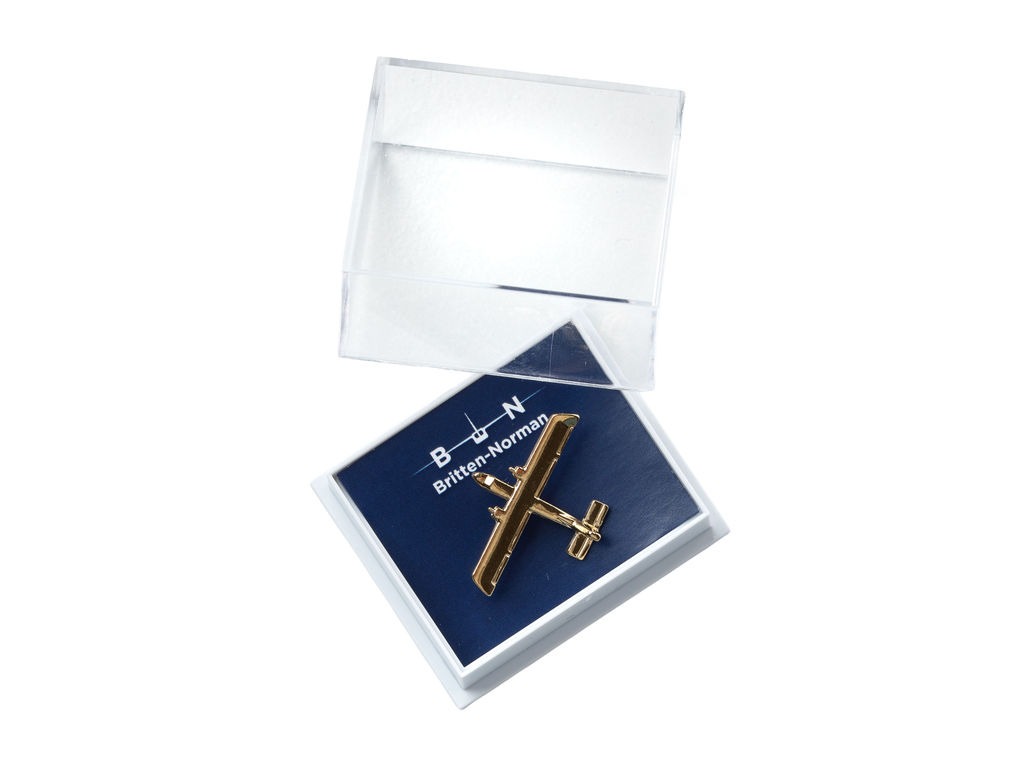
Our Britten-Norman Islander pin badges are now available on the website!
Featuring the iconic silhouette of the legendary Islander, this high-quality pin is the perfect way to celebrate an aircraft that has connected communities around the world for decades.
Shed and Buried Classic Helicopter
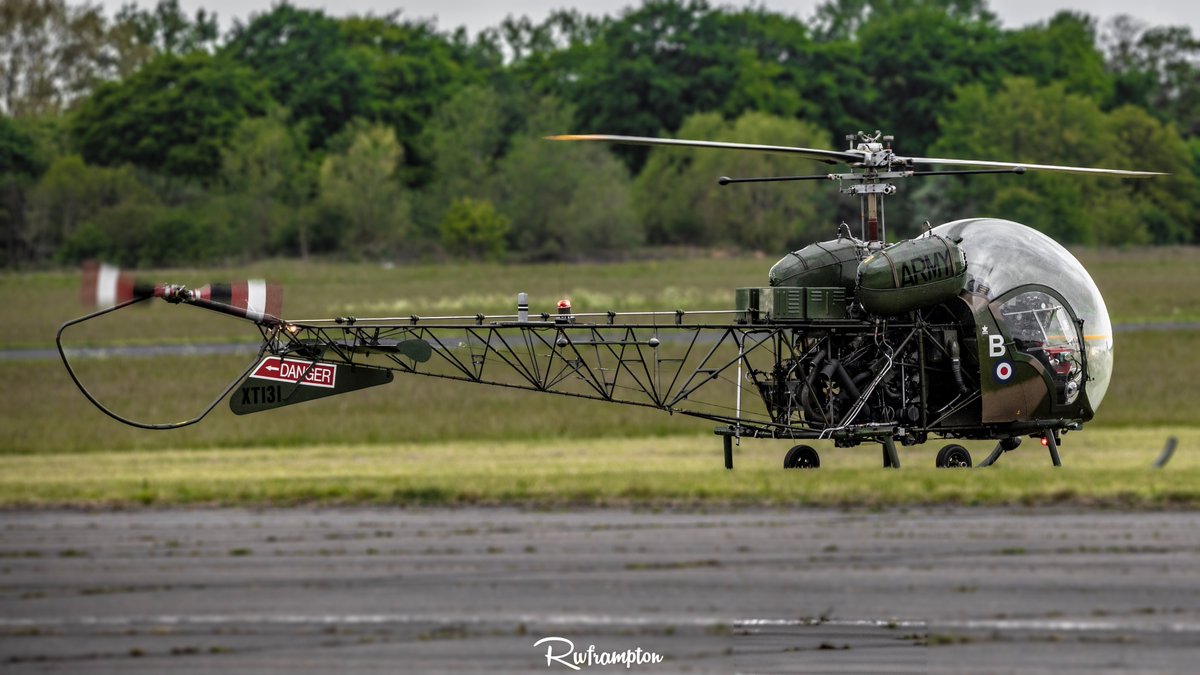
See our involvement in Henry Cole's restoration of XT151, the last Bell47 to fly with the British Army.
Available to watch on demand on Discovery+
To help us keep XT131 flying please consider donating https://t.co/JYYzGAtqJR
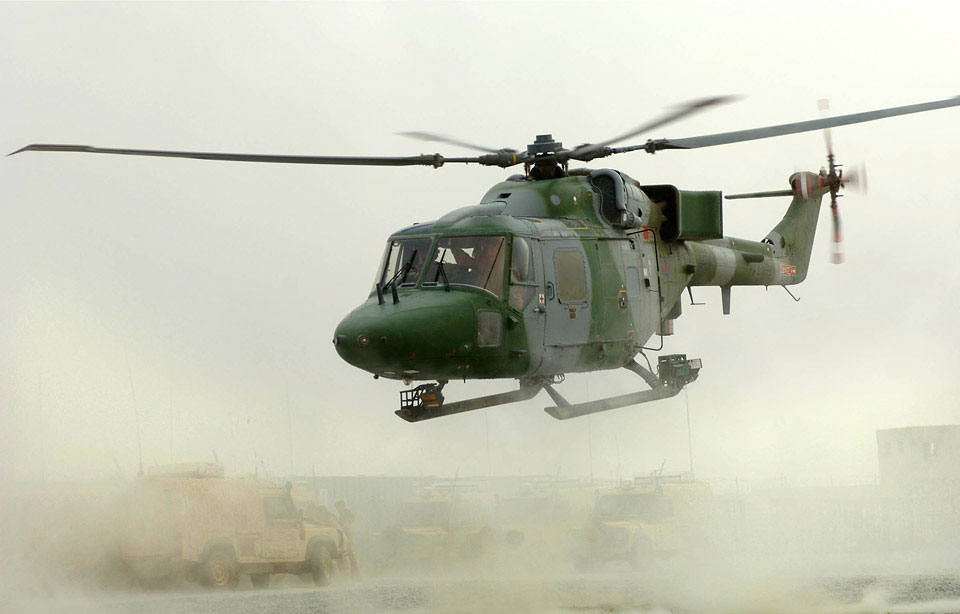
It’s strange to think that Westland’s world-beating Lynx is now a historic helicopter in the UK https://t.co/AvqgUhNPsG
Image credit: Michael Miskin
#lynx#aviation#avgeek
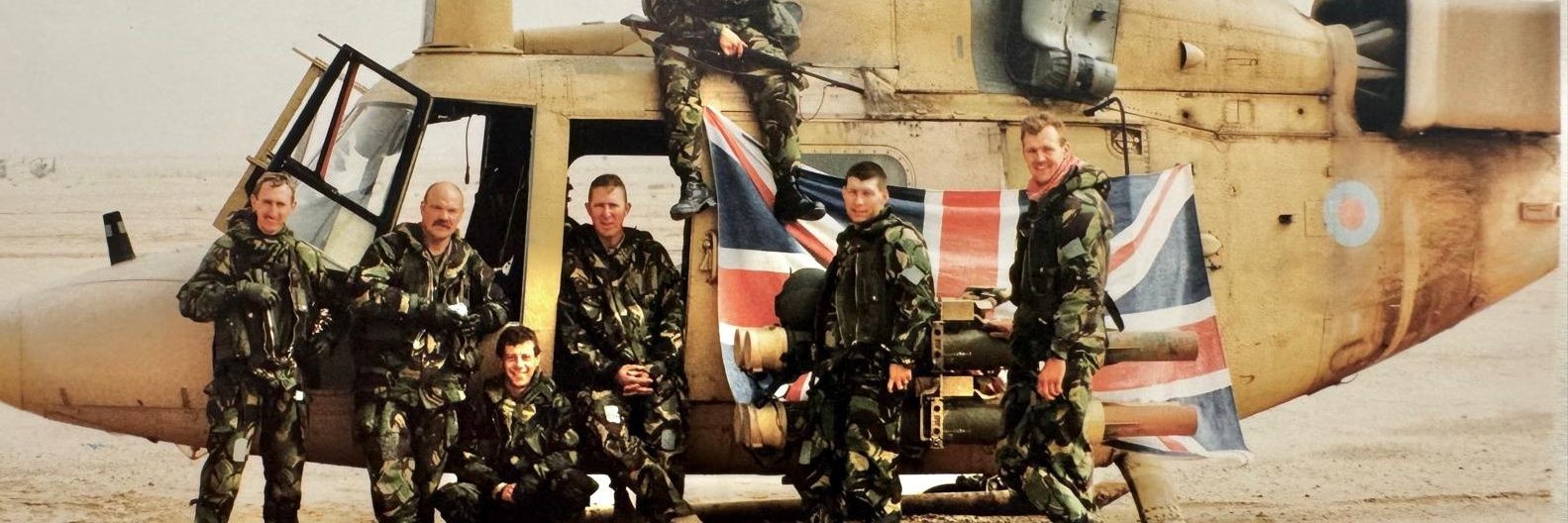
Thank you to everyone who contributed to the Ops Normal chapter covering AAC Operational experiences during Gulf War 1 (1991). It's now being edited, and we are on our final chapter, Ops in Iraq post 2003... feel free to contribute!
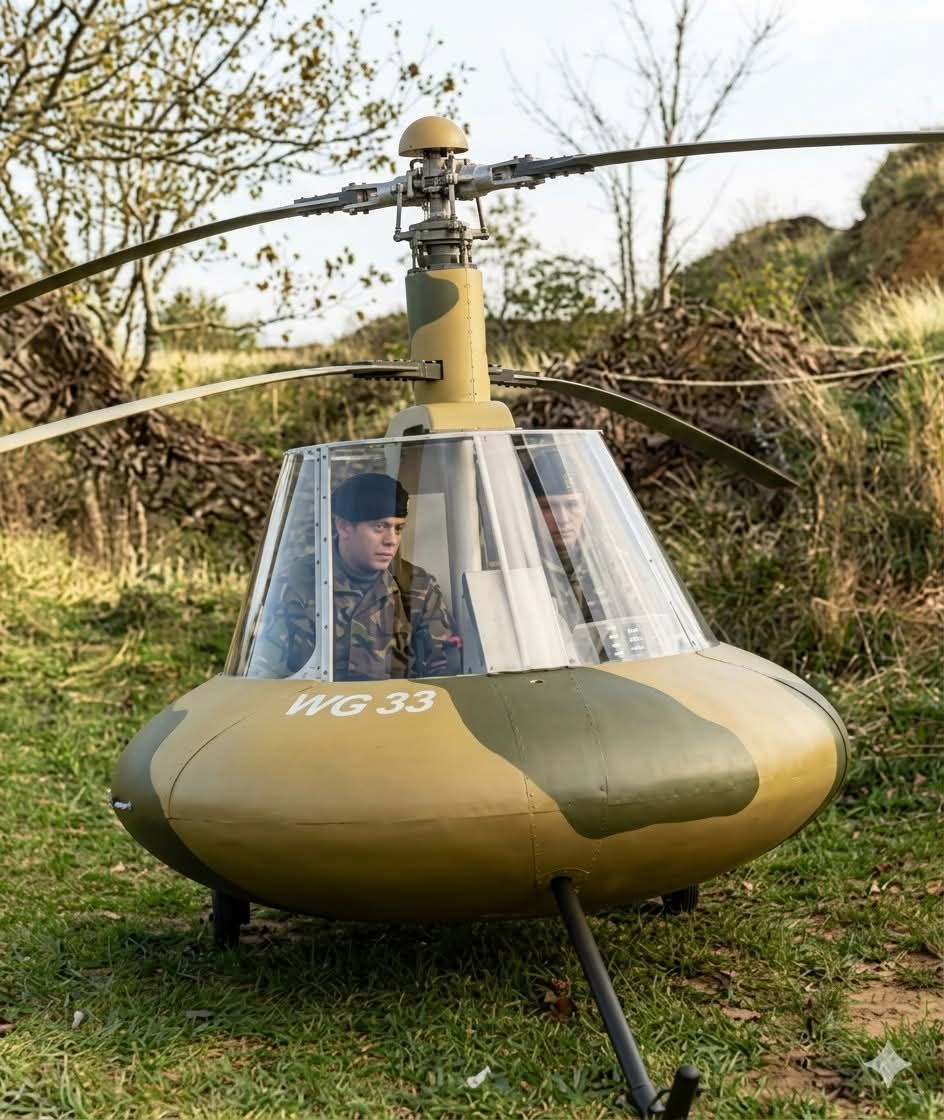
Manned drones?
This bizarre little device was the Westland WG T33, a two-seat light observation helicopter from the late 1970s.
A full scale mock-up was the pinnacle of its development, which is now on display at the Helicopter Museum in the UK. https://t.co/jgMAs9kl7U