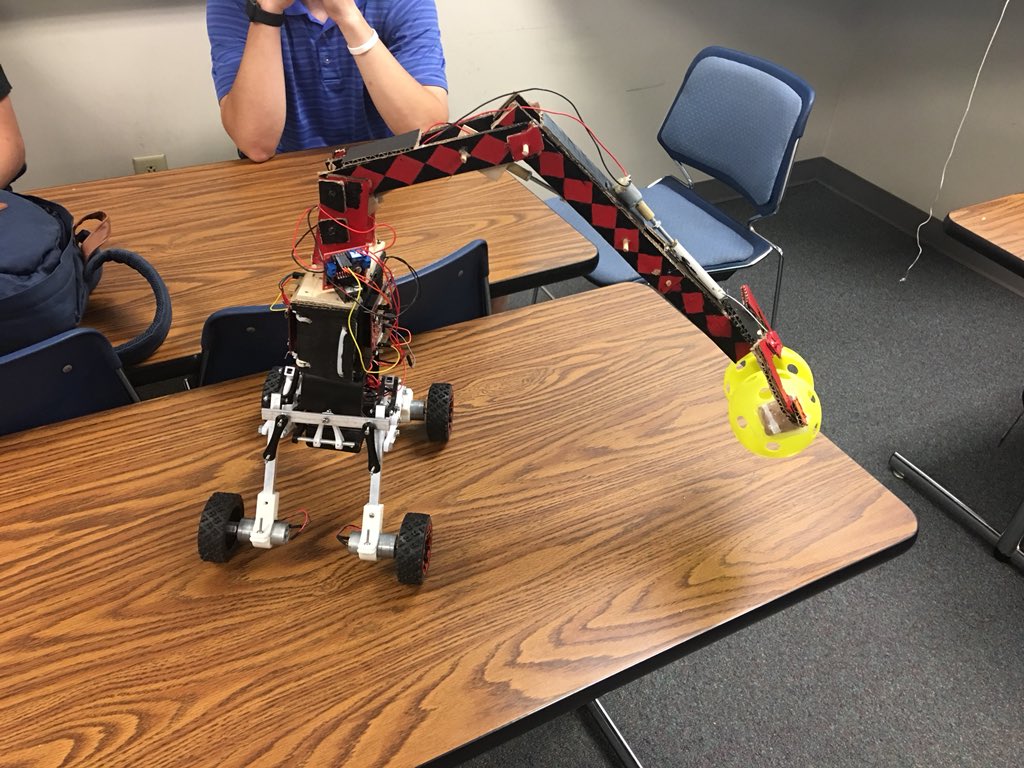
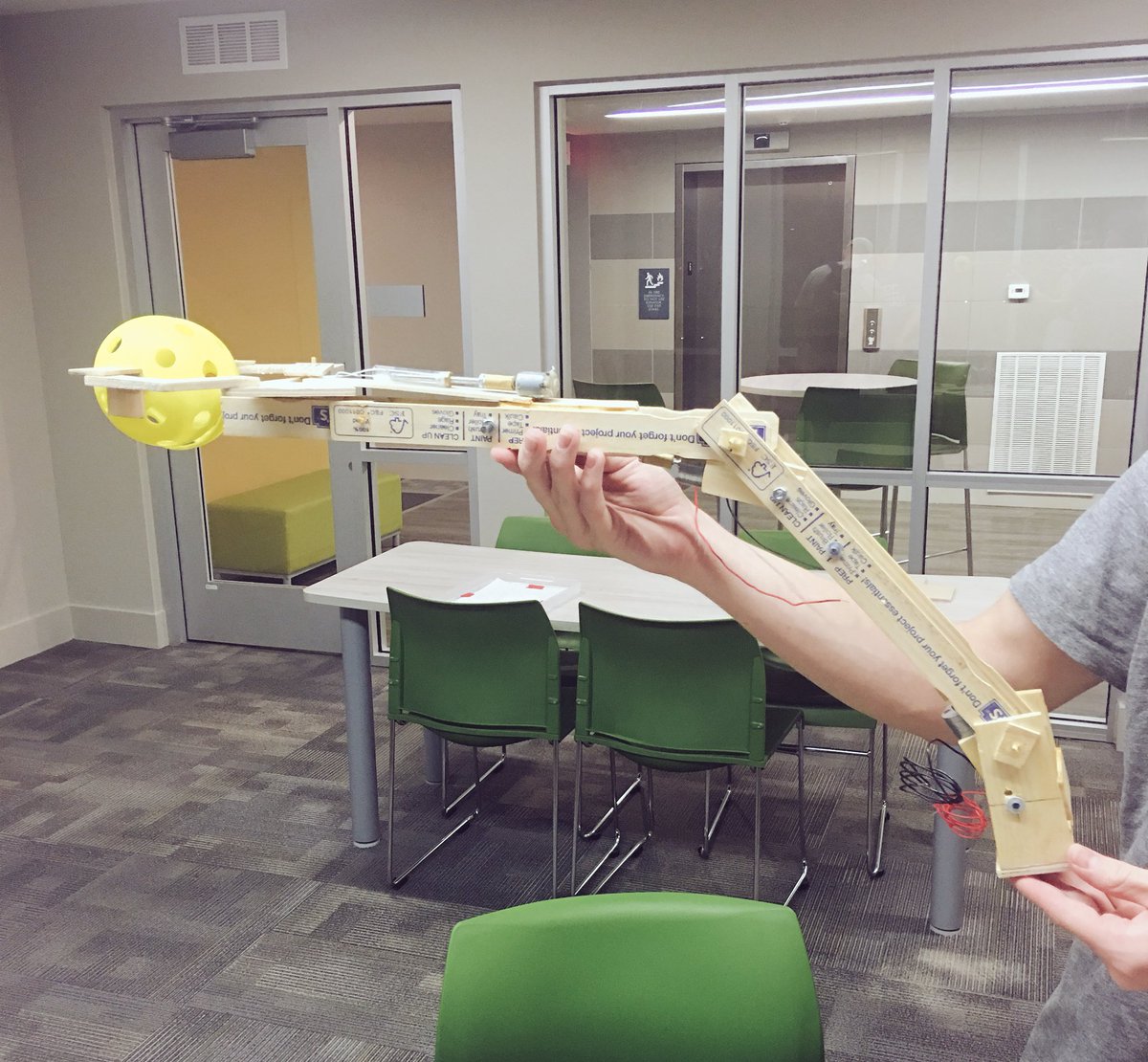
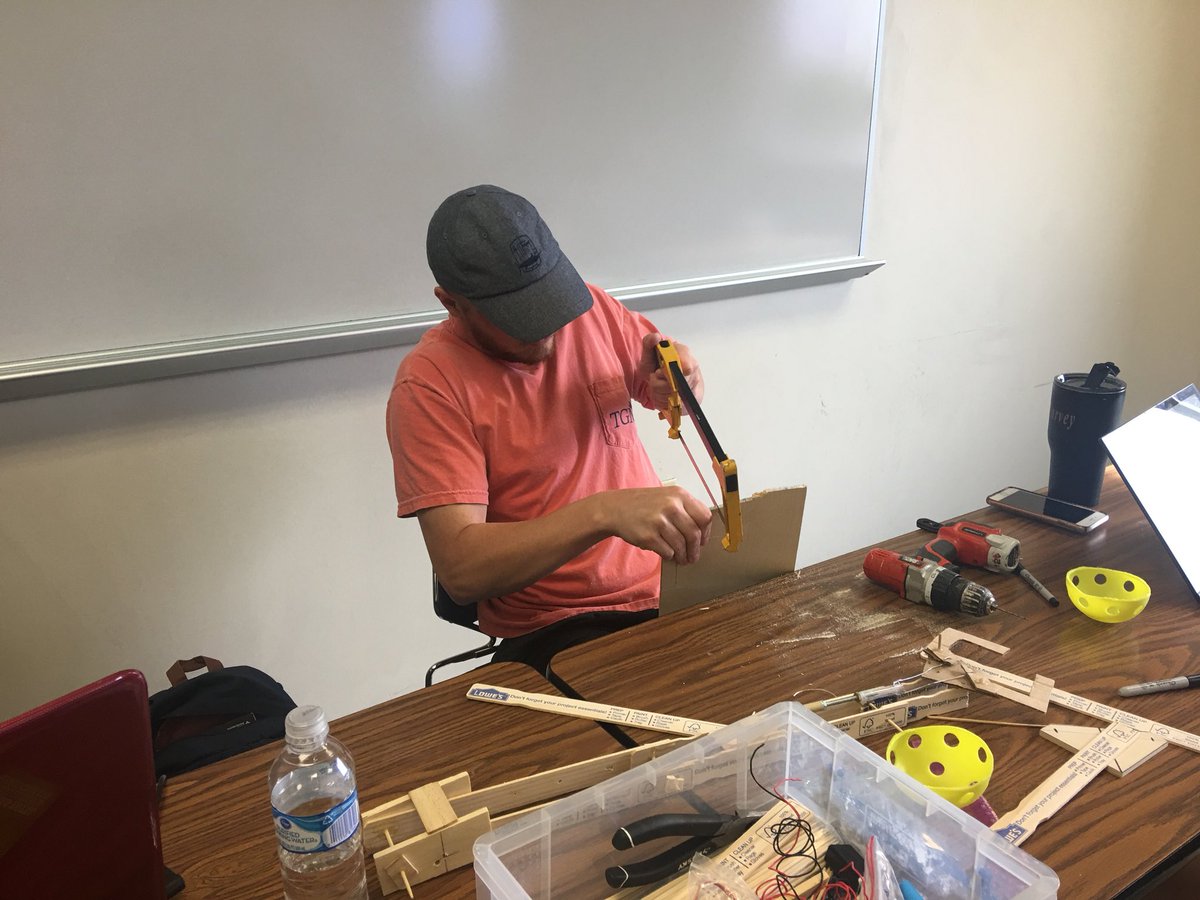
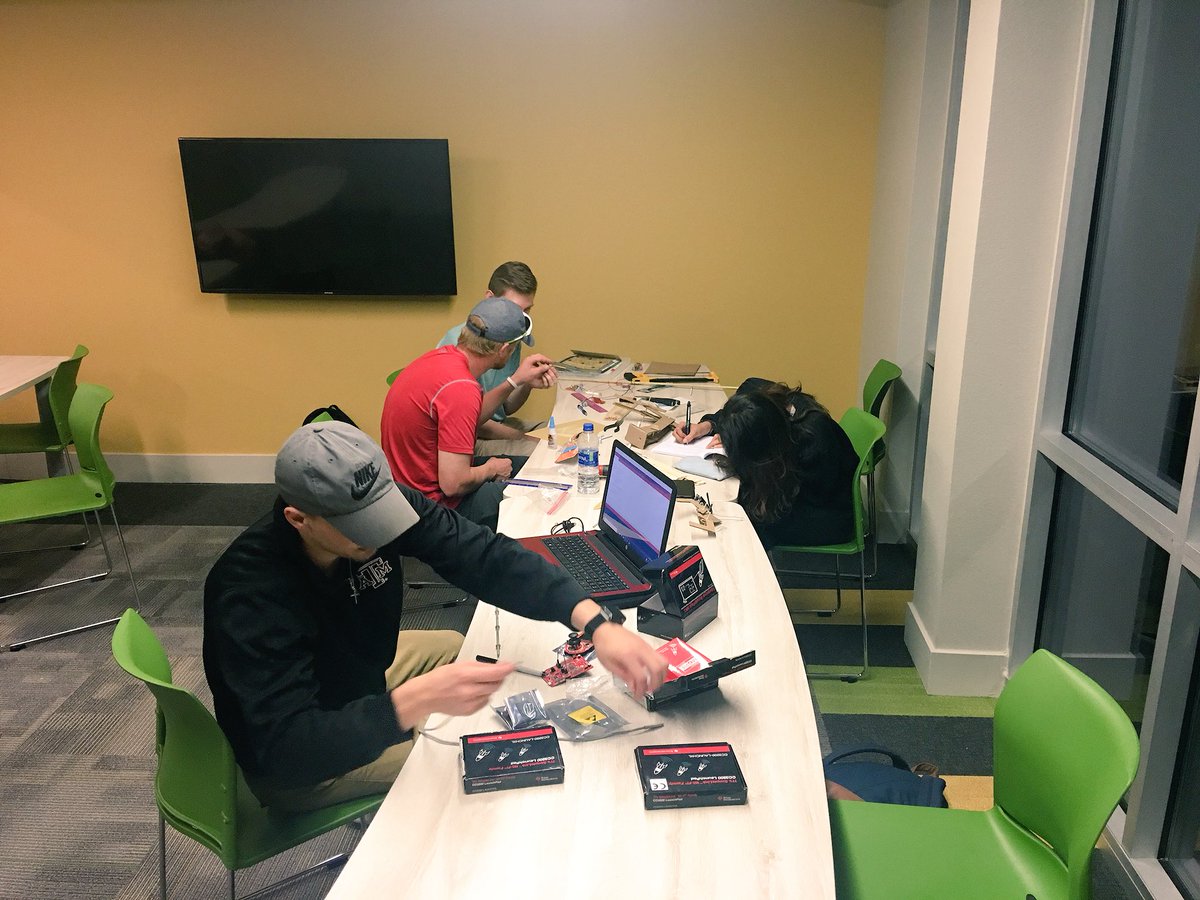
We are done our first step in engineering. We got a huge experience in engineering in this semester. Thanks to @blinngineer for helping us in our project. Thank you for following this Optimus’ page. Kind regards, Turarbek B., Kashika J., Carson S., Zander G., Justin H.
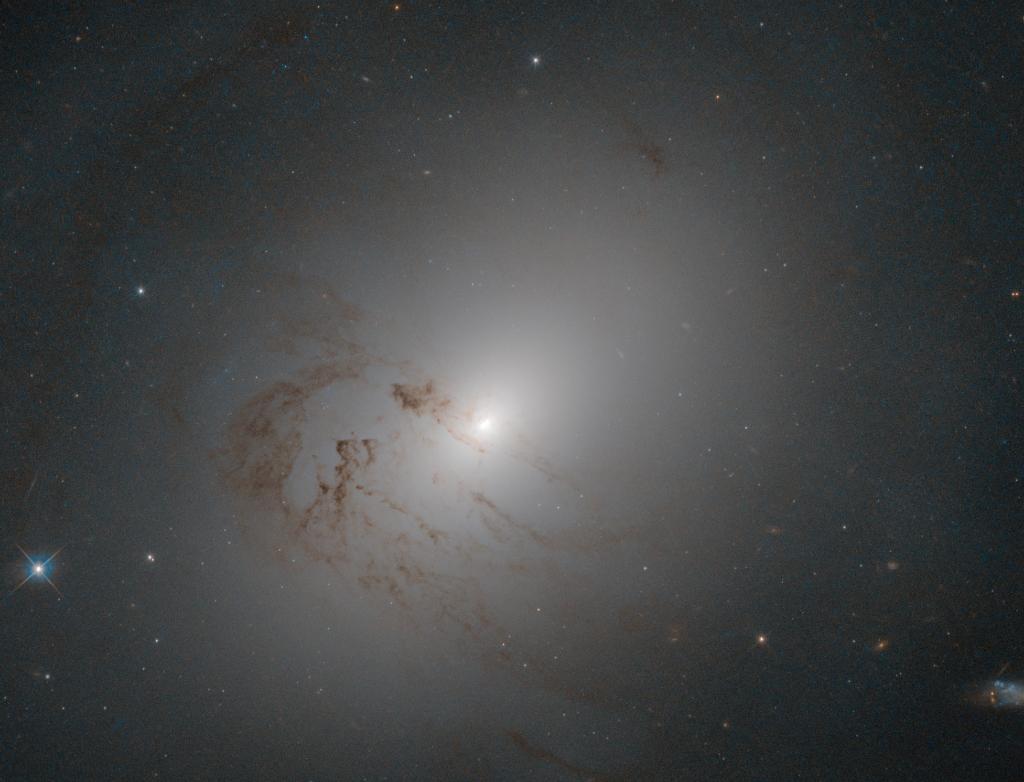
Located ~80 million light-years from Earth is this cloud-like object, seen by our @NASAHubble telescope. The complex dynamics of the gas in the galaxy suggest that it may have had a turbulent past, including mergers and interactions with other galaxies: https://t.co/fIzm7mj6o4
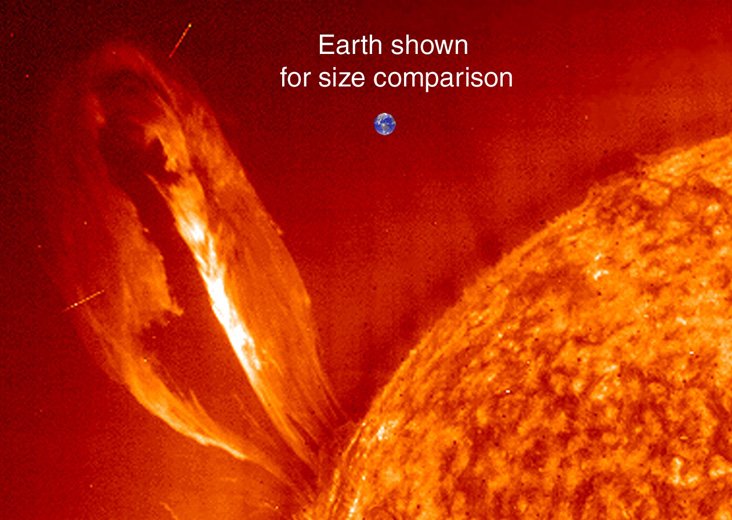
This isn't an actual picture of planet Earth next to our Sun, but it does give you perspective of how massive our closest star really is. If the Sun were as tall as a typical front door, Earth would be the size of a nickel! More facts for #EarthDay: https://t.co/jtHh5SlOQE
Launching Monday, our planet-hunting @NASA_TESS spacecraft will fly in a unique orbit that'll allow it to study nearly the entire sky over 2 years. This special orbit is key in potentially finding thousands of new planets outside our solar system. Watch:
Imagine this: traveling safely at the speed of sound, getting to your destination faster & flying with significantly less noise. Our @NASAAero innovators are creating an experimental aircraft that could make supersonic flight over land possible. Learn more https://t.co/IbPICaeEJn
More than halfway across the universe, an enormous blue star nicknamed Icarus is the farthest individual star ever seen. Using gravitational lensing, Hubble was able to pinpoint this faraway star and set a new distance record: https://t.co/eylSuu296c