Thinking about 3rd Ed. QUESTION: which new mechanism is worth adding??? Please share your thoughts! 🙏☺️🙋♂️100 Must-Know Mechanisms 2.0!!!➡️ https://t.co/qpnjflM1hb
Many young people seem to think that an academic career is a great idea in 2026.
This is your periodic reminder that a lot of people (often in an invisible manner) serve the system as cheap labour until they are exhausted and fall out.
When choosing a career, do not look at how well the top 1% do. It is likely you won't be in the top 1%. Look at how well the median person does.
You may not care about having a high income and lots of employment opportunities when you are 19 or 21... but by the time you are 31 or 41, you may feel differently.
Importantly: watch where the crowd is going, and DO NOT necessarily follow. Economics dictate that your conditions are likely better if you go where the supply of jobs far exceeds the demand for jobs.
Also, make sure you get good sources of information. Do not trust the ads and the often repeated mantras. Look for hard facts. Be critical. Have beers with people who speak the truth. Pay attention to details.
Right now, there is no technology to always accurately distinguish scientific papers written using AI from purely human papers. But this may change in the future. Be honest about AI use in your papers now. It's the safest path to avoiding future accusations of AI plagiarism.
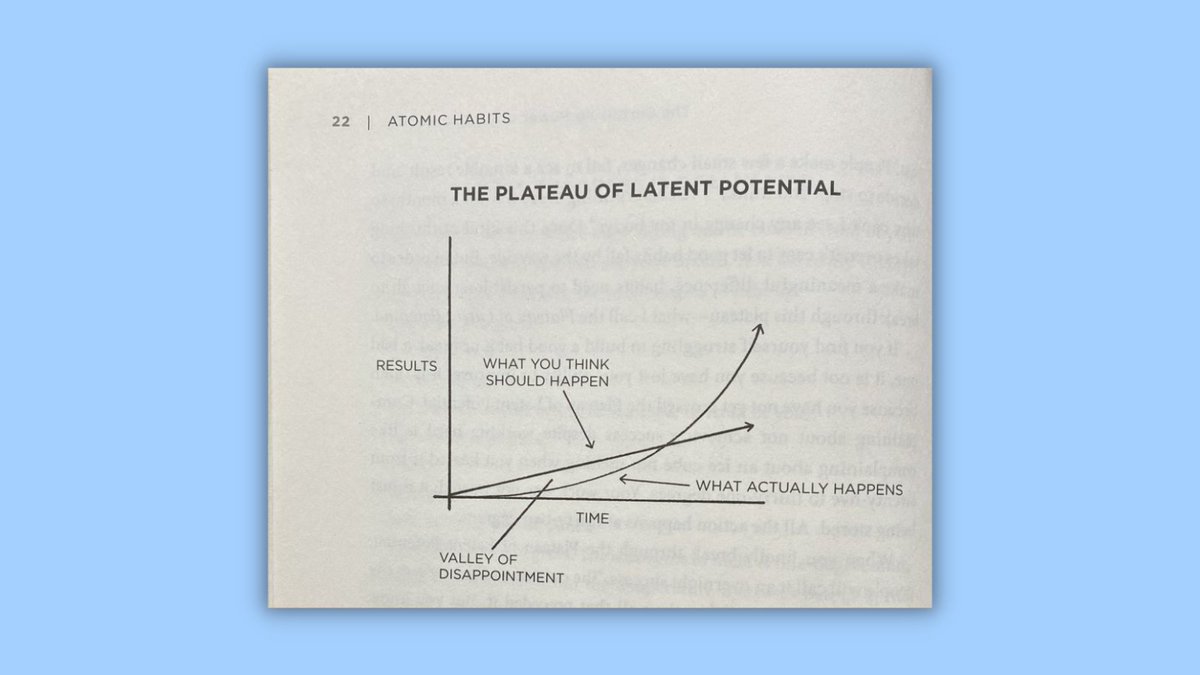
Clear calls the time between the point we start a habit to the point we start seeing its first results "the plateau of latent potential."
Most people remain stuck within this plateau.
To see the results of any habit, we must cross the plateau of latent potential.
With so little money to go round, the costs of competing for grants can exceed what the grants are worth. When that happens, nobody wins.
https://t.co/lxtBSmuYmj
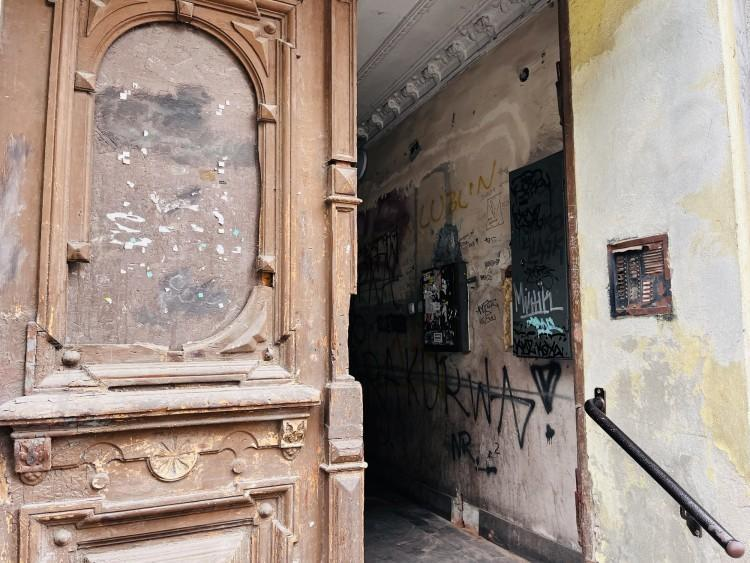
„Domy strachu” we Wrocławiu. Kurierzy boją się tam wchodzić
Henryka Pobożnego, Ołbińska, Prądzyńskiego, Kościuszki, Rydygiera, Łowiecka, Komuny Paryskiej – te ulice padają z ust kurierów bez zastanowienia.
Zamiast zapachu świeżo pomalowanych ścian - wilgoć i stęchlizna. Zamiast ozdobnych balustrad – spróchniałe, trzeszczące drewniane schody. Do tego tynk sypiący się z każdej strony, ściany umazane bohomazami, wybite szyby i podwórka, na których kręci się podejrzane towarzystwo. Tak wciąż wygląda część wrocławskich kamienic, mimo że inne, często stojące tuż obok, przeszły już metamorfozę.
https://t.co/QLRDzWLZoS
#Wrocław
And the product that comes out of all the suffering and scarcity isn't even good (not reproducible usually and <10% translatable to real world) and the experience and skillset (R&D) is usually considered non-essential businesswise as a result...
Is no one else thinking yet that this ISN'T JUST A FUNDING PROBLEM?
... and we need to RE-IMAGINE THE WAY WE DO RESEARCH FROM THE GROUND UP!?
Time to quit merely complaining and start RESHAPING AND REFORMING!
@littmath 1) Equal distribution of micro funds to as many researchers as possible. 2) Then, granting big money for applied projects but only after thorough examination. 3) And professional scientists instead of new PhD students in all competitive fields. It can make sense.