@Wamballup That is my observation also that well grazed stubbles have less mice issues but as others have said not always the solution when bumper yields have left enough grain to drive the mouse feedlot. How many mice for 1 DSE?
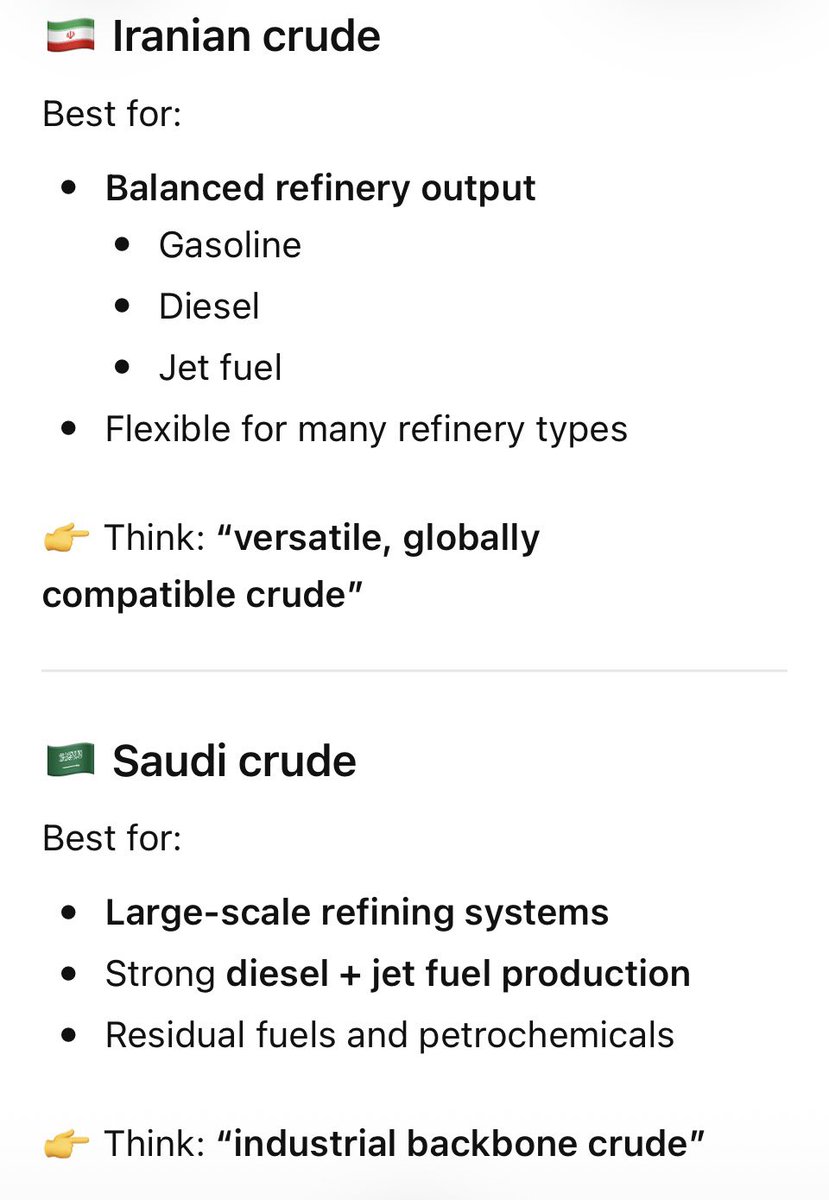
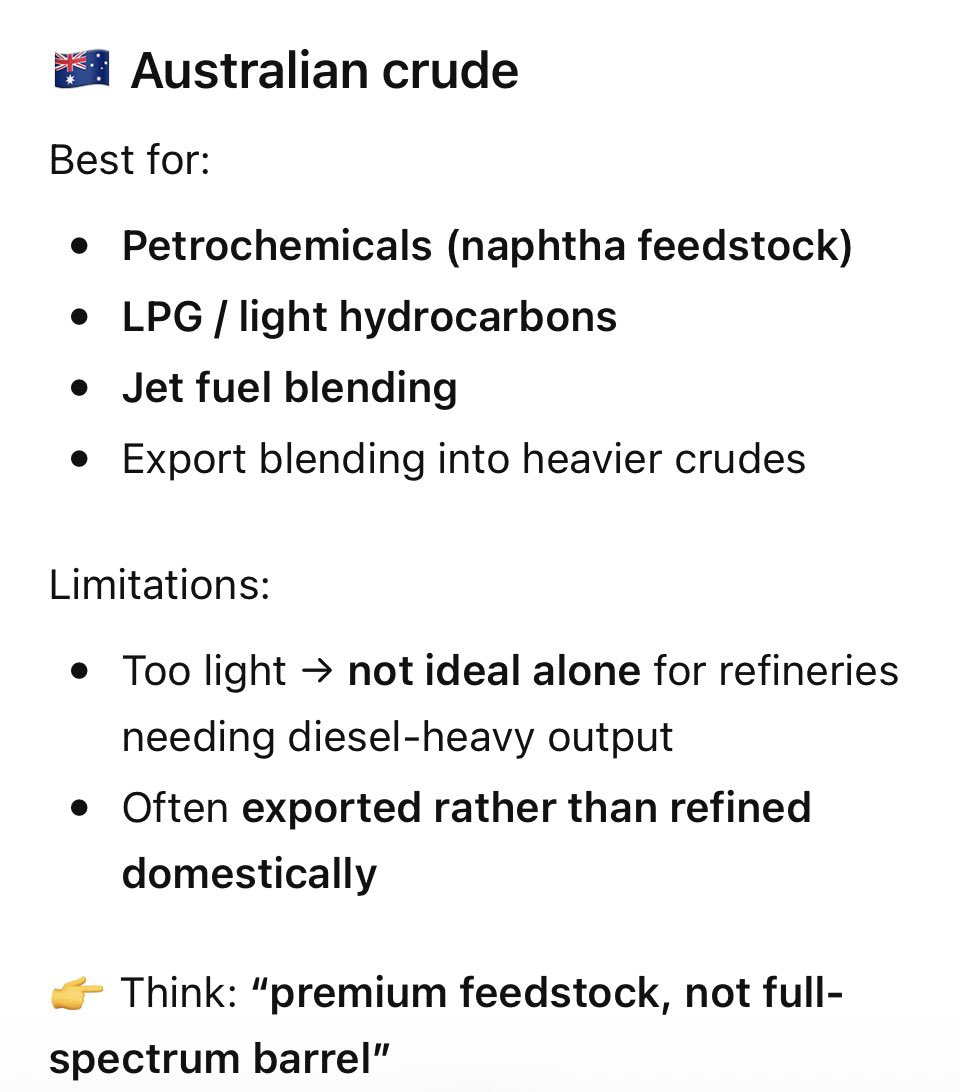
@Tedthekelpie@S_M_Bowman There are different qualities of oil as well, suited to different und uses, australian is light sweet crude as compared to heavier options from the gulf. Would not be a complete solution
@HoolyMcg@MeredithGuthr15@gsandral@DPIRDbroadacre I guess i don't discriminate when it comes to moisture, if it is wet enough to sow a crop then away we go. not waiting for a cold front to kick things off. I thought you would have had more issue with the trigger being 15mm instead of 20mm like it used to be
Agricultural businesses in the northern Ag region of WA are under serious threat. In my experience, label rates of registered baits are not enough to control a population that has gone exponential. Recent inspections of baited paddocks show significant removal of planted seeds despite recent baiting after seeding - in fine weather. Growers will need to apply baits more than once, which is costly. The common sense approach would be to have registered mouse baiting products that have a rate range on the label, where higher rates can be used for higher pressure. Emergency permits required asap.
@APVMA@GRDCWest@theGRDC
Have you ever wondered who the real pioneers of direct-drilling were in WA? My clever friend @JoFulwood recently earned her PhD looking into this topic. It’s worth a read.
https://t.co/cMzhHpCNmO
@paper_collar@ipaddockapps@agrobaz@eyres_N@bentags@GRDCNorth Every year is different, grazed paddocks, burned stubbkes and dry sown crops were what maily blew in 18 with three strong windy fronts with no rain. Clayed country and ungrazed stubbles were most resilient
@SimonCotter62@soupercocky@logue_phil When it costs more to local manufacture. Consumers in a free market economy choose cheaper options. I don’t see too many ‘patriotic’ consumers prepared to pay a premium for locally produced products when they are trying to balance a budget
If you crushed 500 tonnes canola to get around 200,000L oil then farms could become fuel self efficient, ingredients oil methanol and caustic soda and you have biodiesel. @logue_phil and some glycerine by product
@LizSchmitt @BettaworldKaty That is a chemical tank and as such can contain oil based formulations and while will not be a good long term option will cope with fuel in the medium term