Elon Musk calling Raptor 3 “kind of alien technology” is spot on 🚀
He shared how even top propulsion pros looked at a photo of the Raptor 3 and went, “Wait, this engine looks unfinished—it’s missing stuff!”
Then came the reveal: “Nope, that’s the full thing… and it’s firing with efficiency levels we’ve never seen before.”
This isn’t just an upgrade—it’s a total game-changer for rocket engines:
• Ditches the traditional base heat shield entirely → slashes weight, boosts long-term reliability during re-entry
• Minor fuel leaks? No panic—they vent straight into the open plasma and burn off harmlessly (unlike older boxed designs where they’d be a disaster)
• Unlocks way higher payload to orbit, better fuel efficiency, and overall rocket performance
• Radically fewer components and a cleaner layout, yet it delivers massively more power and capability
• Secondary cooling loops, sensors, and electronics are all baked right into the engine’s structure—no external clutter, everything protected and streamlined
Pure first-principles brilliance from the SpaceX team. This thing looks minimalist because it had to evolve beyond legacy thinking. Starship V3 with Raptor 3 is going to be insane.
O Raptor 3 não é uma evolução, é uma humilhação para a engenharia tradicional.
A SpaceX conseguiu remover quase toda a tubulação externa e o escudo térmico, criando um motor que pesa só 1525 kg e gera 280 toneladas de empuxo.
É a eficiência máxima da física aplicada em escala.
From Apollo to Artemis!
Check out this incredible side-by-side trajectory comparison of Apollo 11, 13, and Artemis II.
We’ve come a long way in our journey to the Moon! Which mission’s path surprises you the most?
Credit: ansys_inc
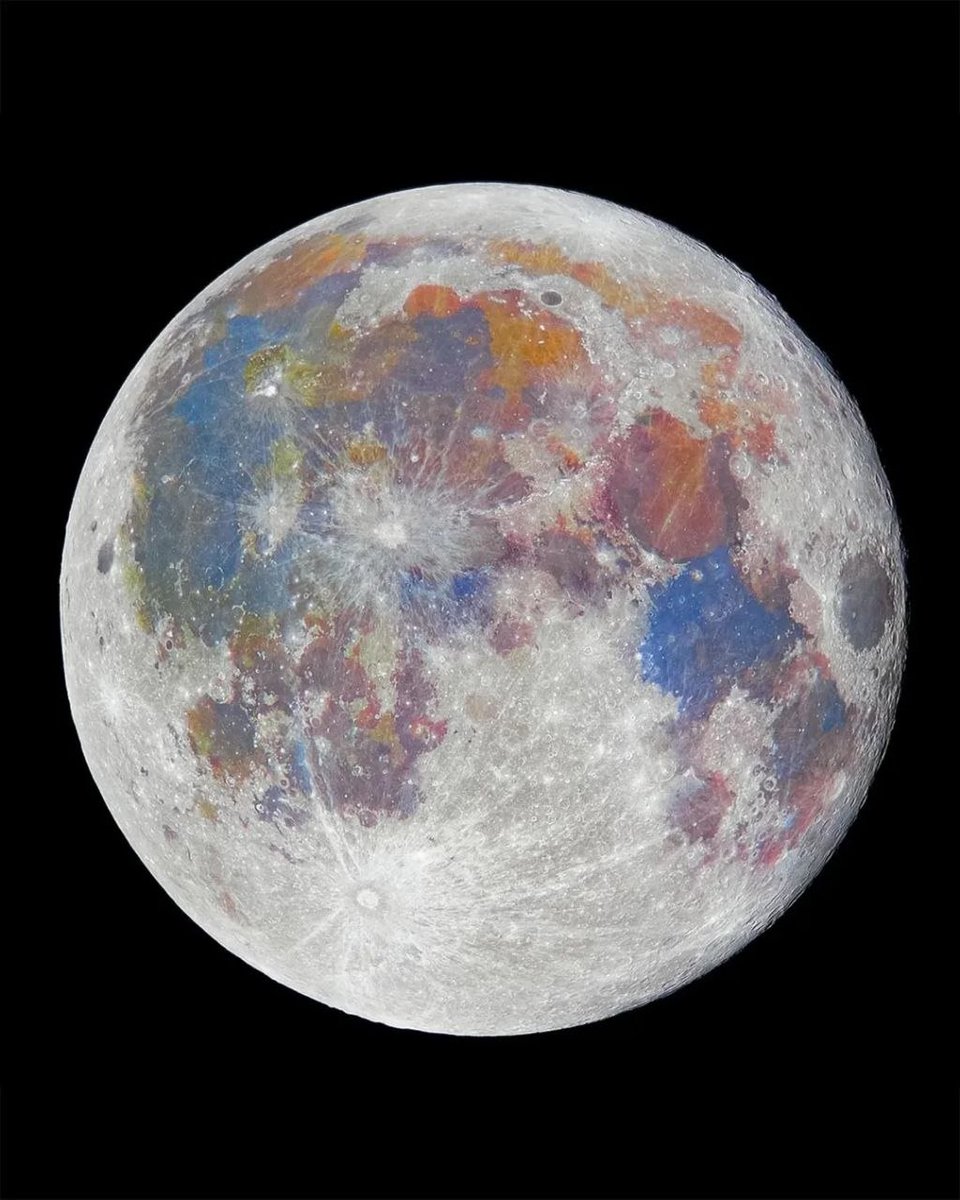
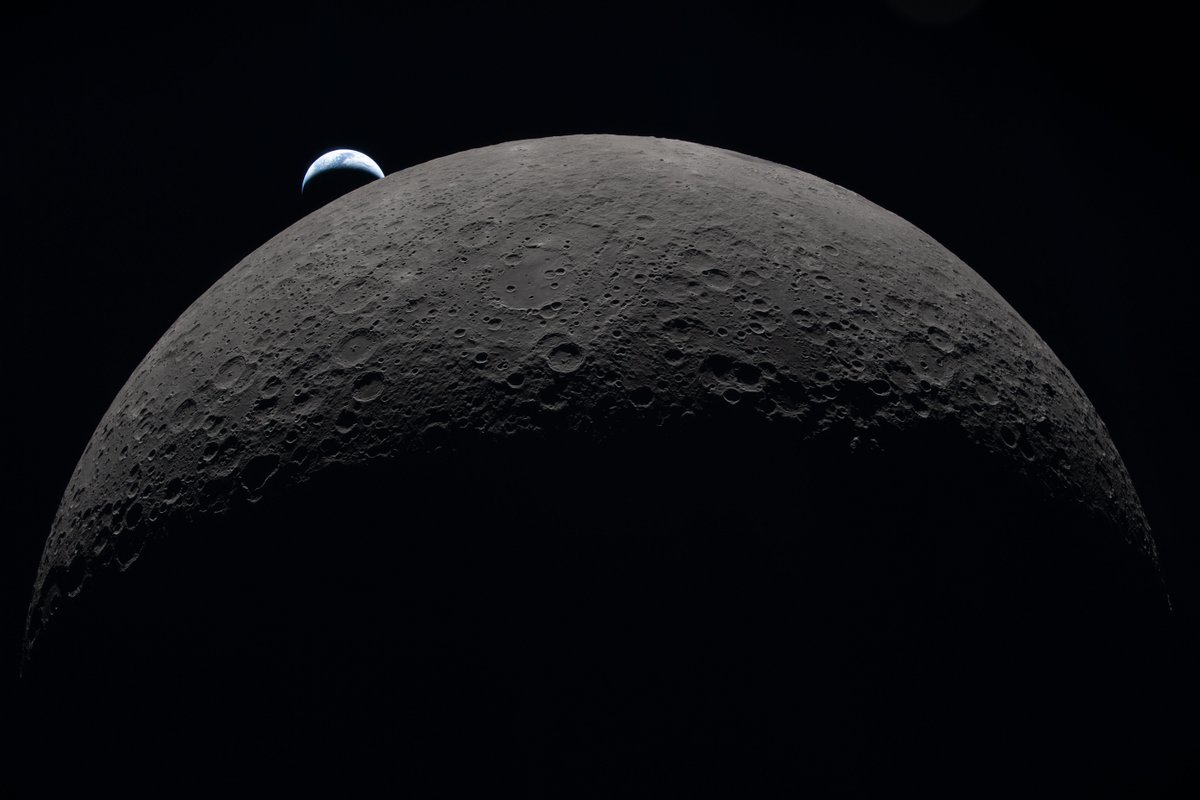
It's not just a phase 🌕
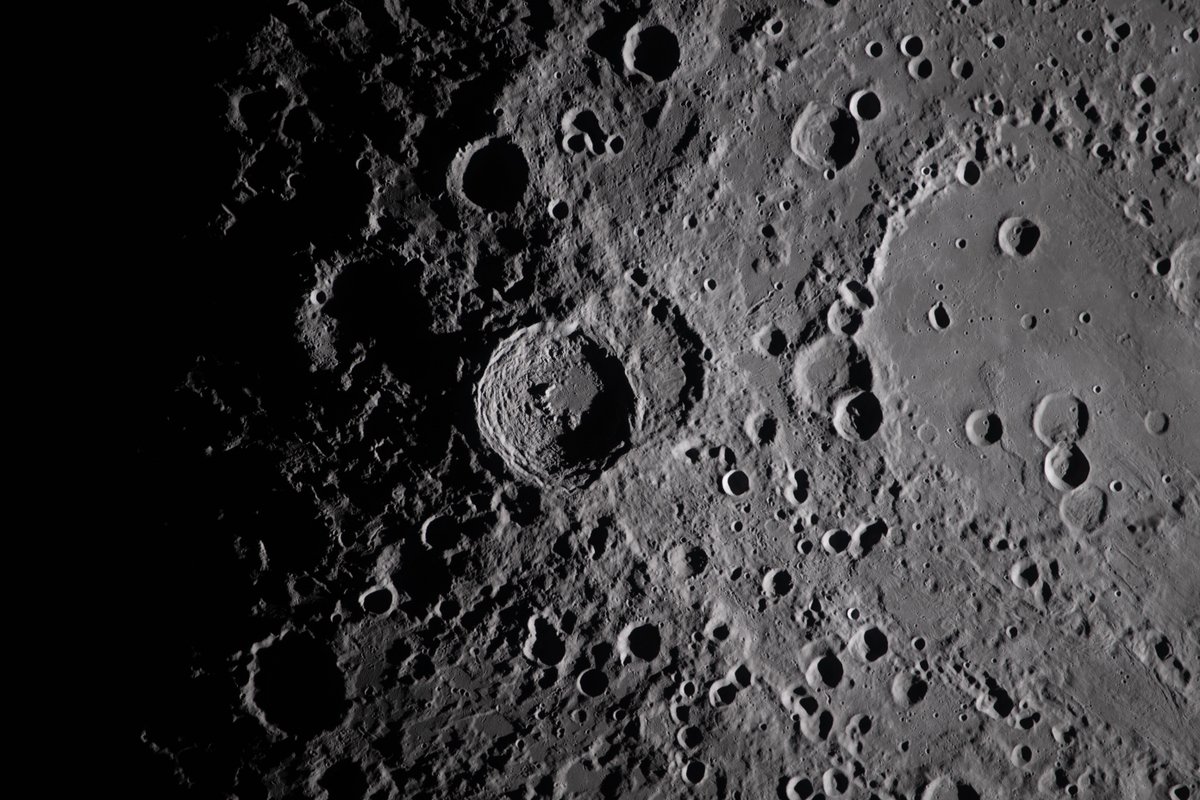
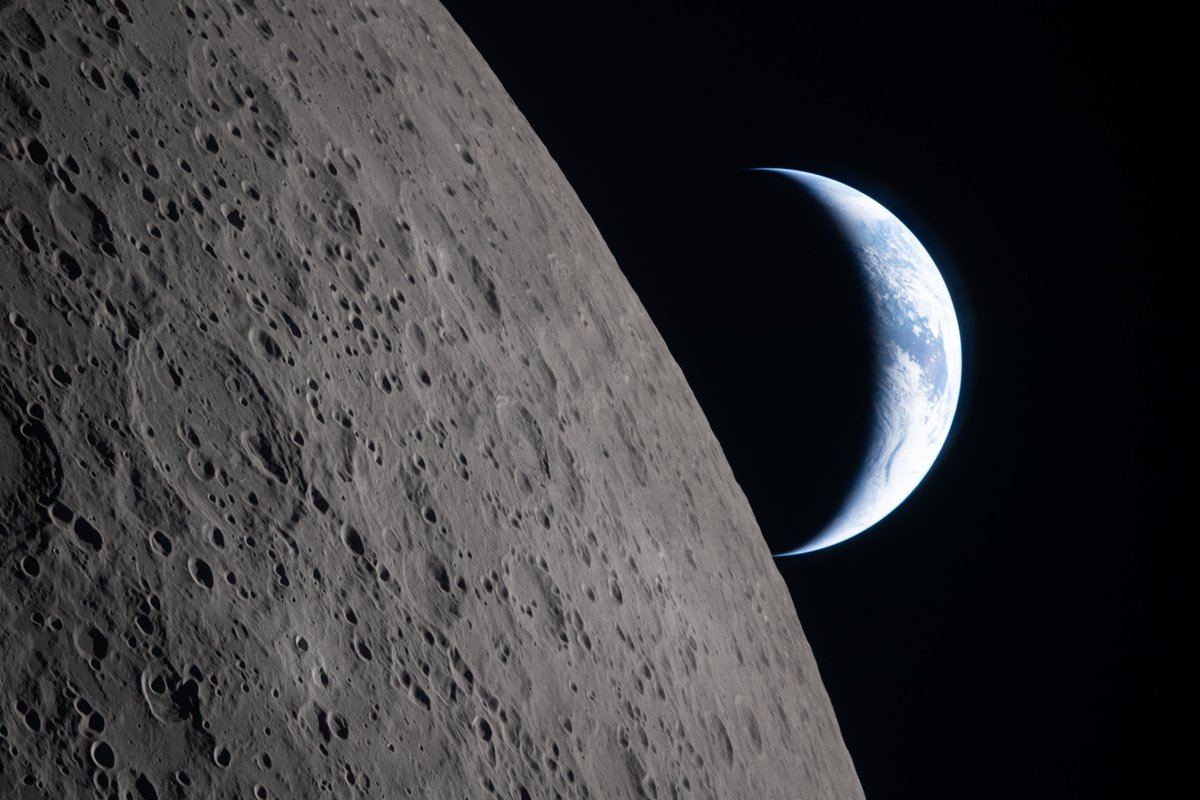
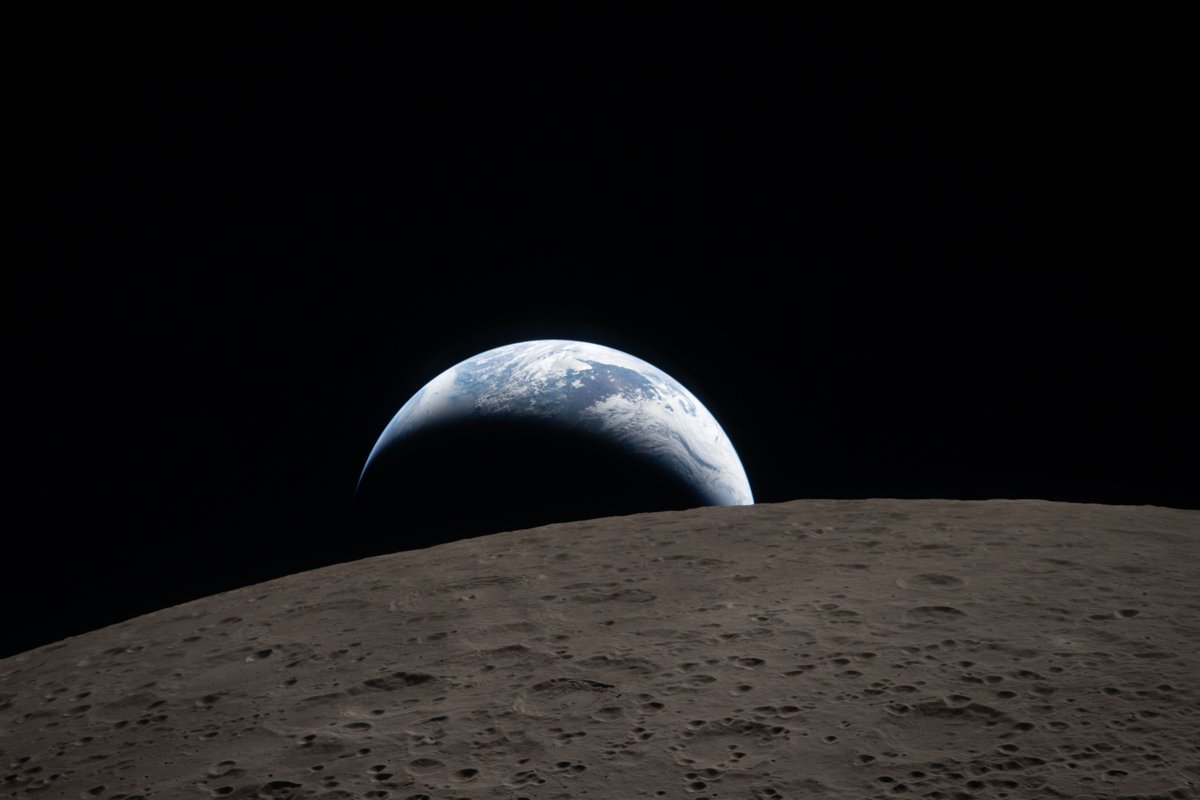
Artemis II astronauts captured these views of the Moon as the Orion spacecraft flew around the far side of the Moon on April 6, 2026.
Hello, Moon. It’s great to be back.
Here’s a taste of what the Artemis II astronauts photographed during their flight around the Moon. Check out more photos from the mission: https://t.co/rzM1P0QbOl
Estas son las imágenes más cercanas de la Luna jamás capturadas.
El módulo de aterrizaje lunar Blue Ghost de Firefly Aerospace orbita a tan solo 60 millas (100 km) sobre la superficie lunar, ofreciéndonos una vista impresionante como nunca antes.