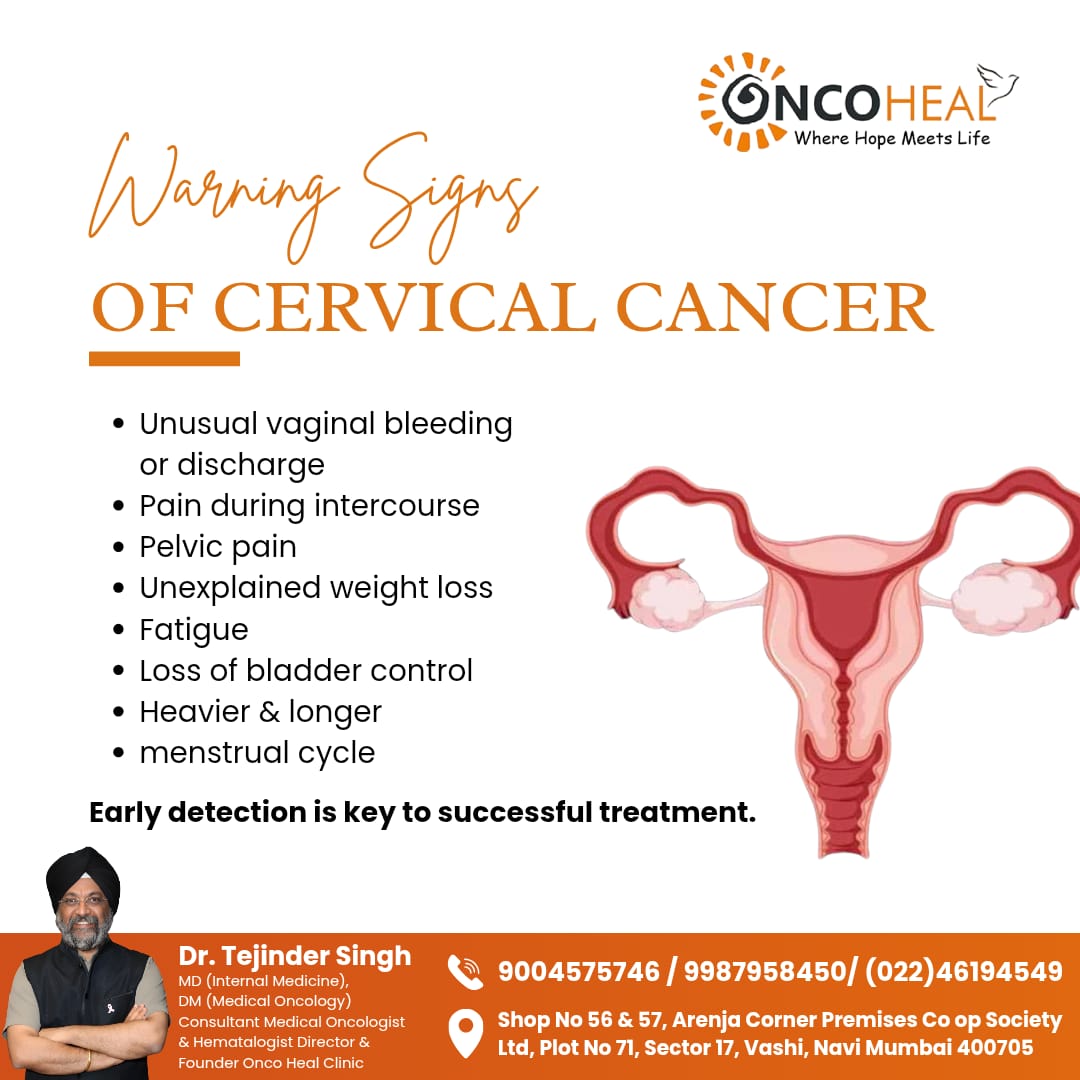
WARNING SIGNS OF CERVICAL CANCER
Early detection is key. Watch for unusual bleeding or discharge, pain during intercourse, pelvic pain, weight loss, fatigue, bladder control loss, or heavier periods. These symptoms need medical evaluation. Regular
Knowledge Shared Today, Better Cancer Care Tomorrow. A meaningful afternoon of learning and collaboration at Oncoheal’s Academic Exchange, where medical experts shared oncology insights and strengthened our commitment to better patient outcomes.
Happy Raksha Bandhan! Brothers and sisters may fight, tease, and annoy each other, but their love lasts forever. Celebrating endless fights, countless memories, and unconditional love. Happy Rakhi!
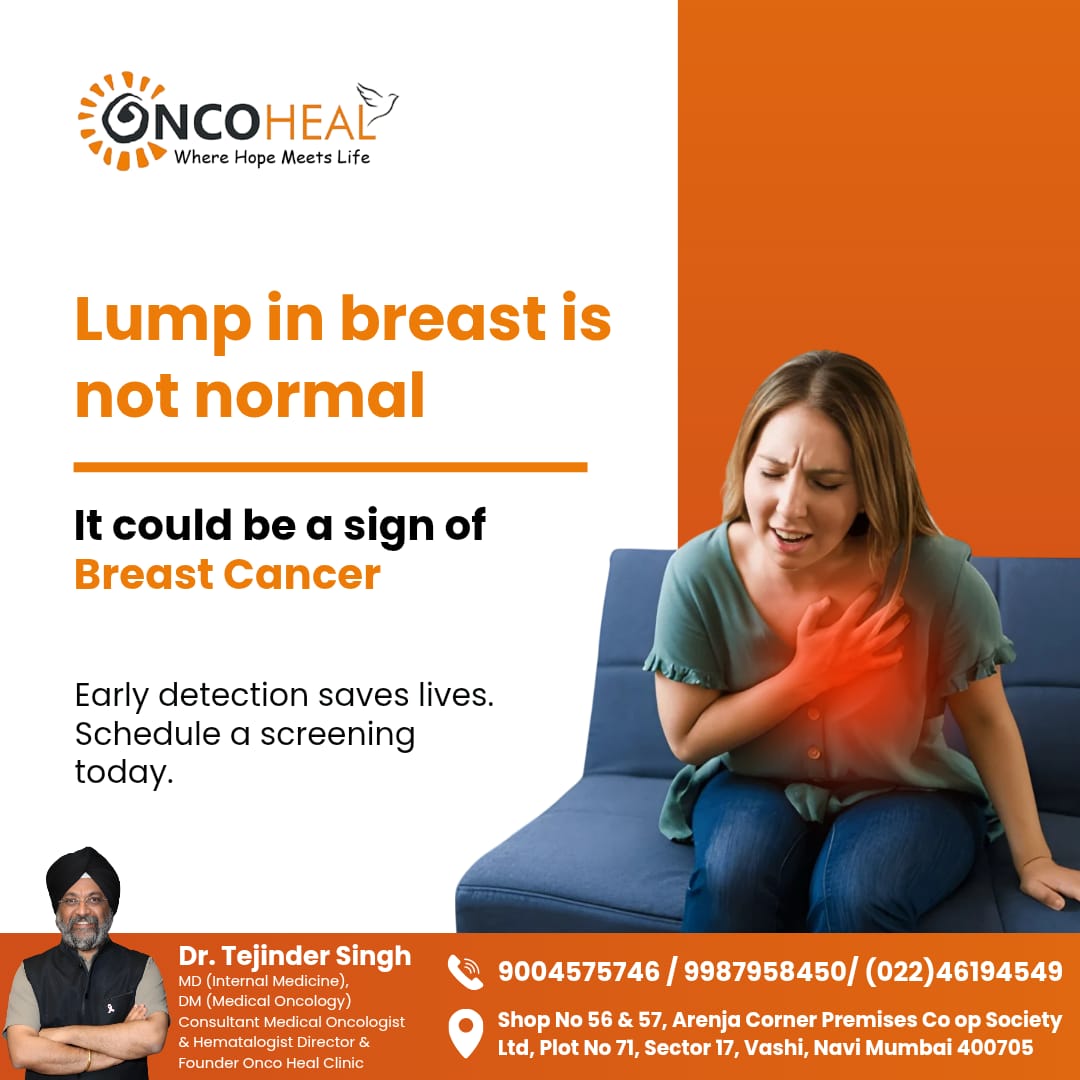
A breast lump is not normal and should never be ignored. Early awareness and screening can save lives. Watch for lumps, shape changes, texture changes, or unusual pain. Schedule a breast cancer screening today.
National Cancer Survivors Day honors the courage, resilience, and hope of every survivor. Your journey inspires us to cherish each moment, celebrate every victory, and embrace new beginnings.
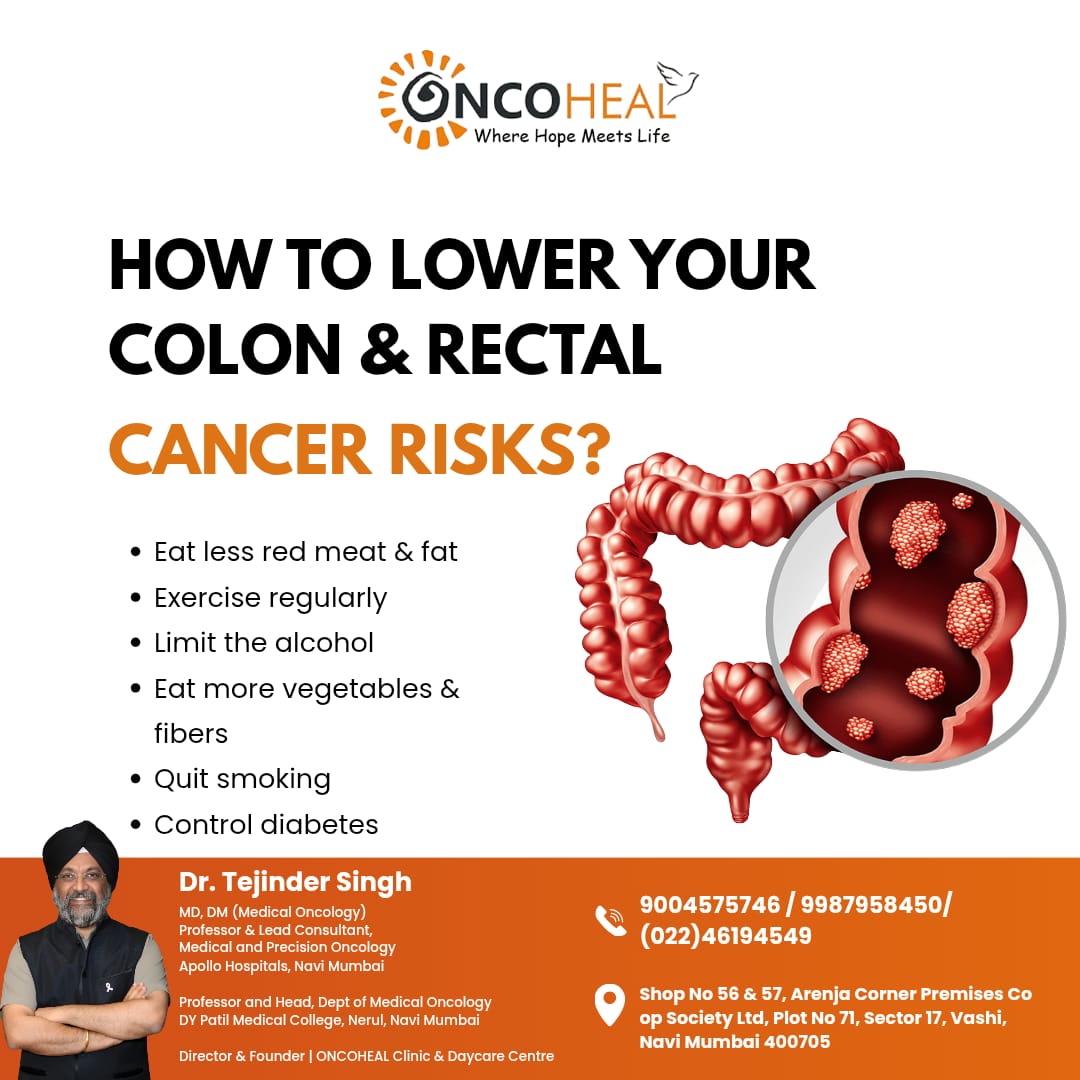
Lower your colon and rectal cancer risk with healthier daily habits: eat more fiber and vegetables, limit red meat and alcohol, exercise regularly, quit smoking, and manage diabetes. Prevention starts with awareness.
Don't ignore the warning signs of gum infection. Bleeding, redness, swelling, bad breath, or receding gums may need attention. Early dental care can prevent serious oral health issues. Consult a qualified dental professional if symptoms persist.
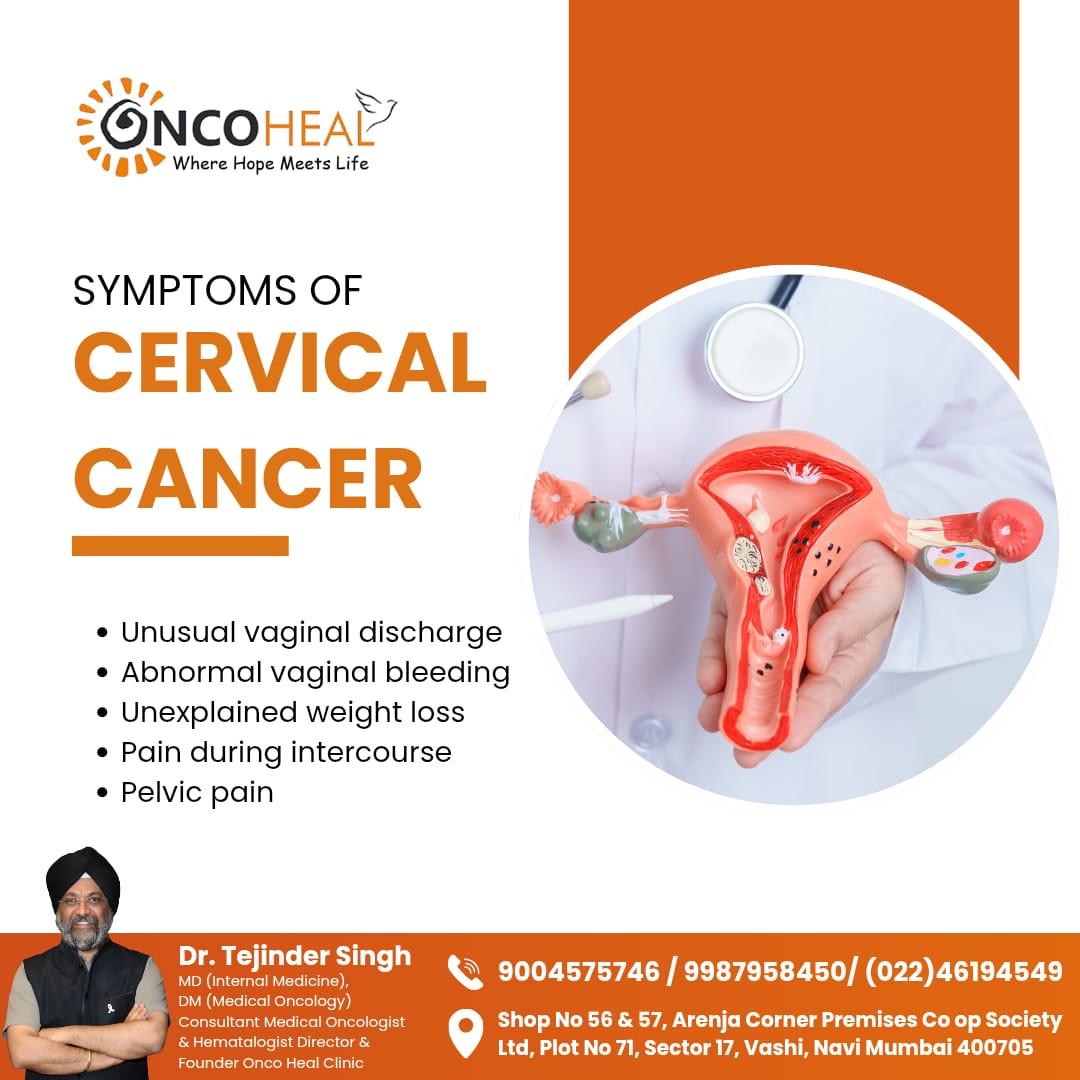
Cervical cancer may develop slowly. Watch for unusual discharge, abnormal bleeding, weight loss, pain during intercourse, or persistent pelvic pain. Don’t ignore symptoms—early screening and medical consultation can improve outcomes.
Lung cancer: early diagnosis and advanced care can improve outcomes. Treatment options include chemotherapy, targeted therapy and immunotherapy. Timely consultation with an oncologist supports personalized treatment and recovery.
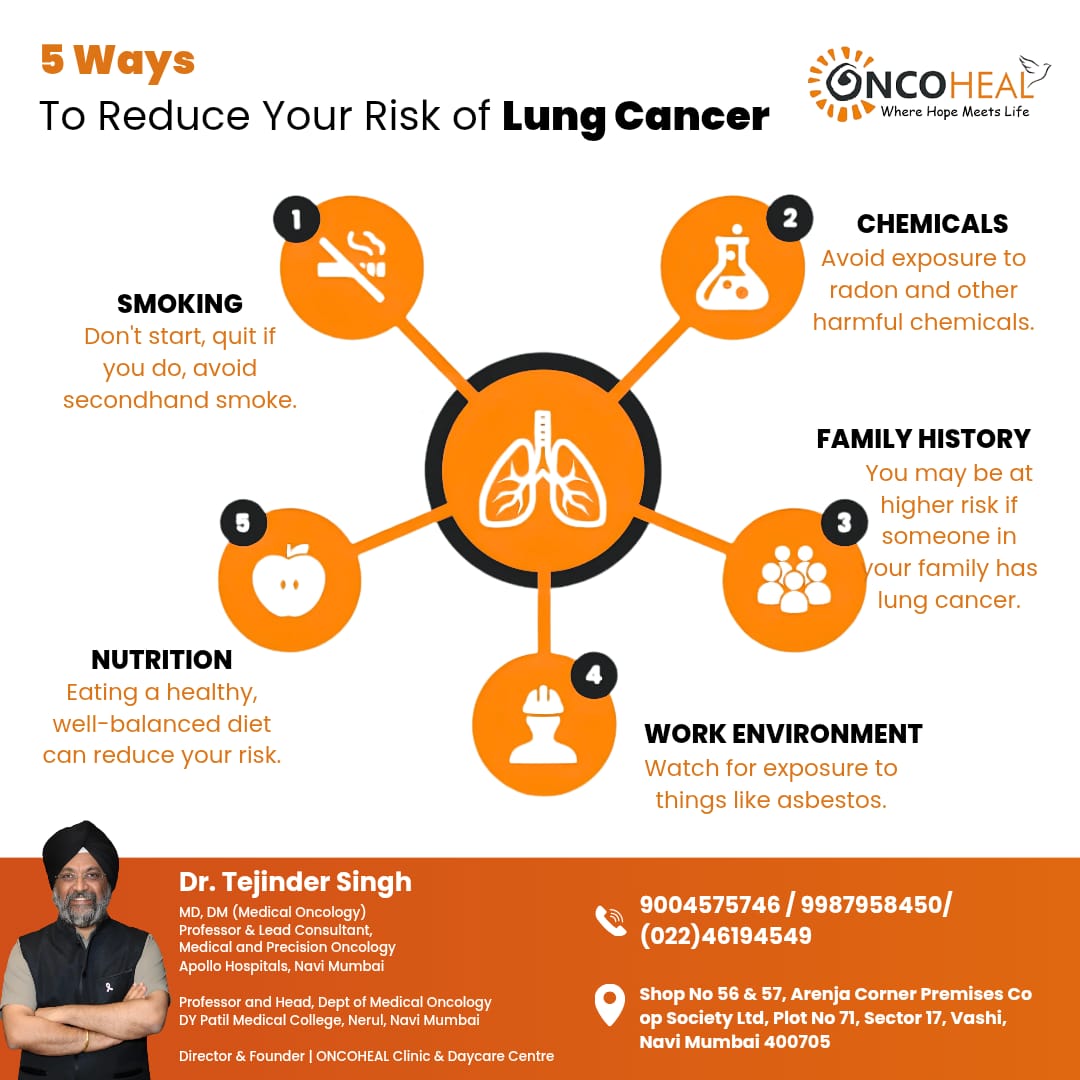
Small lifestyle changes can lower lung cancer risk. Avoid smoking and secondhand smoke, limit harmful chemical exposure, know your family history, eat well, and use protection in hazardous workplaces. Prevention starts with awareness.