40 years ago, MSX 2 was big news, despite not amounting to much historically in Europe. Commodore was soon to launch the Amiga, Atari's ST-with-TV-out was also imminent, and Psion's Organiser II gave us a glimpse of a future where everyone has a mini computer in their pocket.
The 7th annual Old Timey Computer Show viewer survey is now live. This survey is more extensive than previous years, so it will take up to 15 minutes to complete. Responses will close at 9:59 AM UTC on 15 May 2026.
https://t.co/My23kdLycd
Here's that SF II review, written by me, ol' helmet hair head. This was first SF II review, which we published as soon as we knew the machine had hit arcades (I'd played it earlier in the year at a coin-op show). We knew it'd be huge - but not idea it'd become a cultural phenom.
When the KIM-1 saves to cassette, it generates 0s and 1s as different frequencies just by oscillating a pin on the MOS 6530 RRIOT - no special audio circuitry. So I used a PET's 6522 VIA CB2 pin to do the same thing, turning the PET into a virtual cassette player for the KIM-1. https://t.co/rVnM1FCuNc
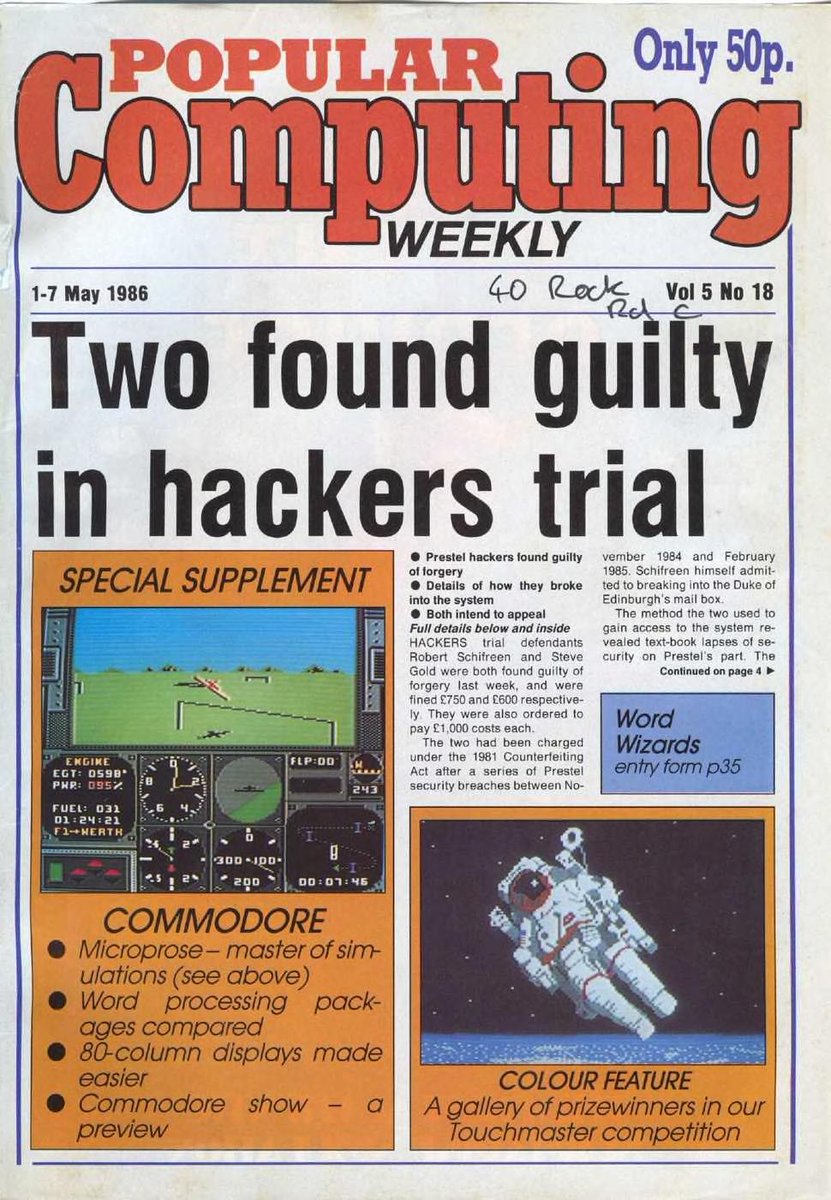
40 years ago, UK law was tested with this landmark hacking case. It's quite comedic reading as there was no specific hacking legislation plus the actual "hacking" seems ludicrously simple due to piss-poor "security." Meanwhile, reports about the QL's rebirth were premature.
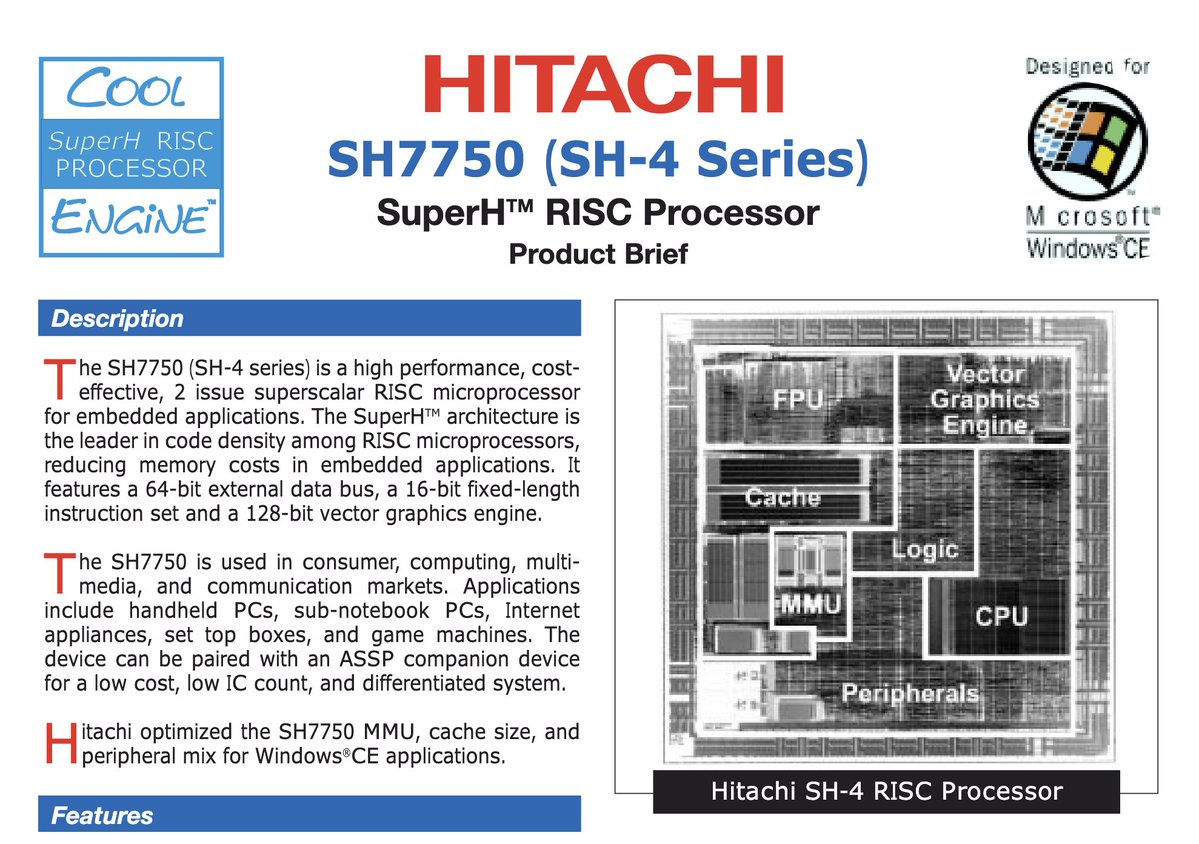
In the 90s, Hitachi came up with a bizarre way to conserve memory bandwidth.
Their SuperH architecture, intended to compete with ARM, was a 32-bit architecture that used…16 bit instructions.
The benefit was really high code density. If you can fit twice as many instructions into every cache line, the CPU pipeline stalls way, way less.
This was *really* important for embedded devices, which were often extremely bandwidth constrained in the era.
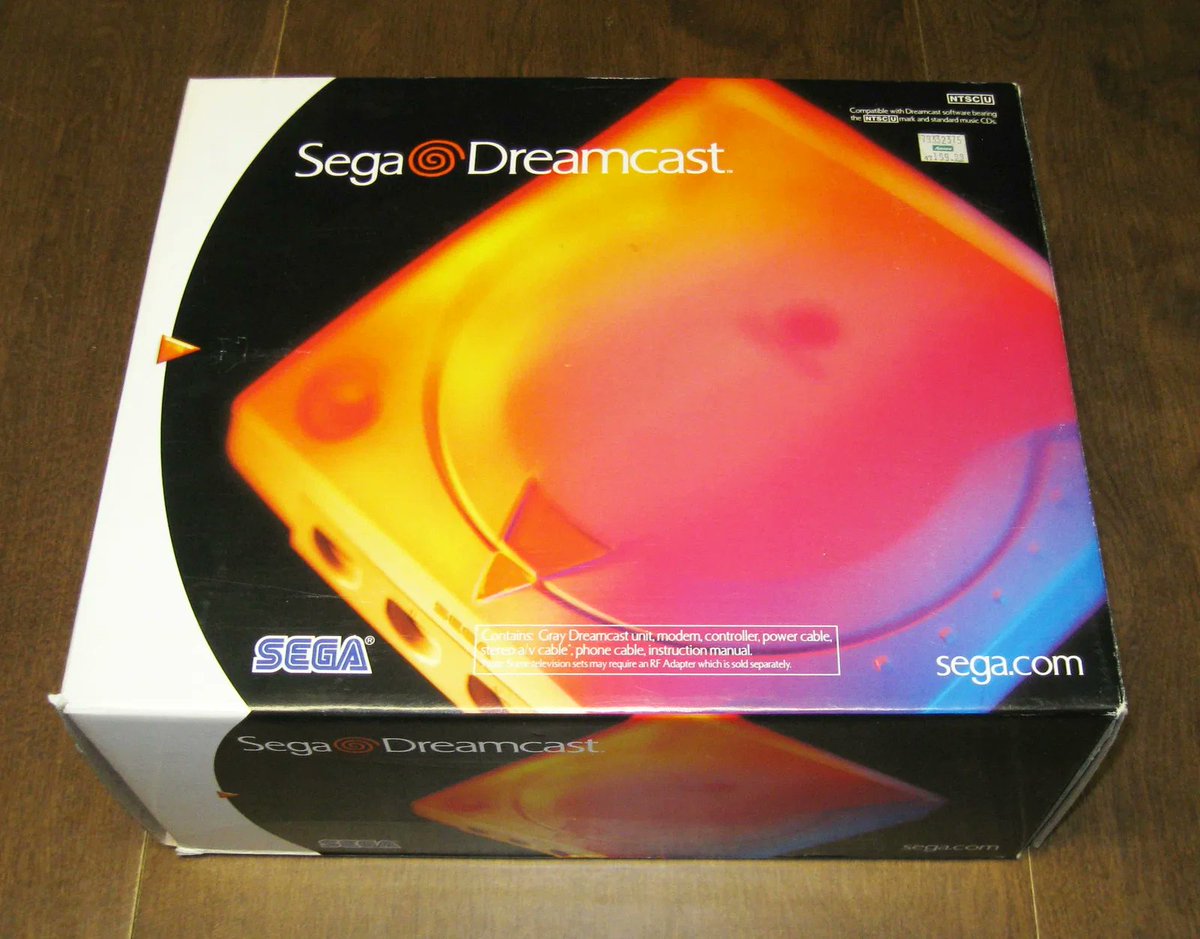
Sega famously used the processors for the Dreamcast, and ARM actually ended up licensing their patents for Thumb mode!
I think perhaps the weirdest thing about SuperH was its concept of “upwards compatibility”. The ISA itself is a microcode-less design, all future instructions were trapped and emulated by older chipsets.
It’d be slow…but you could run future code on very old chips! Very neat design, a massive success through the 90s and 2000s, that slowly faded.
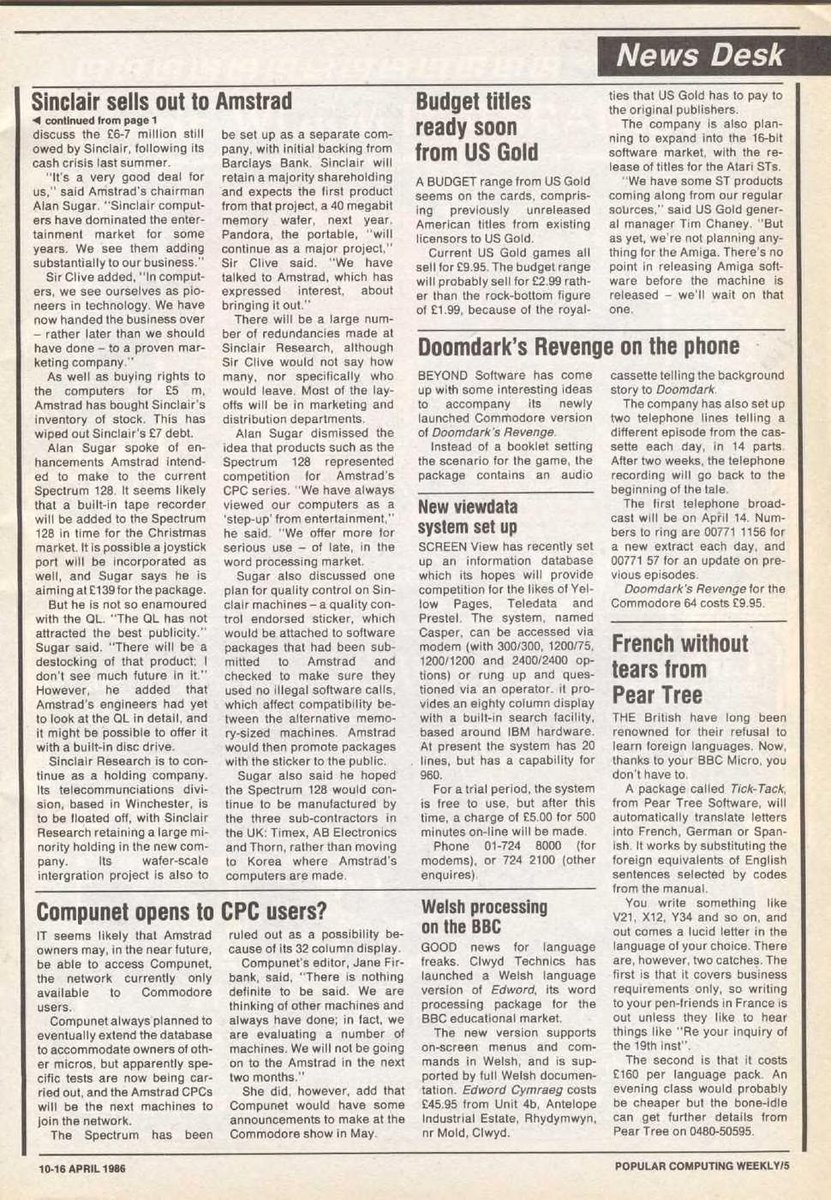
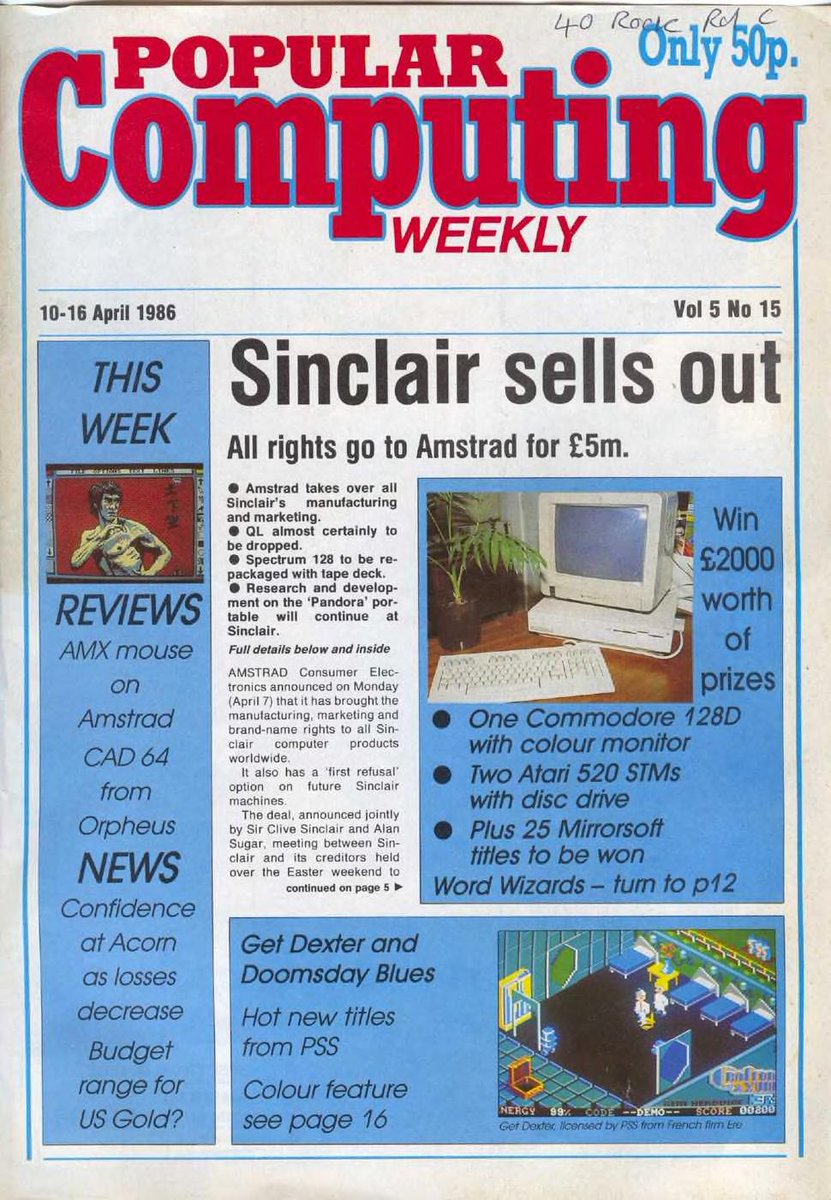
40 years ago, Amstrad bought Sinclair for just £5m. Which goes to show that you can produce a best-selling period computer and still totally eff up your biz. Meanwhile Acorn was still farting about with micros and didn't yet understand just how important its RISC chips were.
40 years ago, concerns about heavily marketed but delayed games were raised. Ocean was especially guilty of this practice. Yet more Speccy games were found to be 128-incompatible, and the cost of a US Amiga fell, but remained £4,600 in today's money in the UK. Holy freakin' crap!
In 1993, Silicon Graphics presented "Project Reality", the hardware later used in the Nintendo 64. One of the demos showed a realistic town populated by cutouts of Nintendo characters. Only two screenshots and a brief snippet of footage of it are known to exist, shown below.
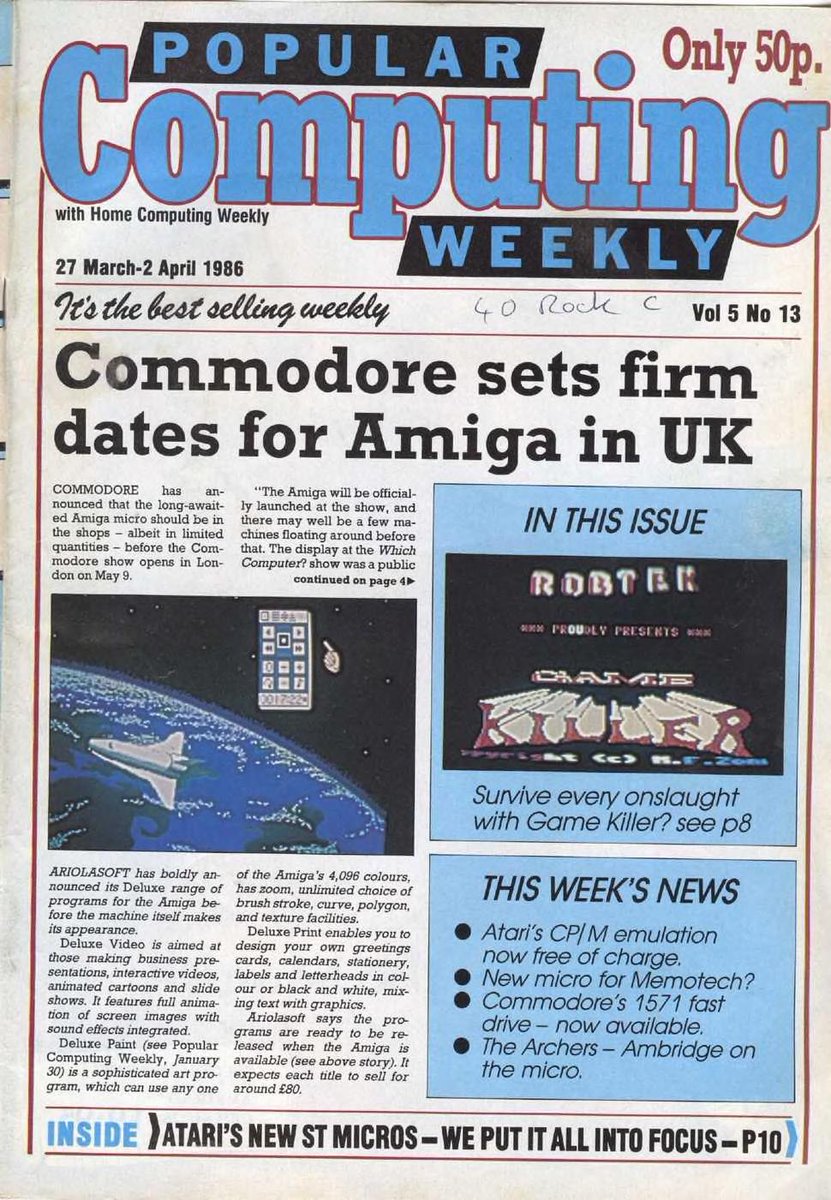
40 years ago, Commodore announced the Amiga 1000 would hit stores on May 9th but didn't say which stores and how much it would cost. It turned out to be a tiny number of dealers and hugely expensive. It was basically a stopgap until the Amiga 500 finally arrived 12 months later.
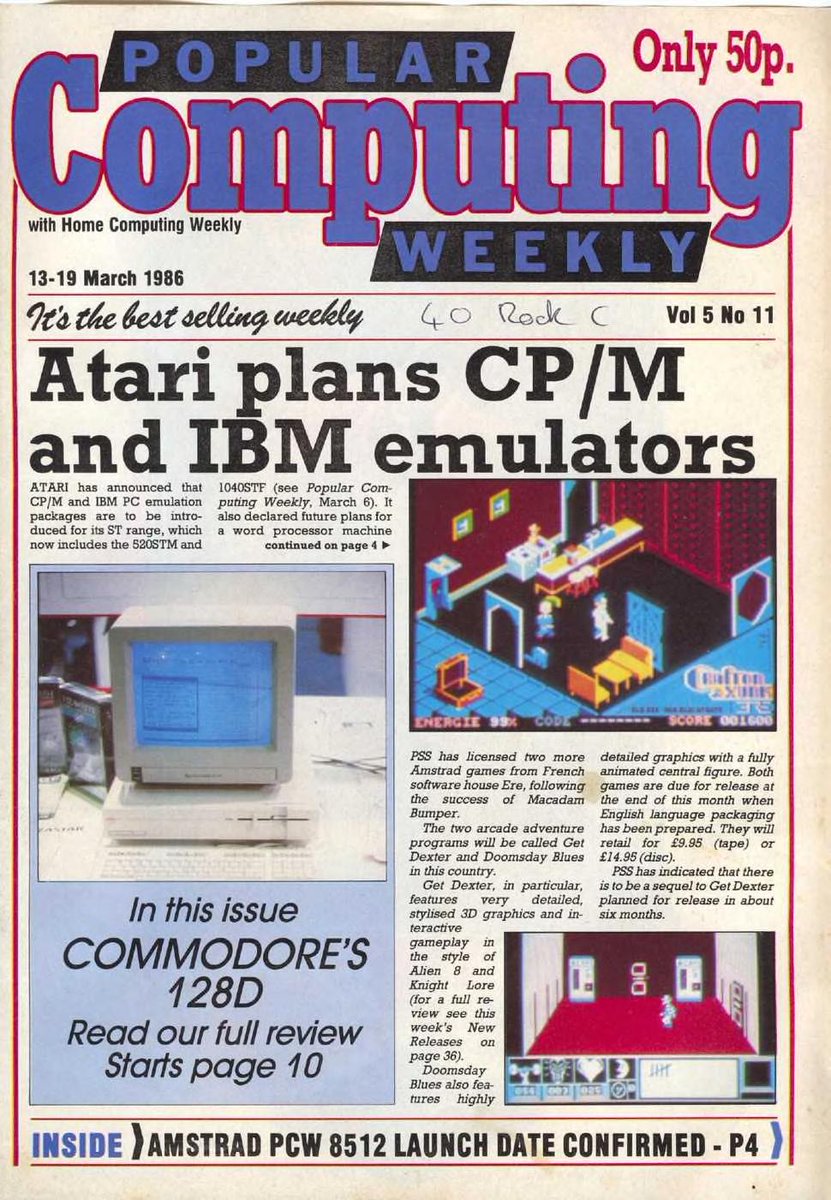
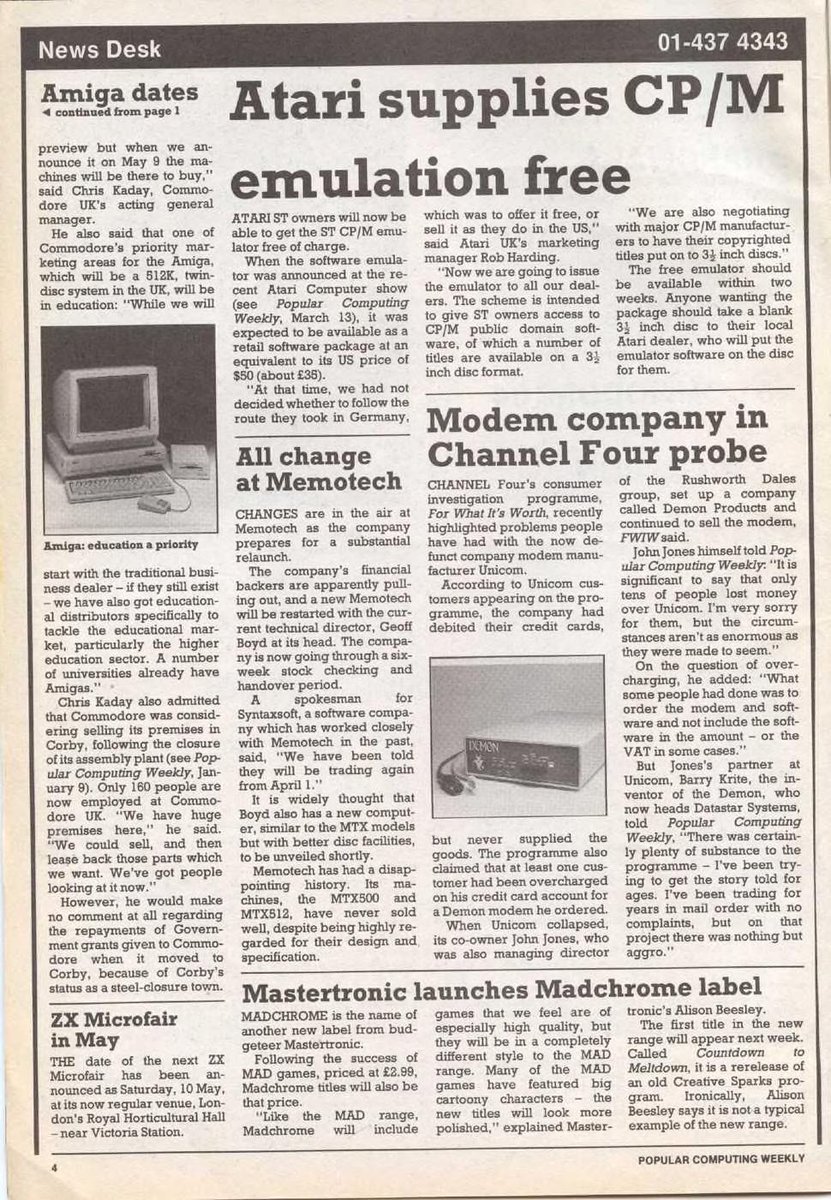
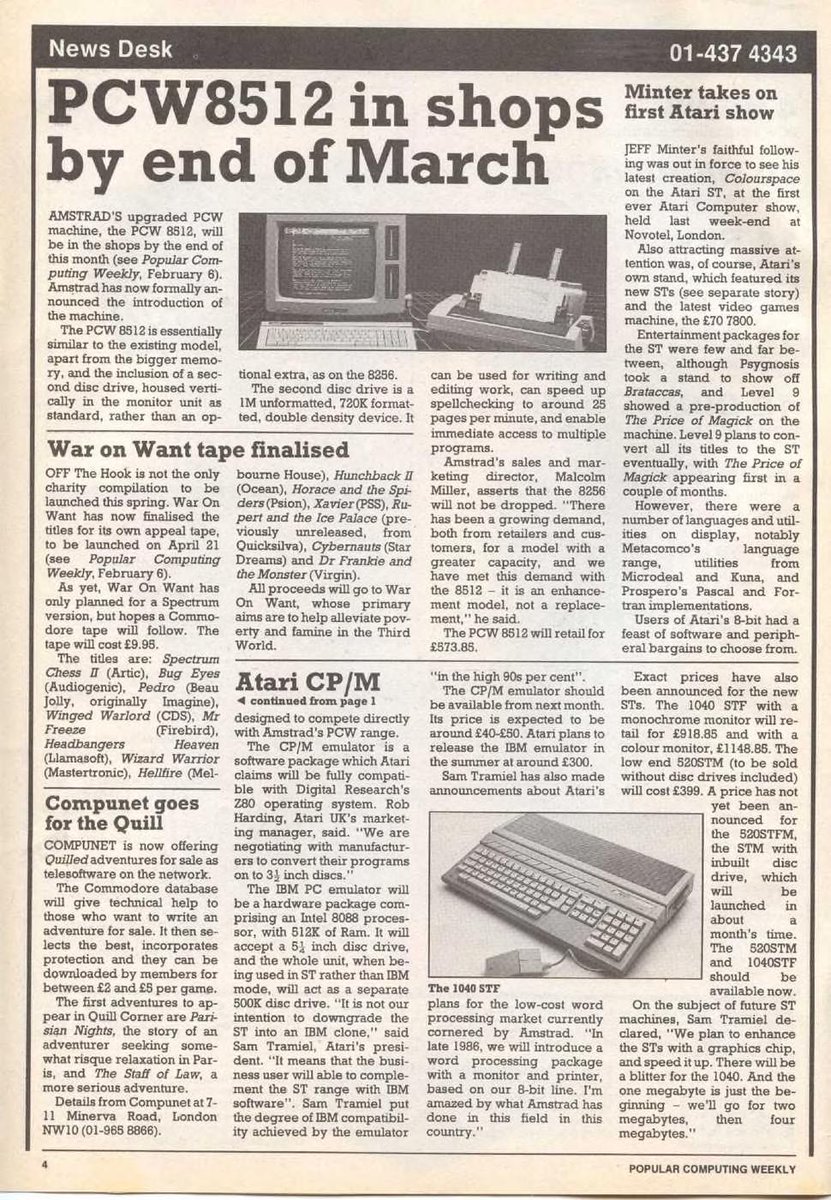
40 years ago, Atari was planning CP/M and PC emulators for its ST range, which was pretty smart. However, announcing new ST's with more memory and new graphics chips made existing machines feel like they'd soon become redundant, which was not so smart.
The Old Timey Computer Show is now online. If you cannot access https://t.co/EFH1mq9lNM, you may need to flush your DNS cache. More information: https://t.co/64GMt9jDRx