🗣️🗣️🗣️
Please Spread The Word !
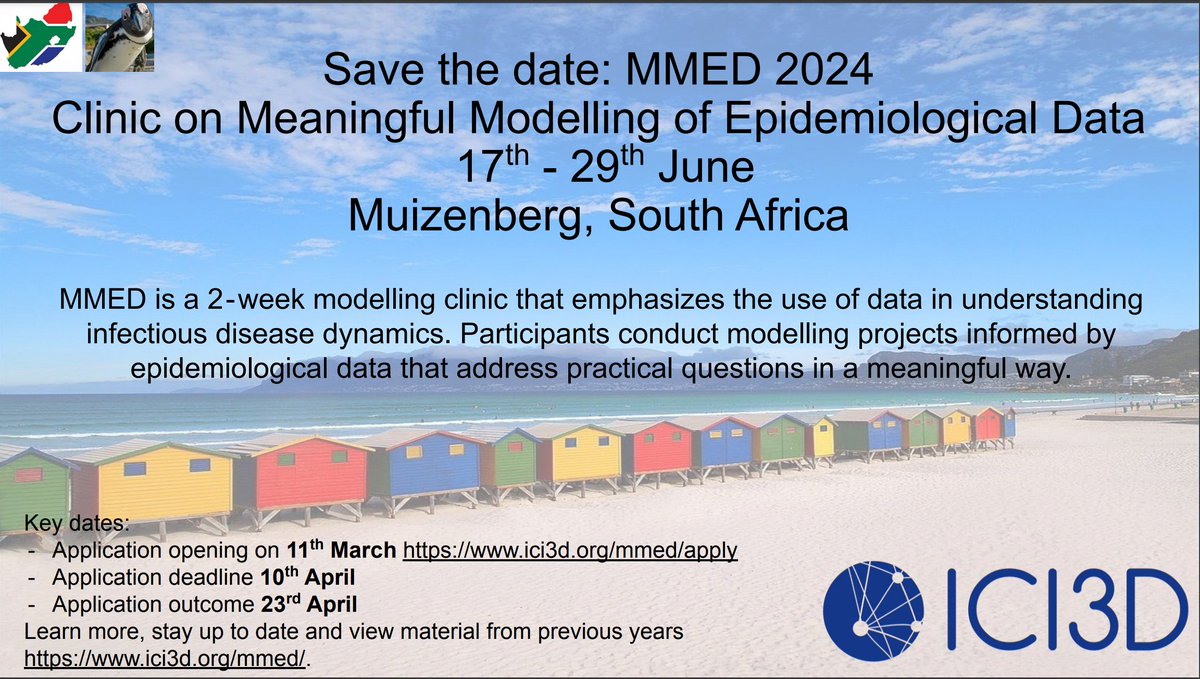
Clinic on Meaningful Modelling of Epidemiological Data (MMED).
2 ‐week modelling clinic emphasizes use of data in understanding infectious disease dynamics
🗓️ 17th - 29th June, 2024, Muizenberg, South Africa.
Apply:
https://t.co/7JGARoqKxP
An exciting Ph.D. opportunity for a female candidate interested in applied epidemiological modeling.
Link: https://t.co/afWk5WABxt…
Deadline: 11th February 2024.
Share widely.
iii.) a changing climate that is likely to impact food and national security, and change biodiversity and distribution of diseases:- this is inevitable, we need effective climate adaptation tools.
#notsorandom
How do we build sustainable and resilient communities when faced with great challenges like i.) an economy that is not able to create jobs for its population: we must discourage importation as we build industries and encourage production at local and national levels
Real need to do something about escalating dengue in West Africa. Surveillance is merely monitoring and it is not enough! Dengue fever is on the rise in Mali with more than 20 deaths, health director says https://t.co/sUF2dqu5Hq
Our observations of Anopheles funestus biting in primary schools until 11am is now published. We really need to think of additional vector control in such settings. https://t.co/oloieU86Jg
The @NIH will no longer score researchers’ expertise and institutions during grant evaluations, from 2025. Last week, the agency announced that it's moving forward with a plan to overhaul its grant-review system for the first time in years. The agency says the changes will reduce reputational bias, which has led to funding disparities among grant recipients. Here's how we covered the plan in its draft stage last year –
https://t.co/CoB5mFtlc5
DAAD (@DAAD_Germany ) Call for applications for In-Country/In-Region Programme Sub-Saharan Africa scholarships for Masters/PhD
Apply/ RT/ Share
More details in the link below:
https://t.co/Pu8Lw6rSkO
We have also recently observed excellent results in the evaluation of an active metofluthrin based spatial repellent in the Dala Suna Experimental huts as well as outdoors, offering protection up 10 feet. Enjoy the read. https://t.co/VliYFh8hmb
I'm really excited to share the interim results of a strongly significant positive outcome in the efficacy of spatial repellents in reducing malaria incidence in children and all the progress on the overall @AEGISProgram@KEMRI_Kenya
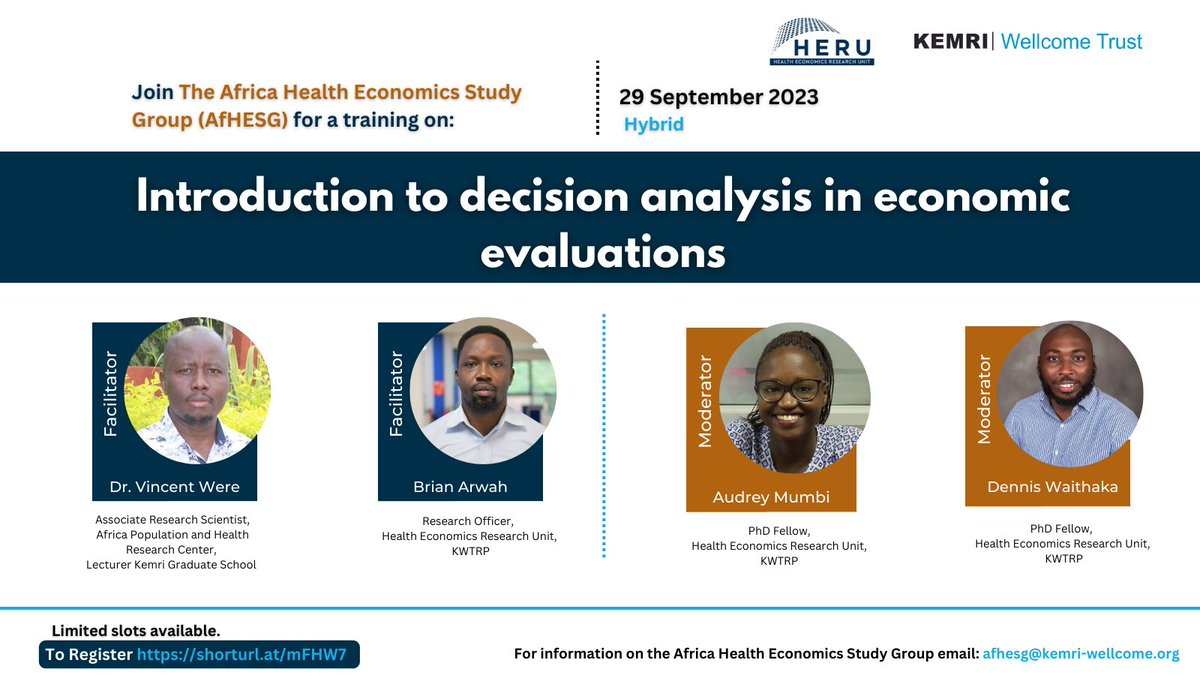
The Africa Health Economics Study Group (AfHESG) is scheduled to host a training on Decision Analysis in Economic Evaluation on 29th September 2023
Have you registered?
Registration link: https://t.co/D9TagzwLim
#AfHESGTraining@HERU_KEMRI_WT
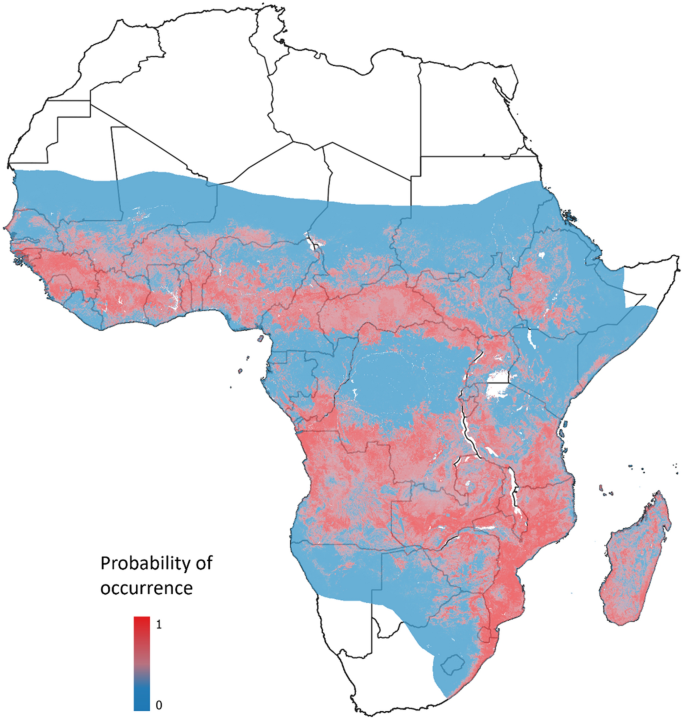
Anopheles funestus, is an important vector species responsible for most malaria transmission in some parts of Africa, in particular the east and southern Africa region. This review by my colleague @odero_joe provides some essential details on four key research areas related to Anopheles funestus in Africa:
i) species characterization,
ii) insecticide resistance,
iii) genetic diversity, and
iv) the application of genetic technologies for control and surveillance,
~
An excellent paper with insights to enhance efforts against malaria transmission
~
Odero et al 2023 || https://t.co/aJ6qbyn2Lc @odero_joe
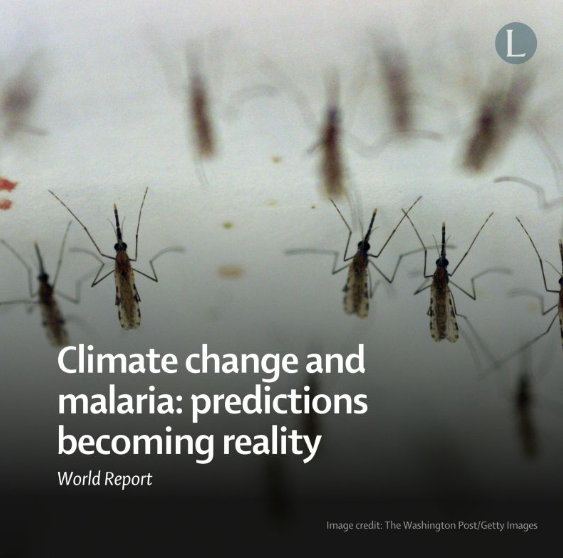
The links between #malaria and #climatechange are becoming increasingly apparent.
For the first time, a chapter on malaria and climate change is set to publish the @WHO World Malaria Report 2023
Find out more in a new @TheLancet World Report 👉 https://t.co/e3iWBIHHN1
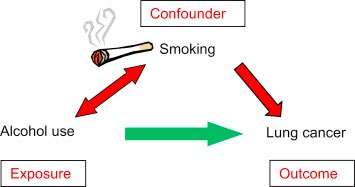
Dealing with Confounding Factors in Research 📊
💎 Introduction to Confounding Factors
Confounding factors are variables that can cause or prevent the outcome of interest, are not intermediate variables, and are not associated with the factor under investigation. They can provide a false perception of association between the study variable and the outcome.
💎 Why They Matter
Not addressing confounders can lead to:
1. Incorrect conclusions.
2. Misleading results.
3. Wasted resources.
💎 Identification of Confounders
Before you start, identify potential confounders:
1. Literature review.
2. Expert opinions.
3. Using data (correlation, cross-tabulations).
💎 Design-Based Solutions
1. Randomized Controlled Trials (RCTs)
• Ideally, RCTs distribute confounders equally between groups.
• Not always feasible due to ethical or practical reasons.
2. Matching
• Match participants based on confounding variables.
• For instance, if age is a confounder, have equal age participants in both groups.
3. Stratification
• Group participants based on confounding variable levels.
• Analyze each stratum separately.
💎 Statistical Solutions
1. Multivariate Regression
• Include confounders as covariates.
• But remember: garbage in = garbage out. The model is only as good as the data.
2. Propensity Score Matching
• Gives each participant a score based on the probability of being in the treatment group.
• Matches participants with similar scores.
3. Instrumental Variables
• Used when it’s tough to measure confounders directly.
• An instrument affects the exposure but NOT the outcome, except through the exposure.
💎 Post-Hoc Methods
1. Residual Analysis
• Check if any patterns remain after accounting for the main effects.
• Could suggest unaccounted confounders.
2. Sensitivity Analysis
• Check how sensitive your results are to potential confounders.
💎 Communication is Key
When discussing your findings:
1. Always be transparent about potential confounders.
2. Discuss how they were addressed.
3. Admit if some might still exist. Honesty > Perfection.
💎 In Summary
Addressing confounders is crucial to producing trustworthy results. Use a combination of design, statistics, and post-hoc methods. And always, always, always be transparent about your methods and potential limitations.
#DataScience #Statistics
Researchers have identified a bacterium that stops the #malaria parasite from growing inside #mosquitoes, a promising new tool against this disease that kills over 600,000 a year.
https://t.co/D5FFHPDuzv
"My research group has one fully funded Ph.D. position starting in Spring 2024 or Fall 2024.
If you are interested in joining my research group, please email me at [email protected] with your latest CV, transcript, research statement, transcript, TOEFL/GRE or other English scores (if applicable) and sample publications (if applicable).
Please help me share this post. Thanks!
#phdposition #hiring #architecturalengineering"-Prof. Yunyang Ye
(Assistant professor at the University of Alabama)