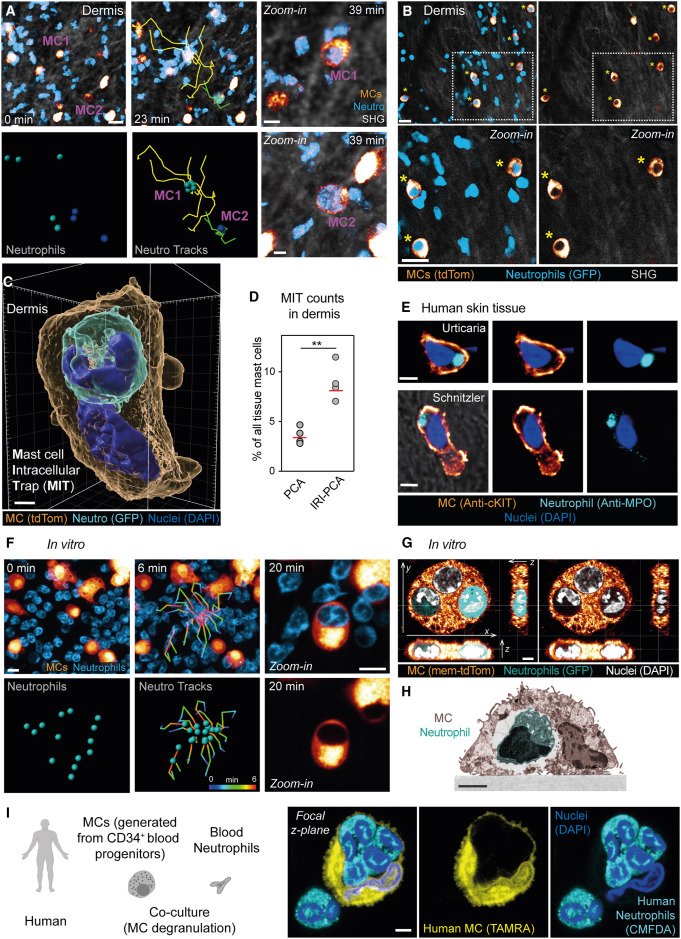
Super excited to present our recent publication at the #OBS seminar series next week! 🎉
Come join us to talk about the coolest cell in our immune system (#facts). See you there!
How do brains fine-tune sensory information for better decisions?
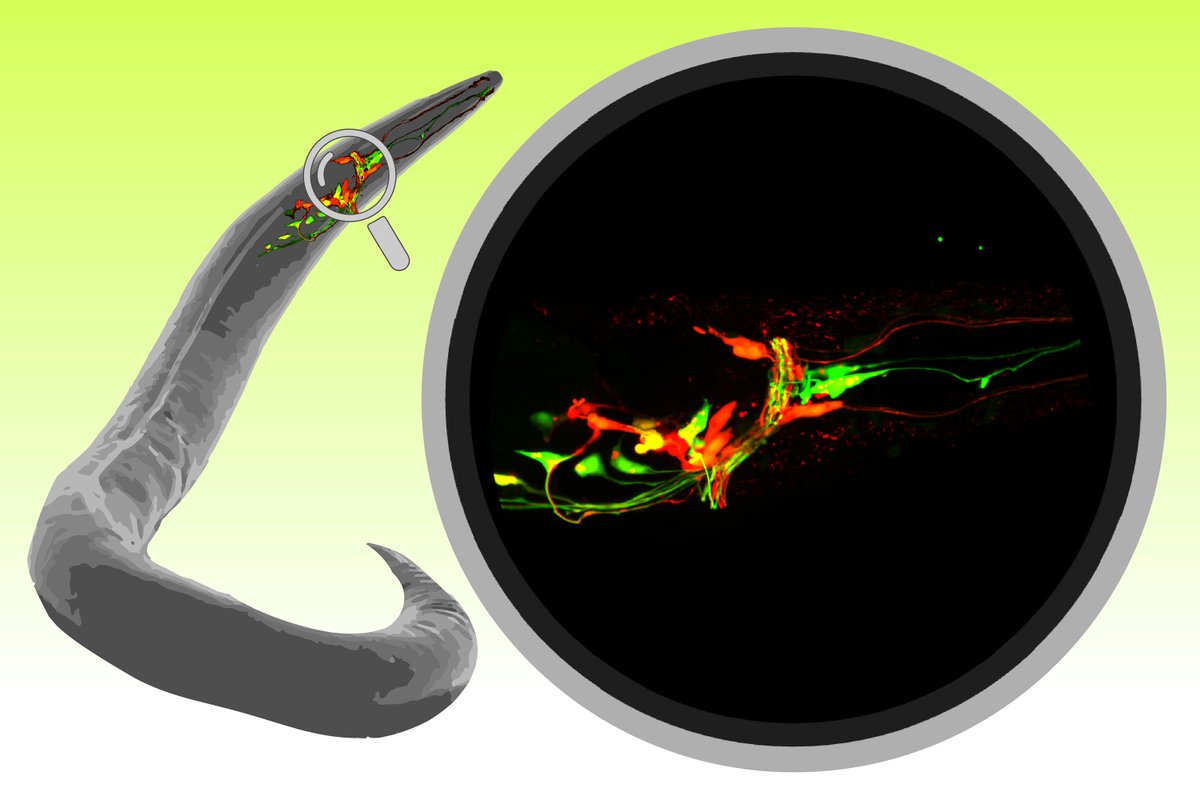
Animal brains are constantly bombarded with sensory information — sights, sounds, smells, and more. A new Yale-led study reveals how a configuration of electrical synapses “filter” this information to guide behavior: https://t.co/opbzrGLE35 #Yale
Some people envision that biology will become engineering. We will all be using robots to screen millions of computer-generated molecules. If science stops being about playing, breaking things, brainstorming, and chance favoring the prepared mind, I think no one will want to do it. It won't be fun.
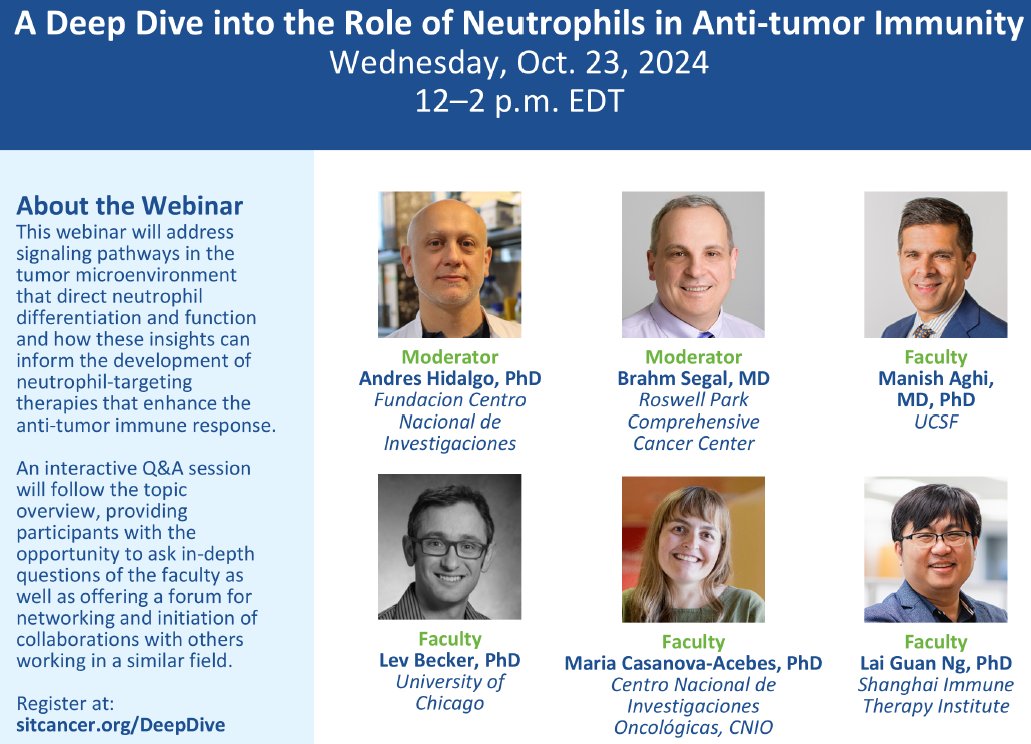
Excited to be part of this #Deep_Dive symposium via Zoom organized with #SITC, featuring some of the hottest science in the field of #neutrophils in cancer
Join us! 👇👇
Fascinating article in Nature about what is a cell type, really?‘Scientists have more information than ever on how cells differ — but they still resist easy grouping.’
It was a pleasure to speak with Amber Dance about this piece and contribute my 2 cents.
https://t.co/a6seJtA0bg
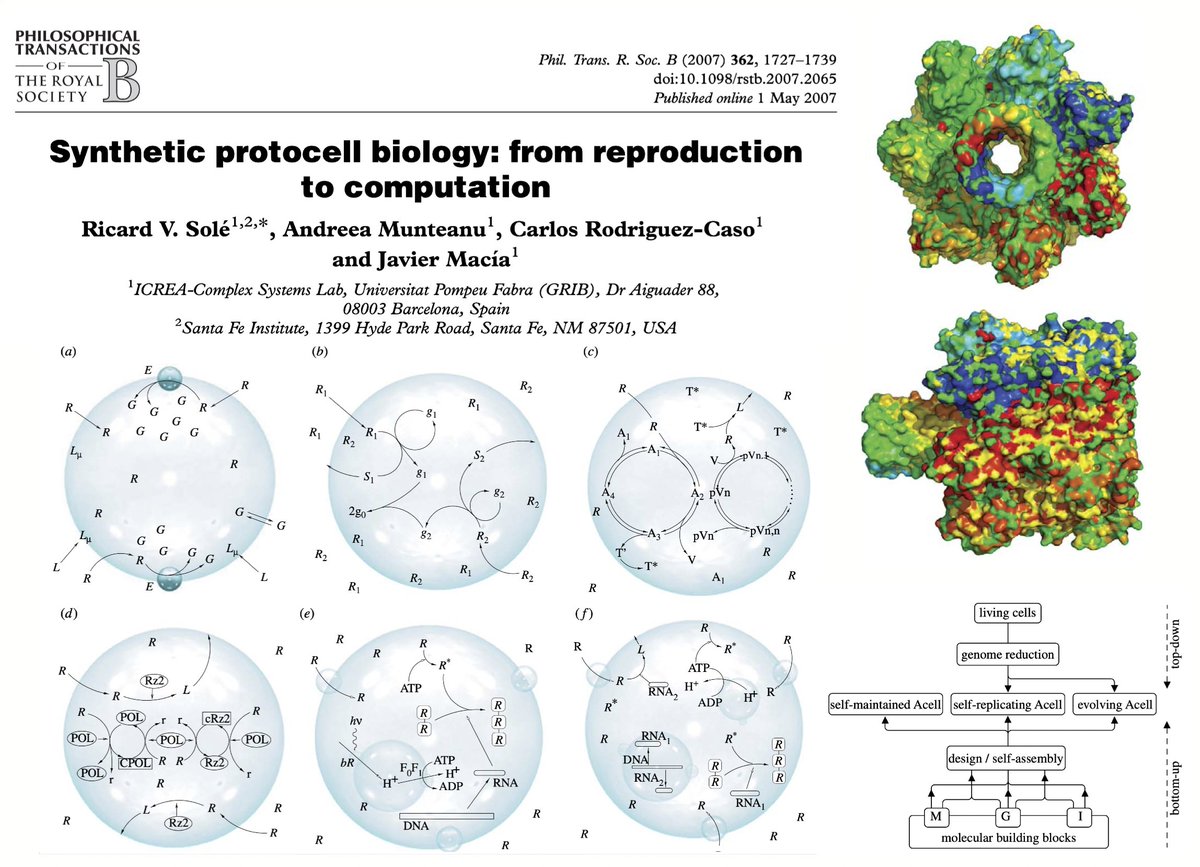
Is it possible to create an artificial cell from scratch? What kind of design principles and constraints will be involved? How can physics and maths guide research? Check our @RSocPublishing paper @AndreeaMuntean2 from chemistry to synthetic biology. https://t.co/67uUY8KXjQ
Why do we itch? Ask your immune system, and Dr. Sokol and colleagues. They provide a simple and elegant answer to this timeless question. Kudos to the authors on this fascinating discovery.
https://t.co/5V3qc63OWs
@sokol_mdphd@harvardmed
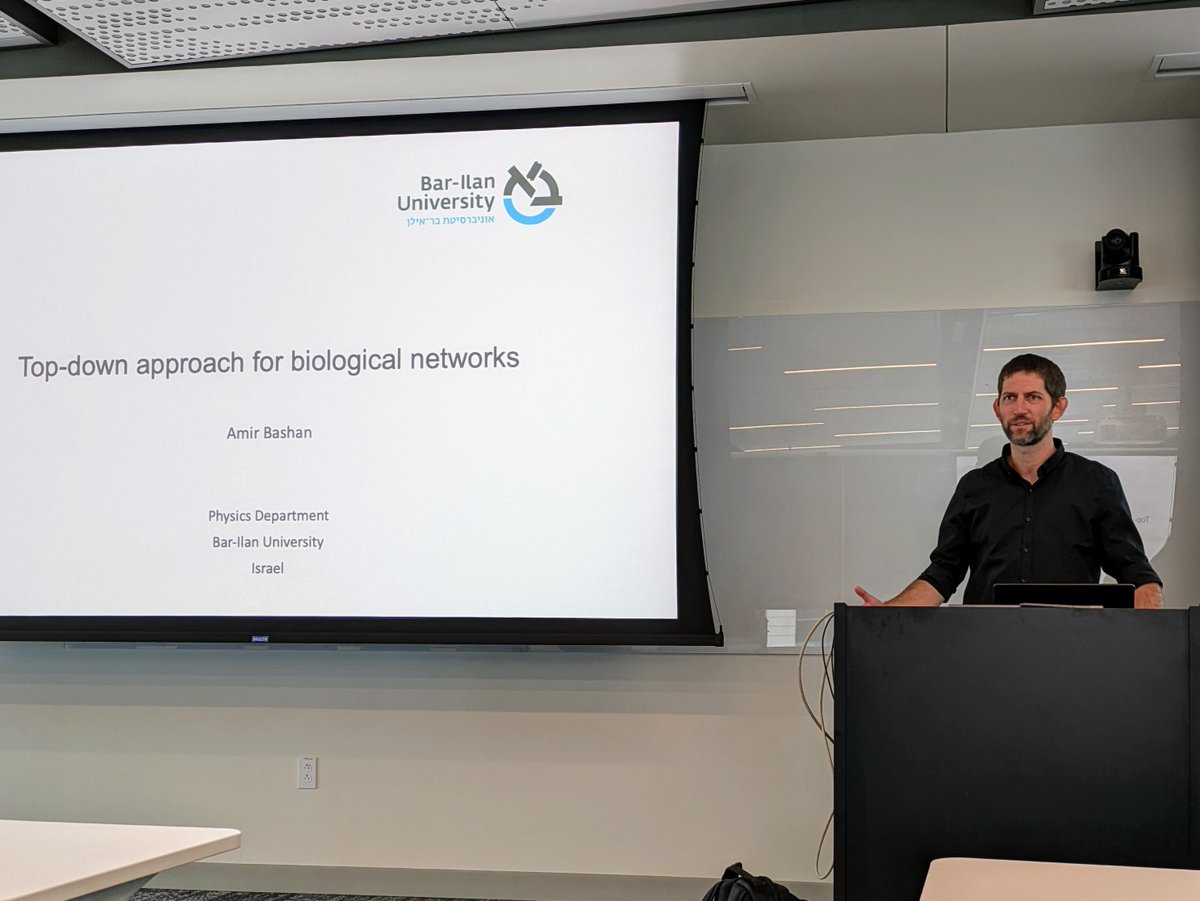
Thank you to Dr. Amir Bashan (Assoc. Prof. of Physics at Bar-Ilan University, Israel) for speaking as part of the #CSEI Seminar Series on his top-down approach to understand complex biological networks, such as human microbiome species, in health and disease. @YaleMed@YaleIBIO
For anyone curious about nonlinear dynamics and chaos, including students taking a first course in the subject: My lectures are freely available here. https://t.co/y5n3S9nXCx
What can Turing patterns and physics tell us about life origins? How did the first protocells manage to self- replicate? Here's our @RSocPublishing paper based on Turing instabilities coupled with membrane instabilities https://t.co/3EkrEW1eRf Could this be tested in the lab?
An insightful highlight of our recent discovery that myddosomes contain the entire TLR signal transduction pathway. Many thanks to by @Blumenthal_Lab et al for their thoughtful commentary--and for the Tolkien-inspired title!
https://t.co/laikkc1CNM
During allergen challenge, degranulating mast cells re-route and trap living neutrophils in vivo, resulting in functional and metabolic alteration of the mast cell and the acquisition of neutrophilic features @CellCellPress @Lammermann_Lab
https://t.co/zjUmBGM6h0
Ok! This is a special one!
My last postdoc / first PI paper is out! 🥳
Stay with me if you are into:
Defense Systems🛡️
Asgard Archaea⚡️
Origin/Evolution of Immunity💪🏽
https://t.co/fgTKYa9hOL
🧵(1/8)
A chemogenetic screen reveals links between nociceptors and gut immune function @ScienceMagazine@IsaacMChiu
https://t.co/uHJMOQL0qD
https://t.co/tgz2k15rKy
It took more than a DECADE... but finally it’s published!!! It started as a CRAZY idea but after tons of hard work we built it: We hijacked the endogenous secretion systems of Toxoplasma gondii, a brain parasite, to deliver active proteins to neurons 👇
https://t.co/I2j2pAel69
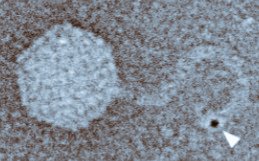
Happy to see our paper out @nature today: A bacterial immune system conjugates ubiquitin-like proteins to phage tails. This generates non-infective virions
Congrats @Jens_Hoer & @ShaLGW!
Link to paper:
https://t.co/5fdN31yzDZ
Read the thread:
https://t.co/O2w50d741s
📢We are recruiting! 3y postdoc position available in our interdisciplinary team @institut_curie#Paris.
Join us if you're interested in live imaging, quantitative biology & (opto)genetics of Drosophila epithelia during morphogenesis.
https://t.co/uNmshuk1YI
Please RT!
For 25 years, the Toll-like Receptor pathway was considered a series of distinct protein complexes that drive inflammation. Today, we report that the entire pathway, from receptor to transcription factor, is executed from within one complex—the myddosome.
https://t.co/J9xnnt0xXD
Benjamin Scott, assistant professor of psychological and brain sciences at Boston University, explains why computational and systems neuroscience needs new ideas from other areas—developmental biology in particular.
By Ben Scott
https://t.co/9jK8ycs8NT