HICIERON UN CAPCUT GRATIS Y SIN MARCAS DE AGUA, Y TIENE 55K STARS EN GITHUB
CapCut te mete marca de agua, te bloquea funciones y encima te cobra suscripción. Un grupo de devs se cansó y construyó la alternativa open source.
→ Editor de vídeo completo, sin marcas de agua ni paywalls
→ Compatible con web, escritorio y móvil → Open source con licencia MIT
→ Servidor MCP incluido para agentes de IA
→ Se está reescribiendo en Rust desde cero con API, plugins y scripting
Se llama OpenCut y es exactamente lo que CapCut debería haber sido desde el principio.
Te lo explico abajo (link de la repoo también) ⬇️
Google acaba de liberar sus skills oficiales para agentes de IA:
13 habilidades compatibles con Claude Code, Cursor, Copilot y otros agentes del mercado.
Estas skills funcionan como complementos que amplían lo que los agentes pueden hacer, permitiéndoles ejecutar tareas avanzadas y automatizar flujos de trabajo complejos sin necesidad de configuraciones interminables.
Lo mejor de todo: son completamente GRATIS y OPEN SOURCE, así que cualquiera puede integrarlas y empezar a sacarles partido desde el primer minuto.
Un paso enorme para democratizar el desarrollo con agentes.
GUÁRDALO 🙇♂️
I'm convinced 80% of @NotionHQ users still don't know how to minimize a relation in 3.0
It's been almost a year.
Customize layout → Property groups → click the relation → Add to layout → drop it in the Relation group → click the Relation group → Edit relation → Minimal.
8 clicks for what used to be one. Notion, bring the old way
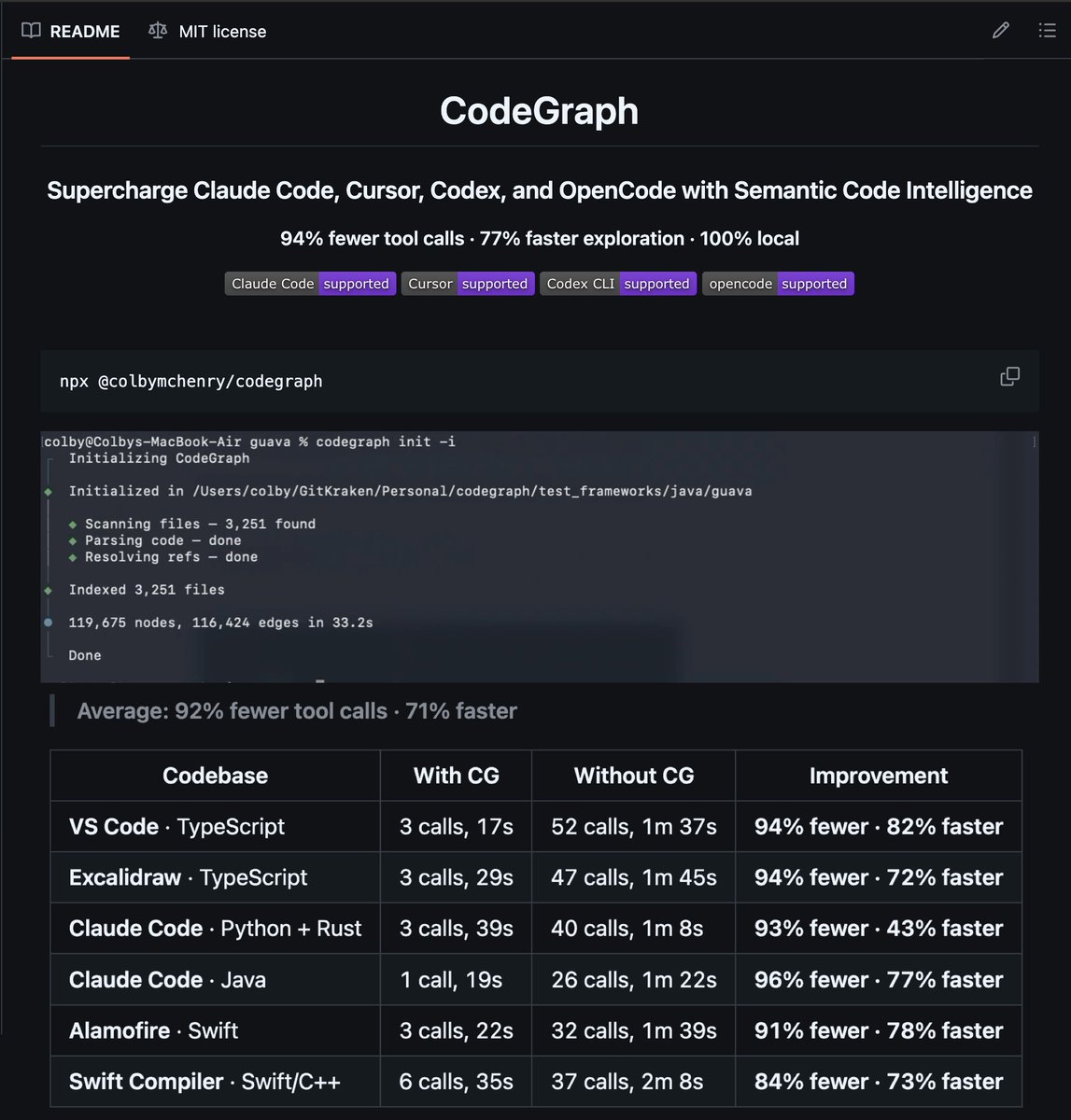
¡No quemes tokens con tu IA explorando tu proyecto!
Crea un grafo semántico local de tu código con esto
✓ -92% tool calls
✓ 71% más rápido explorando código
✓ Claude Code, Cursor, Codex y OpenCode
Local y de código abierto:
→ https://t.co/32g8VE4itM
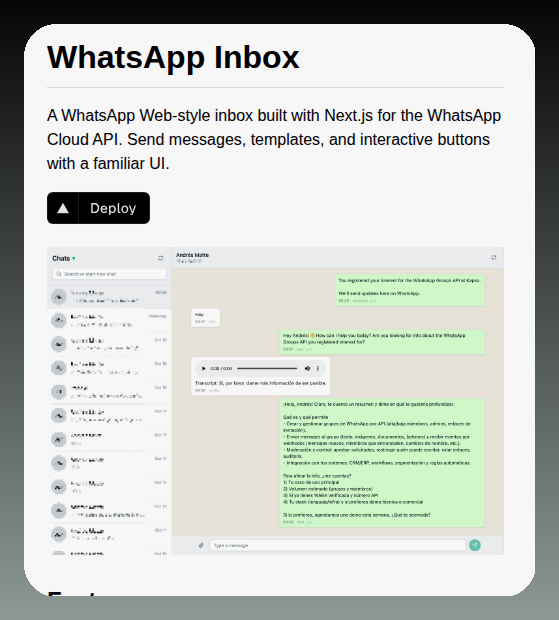
this mac app is insanely good for databases
> free
> open source
> beautiful
> super fast
handy for viewing local codex threads in sqlite too
You can pin a chat scroller to the bottom with CSS 𝚘𝚟𝚎𝚛𝚏𝚕𝚘𝚠-𝚊𝚗𝚌𝚑𝚘𝚛, without having to use MutationObserver or 𝚜𝚌𝚛𝚘𝚕𝚕𝚃𝚘() functions
<𝚍𝚒𝚟 𝚒𝚍="𝚜𝚌𝚛𝚘𝚕𝚕𝚎𝚛">
...
...
<𝚍𝚒𝚟 𝚒𝚍="𝚊𝚗𝚌𝚑𝚘𝚛"></𝚍𝚒𝚟>
</𝚍𝚒𝚟>
#𝚜𝚌𝚛𝚘𝚕𝚕𝚎𝚛 * { 𝚘𝚟𝚎𝚛𝚏𝚕𝚘𝚠-𝚊𝚗𝚌𝚑𝚘𝚛: 𝚗𝚘𝚗𝚎; }
#��𝚗𝚌𝚑𝚘𝚛 { 𝚘𝚟𝚎𝚛𝚏𝚕𝚘𝚠-𝚊𝚗𝚌𝚑𝚘𝚛: 𝚊𝚞𝚝𝚘; 𝚑𝚎𝚒𝚐𝚑𝚝: 𝟷𝚙𝚡; }
Browsers run scroll anchoring by default to prevent layout shifts
Disable it on children, re-enable it on a 1px anchor at the end and the scroll follows new content down on its own
Any Notion page can become a presentation.
Even one packed with images, text, and embedded content. Just add dividers between sections and hit present.
𝚗𝚙𝚡 𝚍𝚎𝚎𝚙𝚜𝚎𝚌
We're introducing an open-source agent orchestrator for deep security reviews.
We built it for internal use, and after running it against some major OSS projects, we gained conviction to share it with the world.
Coding agents can now find critical vulnerabilities in minutes that would take teams of people months (if they can spot them at all). Since 𝚍𝚎𝚎𝚙𝚜𝚎𝚌 is optimized to work with Vercel Sandbox, you can effectively harness the power of thousands of agents scrutinizing your codebase in parallel.
I encourage you to try this on your repositories. BTW: If you run an OSS project and want us to sponsor a run, my DMs are open.
When I build design systems, I don't start with components. I start with structure.
Primitive variables come first — colour, spacing, radius. These are the raw values. They stay stable because everything else references them.
From there, I build a naming layer that encodes intent.
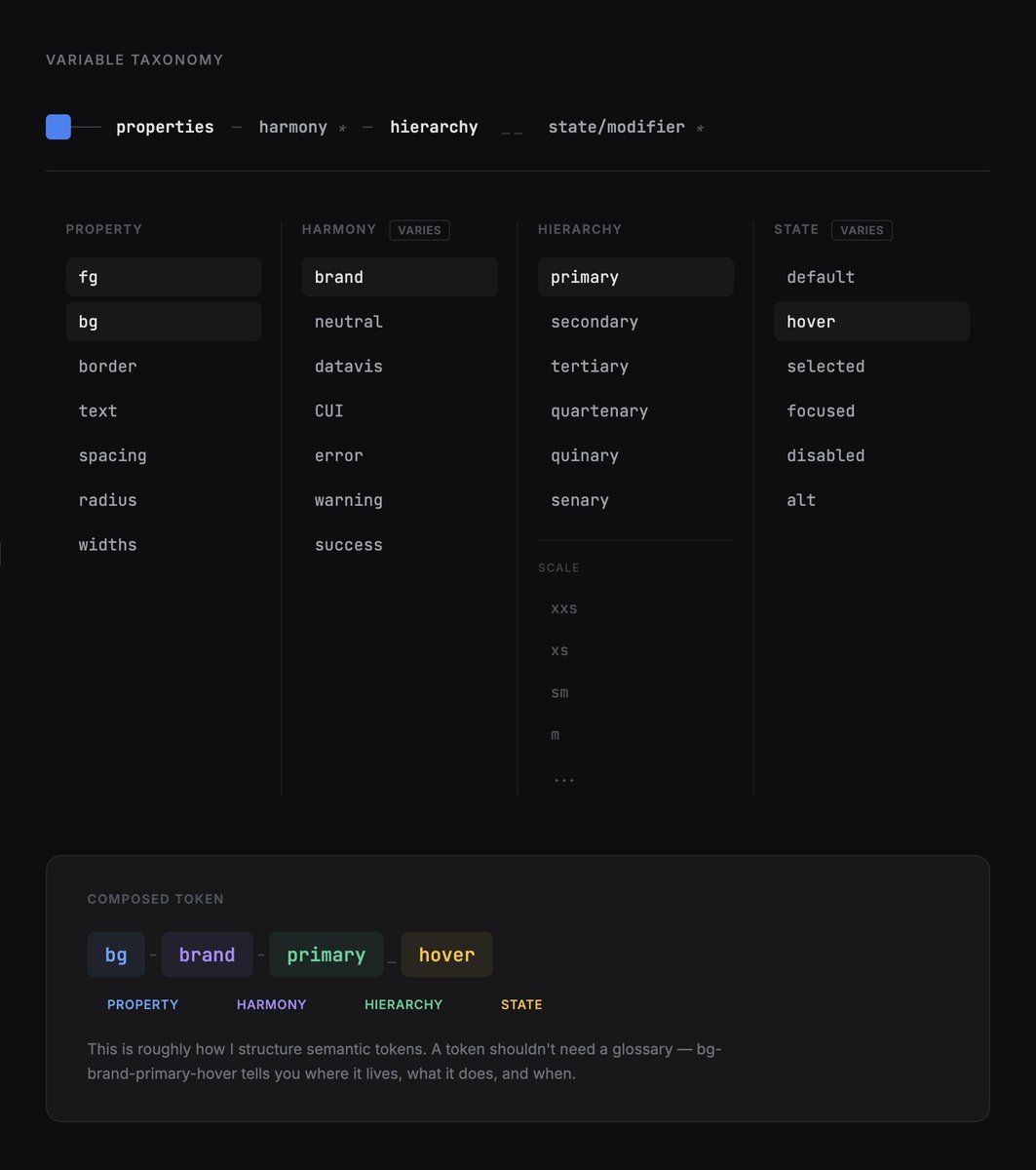
Every variable is constructed from four dimensions:
→ Property — what the variable controls. Foreground, background, border, text, spacing, radius.
→ Harmony — the colour role. Brand, neutral, data visualisation, error, warning, success. This dimension doesn't appear in the token name — the values themselves are the identifier.
→ Hierarchy — the visual weight. Primary, secondary, tertiary, and down.
→ State — how the element behaves. Default, hover, selected, focused, disabled.
So a token isn't just a value. It's a sentence: bg-brand-primary-hover tells you exactly where it lives, what it does, and when. Harmony is the concept. The values carry it.
That structure flows into alias variables — where "black" becomes "text-primary" and a hex value becomes a decision. Then into component-level variables, where the system starts adapting to real product needs. And always a utility layer for what doesn't fit neatly elsewhere.
None of this is rigid.
It shifts with the product, the domain, the scale. But the primitives hold.
They're the foundation. Everything else is built to serve context.