All started with a conversation in the gym and @ADopfer said 'I wonder what the German hour record is?'
Then a coffee and aero chat with @adwalker71 a week later and the project began.
An incredible team to work with - looking forward to next Wednesday!
Supported by our world-class sport ecosystem, @lboroalumni Axel Dopfer will attempt Jens Voigt’s German hour record in Grenchen 🚴
This year-long project with @lboroeng@lborossehs@lborosport@SSEHub and @Vorteqsports has already delivered promising results
Read more ➡️ https://t.co/egosovw7Xo
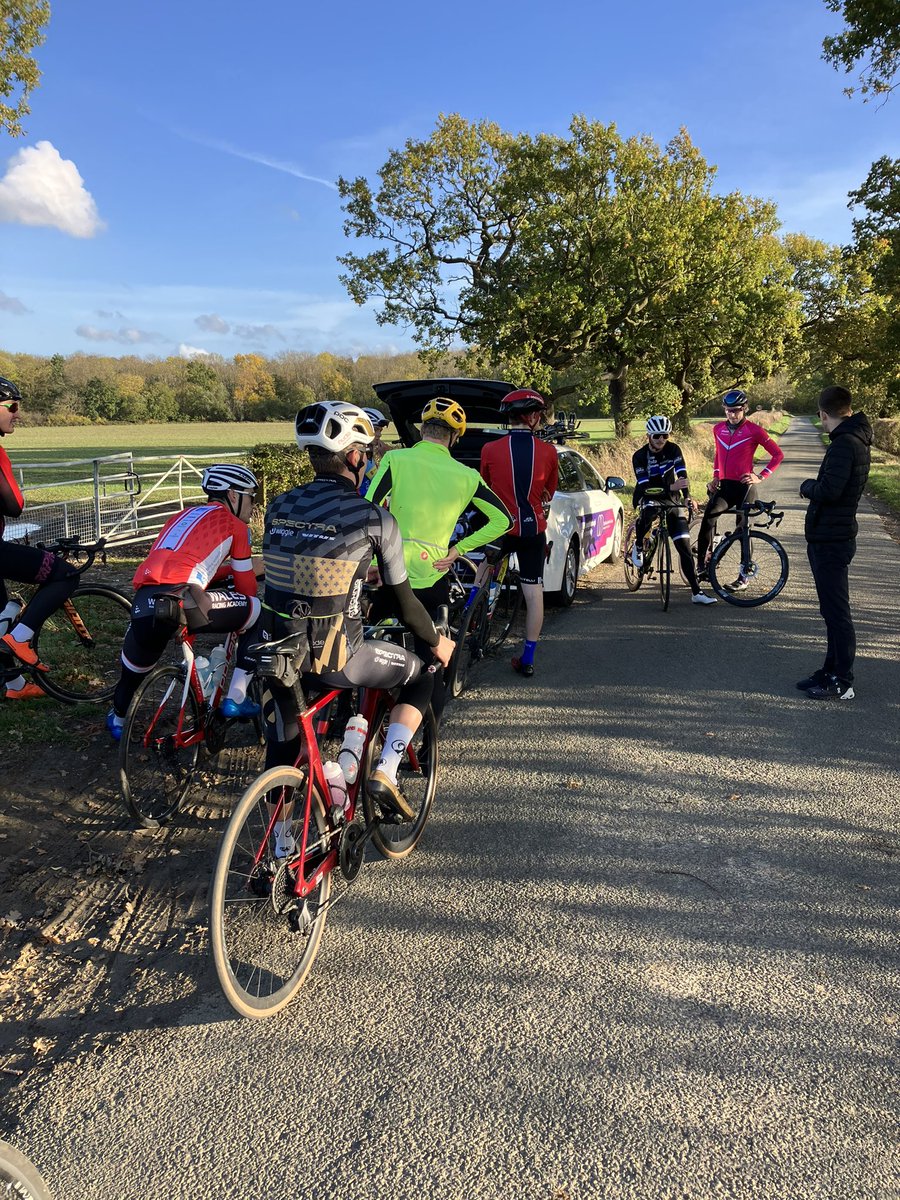
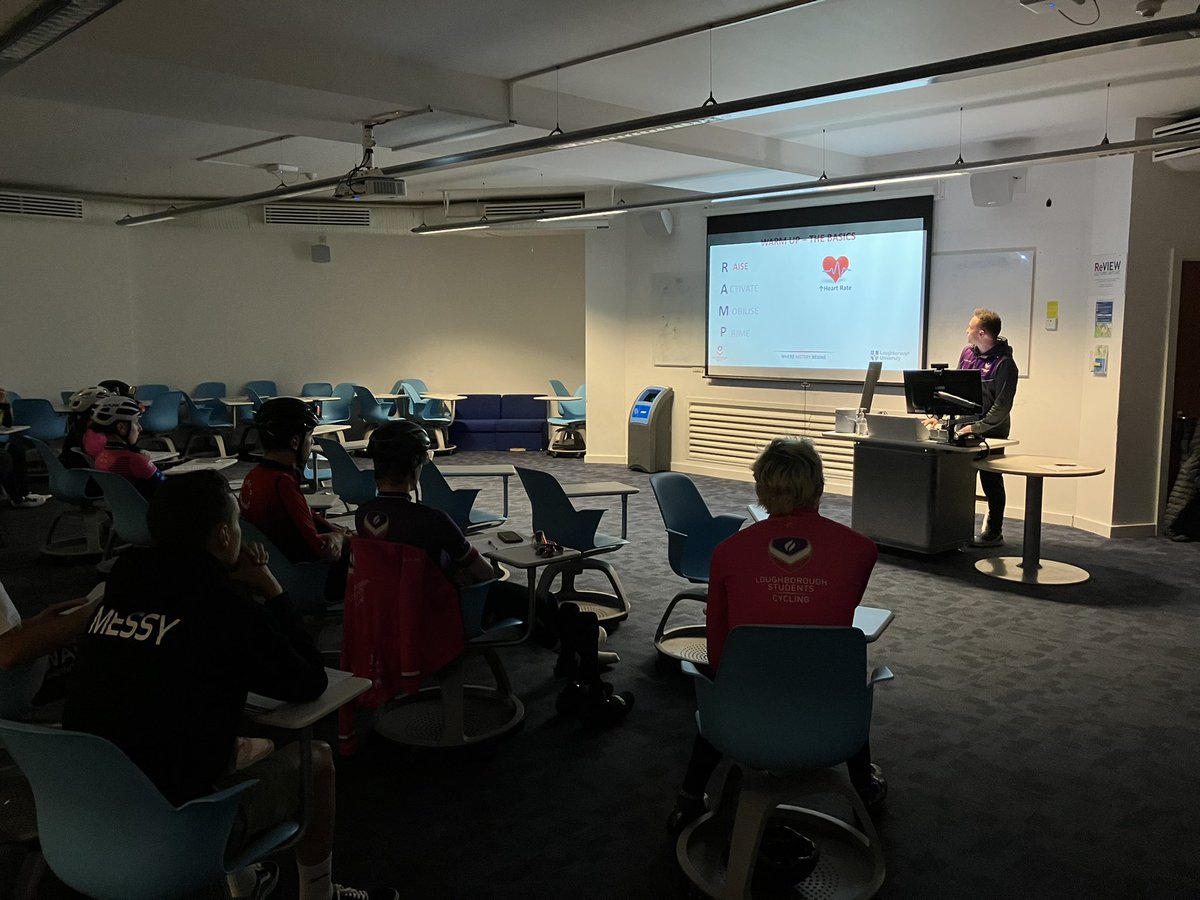
All things hill climbing this afternoon with @Lboro_Cycling. Workshop on priming warm ups, acute nutrition strategies, and pacing plans followed by a recon to test the legs on the climb!
📝ACCEPTED @IJSPPjournal🚨
Differences in MMP between cycling performance levels and rider types are dependent on torque rather than cadence, which might support the role of torque development on performance (n=177).
@DrMarkBurnley @Spragg_Perform@HeWaHippo@AndyBeetroot@BlueSpotScience And very few studies (acute muscle signalling responses and chronic training effects) have used truly moderate intensity (<LT1) exercise... even though it makes up the majority of training volume!
Following on from my presentation @ScienceCycling here is the full paper in @EurJSportSci investigating power-cadence and torque-cadence relationships derived from standard 1 Hz data.
Some exciting projects are in the pipeline.
https://t.co/7IIs1eBb4u
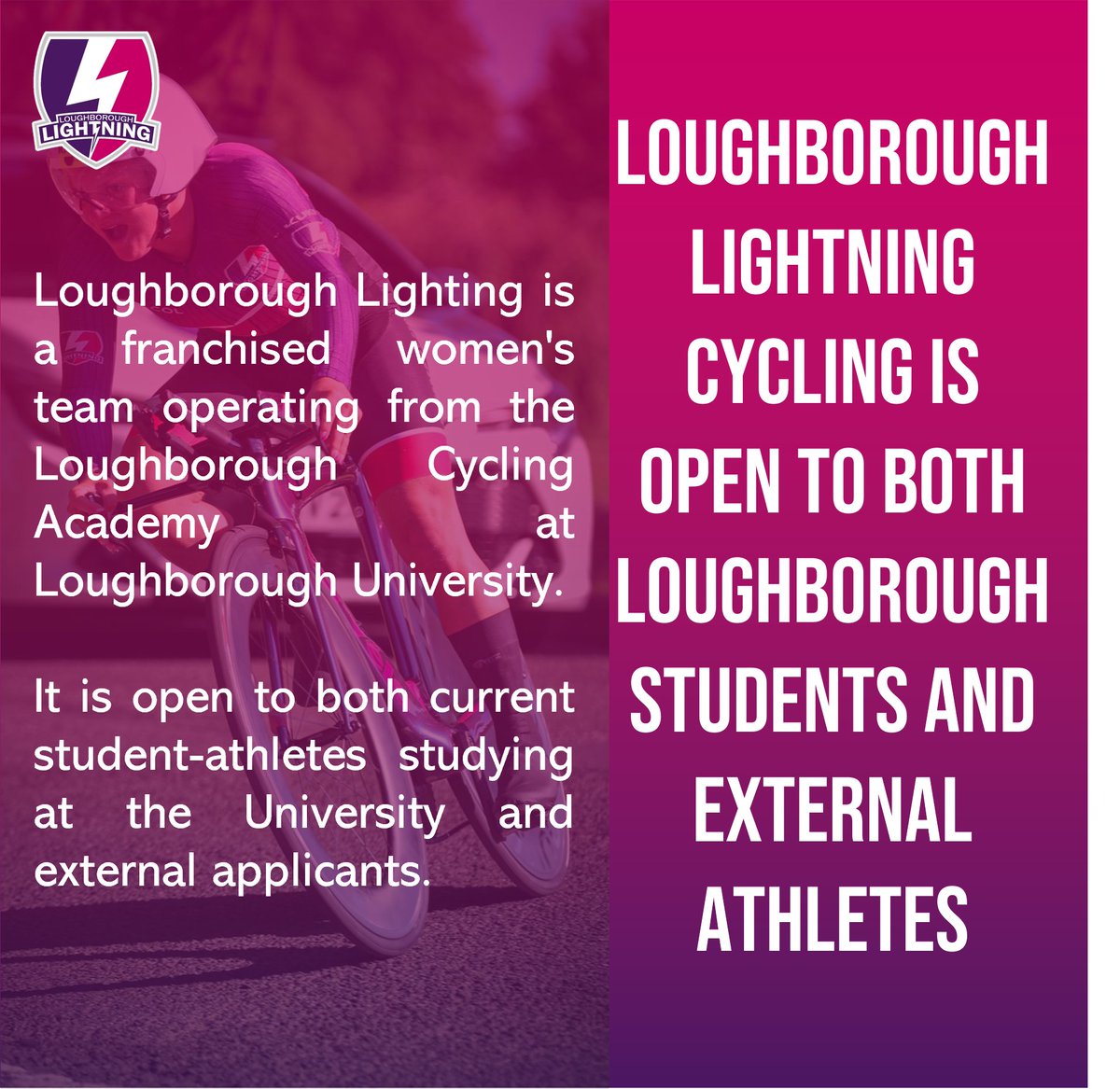
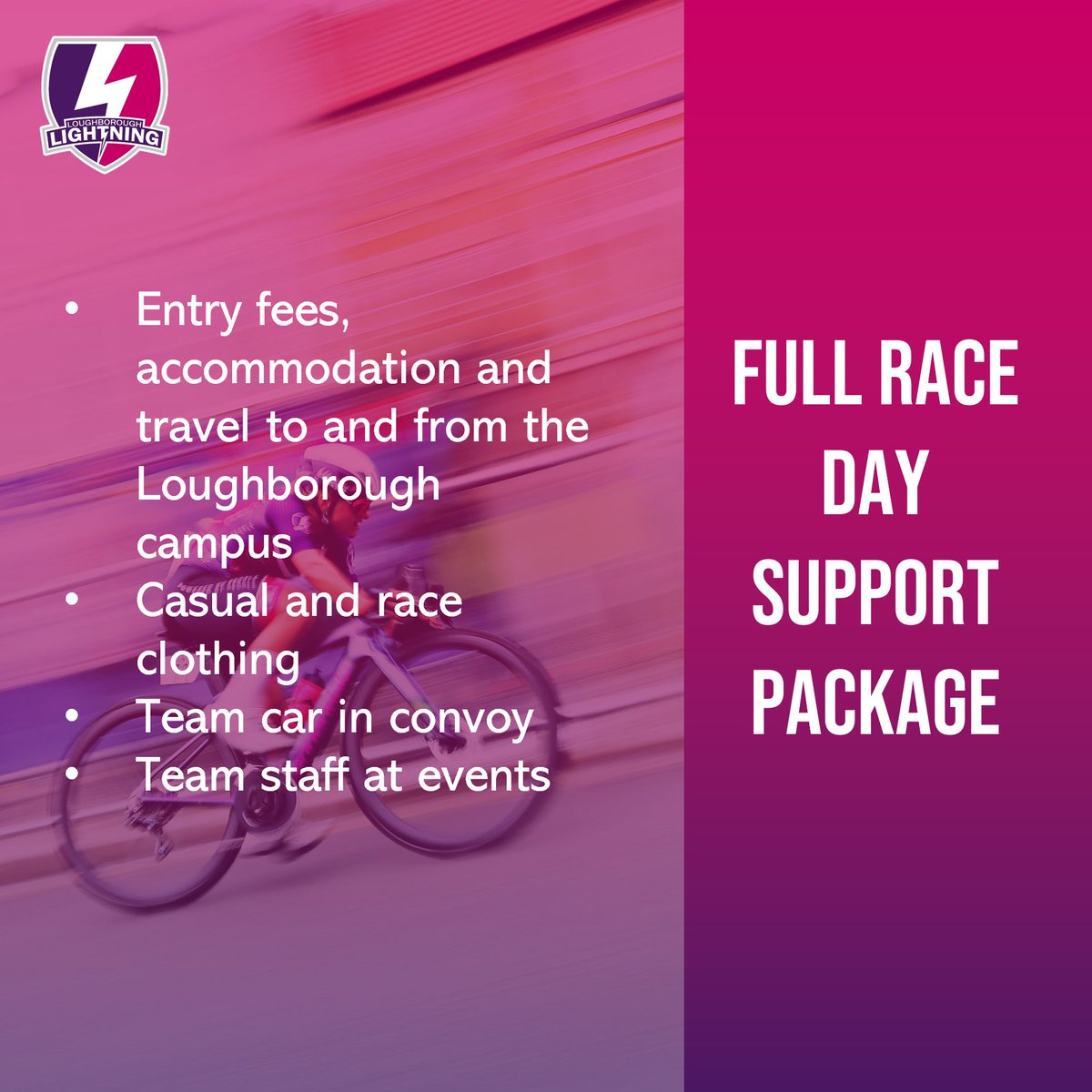
⚡️Applications to join our ambitious team are now open for the 2023 season! ⚡️
Our race calendar is growing, and our unique, world-class backroom offer provides un-rivalled coaching and performance support to ensure riders reach their full potential.
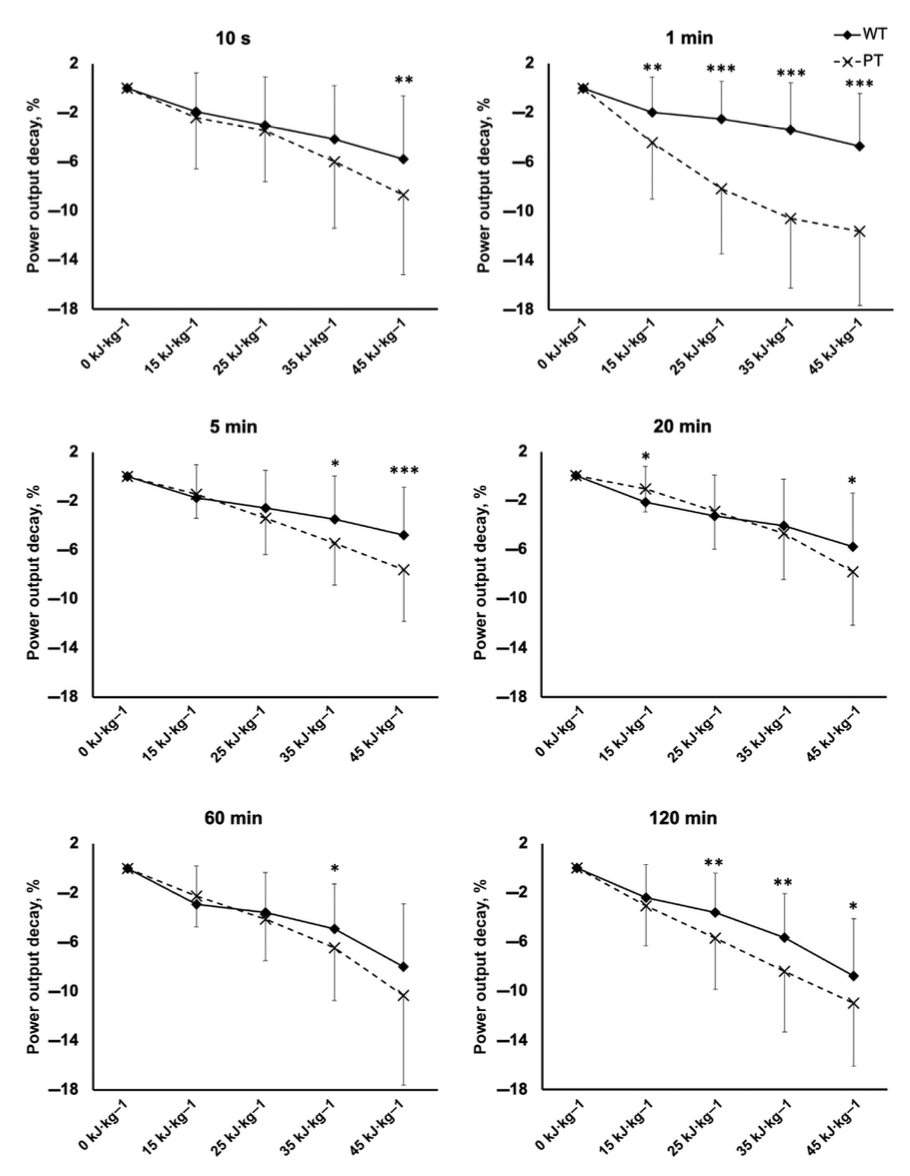
World Tour riders better preserve their power profile (10 secs to 2 hrs) in the fatigued state compared to Pro Conti riders.
Biggest differences come after 25-35 kJ/kg = 70kg rider at ~290W for 2 hours.
Paper and key figure⬇️
Riding for two 2 hours at tempo (heavy domain) results in:
⬇️ 10% critical power
⬇️ 20% W’
Consuming carbohydrate at 60 g per hour preserves critical power (but doesn’t rescue W’).
https://t.co/XGogc1XpeE
https://t.co/BLh30OBIbH
Impressed by the @UnoXteam 'hub' presented at @ScienceCycling conference last week.
Whilst it might have some immediate benefits, I think the greatest advantage might come 2-3 years down the line when they have a huge database to inform decision making.