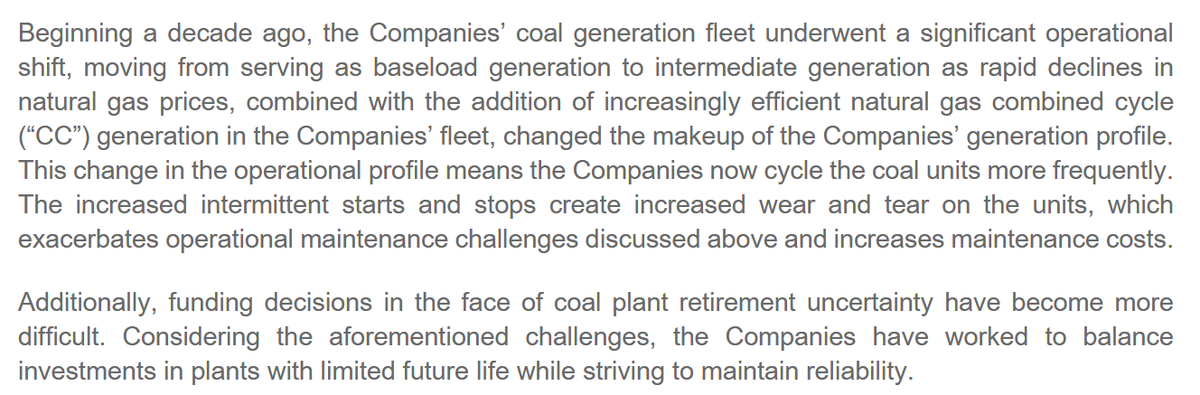
An interesting note about the energy bill moving through the NC House today: Lawmakers say they consider coal, natural gas and nuclear as baseload power. But Duke Energy's own 2025 resource plan says it hasn't used coal plants as baseload power for a decade.
NEW: Duke Energy disclosed in its latest shareholder presentation that its new CEO earned about $13.6 million in 2025, a report that comes as the utility faces mounting criticism over rising electricity costs and requests for rate increases in NC.
North Carolina families don’t need higher energy costs. An independent analysis concluded Senate Bill 266 could cost consumers $23B through 2050.
This bill would also force families to pay more so industry can pay less.
And it walks back North Carolina’s commitments to reduce carbon emissions – sending the wrong signal to businesses that want to be part of our growing clean energy economy.
For these reasons, I vetoed SB266.
With a Senate vote yesterday, a bill striking Duke's interim carbon dioxide reduction target and shifting some power costs to residential customers is on Josh Stein's desk: https://t.co/0xnL8iN5Fd
1/ A thread about James C. Scott and rivers.
It seems (?) Scott had been preparing another polymath magnum opus about rivers over the last 20 years, in addition to research on Burma.
I hope he left enough notes and drafts that his protégés & students can write something up.
China's thermal (coal and gas) power generation fell 7% on year in June, accelerating from a 4% drop in May. Solar power continued to deliver most of power generation growth, and the recovery of hydropower from earlier droughts helped push fossil fuels down sharply.
Industrial emissions likely fell too, with cement production down 11% and iron production 3%. Steel products output grew 3%, showing that there was progress in increasing the share of recycled steel.
Crude oil processing volumes, an indicator of oil products consumption, also fell 4%.
The production of electric vehicles grew 37% while overall vehicle production was almost flat, raising the share of EVs to 39% of all vehicles produced.
Total energy consumption grew about 4.2% in the second quarter, while GDP grew 4.7%. The pattern of energy-intensive growth continues, with only a very modest drop in the energy intensity of GDP.
I will have a detailed analysis of the changes in emissions and power generation in a few weeks when the data is available, but it seems clear that the clean energy boom is finally bending China's emissions path.
"The ease of building and connecting new renewable projects in Texas relative to elsewhere has been one of the key reasons for the state’s clean energy boom.... [N]ew power generation takes about half as long to come online in Texas as elsewhere." https://t.co/5IkpCwQWOc
EPA's new power plant rules should send utilities with gas-heavy resource plans back to drawing board, but at least one major utility has suggested it may propose even more gas in response. You read that right.🧵(1/7)
Duke is facing an extinction-level event. If they lose to State in the Elite 8 two years after losing to Carolina in the Final 4, the basketball program will be canceled.
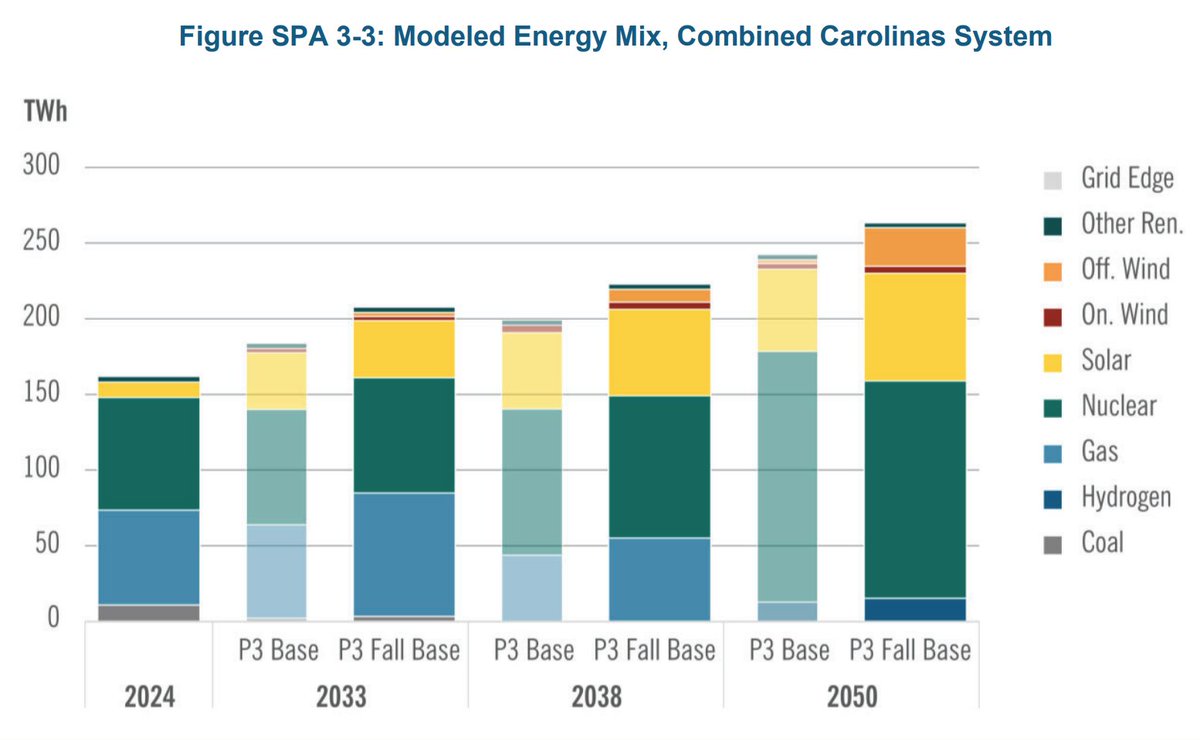
Duke proposes 7GW of new gas CCs, but they forecast zero gas gen and only 6% hydrogen gen by 2050. As I told @byadamwagner@newsobserver, "these facilities may be among the most expensive CC gas plants recently proposed in the US, on a levelized basis.” https://t.co/S0cX0wwaDi
THE ERA OF FLAT POWER DEMAND IS OVER. Good or bad, we need to plan some infrastructure. Large loads, new manufacturing, data centers, EVs, electrified heating, severe weather, and potentially hydrogen. Our new nation-wide survey is out! @Wilson_Energy https://t.co/1HPpnlntPH









![scottlincicome's tweet photo. "The ease of building and connecting new renewable projects in Texas relative to elsewhere has been one of the key reasons for the state’s clean energy boom.... [N]ew power generation takes about half as long to come online in Texas as elsewhere." https://t.co/5IkpCwQWOc https://t.co/MPxYFLWL95](https://pbs.twimg.com/media/GObfgifWMAAZijy.jpg)