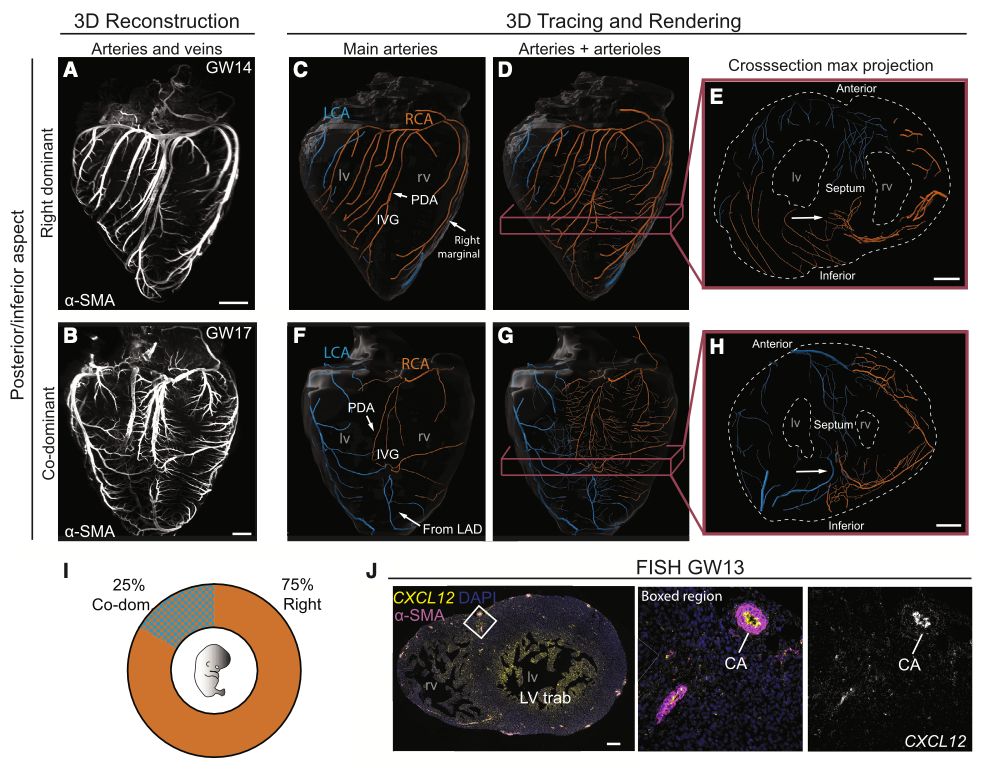
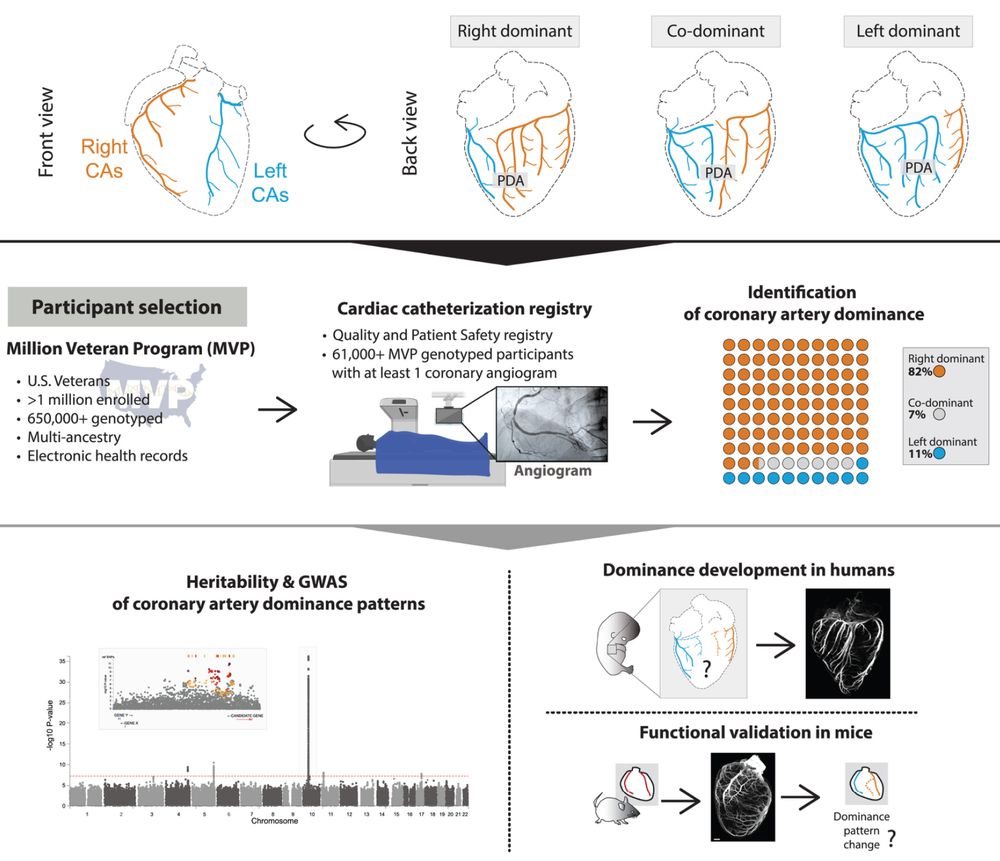
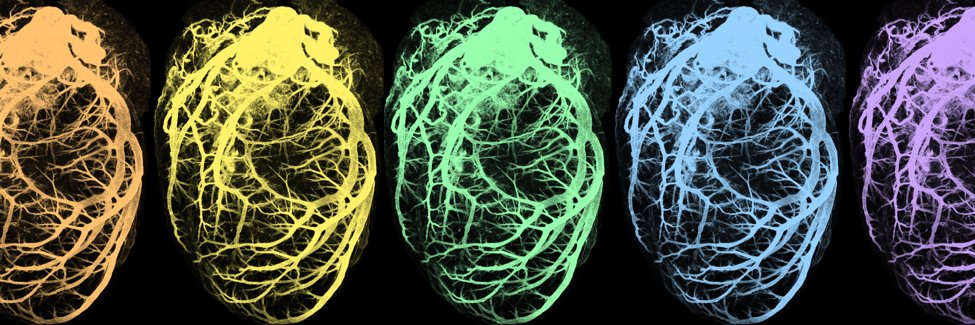
"Among all the uncertainty, you can always count on awesome science to make you smile. Check out our latest @CellCellPress interdisciplinary endeavor—a reminder that we all have a 🫀, whether right-dominant or not! https://t.co/ldPFuvMdTn
I am a fan of @ifanirene work. This is an incredible study, featuring one of the most iconic Peruvian (and Andean) animals, the Cuy (guinea pig). Congratulations!
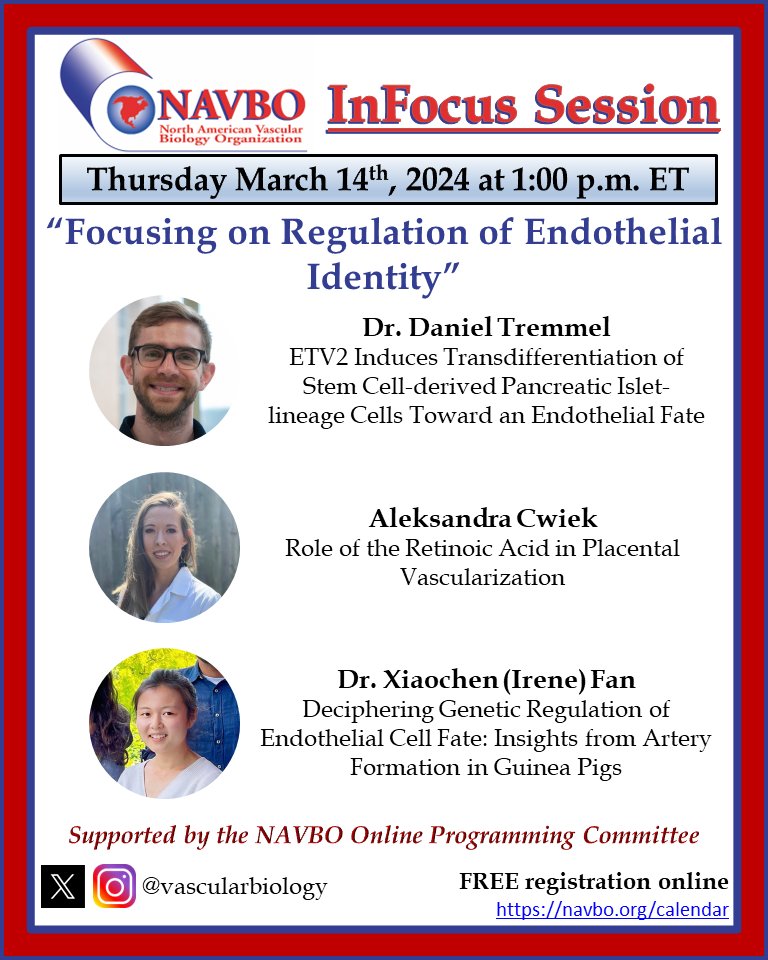
Why do guinea pigs have so many natural bypass arteries?
In our preprint, we use this ischemia-resistant mammal + in vivo Perturb-seq to ask how protective collateral arteries are built.
The surprise: more collaterals may come from turning down “artery repressor” pathways, including WNT, hypoxia-response, and TCA cycle.
Knocking down selected repressors increased pial collaterals in mouse brain.
@RonghaoZhou@kristyredhorse@jengreitz@BRaftrey@PamR33 @ChenMaggieSY
https://t.co/mZUZXyzRH9
Latin American genomics is on fire! 🔥. Now is the genetic diversity of South American genomes in the cover of @Nature! Great work by @MacsCastro and @hunemeier_t's research team! Congrats!👏 https://t.co/CXZPcT6aEc
Excited to share our preprint, reviving @kristyredhorse's interest in the placenta from her PhD ~20 years ago! We find using 3D imaging that the mouse placenta is far more invasive than previously thought. Furthermore, we find a surprise from our favorite chemokine CXCL12...🧵:
The AI Scientist, a new @Nature article making the case:
"The dawn of a new era in which the process of discovery is no longer a solely human pursuit and in which the pace at which we are able to reap the harvest of scientific discovery could accelerate dramatically."
https://t.co/tGFNy2MQ5N
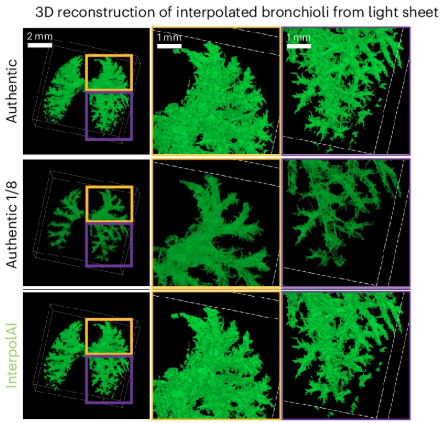
Can a deep learning model know your data well enough to predict missing parts? InterpolAI accurately interpolates synthetic images between pairs of authentic images to “repair” tissue damage and reduce stitching artifacts across modalities. @deniswirtz https://t.co/iCpyNEphnY
"Among all the uncertainty, you can always count on awesome science to make you smile. Check out our latest @CellCellPress interdisciplinary endeavor—a reminder that we all have a 🫀, whether right-dominant or not! https://t.co/ldPFuvMdTn
The most exciting implications of my work is a layer of cell type specific epigenetic memory regulation through chromatin organization. Instead of a euchromatin and heterochromatin binary, differing degrees of chromatin stability may help to regulate plasticity: