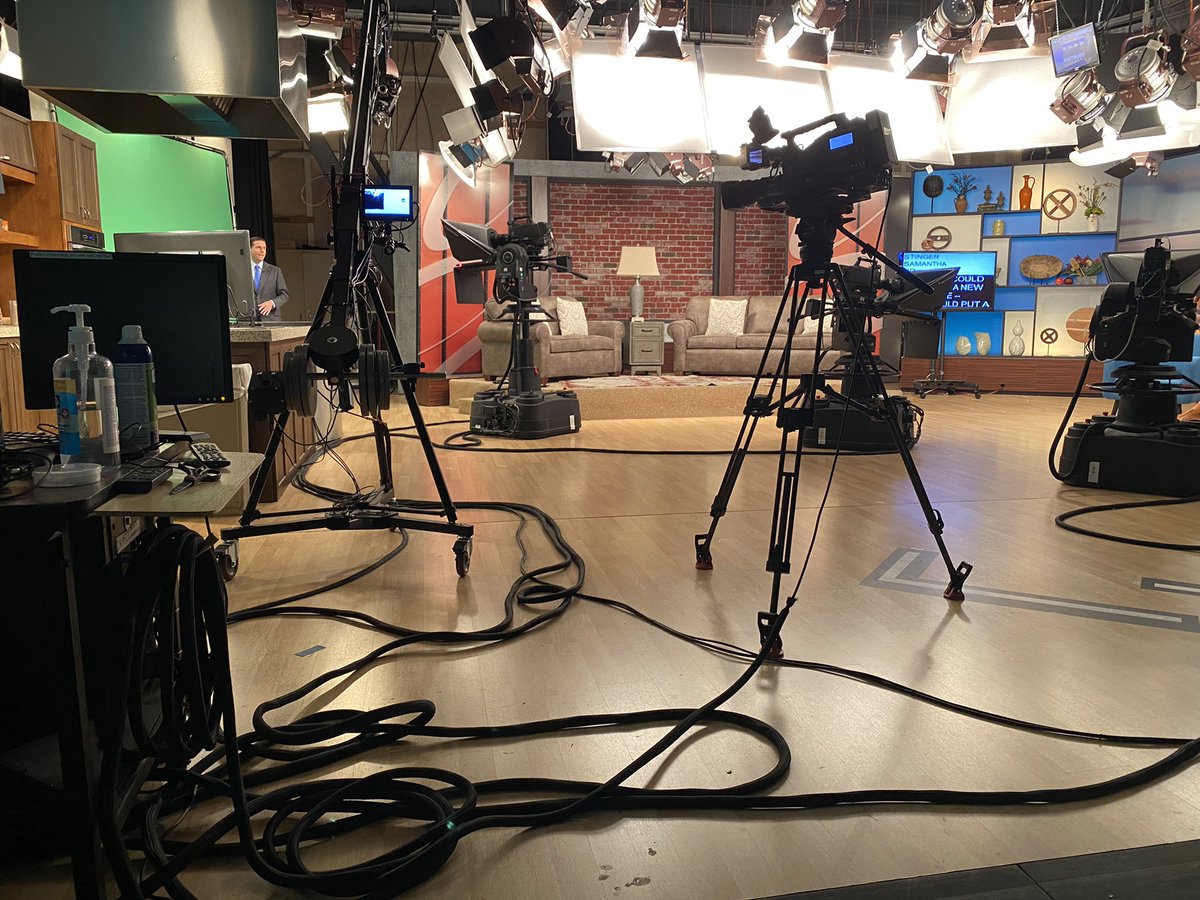
Each year in the United States, an estimated 350,000 people experience sudden cardiac arrest in the community. If you know how to perform CPR you could save a life. Comilla Sasson, M.D., Ph.D., has more. https://t.co/eon1o6ECTN
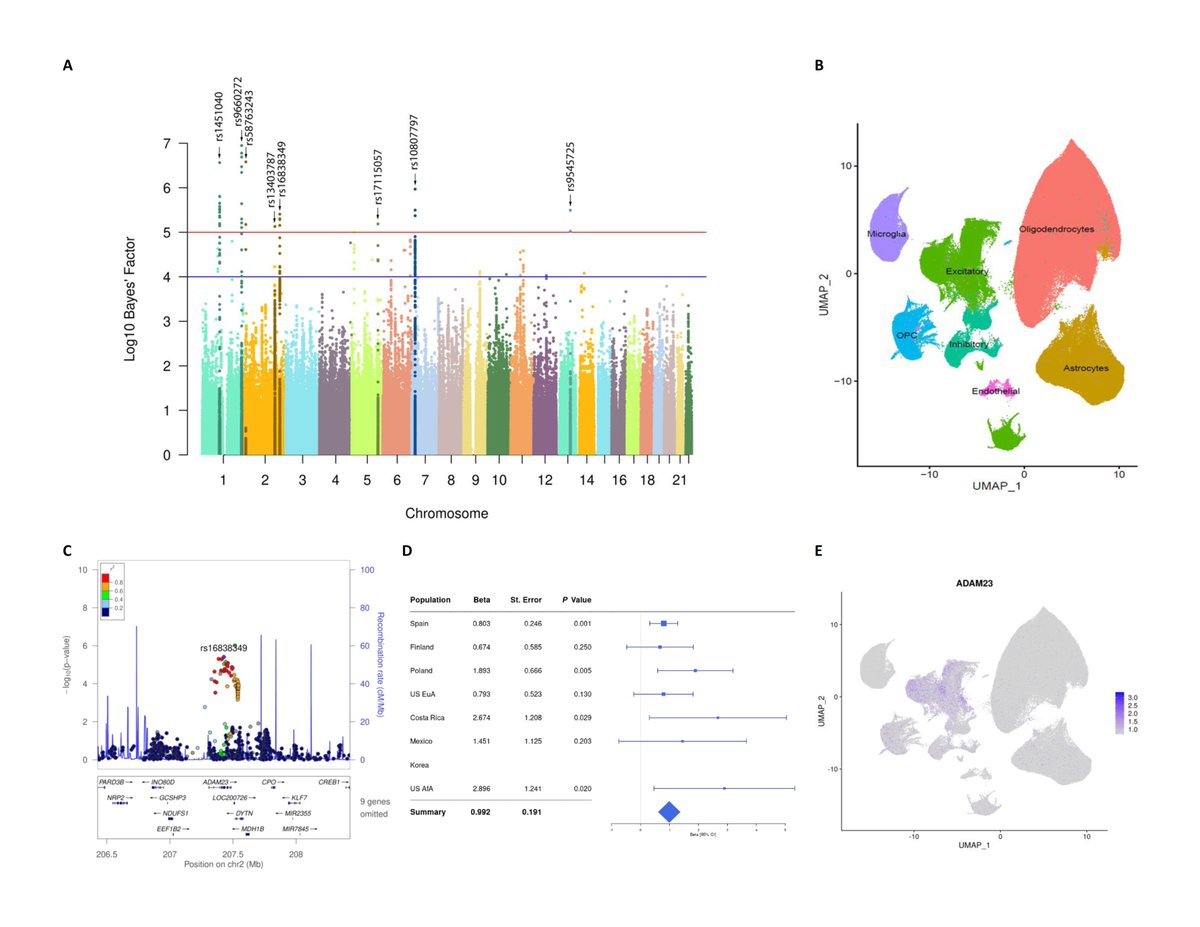
Why the first 24 hours after stroke are important? Our study published in @Brain1878 used GWAS and eQTL to identify genes regulates neuronal excitably as key players in in the long-term recovery of the patients. @Neuro_Genomics@laura_actg@JinMooLee1 https://t.co/joq3Prucf4
Effect of Intravenous Thrombolysis on Clot Survival during Mechanical Thrombectomy in Acute Large Vessel Occlusion Strokes
https://t.co/aSKNDj7h7L
@NeurosurgeryCNS
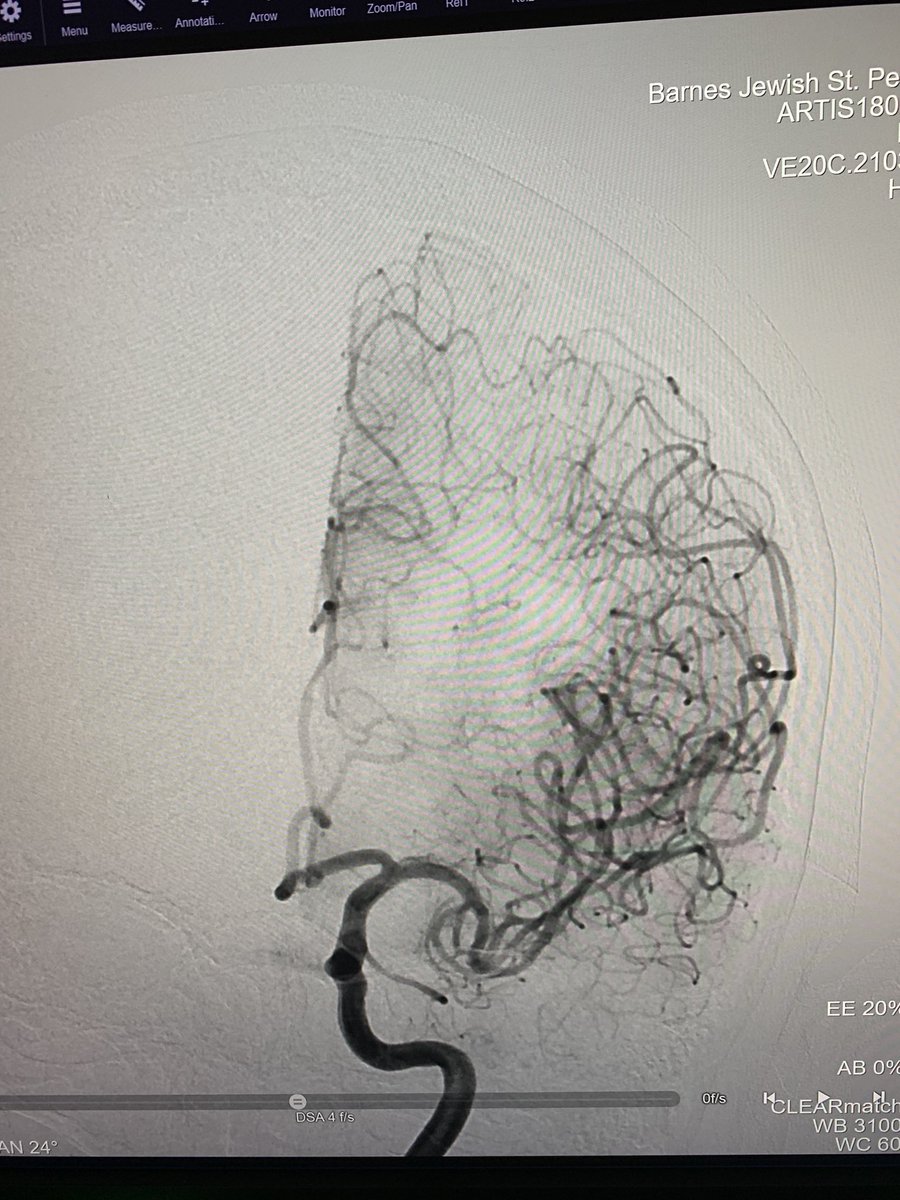
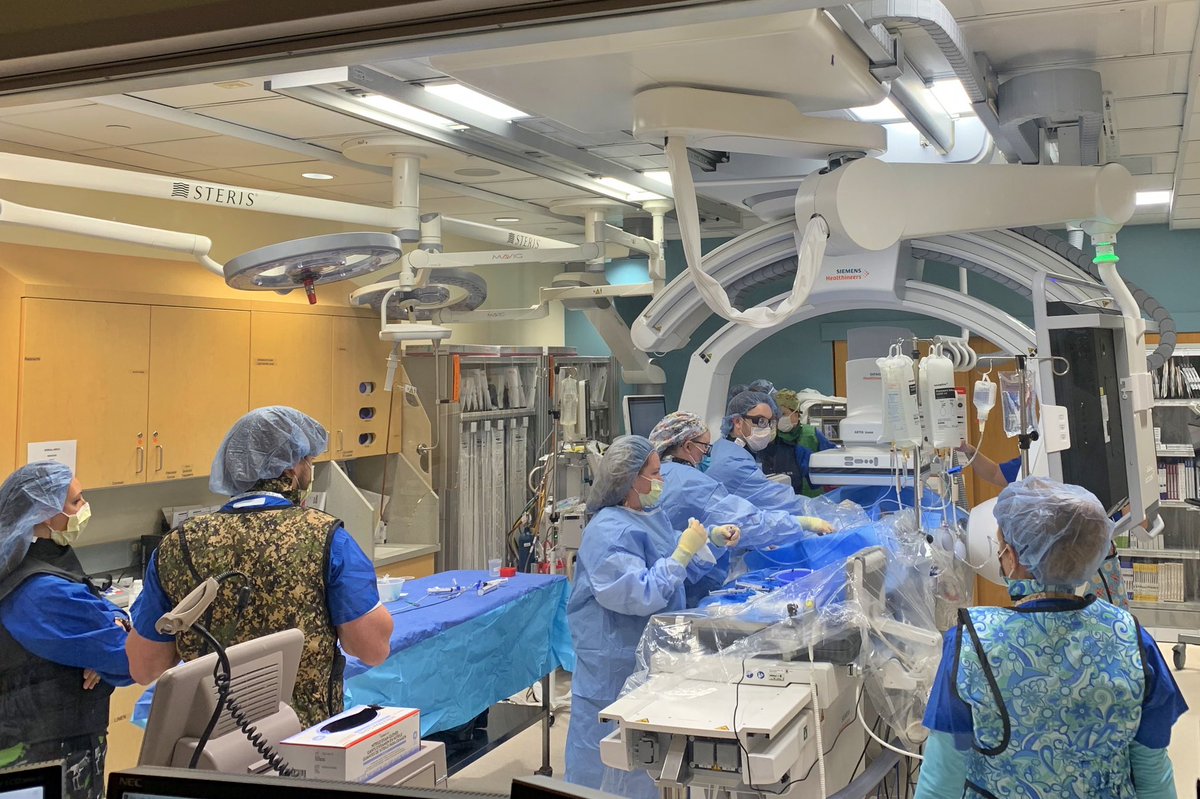
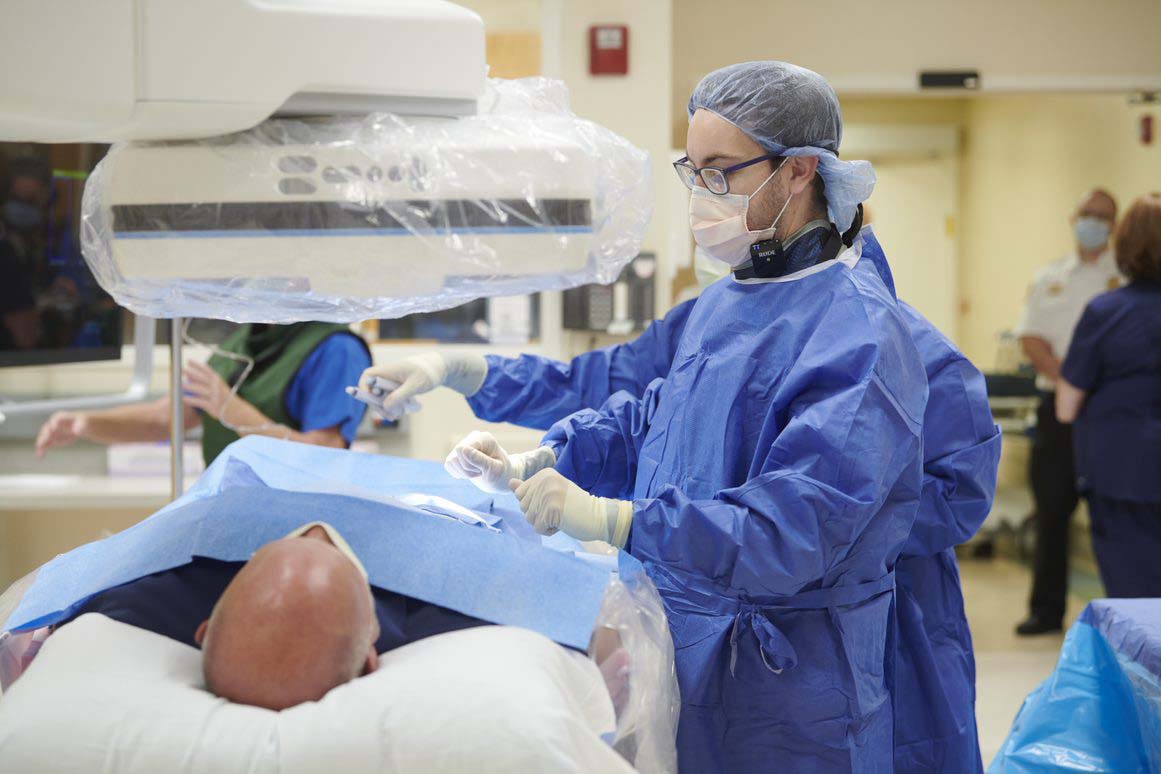
Excited to perform this first thrombectomy at @BJCStCharlesCo. In case you’re wondering, TICI2c reperfusion, and the team acted like they’ve been taking calls for months.
Our Thrombectomy Stroke Center @BJCStCharlesCo opened its doors to acute stroke patients earlier this month. Stroke volumes are up, and our endovascular team is ready including this recent thrombectomy for LVO. Congrats to all. Major advancement for St. Charles County.
A thrombectomy-capable Stroke Center has opened at @BJCStCharlesCo — the very first in our area! This technique helps rescue the brain while a patient is having a stroke. Brendan Eby, MD (@NeuroIntervener), and team are doing some pretty cool things!
A group of @WUSTLmed researchers including MIR neurointerventional radiologists studied how intravenous thrombolysis prior to mechanical thrombectomy affected clot survival. Read their findings in @NeurosurgeryCNS. #MIRresearch https://t.co/7EhSTRDLxk
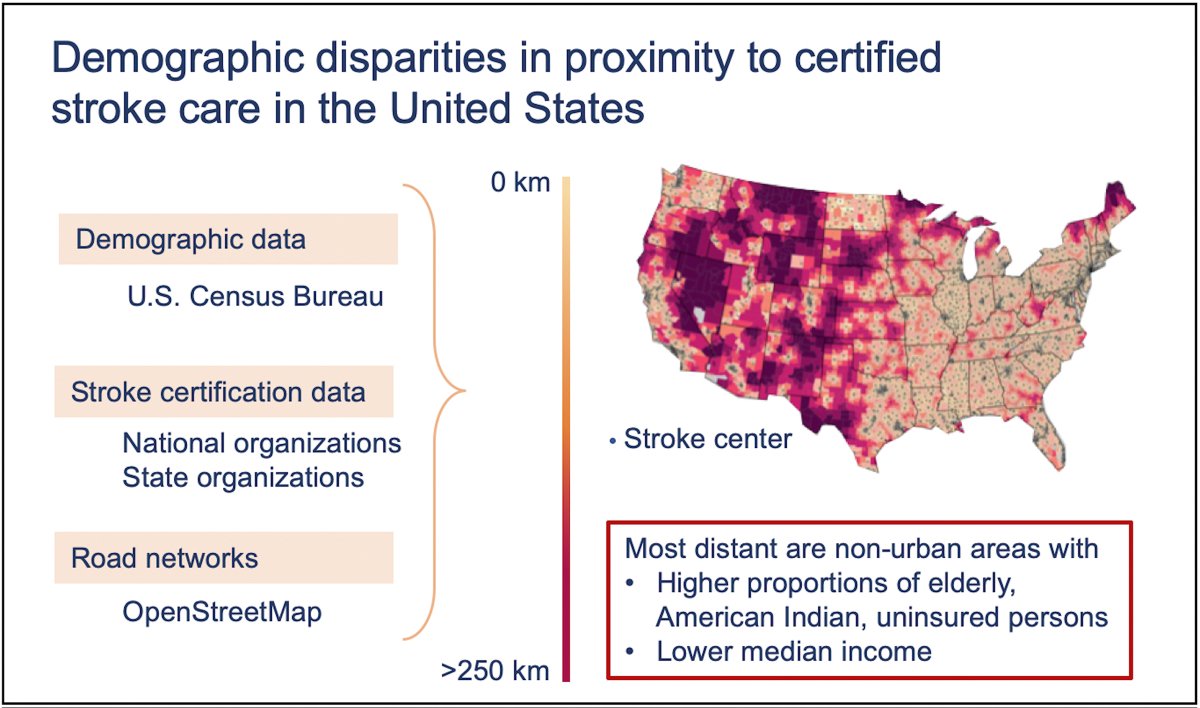
#STROKE Non-urban, American Indian, elderly, uninsured, and low-income populations had greater representation in those distant from certified stroke care in the US #StrokeDisparities https://t.co/cOr7LjR9Ia
Editorial https://t.co/3iGHrQ6R8b