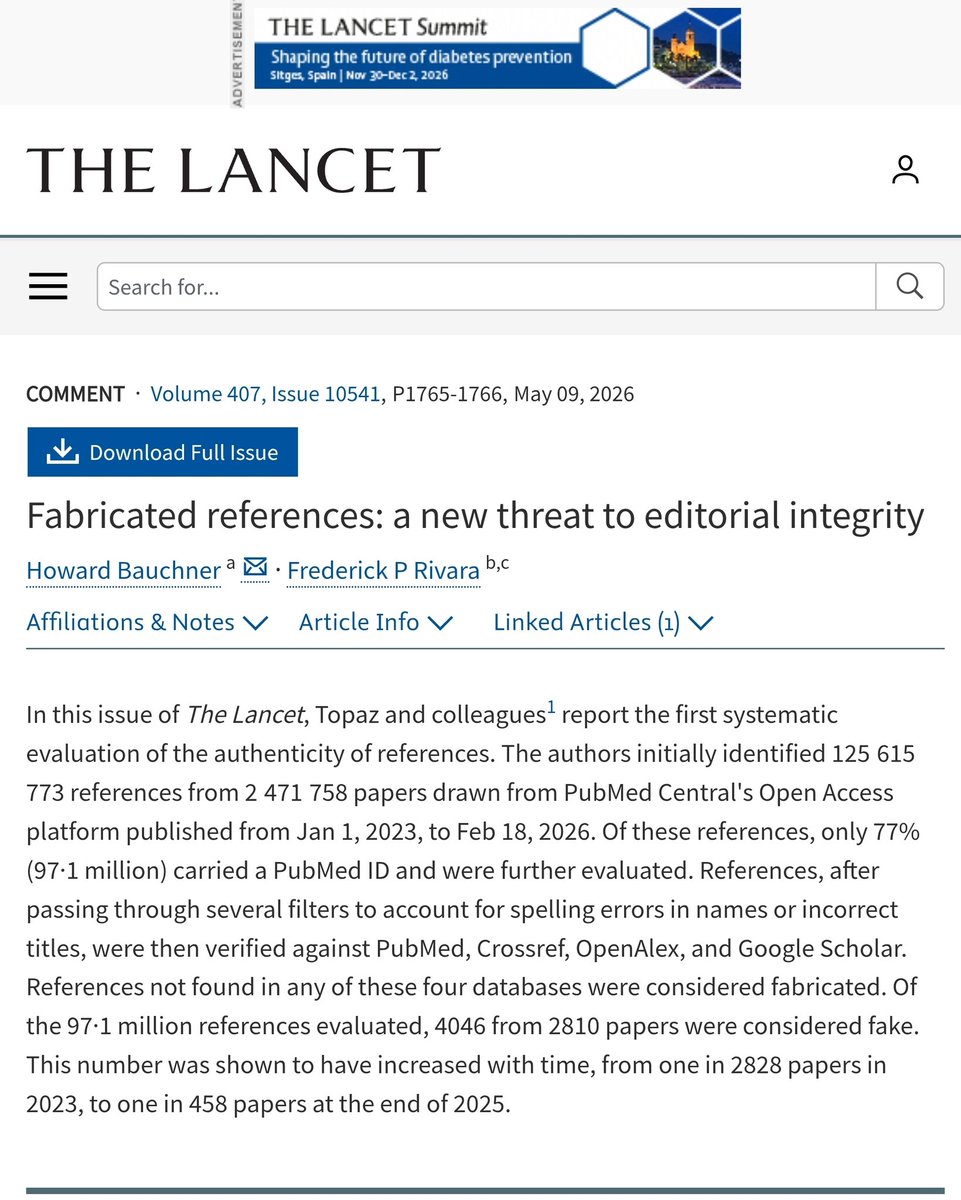
This latest paper in @TheLancet on fabricated references brought back memories of how scientific paper writing itself has evolved over the years.
The 𝐟𝐢𝐯𝐞 𝐠𝐞𝐧𝐞𝐫𝐚𝐭𝐢𝐨𝐧𝐬 of paper writing I have seen in my career.
1𝐆:
There was a time when writing a paper actually meant writing a paper.
You did the experiments yourself. Sat with notebooks. Argued with students. Repeated measurements. Fought with reviewers. Then came the references. Every one of them was usually read carefully. Sometimes photocopied from a library journal. Sometimes borrowed from a colleague. Sometimes discovered accidentally while chasing one idea after another.
Citations meant something. They reflected influence.
And people reading the paper also read it properly. They cited work because it genuinely helped them think.
2𝐆:
Then came the next phase.
People still largely wrote their own papers. References were still real and mostly read carefully. But citations slowly became social currency. Networks formed. Groups started citing groups. Conferences developed ecosystems. Journals developed ecosystems.
Sometimes whether your work got cited depended less on the paper itself and more on whether you belonged to the circle.
3𝐆:
Then the metrics era exploded.
Impact factor. h-index. Citation counts. Quartiles. Ranking tables.
Suddenly papers became targets. Quantity quietly started overtaking depth. References became longer and longer. Sometimes because science became broader. Sometimes because everyone wanted visibility.
Publishing slowly started resembling industrial production.
4𝐆:
Then came the optimization era.
Templates. Paper factories. Citation engineering. Salami slicing. Review articles written largely to accumulate citations. Researchers learning how to “position” papers for metrics rather than insight.
Many papers were no longer written to communicate understanding. They were written to satisfy evaluation systems.
The ecosystem itself started training people to optimize visibility rather than originality.
And now this latest Lancet paper points to something even more worrying: entirely fabricated references entering the scientific literature at scale.
5𝐆:
Now we are entering something else altogether.
The author uses AI to write. AI suggests references. The reviewer uses AI to summarize the paper. The reader uses AI to summarize the summary. Increasingly, nobody reads anything fully anymore.
Soon we may have AI systems citing AI generated papers, reviewed by AI, optimized for AI driven metrics, and consumed mainly by other AI systems.
The real crisis is not AI itself.
The real crisis is the gradual disappearance of intellectual honesty, curiosity, scholarship, and deep reading from the publication process.
Research papers were supposed to represent understanding.
Somewhere along the way, the paper itself became the product, and the ecosystem started rewarding production more than thought.
Stanford CS graduating class of 2026 just got their final placement statistics
Out of 312 graduates: 18 have full-time offers
That's a 5.8% placement rate from the most prestigious CS program in the fucking world
2019 placement rate was 94%. 2022 was 78%. 2024 was 31%. Now this.
The other 294 are fighting over 47 internships that require "3+ years production experience"
Career services is telling them to "consider adjacent fields" while the department just took a $50M donation from a company that replaced 2,400 engineers with Claude
One kid showed me his rejection tracker: 1,247 applications since September. 12 phone screens. Zero offers.
His parents refinanced their house for his tuition
The career fair had 8 companies and 300 desperate students in $180k of debt
Meanwhile the CS department just announced they're expanding their PhD program because "industry demand for AI research has never been higher"
The same week they sent acceptance letters to 89 new undergrads
These kids thought they were learning to be engineers. Turns out they were training to be obsolete.
Suddenly I see a lot of advertisement on TV and in newspapers marketing obesity as disease! As per my knowledge Obesity per se is not disease but a risk factor. The new ads are fear mongering and worst case of body shaming. @MoHFW_INDIA , @ICMRDELHI
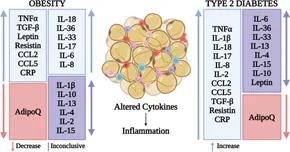
Please look at this review we just published. Cytokines and their relevance in metabolic disorder as seen from clinical studies. https://t.co/pl2VhOWfYC @Shriivikas @krishmagopal
How long does it take @officiald2h for you to restore services after recharge? Waiting eternally after having talked to your rude representatives. You don't have courtesy to reply to emails as well.
#badservicesd2h
✅✅ A reminder by Dr. Rahaf Ajaj:
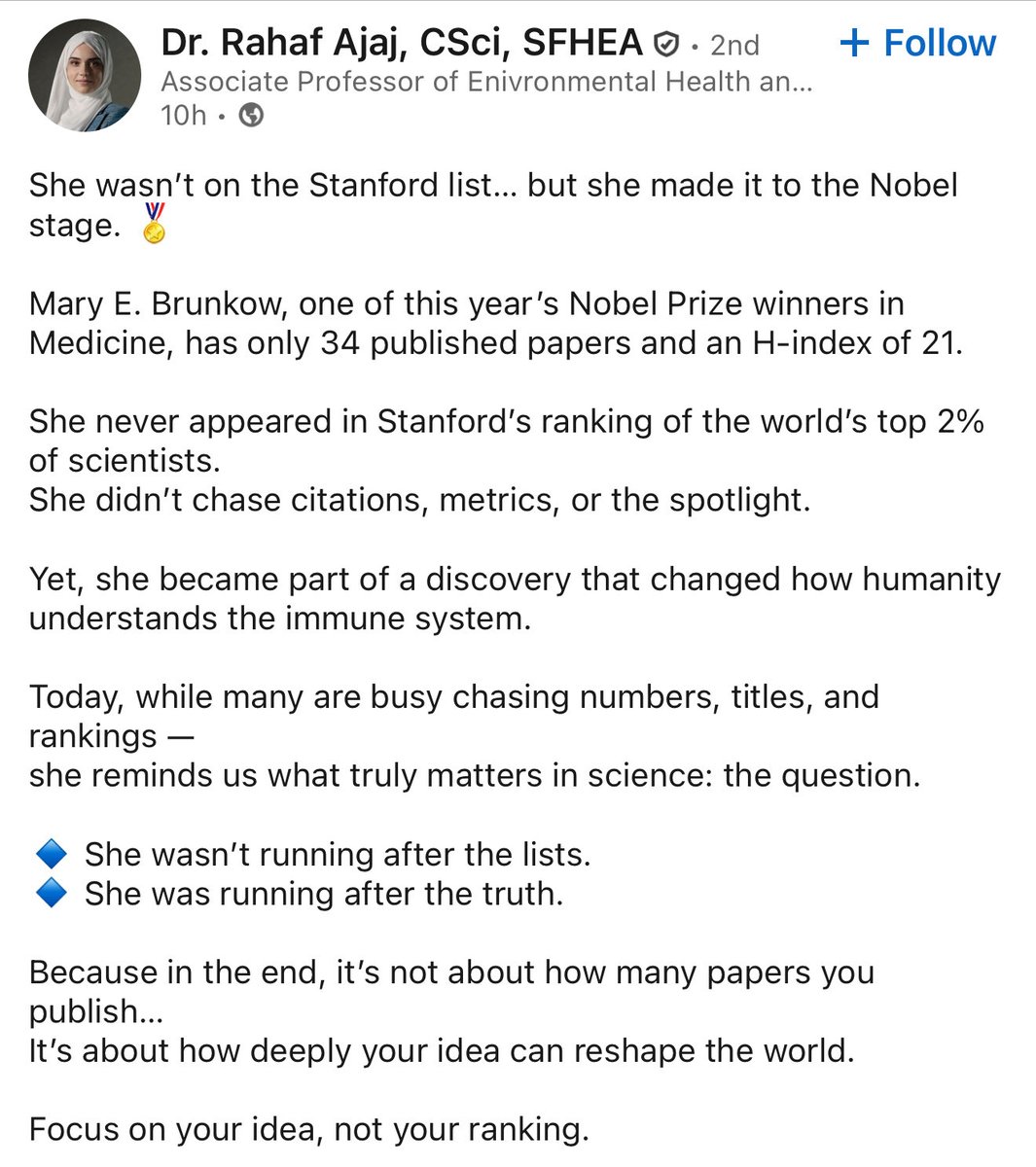
She wasn’t on the Stanford list… but she made it to the Nobel stage. 🏅
Mary E. Brunkow, one of this year’s Nobel Prize winners in Medicine, has only 34 published papers and an H-index of 21.
She never appeared in Stanford’s ranking of the world’s top 2% of scientists.
She didn’t chase citations, metrics, or the spotlight.
Yet, she became part of a discovery that changed how humanity understands the immune system.
Today, while many are busy chasing numbers, titles, and rankings —
she reminds us what truly matters in science: the question.
🔹 She wasn’t running after the lists.
🔹 She was running after the truth.
Because in the end, it’s not about how many papers you publish…
It’s about how deeply your idea can reshape the world.
Focus on your idea, not your ranking.
Cases of Acute Myeloid Leukaemia (AML) - a rare, fast-growing cancer of the blood and bone marrow - are rising in the 30-40 age group. Individuals previously exposed to radiation or chemotherapy may be at higher risk. A simple blood test can help detect AML early.
प्रण तुम्हे तो याद ही होगा
जो किया था अनुजों से|
शिश नहीं झुकने दुंगा
माता का कभी जीवन मे |
प्रण तुम्हे तो याद ही होगा
जो किया था बहनो से
प्रतिशोध लिया जायेगा
सिदुंर मिटाने वालोंसे|
घौरी को क्षमा कर ने कि
चुक न कर बैठना तुम |
शत्रु को केवल मृत्युदंड हो
ऐसा शिवाजीसा रहना तुम
IISER Tirupati, announces PHD admissions 2025 batch in the disciplines of Biology, Chemistry, Physics, Mathematics, Earth and Climate Sciences, Humanities and Social Sciences, and associated interdisciplinary areas of research.
https://t.co/M1Zvqgv4Gp