1/ BonkDAO 사건의 실제 타임라인입니다.
- 6월 30일 08:25
BIP-76 악의적 제안 생성 및 투표 시작.
- 7월 4일 ~ 5일
공격자가 거래소에서 8,823억 BONK를 확보. (Binance 약 5,304억 개, 또 다른 거래소 핫월렛에서 약 3,519억 개)
- 7월 5일 04:46
확보한 8,822억 BONK를 거버넌스에 예치(락업)하며 투표권 확보.
- 7월 5일 06:56
공격자가 찬성표 8,823억 BONK를 행사. 당시 기존 커뮤니티의 반대표는 7억 1,085만 BONK에 불과했습니다. (공격자의 투표 물량이 기존 반대표의 약 1,240배였습니다.)
- 7월 6일 08:25:39 투표 종료.
- 7월 6일 08:26 종료 49초 만에 자동 실행. Treasury에서 약 2,000만 달러 상당의 BONK가 공격자 지갑으로 이동.
2/ 국민 대부분이 정치에 관심이 없는 나라에서는,
밤사이에 중요한 법안이 날치기로 통과되는 일이 생기곤 합니다.
날치기로 통과되었다는 사실 조차 모르고 살죠. 당장 내 이해관계에 아무 영향도 안주니까 말이죠.
이번 사건도 크게 다르지 않았습니다.
스마트 컨트랙트가 해킹당한 것이 아닙니다.
프로포절은 6일 동안 공개되어 있었고,
누구나 내용을 확인하고 투표할 수 있었습니다.
하지만 대부분은 관심이 없었습니다.
'그거 투표해봤자 토큰 가격이 오르냐'
공격자는 시스템의 버그가 아니라 사람들의 무관심을 공격한겁니다.
결국 거버넌스는 소수의 손에 넘어갔고,
Treasury까지 가져갈 수 있었습니다.
그리고 자신의 이해관계에 문제가 생기니 이제서야 관심을 갖죠.
그런게 어딧냐고..
3/ 문득 궁금해집니다.
자신이 보유한 토큰의 프로젝트에 어떤 프로포절이 올라와 있고,
언제 투표가 시작되고,
거버넌스에 실제 참여하는 홀더는 과연 몇 %나 되는지,
대부분은 가격은 매일 확인하지만,
거버넌스는 한 번도 열어보지 않습니다.
하지만 참여하지 않는 탈중앙화는,
결국 소수에게 모든 권한을 넘겨주는 것과 다르지 않습니다.
BonkDAO 사건은 스마트 컨트랙트 해킹 사건이 아니라,
무관심이 만든 2,000만 달러짜리 거버넌스 공격이었습니다.
장담하건데, 99% 이상의 프로젝트도 이와 별반 다르지 않을겁니다.
4/ 탈중앙화는 권한을 분산시키는 구조입니다.
하지만 그 권한을 가진 사람들이 아무도 사용하지 않는다면, 결국 그 권한은 가장 적극적인 소수에게 집중됩니다.
탈중앙화는 시스템이 만드는 것이 아니라,
참여하는 사람들이 만드는 것입니다.
BonkDAO 사건은 그 사실을 아주 비싼 수업료를 내고 보여준 사례가 아닐까 싶습니다.
코인판은 이제
하나의 시장이 아님.
둘로 갈라지고 있음.
하나는
이성으로 가치가 설명되지 않는,
감정이 지배하는 시장.
다른 하나는
이성으로 가치가 설명되는,
숫자와 구조로 말할 수 있는 시장임.
예전 알트코인의 대부분은
첫 번째 시장에 가까웠음.
그 코인을 왜 사냐고 물으면
돌아오는 답은 대체로 비슷했음.
느낌이 좋다.
내러티브가 세다.
희소하다.
커뮤니티가 강하다.
이번 사이클의 주인공이 될 것 같다.
이런 말들은
투자 논리처럼 보였음.
하지만 냉정하게 말하면
많은 경우 그건 논리가 아니었음.
상승한 가격에
뒤늦게 감정을 붙여 설명한 것에 가까웠음.
물론 그때도 사람들은 데이터를 가져왔음.
tvl, 지갑 수, 트랜잭션 수, 커뮤니티 성장, 파트너십, 로드맵.
그런데 그 많은 데이터가
가장 중요한 질문에는 답하지 못했음.
그래서
이 코인을 들고 있으면
나에게 무엇이 돌아오는가.
이 질문에 답하지 못하면
그 자산은 결국
이성의 영역이 아니라
감정의 영역의 자산임.
사용되는 자산이 아니라,
갖고 싶은 자산.
현금흐름에 대한 권리가 아니라,
누군가 더 비싸게 사주길 바라는 기대.
이게 꼭 나쁘다는 뜻은 아님.
감정도 시장이고
밈도 가격이 붙으며
희소성도 사람을 움직임.
다만,
감정으로 움직이는 자산을
이성으로 설명 가능한 투자라고 착각하는 순간 문제는 발생하는거임.
1/ 감정이 지배하는 시장
감정이 지배하는 시장에서는
가치보다 분위기가 먼저 움직임.
왜 오르는지가 중요하지 않음.
오르기 때문에 이유가 생김.
사람들은
가격이 오른 뒤에
내러티브를 붙임.
기술 혁신,
커뮤니티,
미래 비전,
혁명,
패러다임 전환.
하지만 그 많은 단어들 뒤에
이 질문이 빠져 있으면
결국 설명은 완성되지 않음.
이 토큰은
왜 가져야 하는가.
감정 시장의 자산은
대개 이 질문을 피함.
대신 이렇게 말함.
이건 상징이다.
이건 문화다.
이건 정체성이다.
이건 이번 사이클의 주인공이다.
즉
가치의 언어가 아니라
욕망의 언어로 움직임.
알트코인의 상당수는
이 시장에 속해 있음.
사람들이 산 것은
사용가치가 아니라
소유욕과 기대임.
2/ 이성으로 설명되는 시장
그런데 이제
코인판 안에
다른 종류의 자산이 생기기 시작했음.
이 자산들은
적어도 질문을 피하지 않음.
실제 사용자가 있음.
실제 수수료가 발생함.
실제 매출이 남음.
그리고 어떤 경우에는
그 가치가 토큰으로 연결되는 구조도 생김.
즉
이제 일부 자산은
이렇게 설명할 수 있게 됐음.
이 프로토콜은
무엇에 쓰이는가.
누가 왜 돈을 내는가.
그 돈은 어디에 쌓이는가.
토큰은 그 가치 흐름 안에서
무슨 역할을 하는가.
이게 바로
이성으로 설명되는 시장임.
여기서는
느낌보다 메커니즘이 중요함.
커뮤니티의 열기보다
실제 사용량이 중요함.
네러티브보다
수수료 구조가 중요함.
희소성보다
가치 포착 구조가 중요함.
물론 여기서도 조심해야 함.
프로토콜이 돈을 버는 것과
토큰이 돈을 버는 것은
같은 말이 아니기 때문임.
3/ 좋은 프로토콜과 좋은 토큰은 다름
이 지점에서
수많은 사람이 착각함.
프로토콜이 매출을 만든다고 해서
토큰도 좋은 투자라고 생각함.
그건 전혀 별개의 문제일 수 있음.
어떤 식당이
장사를 아주 잘한다고 해보자.
손님이 많음.
매출도 높음.
브랜드도 강함.
그런데 네가 가진 것은
그 식당의 주식이 아니라면..?
배당권도 없고
수익 청구권도 없는
그냥 식당 로고가 박힌 멤버십 카드 같은 거라면..?
그러면 식당이 잘되는 것과
네가 돈을 버는 것은
전혀 다른 문제가 되는거임.
코인도 똑같음.
좋은 프로토콜과
좋은 토큰은 다름.
사용량이 많은 네트워크와
투자 가치가 높은 토큰도 다름.
유틸리티가 있는 것과
토큰 가격이 오르는 것도 다름.
그래서 진짜 중요한 질문은
한 단계 더 들어가야 함.
이 프로토콜은 돈을 버는가.
그 돈은 어디로 가는가.
토큰은 그 현금흐름에 지분이 있는가.
토큰을 보유해야만 하는 경제적 이유가 있는가.
이 질문에 답하지 못하면
그 자산은 여전히
감정의 영역에서 완전히 벗어나지 못한 것임.
4/ 이제 시장에 들어오는 자본의 성격이 바뀌고 있음.
예전 코인 시장의 자본은
상대적으로 감정에 더 익숙했음.
강한 내러티브,
커뮤니티 열기,
희소성,
서사,
속도감.
가격은 주로 이런 것들에 의해 움직였음.
하지만 앞으로 시장에 더 많이 들어올 자본은
다른 문법에 익숙할 가능성이 높음.
기관 투자자도 그렇고,
기존에 주식 시장에 있다가
코인 시장으로 넘어오는 투자자도 마찬가지임.
이들은 감정이 없는 사람들이 아님.
내러티브를 안 보는 사람들도 아님.
다만
감정'만'으로는 움직이기 어려운 자본임.
왜 이 자산을 사야 하는지,
그 이유를 숫자와 데이터로 설명할 수 있어야 함.
유동성은 충분한가.
시장 깊이는 있는가.
수수료는 발생하는가.
매출은 남는가.
그 매출이 토큰 가치와 연결되는가.
가치 포착 구조는 있는가.
fdv는 정당한가.
락업 리스크는 어떤가.
규제와 커스터디 문제는 감당 가능한가.
이런 질문에
답할 수 있어야 함.
이건 단순히
더 똑똑한 자본이 들어온다는 뜻이 아님.
더 설명을 요구하는 자본이 들어온다는 뜻임.
주식 시장에서 넘어온 자본은
적어도 겉으로는
매출, 이익, 밸류에이션, 유동성, 리스크 관리라는 언어에 익숙함.
그래서 코인 시장에 들어와서도
감정의 언어만으로 움직이는 자산보다는
숫자와 구조로 설명 가능한 자산에
더 큰 비중을 둘 가능성이 높음.
즉 앞으로의 변화는
감정이 사라지는 게 아님.
감정만으로도 돈이 몰리던 시장에서,
감정 위에 숫자와 데이터가 더 강하게 요구되는 시장으로 바뀌는 것임.
그리고 이 변화는
알트 시장 내부의 격차를 더 크게 만들 가능성이 높음.
설명 가능한 코인과
설명 불가능한 코인.
숫자로 증명되는 자산과
분위기로만 버티는 자산.
앞으로는
이 둘이 같은 시장 안에 있어도
전혀 다른 평가를 받게 될 가능성이 높음.
5/ 그래서 다음 알트장은 무차별 상승장이 아니라, 설명 가능한 자산의 선별장이 될 수 있음
그래서
알트 불장이 온다는 말을
그대로 믿으면 안 됨.
더 중요한 건
알트냐 아니냐가 아님.
무엇이 감정의 언어로만 팔리고 있고,
무엇이 이성의 언어로도 설명될 수 있느냐임.
다음 시장에서
밈은 여전히 오를 수 있음.
희소성도 여전히 팔릴 것임.
커뮤니티도 여전히 가격을 움직일 것임.
하지만 그와 별개로
설명 가능한 자산의 프리미엄이
점점 더 커질 가능성이 있음.
이 프로토콜은 실제로 돈을 버는가.
그 돈은 토큰과 연결되는가.
그 연결은 구조적으로 지속 가능한가.
그 자산은 단순한 이야기인가,
아니면 보유해야 할 경제적 이유가 있는가.
이 질문에 답할 수 있는 토큰과
답하지 못하는 토큰의 차이는
앞으로 더 크게 벌어질 수 있음.
즉 다음 알트장은
모든 알트가 함께 오르는 장보다
설명 가능한 자산과
설명 불가능한 자산을
잔인하게 갈라놓는 장이 될 가능성이 높음.
6/ 투자 논리, 트레이딩 논리, 신념을 분리해야 함
여기서 가장 중요한 실전 원칙이 나옴.
투자 논리와
트레이딩 논리와
신념을 섞으면 안 됨.
투자 논리는 물음.
'이 자산은
시간이 지날수록 가치가 축적되는 구조인가.'
트레이딩 논리는 물음.
'지금 이 가격에서
누가 나보다 더 비싸게 사줄 가능성이 있는가.'
신념은 말함.
'나는 이 프로젝트가
세상을 바꿀 거라고 믿는다.'
당연히 셋 다 존재할 수 있음.
그런데 문제는 섞이는 순간임.
트레이딩하다가 물리면 신념이 되고,
신념으로 샀다가 떨어지면 장기투자라고 부르고,
장기투자라고 하면서 매일 차트를 보면
이미 그건 자기기만에 가까움.
그래서 스스로에게 먼저 물어야 함.
나는 지금
이성으로 설명 가능한 자산을 사고 있는가.
감정의 흐름을 트레이딩하고 있는가.
아니면 내 정체성을 사고 있는가.
7/ 결론
코인판은 변하고 있음.
예전의 알트코인은
대부분 감정의 언어로 팔렸음.
희소성,
커뮤니티,
내러티브,
미래,
혁명.
하지만 이제 일부 프로젝트는
다른 언어를 말하기 시작했음.
수수료,
매출,
사용량,
가치 포착,
토큰 홀더 귀속,
현금흐름에 가까운 구조.
이 변화는 중요함.
다만 결론은
그러니 알트 불장이 무조건 온다가 아님.
더 정확한 결론은 이거임.
다음 알트 시장은
감정이 지배하는 자산과
이성으로 설명되는 자산을
더 잔인하게 구분할 가능성이 높음.
감정의 시장은 사라지지 않음.
하지만 이성의 시장이 태어나고 있음.
그리고 자본은 결국
이 질문으로 돌아감.
내가 왜 이 토큰을 가져야 하는가.
이 질문에 답하지 못하는 토큰은
이야기로 남음.
이 질문에 답할 수 있는 토큰은
비로소 자산이 될 가능성을 얻음.
그러니 앞으로 알트코인을 볼 때
첫 질문은 이거임.
이건 감정으로 갖고 싶은 것인가.
아니면 이성으로 보유할 수 있는 것인가.
그 차이를 구분하는 순간
코인판은 더 이상 하나의 카지노가 아님.
감정이 지배하는 시장과
이성으로 설명되는 시장으로
이미 갈라지고 있음.
TODAY 🚨: The Commission issued an interpretation that clarifies the application of federal securities laws to crypto assets.
This is a major step to provide greater clarity regarding the Commission’s treatment of crypto assets.
Read the release here: https://t.co/DDykVLHZQI
x402 protocol hit 50m+ transactions for AI agent payments. all settling in USDC on Base. google's agent payments protocol also USDC. tether has zero presence in machine-to-machine commerce. when your trading bots pay your research bots, they won't be routing through offshore banking rails. the stablecoin war isn't about market cap. it's about which rails the machines choose.
Today, NYSE is proud to announce the development of a platform for trading and on-chain settlement of tokenized securities.
NYSE’s new digital platform will enable tokenized trading experiences, including 24/7 operations, instant settlement, orders sized in dollar amounts, and stablecoin-based funding. Its design combines the NYSE’s cutting-edge Pillar matching engine with blockchain-based post-trade systems.
Learn more: https://t.co/gknK3viIyp
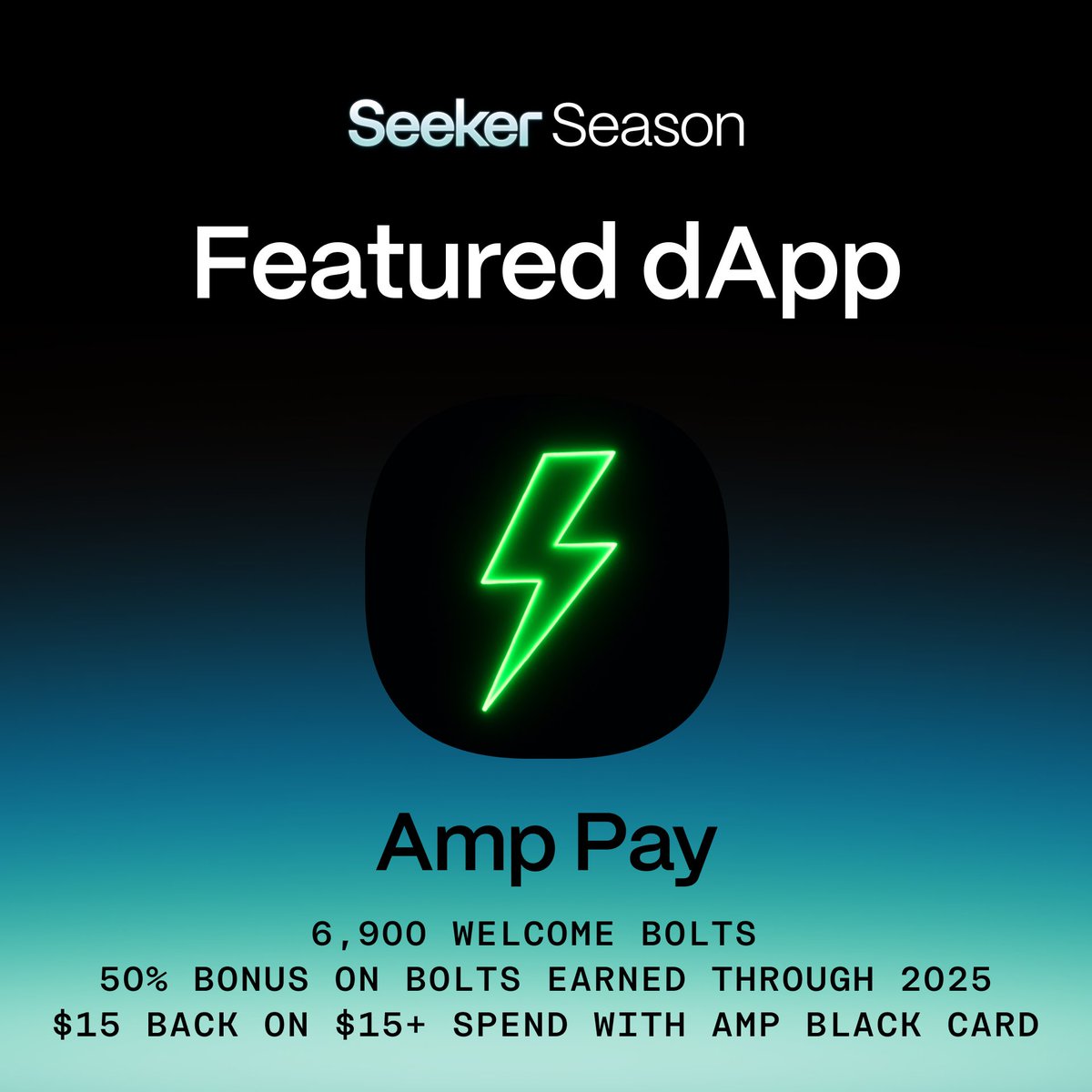
Our next featured dApp is @GetAmpPay ⚡️
Seeker users get exclusive perks on Amp Pay:
• 6,900 welcome Bolts
• 50% bonus on earned Bolts through 2025
• $15 back when spending $15+ with the Amp Black Card
Download Amp Pay from the Solana dapp Store today!
Just in: We’ve raised $19M in a Series A co-led by @zksync, @further, @eigencloud & @500GlobalVC. This brings our total funding to $34M.
We’re full throttle to be the first privacy DEX to unify the fragmented trillion-dollar onchain market. And take it mainstream.
Get the news below 👇
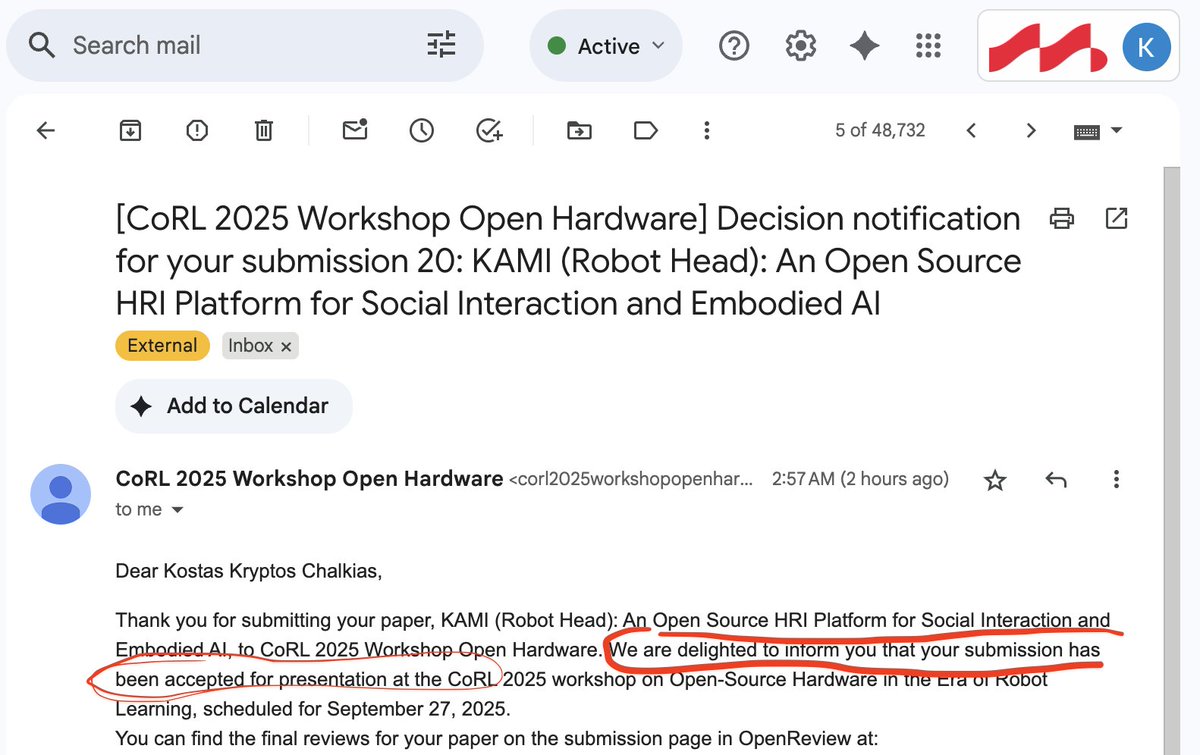
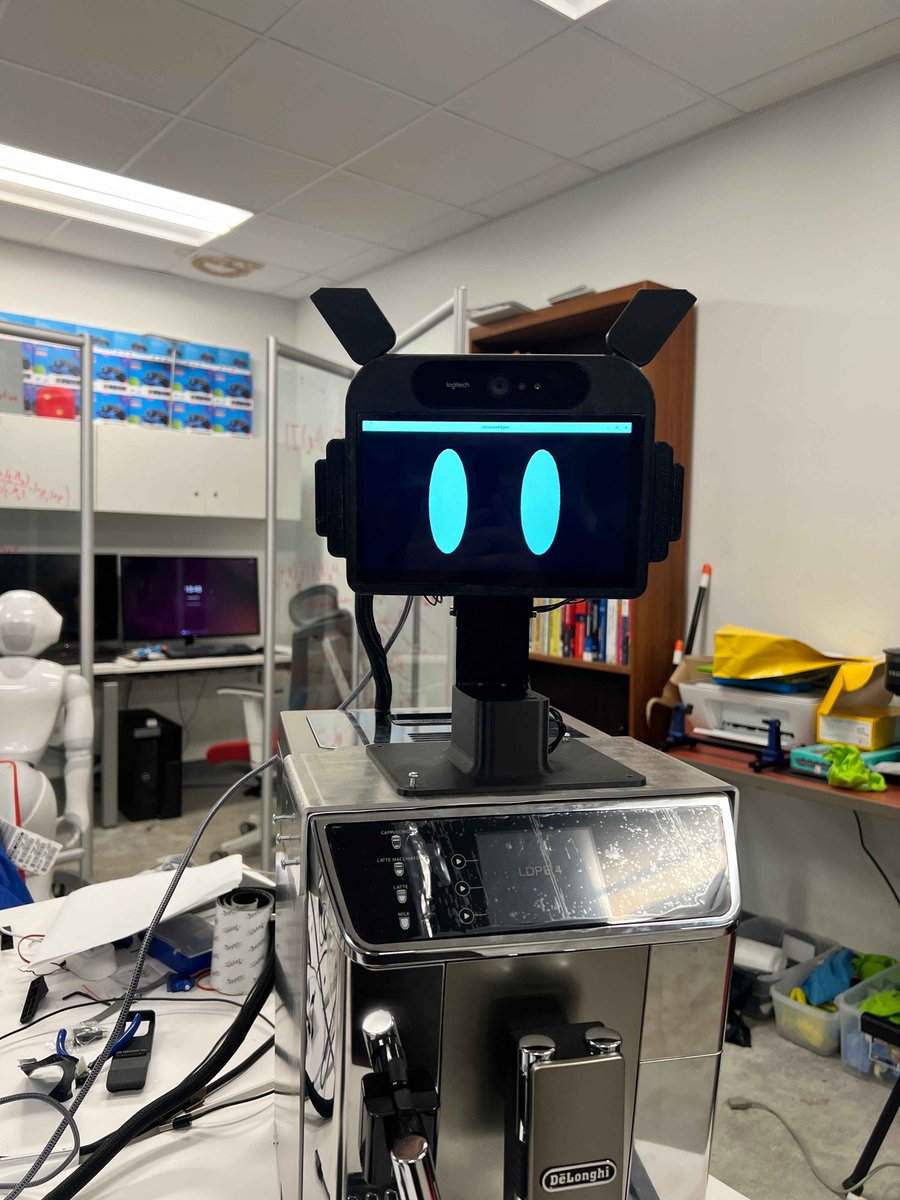
Sui, Mysten, and Kent State University designed and manufactured a robot head that matches or exceeds the sensing, actuation, and software capabilities of commercial heads, at under 25% of others' cost.
The design was unanimously accepted to the CoRL (Conference on Robot Learning) 2025 - Open Hardware Workshop, underscoring that our work is now recognized by the robotics and AI community... not just web3.
Sui is the top chain for robots, and it’s now delivering top-tier AI + Robotics research with real impact beyond crypto.
: : 수이 생태계의 베타는 Sui Name Service가 아닐까
수이(@SuiNetwork)는 개발자 친화적인 풀스택 인프라를 빠르게 구축하며 다양한 앱 온보딩을 준비해왔고, 최근에는 디앱 생태계 지표 역시 긍정적인 흐름을 보이고 있다.
특히 4분기에는 수이플레이(SuiPlay, @SuiPlay)를 통해 여러 게임들이 시연될 예정인데, 이러한 확장 로드맵 속에서 생태계의 핵심 축으로 자리할 가능성이 큰 것이 바로 Sui Name Service(SuiNS, @SuiNSdapp)가 아닐까 생각한다.
1. 연동 및 통합
SuiNS는 4분기부터 단순한 네임 서비스를 넘어 본격적인 아이덴티티 레이어로 확장된다.
8월에 공개된, 서브네임 기반 커뮤니티 및 프로필 메타데이터 연동 이니셔티브인 ‘Communities’와 ‘Profiles’ 업그레이드가 Q3 말~Q4 초에 적용되면서, 디앱들은 개인·조직 단위의 온체인 신원을 손쉽게 연결할 수 있게 된다.
이미 SuiPlay 등 초기 통합 사례가 언급된 만큼, 이러한 기능이 네이티브하게 자리 잡으면 “.sui” 네임의 활용도와 체류 시간은 자연스럽게 늘어날 수 있을 것이다.
2. 수익화 & 수요
SuiNS의 수익화와 수요 측면도 강화된다. 프리미엄 도메인을 대상으로 한 경매 서비스가 Q4 말 출시될 예정이며, 이를 통해 새로운 매출원이 창출되고 희소한 네임스페이스 거래가 활성화될 수 있다.
더불어 9월부터 경매에서 발생하는 프로토콜 수수료의 80%가 월간 바이백·소각에 투입되며, 바로 어제 스테이킹 메커니즘까지 가동이 되었기 때문에 추후에는 $NS 토큰의 유통량 락인 효과 역시 기대가 된다.
---
수이는 풀스택 기반의 통합형 블록체인(Integrated Blockchain)을 지향하기에, 여러 디앱들이 파편화되어 운영되는 대부분의 타 생태계와 달리 사용자 신원 중심의 일관된 생태계 경험을 강조해오고 있다. 그렇다면 신원 레이어인 SuiNS는 자연스럽게 수이 생태계의 중심에 서게 될 수 밖에 없다.
커뮤니티·프로필 기능의 dApp 통합 속도, 경매 거래액과 수수료, 월간 소각 규모, 그리고 여전히 남아 있는 CEX 상장 기대감까지 더해진다면, SuiNS는 수이 생태계의 강력한 모멘텀을 뒷받침하는 핵심 베타로 자리매김할 수 있지 않을까..
: : What Kind of Apps Captivate Crypto Users?
The crypto market, which tokenizes all assets into fungible and tradable units, is inherently speculative. As a result, it responds acutely to elements that are highly "monetary", "stimulating", and "immediate" in nature.
Thus, even when apps share the same core loop, if they can layer on gamification driven by these values to create new forms of engagement—the so-called meta loops—they can provide differentiated experiences that serve as powerful drivers of large-scale adoption.
--
1. The PerpDex Market
A prime example of this dynamic is the perpetual DEX (PerpDex) market. PerpDex platforms allow traders to engage in high-leverage trading on underlying assets, guided by their own risk management and strategies, and in doing so generate rapid returns over relatively long market cycles. As a result, trading volume on PerpDex platforms today has surpassed that of spot markets.
To further deepen user engagement, many PerpDex platforms have introduced distinct meta loops: seasonal points and rewards, ranking systems and trading competitions, VIP fee tiers, referral programs, copy trading, and shareable PnL cards.
These mechanisms allow users not only to capture additional economic upside but also to gain social clout by showcasing their performance and status within the community.
2. The Meme Market
The second case is the meme market, which operates with comparatively shorter life cycles. Investors seek out viral tokens at an early stage, enter positions, and then exit—either profit-taking or cutting losses—once certain thresholds are reached, creating a repeated cycle.
Spurred by the Pumpfun(@pumpdotfun) meme coin launchpad last year, the meme market entered a second golden era - Pumpfun dramatically lowered barriers to entry, enabling anyone to mint tokens at minimal cost while unlocking instant price discovery. Combined with features like real-time trending, rankings, and whale buy alerts, a powerful meta loop emerged that intensified FOMO and time pressure.
As a result, meme markets have firmly established themselves as one of the most vital sectors driving activity across the crypto ecosystem today.
3. The Prediction Market
The third case, in my view, is the prediction market. Prediction markets transform a wide range of news and issues into assets by pricing the “weight of words”, thereby serving as a mechanism to aggregate and order information and decision-making.
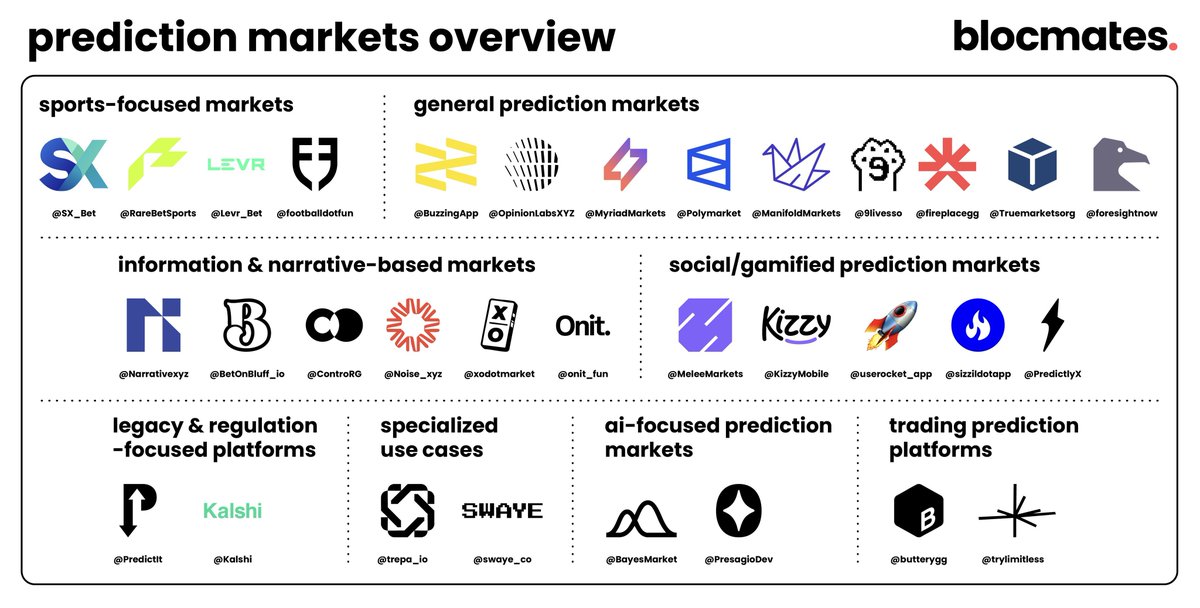
Source: @blocmates
Growth in this sector has accelerated around Polymarket(@Polymarket), and new entrants are rapidly emerging—some targeting niche verticals like sports, social trends, or news, and others positioning themselves to compete directly with Polymarket.
Most platforms share the same core loop—“explore markets of interest → confirm resolution conditions → take a position → realize PnL.” However, the meta loop design is still underdeveloped, leaving significant room for innovation.
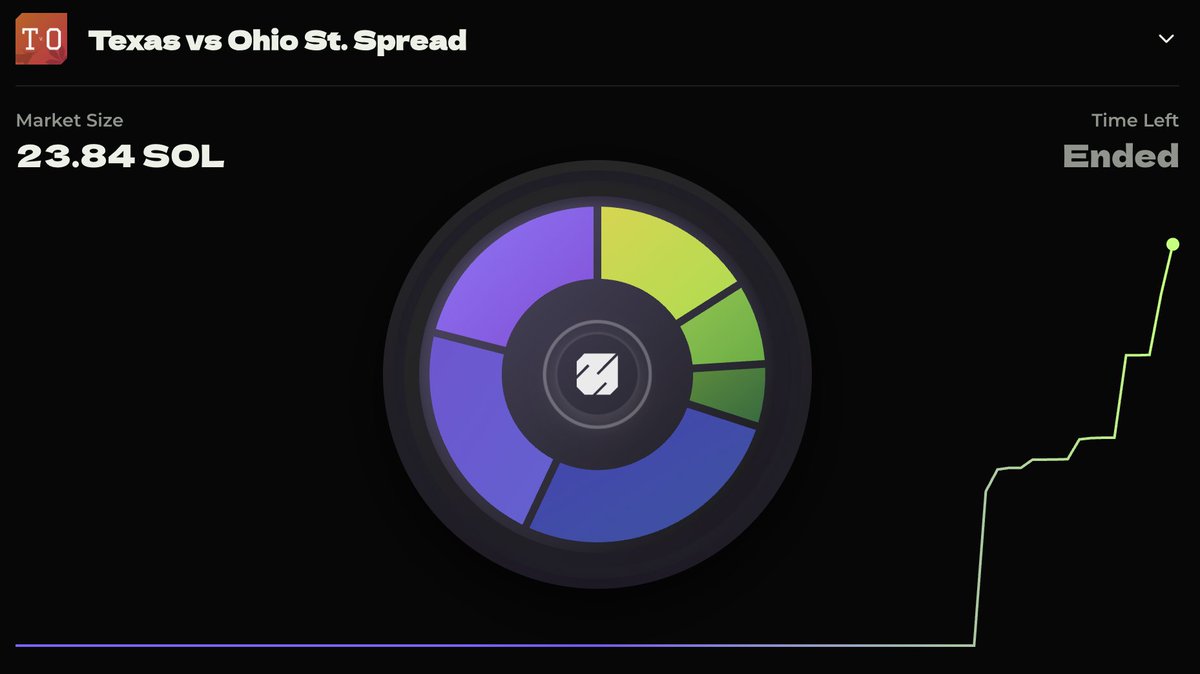
One project I found particularly interesting is @meleemarkets (special thanks to my close friend @itsmaximilian and @zen_llama for inviting me into the beta test 🙏).
What differentiates Melee most is its use of price curves for each option, creating a structure where “the earlier and more accurate your prediction, the greater your reward.”
By eliminating orderbooks and LPs, Melee reduces spreads and strongly incentivizes early participation, allowing markets to scale quickly with diverse contributors.
Like Pumpfun, it also enables anyone to permissionlessly create markets on a variety of topics, sketching out a potential "fun flywheel between creators and participants".
Although detailed technical documentation has yet to be released, the resolution mechanism appears to follow a hybrid model:
- Fact-based markets are resolved manually by the team, creators, or affiliates.
- Opinion-based markets are resolved algorithmically.
Over time, the project aims to incorporate privacy solutions to achieve fully decentralized resolution.
(If you know of other prediction market products worth exploring, I’d be grateful for your recommendations 🙂)
---
The bull markets of the past highlighted the potential and promise of blockchain infrastructure. But ultimately, it is the apps themselves that convert this market attention into genuine engagement.
As more assets move on-chain and new markets emerge, winning crypto apps will be those that deliver unique experiences and deep immersion through thoughtful meta loop design.
What If We Add a Narrative to the Act of Burning?
@ethcforg (ECF) founded with the goal of increasing the value of @ethereum, has launched an intriguing experiment. It introduces the concept of Proof of Burn (PoB)—a mechanism that adds new meaning to the traditional burn process—along with the $BETH token that embodies it.
1. ECF’s Proof of Burn (PoB)
The ECF is an organization that prioritizes Ethereum’s long-term value appreciation above all else. From infrastructure development to regulatory adoption support, it engages in a wide range of activities. At its core lies a central agenda: maximizing $ETH burn.
Out of this agenda, BETH was born. When a user sends ETH to a smart contract operated by the ECF, the contract transfers that ETH directly to a burn address, permanently removing it from circulation. Once the burn is successfully recorded, the contract mints and returns an equivalent amount of BETH to the user. In other words, burning 1 ETH grants you 1 BETH.
Through this, the ECF transforms what was once just an invisible accounting entry—burn—into a tangible, ownable, and transferable token. This opens the door to designing new applications or financial products based on burned value.
2. The Intentionality of Burning
What makes BETH unique is its intentionality. Compared to existing Ethereum burn mechanisms, the difference is clear.
Today, the largest burning mechanism is EIP-1559. When using the Ethereum network, the base fee is automatically burned. While this plays a crucial role in monetary policy, no user initiates transactions purely for the sake of burning.
Lost private keys or mistyped addresses also effectively burn ETH, but these are merely accidents. Some projects or foundations may voluntarily burn their ETH holdings, but such actions are one-off events, not something everyday users can easily participate in.
In contrast, users mint BETH only because they choose to burn ETH themselves. Every step originates from personal will and deliberate intent. Unlike an automated protocol or accidental loss, it is an act of voluntary, active participation. Just as intentionality is a decisive factor in determining criminal liability in law, in economic behavior it fundamentally changes the weight and meaning of the outcome.
3. Intentionality Goes Beyond Narrative And Becomes Culture
The difference in intentionality produces fundamentally different results. Burns without intent remain mere data, but burns with intent can evolve into culture.
For example, thousands of ETH are burned daily via EIP-1559, yet we consume those numbers only as dashboard statistics. We don’t remember any individual burn. On the other hand, when someone declares, “I burn my ETH because I believe in Ethereum’s future,” and mints BETH, that act becomes a story. It transforms from a mere record into memory and narrative.
Such intentional acts can be reproduced as content or memes and spread throughout the community. Moreover, imagine if BETH became an entry ticket to a particular community, or a key to access special events and applications. A culture of voluntarily burning ETH to obtain BETH could emerge.
That said, BETH itself is merely a proof of burning. It does not generate interest, provide direct economic utility, or carry intrinsic value. Its significance depends entirely on how the broader ecosystem recognizes and applies it.
Therefore, the success of this experiment hinges on whether the community and ecosystem can create compelling narratives and practical use cases for BETH that transcend its limitations.