Once you know your range to target you need a way to calculate your bullet drop at the target in different environmental conditions.
A ballistic calculator of some sort is the best option and you’ll need to gather some data that reflects real world performance.
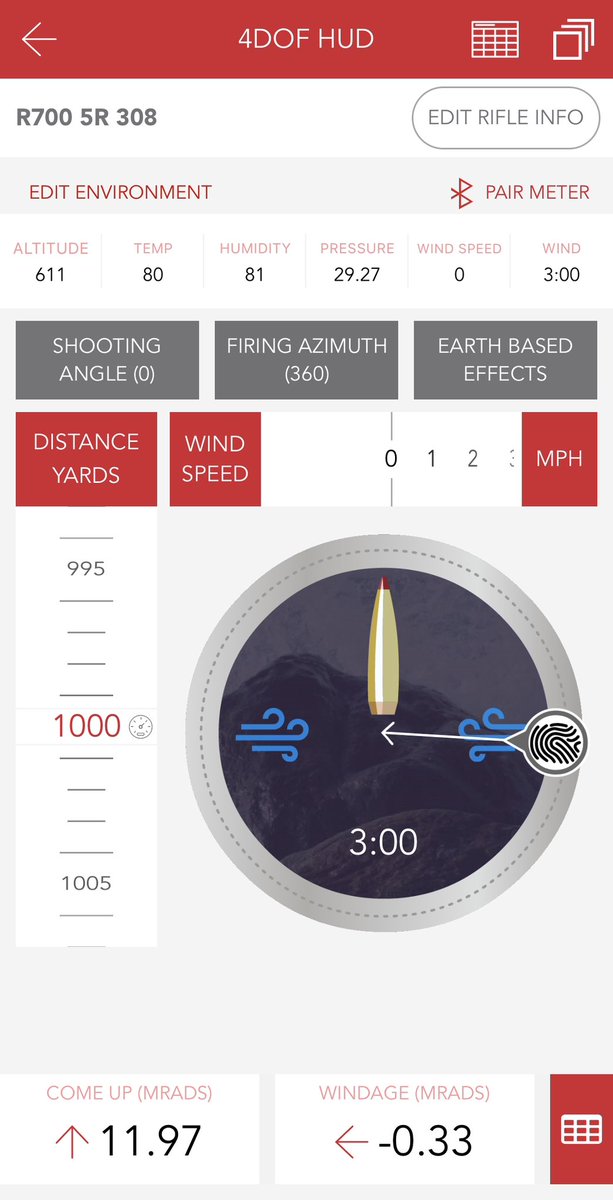
It can be as simple as a slide rule or drop sheet made for your bullet and muzzle velocity, a website (https://t.co/fggm8bQtUn), a phone app or a stand alone weather meter and ballistic calculator like a Kestrel.
The data you need has to be gathered by shooting the rifle to record actual drop like in the Gravity Ballistics worksheet from Snipers Hide or using a chronograph or even the box of ammo to get an idea of the muzzle velocity.
Firing some rounds at targets of known distance will give you the real world drop data you need to set your ballistic calculator to match the bullet and weather conditions. Given accurate inputs, the calculators are extremely accurate.
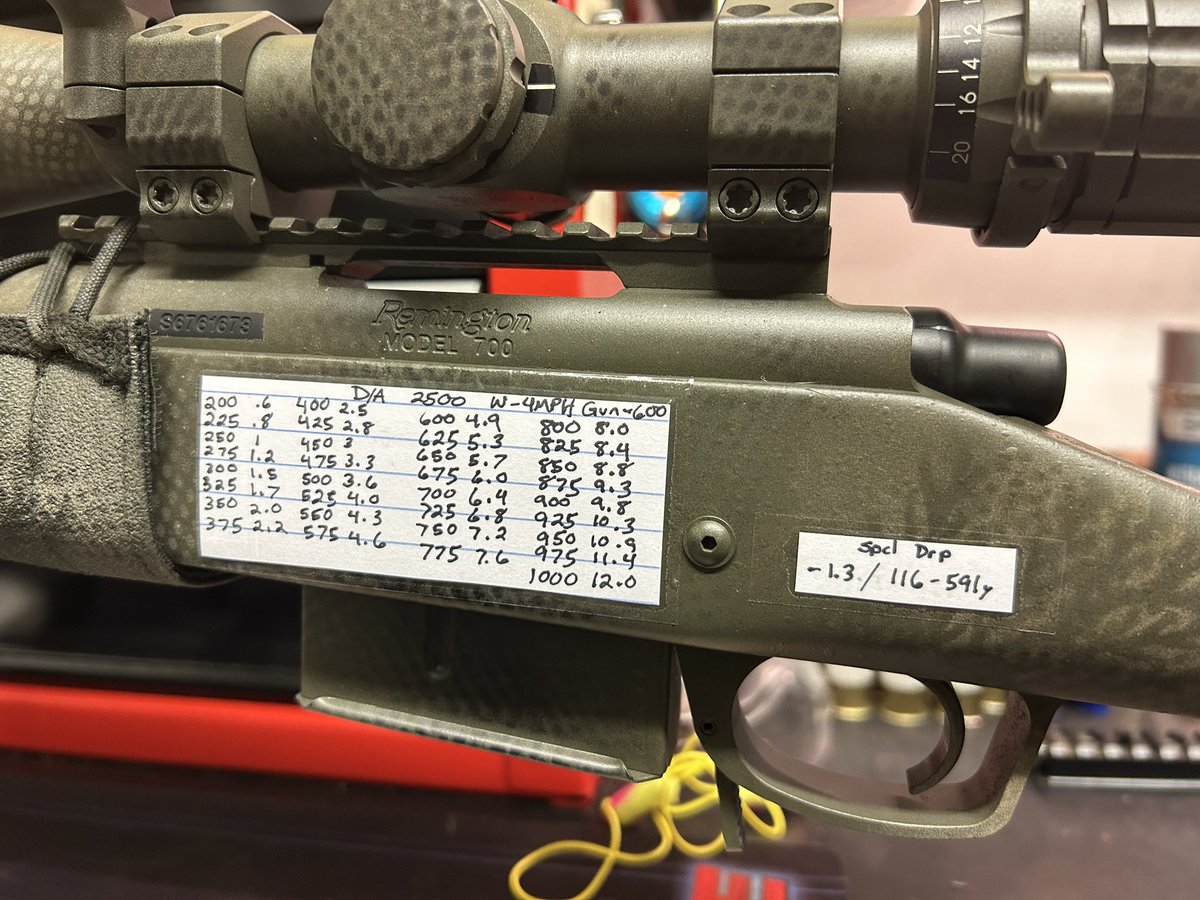
As a backup to electronics it’s not a bad idea to make hard copies your data for the most likely shooting conditions you’ll encounter and keep them with the gun either inside the scope cap, on the stock or inside a stock pouch.
Of course none of this really matters if you don’t have the foundation of understanding and applying the principles of marksmanship.