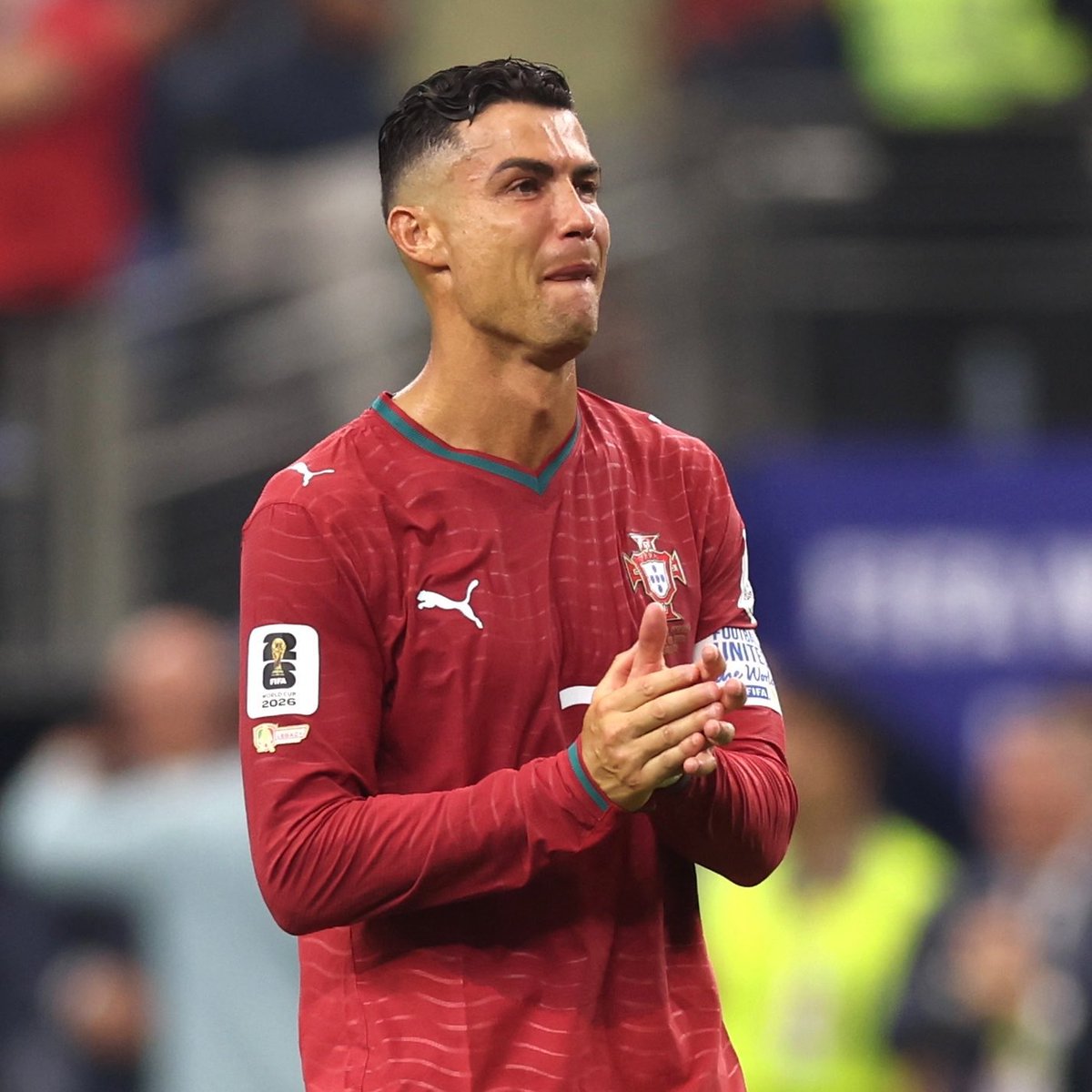
I’m going to take my time with this one. If you’re busy, save this post and read it later. If you’re a night owl like me, this is a good late-night read.
Do you know the worst thing about Cristiano Ronaldo?
It’s that he set the standards for what defines a legend… and in the end, he couldn’t even live up to the standards he created himself.
After winning Euro 2016, Ronaldo said:
“You can’t become a legend until you win a trophy with your national team.”
It was an obvious dig at Messi.
Argentina had just lost the 2014 World Cup final to Germany, and Messi was going through the toughest period of his international career. Those words only added fuel to the fire.
Where was the respect for a rival, Ronaldo?
The surprising part was that social media completely embraced that narrative. Messi was labeled a bottler, while Ronaldo was declared the winner of the rivalry—at least in the media, not on the pitch.
Then Messi retired from international football, came back, won the Copa América, and suddenly they were level in major international trophies.
What happened next?
Ronaldo fans started saying that one Euro is worth more than a hundred Copa Américas, claiming there was no competition in South America. Not true—but that became the excuse.
Then Messi went on to win the World Cup.
This time, the excuses changed again.
They claimed FIFA had fixed the tournament for Messi. That the World Cup was scripted in his favor. They simply didn’t know what else to say.
Then Ronaldo himself came out with one of the strangest quotes imaginable:
“A legend’s career can’t be defined by just seven games.”
At first glance, it sounds reasonable.
But beneath it was another attempt to diminish what Messi had achieved.
Before the World Cup, they insisted it would be Ronaldo’s tournament. On paper, Portugal had a fantastic squad. If the manager couldn’t get the best out of them, that’s Portugal’s problem—not Ronaldo’s.
Yet that same Portugal squad wasn’t any weaker than the Argentina team Messi led to the 2014 World Cup final—the same team people mocked Messi for not carrying to the title.
Just a couple of days ago, Ronaldo said:
“The World Cup doesn��t define my career, whether I win it or not.”
A statement that directly contradicts what he had said years earlier, when he admitted that winning the World Cup would make him feel completely fulfilled.
Now you’re 41 years old, Cristiano.
By your own standards:
* You have 5 Ballon d’Ors, not 8.
* You have one European Championship, not two Copa América titles.
* You never won the World Cup.
* You have four European Golden Shoes, while Messi has six—even though you’re an out-and-out striker.
So what now?
Will you keep playing until the next World Cup and become the first player to appear in one at 45, hoping to finally win it?
If we judged you by the standards you created, you wouldn’t qualify as a legend.
Of course, nobody actually judges you that way. Everyone still recognizes you as one of football’s greatest legends.
The real mistake was comparing Ronaldo to Messi in the first place.
That rivalry was exaggerated from the beginning by the media and figures like José Mourinho.
Messi conquered every major trophy available to him, shattered records that once seemed untouchable, and at 39 years old he’s still competing with Kylian Mbappé and Erling Haaland—the stars of the next generation—for the Golden Boot. And honestly, he could still win it.
What made Messi beloved by so many fans is that he never tried to diminish Ronaldo’s achievements.
Ronaldo, on the other hand, repeatedly made comments that many interpreted as attempts to downplay his greatest rival’s accomplishments—and that’s never an admirable trait.
Cristiano helped create a generation that thinks belittling other people’s achievements while constantly glorifying your own is a way to establish dominance.
Good bye. Ronaldo.
کفشم یه تیکه پارگی داشت، بردم کفاشی.
یه جوری درستش کرد هرچی نگاش میکنم نمیدونم کجاش پاره بود.
از آدمایی که توی کار خودشون مهارت دارن، واقعا خوشم میاد.
این ایمیل رو از یکی از اساتید دانشگاه در کالیفرنیا گرفتم. میگه در فارین افرز خونده که رهبر جدید خیلی متفاوته!! کمتر ایدئولوژیک، بیشتر تکنوکرات و ملیگراست و سازگاریبیشتری داره ومیخواد فشارهای اقتصادی رو کم کنه!
ادم باورش نمیشه چقدر پروپاگاندای رژیم در خارج از کشور موفقه.
تیمِ کشورِ خودمون که ملی نبود.
تیم کشوری که بهش مهاجرت کنیم هم که حس تیم ملی نمیده.
آقای فغانی شما خودت یکتنه برای ما تیم ملی هستی.
بازیهات رو دنبال میکنیم و بهت افتخار میکنیم.
اگر بحث اخلاق رو بذاریم کنار، شما برای بردن یک بازی هرکاری از دستت برمیاد میتونی بکنی. پاراگوئه هم هرکاری از دستش برمیومد کرد.
کنترل این موقعیت وظیفه داوره. مقصر اصلی وضعیت دیشب تماماً داور بازی بود. به طرز وحشتناکی اجازه ادامه این رفتار و اتفاقات رو با عدم مدیریت بازی داد.
بیش از ۲۷۰ ساچمه از کمر گردن و پیشانی این فرد در اورده شده
اما یکی از ساچمه ها وارد ناحیه بسیار حساس ساقه مغزی شده
بیش از ۳ میلیارد تومن هزینه جراحی و ریسک بالای مرگ
در این دو هفته من به اندازه دو سال پیر شدم برای نجات دادن این فرد
و این سندی از جنایت جمهوری اسلامیست
#جاویدشاه
🚨🚨درخطراعدام🚨🚨
#ارغوان_فلاحی
۲۵ساله.ساکن پرند.۶بهمن بازداشت شد
به جرم کمک به مجروحین خیزش دیماه
پس از ماهها انفرادی وشکنجه اکنون در بند زنان زندان اوین است
ازقاضی قاتل صلواتی درشعبه۱۵ حکم اعدام گرفت و۱۰تیر حکمش به وی ابلاغ شد
شیردخترمان درخیزش مهسا همراه پدرش بازداشت شده بود
با گذشت تقریبا ۱۵۵ روز از بازداشت شکیلا قاسمی، شهروند بهائی ۲۶ساله س��کن کرمان، او همچنان بدون تعیین تکلیف پرونده در زندان به سر میبرد و خانوادهاش نیز تاکنون از اتهام یا اتهامهای مطرحشده علیه وی بیاطلاع هستند.
بیشتر بخوانید: https://t.co/Zu1YbDip5J
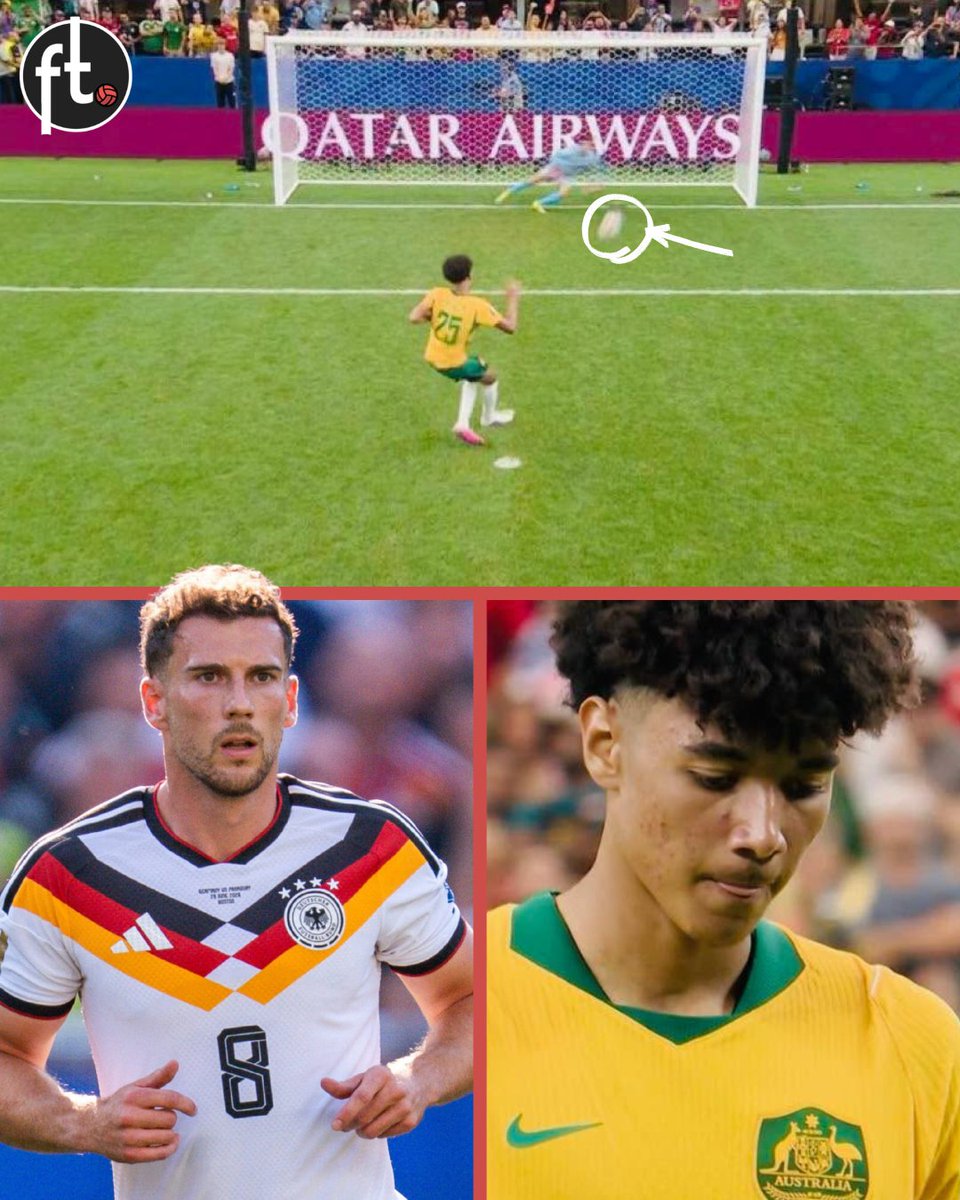
🚨🇩🇪 A German fan sent this message to Australian player Lucas Herrington, 18, after he missed his penalty against Egypt yesterday. 👏
✍️ "Dear Lucas Herrington,
If you ever read this: 31-year-old Champions League winner Leon Goretzka, who plays for Bayern — six-time Champions League winners — and Germany — four-time World Cup winners — didn’t dare take a penalty for his country when they needed him.
You did it at 18. You are so brave and a hero in our eyes." ❤️
So this microchip is so sensitive it can pick up a piece of hair hitting the ball (which is not offsides according to FIFA rules) so what happens if it’s raining lol
Solo alguien sin conocimientos técnicos puede creer que un sensor inalámbrico metido dentro de una pelota —que es pateada durante horas con una tasa de muestreo pésima— es capaz de detectar un pelo en su superficie en milisegundos, pero mágicamente inmune a la onda de presión si alguien la falla por un milímetro… todo transmitido por el aire en tiempo real a cientos de metros.
Es un acelerómetro. Capta vibraciones y cambios de presión de todo lo que esté cerca, hasta un insecto. Después la @FIFAcom decide qué pico cuenta como “toque���.
Y si el microchip marcó el “toque de cabeza” del croata… ¿por qué en la gráfica no aparece después el impacto clarísimo contra el defensor portugués?
Esto no es tecnología. Es un robo descarado. Uno de los más escandalosos de la historia del fútbol.
Y eso que han habido varios…
#Mundial #CopaMundial #FIFA #WorldCup #Fútbol #VAR #TecnologíaFIFA
پانترکهای بیسواد هنوز تفاوت رنگ طبیعی و رنگ مصنوعی را نمیدانند!
آن رنگ بنفشی که حدود ۱۷۰ سال پیش ساخته شد، رنگ بنفش مصنوعی بود، نه اینکه رنگ بنفش تازه در آن زمان کشف شده باشد. رنگ بنفش طبیعی هزاران سال است که شناخته شده و یکی از گرانبهاترین رنگهای جهان باستان به شمار میرفت. به همین دلیل، این رنگ در بسیاری از تمدنهای باستان، از جمله ایران، روم، چین و ژاپن، نماد شاهی، اشرافیت و ثروت بود و در پوشاک و نمادهای سلطنتی به کار میرفت. دلیل ارزش فوقالعاده این رنگ نیز دشواری تولید آن بود.
در دنیای غرب و خاورمیانه، رنگ بنفش طبیعی عمدتا از چند گونه حلزون بومی دریای مدیترانه به دست میآمد. این حلزونها مادهٔ پیشساز رنگ را در غدهای ویژه تولید میکنند که هنگام تحریک یا آسیب آزاد میشود. برای تولید انبوه، معمولا غدهٔ رنگساز ��نها استخراج میشد یا خود حلزونها فرآوری و خرد میگردیدند.
رنگ بهدستآمده بسته به گونهٔ حلزون مورد استفاده، میتوانست طیفهای متفاوتی از ارغوانی تا بنفش ایجاد کند. همچنین با قرار گرفتن در معرض هوا، نور و گرما، شدت و طیف رنگ تغییر میکرد و رنگرزان میتوانستند سایهٔ دلخواه بنفش را تنظیم کنند.
این فرایند بسیار زمانبر و پرهزینه بود و به همین دلیل رنگ بنفش به یکی از ارزشمندترین رنگهای جهان باستان تبدیل شده بود.
در شرق آسیا، بهویژه در چین، کره و ژاپن، یکی از مهمترین منابع تولید رنگ بنفش، ریشه گیاه گرومول بنفش بود. ریشهٔ خشک این گیاه را آسیاب کرده و با روشهای سنتی عصارهگیری، رنگدانه بنفش را استخراج میکردند و از آن برای رنگرزی پارچههای نفیس بهره میبردند.