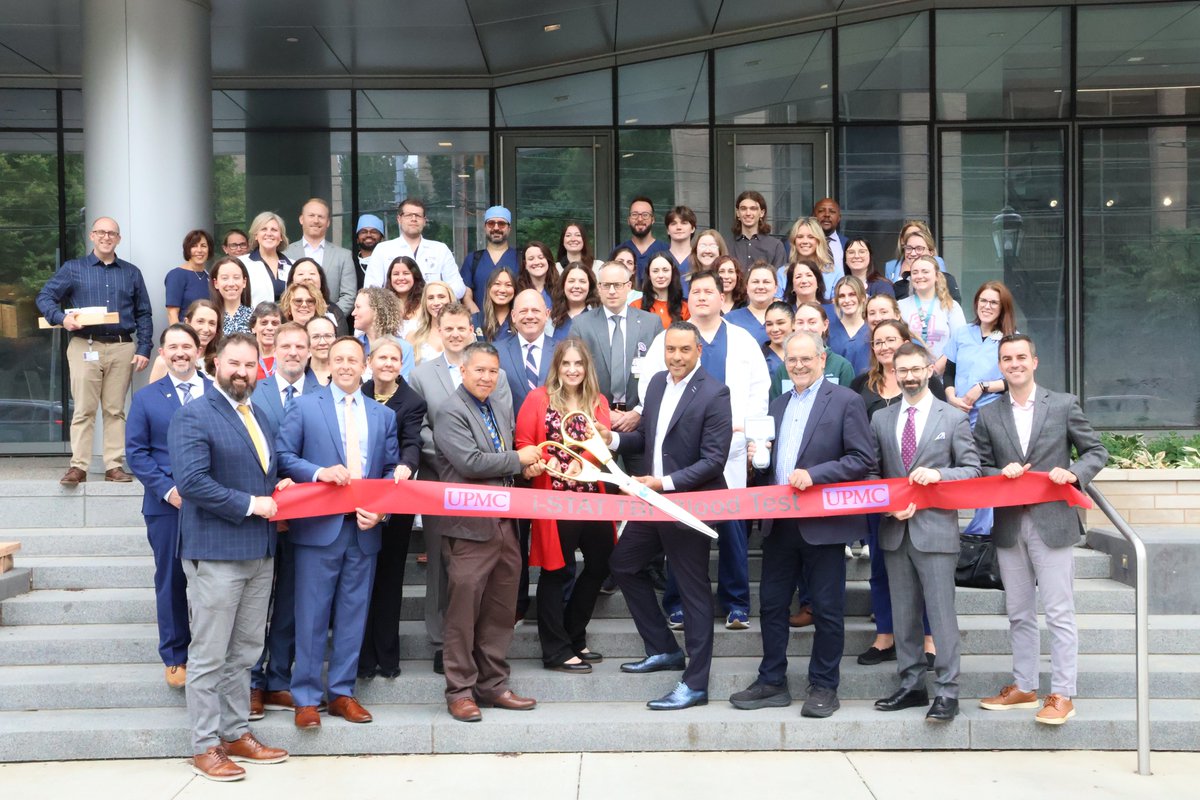
A rapid blood test for traumatic brain injury is now part of routine care at UPMC Presbyterian, thanks to faculty from Pitt Neurosurgery.
A small blood sample, two brain-specific biomarkers (GFAP and UCH-L1), and lab-quality results in about 15 minutes at the bedside. The test helps clinicians decide who actually needs a CT scan, reducing time in the ED, radiation exposure, and unnecessary cost.
Pitt was the central biorepository for the research that validated the test for FDA clearance through TRACK-TBI, with Drs. David Okonkwo and Ava Puccio leading the department's neurotrauma biomarker work for nearly two decades.
Read more: https://t.co/C0jsHcsyRF
Congratulations to Regan Shanahan, MD, (@reganmshanahan) on receiving the Theodore Kurze, MD, Senior Prize for Excellence in Neurological Surgery and Clinical Neurosciences from the University of Pittsburgh School of Medicine.
The Kurze Prize is awarded each year to a graduating Pitt Med student entering neurosurgical residency training. It honors Dr. Kurze, who pioneered the use of the operating microscope in neurosurgery in 1957 and was a mentor to former Pitt Neurosurgery chair Peter Jannetta, MD.
Dr. Shanahan begins her training at Pitt Neurosurgery this summer as an incoming PGY-1 resident. Welcome to the team!
@dtfernandesc
The future of neurosurgery is not built by individuals alone, but by teams that challenge, teach, and elevate one another. Proud and excited to be part of that mission @PittNeurosurg@UPMC@Pitt_NSIG@pittnsgy
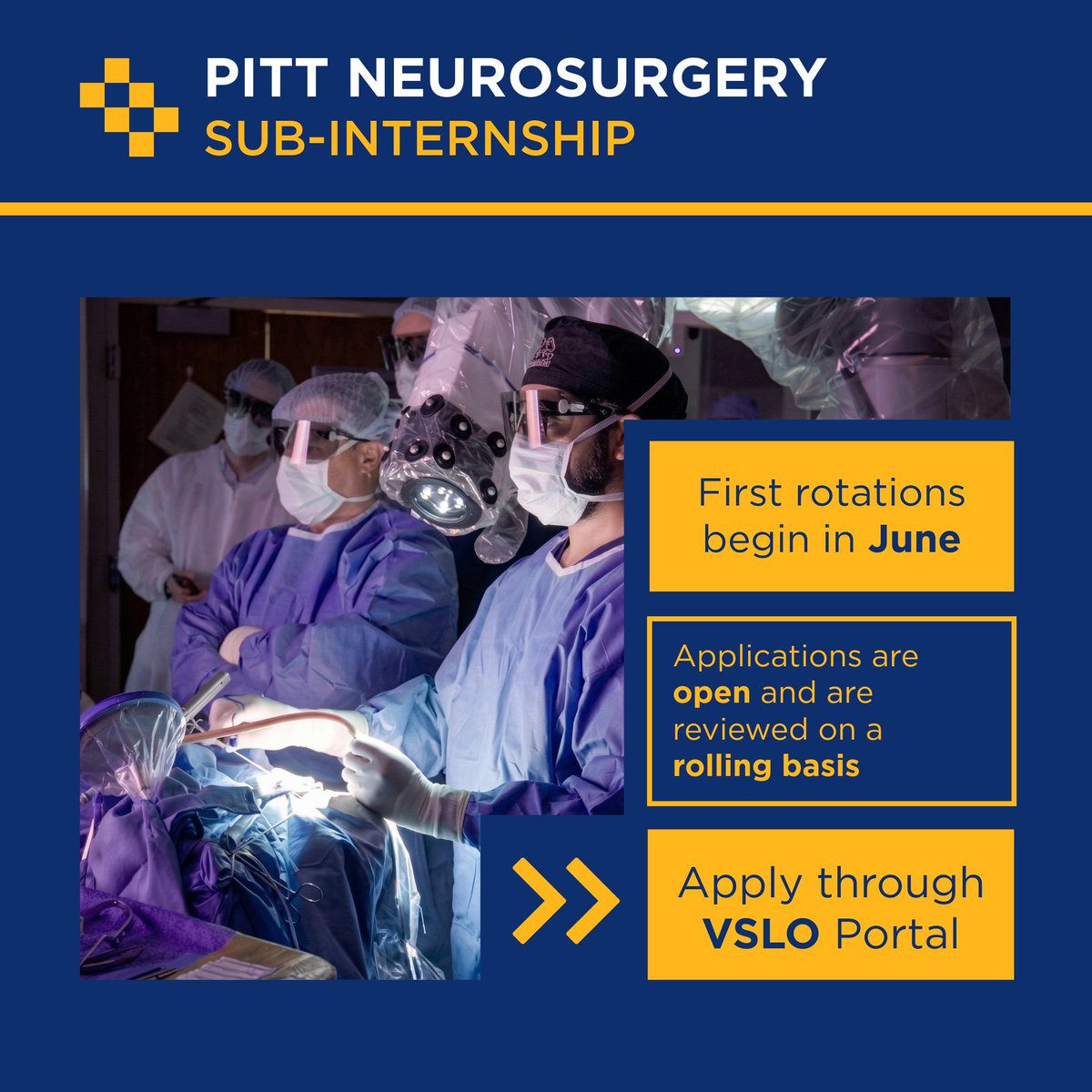
Pitt Neurosurgery Sub-Internship applications are now open through VSLO.
We are currently accepting domestic visiting medical students, with rotations beginning in June. Applications are reviewed on a rolling basis.
Apply early to secure your spot! Read more: https://t.co/LWzEWxy3ml
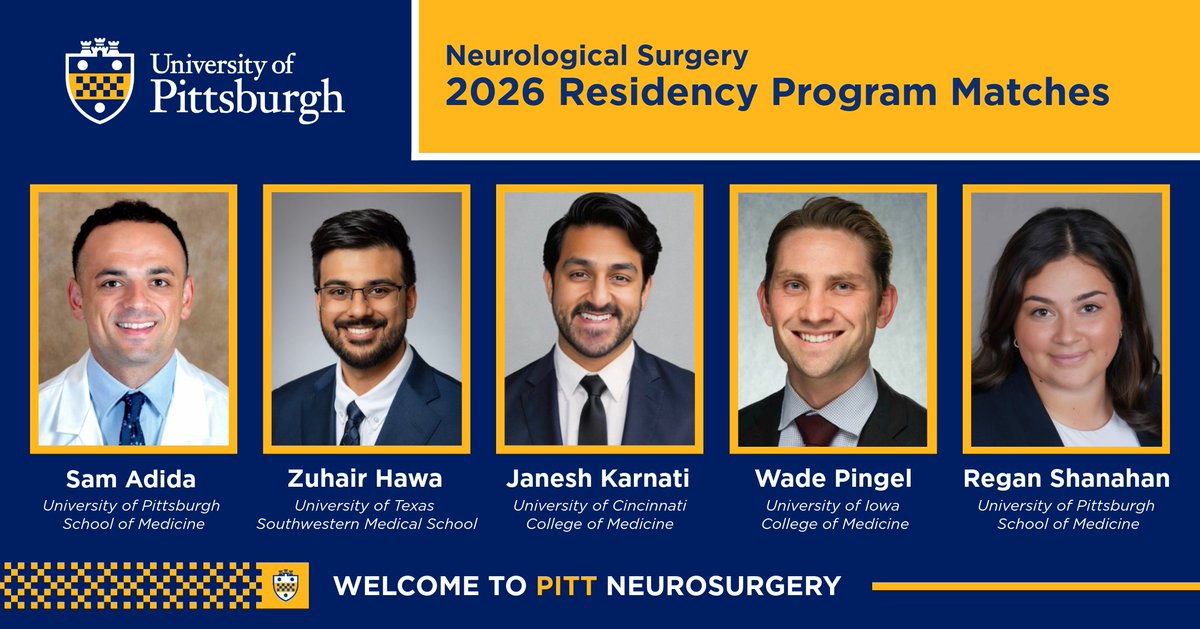
The University of Pittsburgh Dept. of Neurological Surgery is thrilled to announce our 2026 residency match class. These five exceptional individuals represent the next generation of neurosurgical leaders, and their passion for advancing the field and delivering outstanding patient care embodies the mission of our program.
Welcome to Pitt Neurosurgery!
Now in Neuro-Oncology Advances. Imaging alone matched final pathology in only 53% of cases. Prioritizing biopsy identified actionable findings in 42% of patients, improving survival.Thanks to Dr. Kalil Abdullah & @UPMCHillmanCC team! @pascalzinn@gecicinn https://t.co/NmKWwEy9st
Before neurosurgery, Thomas Buell, MD, was an electrical engineer. And that data-driven mindset shapes everything he does today.
Now specializing in adult spinal deformity at @PittHealthSci and @UPMC, Dr. Buell combines technical surgical skill with a deep commitment to evidence-based patient care. As a member of the International Spine Study Group (ISSG), he's part of one of the field's most impactful research collaboratives, advancing how we understand outcomes & complications in spinal deformity surgery.
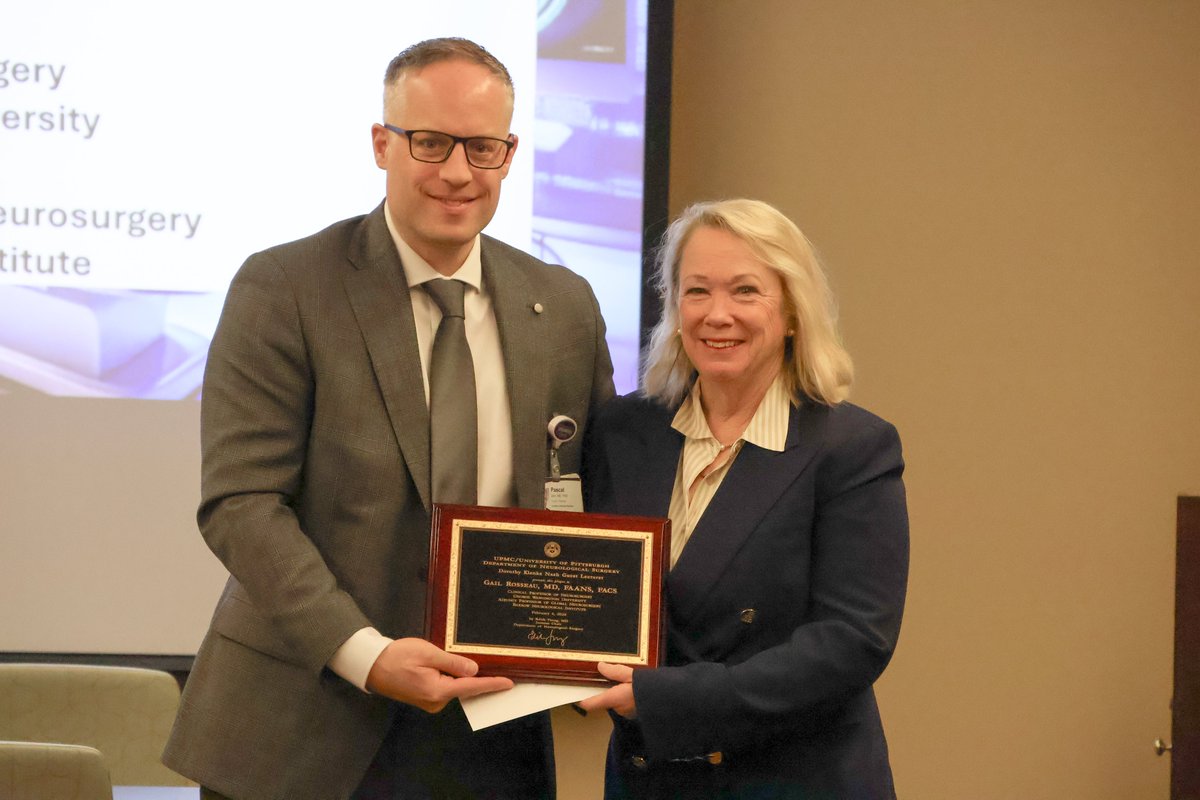
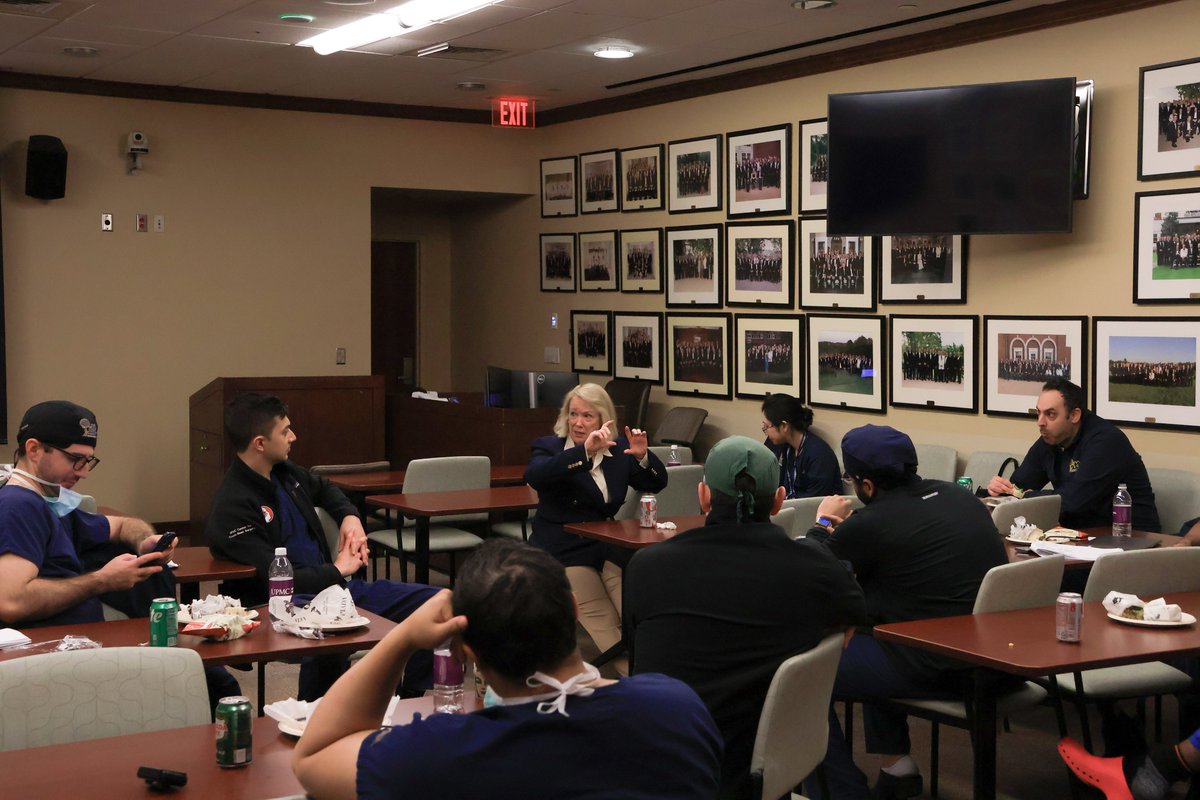
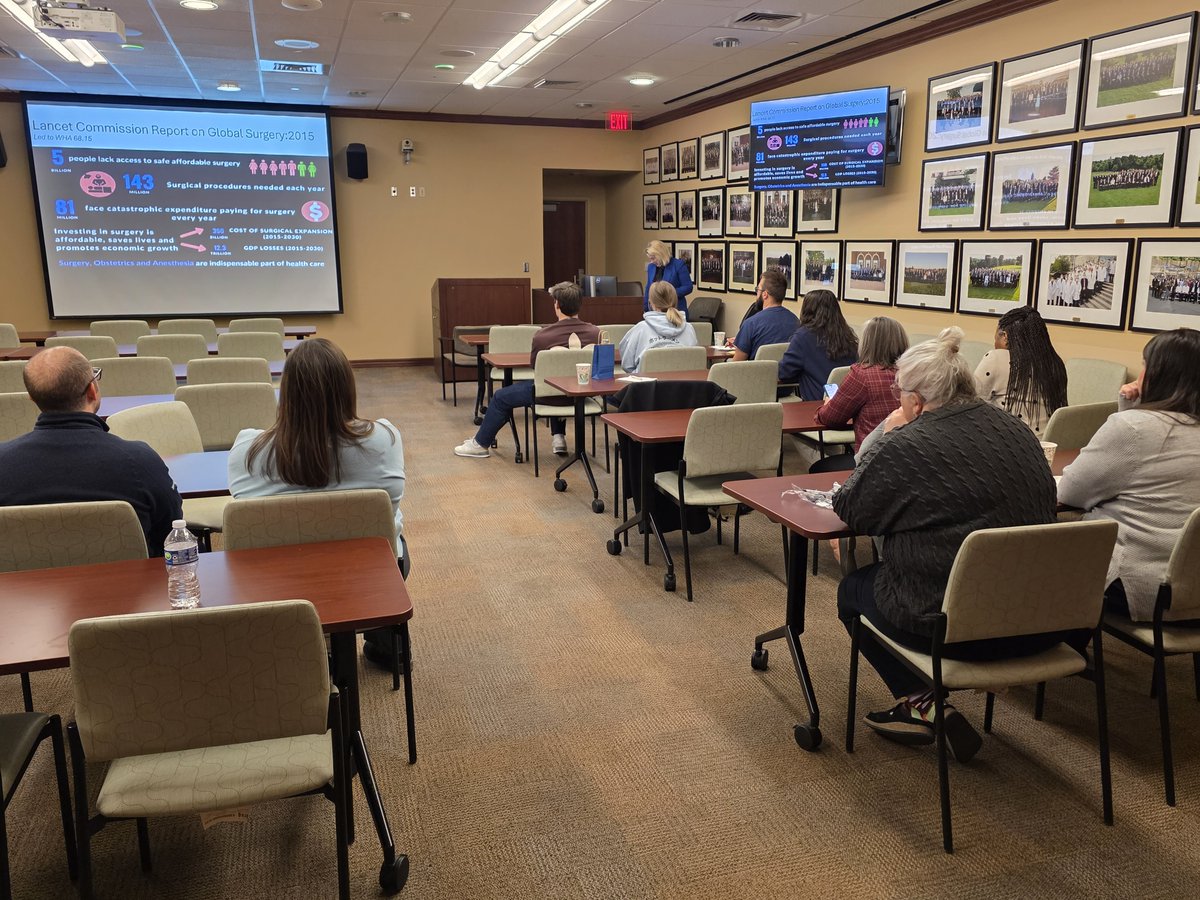
Thank you to Gail Rosseau, MD (@grosseaumd), for an incredible visit as our 2026 Dorothy Klenke Nash Lecturer! A global leader in neurosurgery and Chairman of @theG4Alliance, Dr. Rosseau shared her expertise not only through her talks but also by spending meaningful time with our residents and joining us for dinner. Our @PittTweet and @UPMC nursing staff also had the pleasure of meeting and speaking with Dr. Rosseau throughout her visit.
We're grateful for her generosity and inspiring vision for the future of neurosurgical care worldwide.
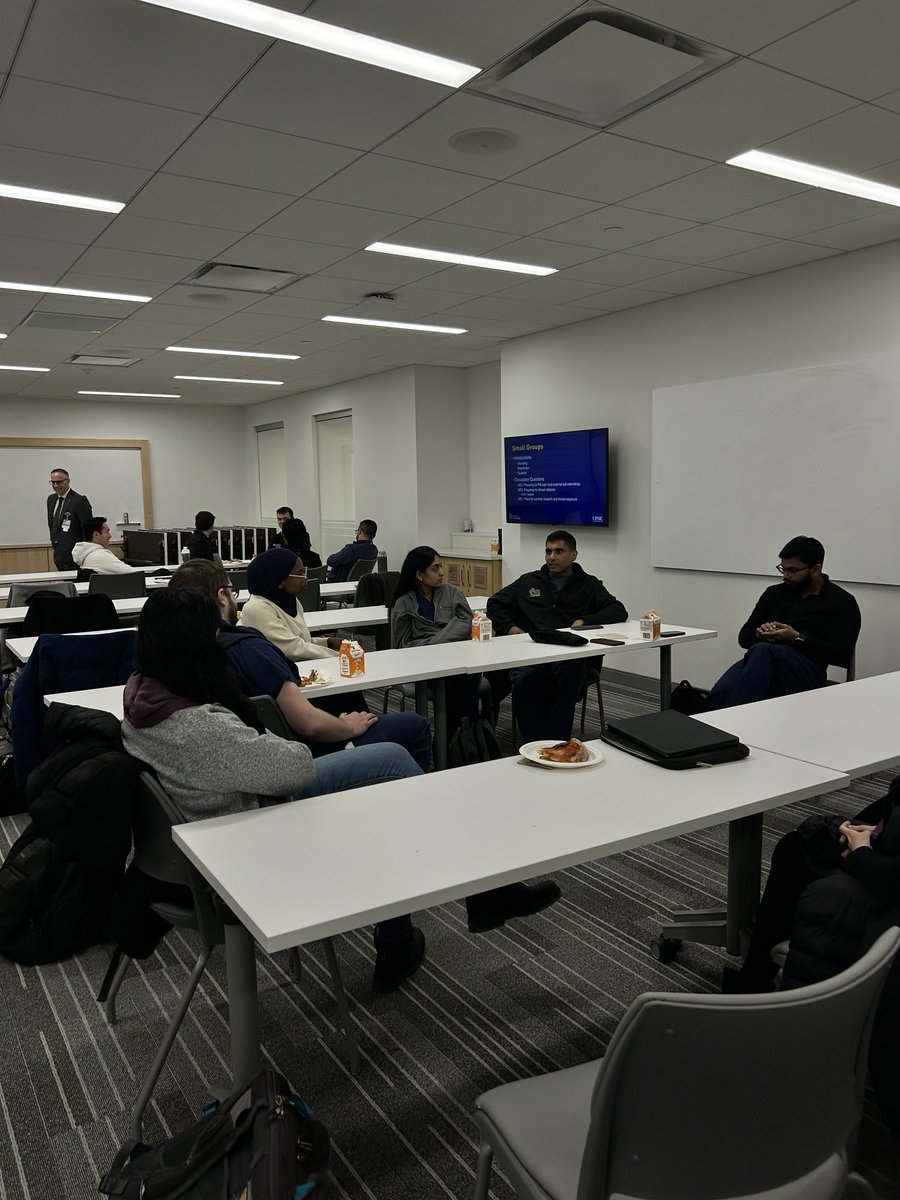
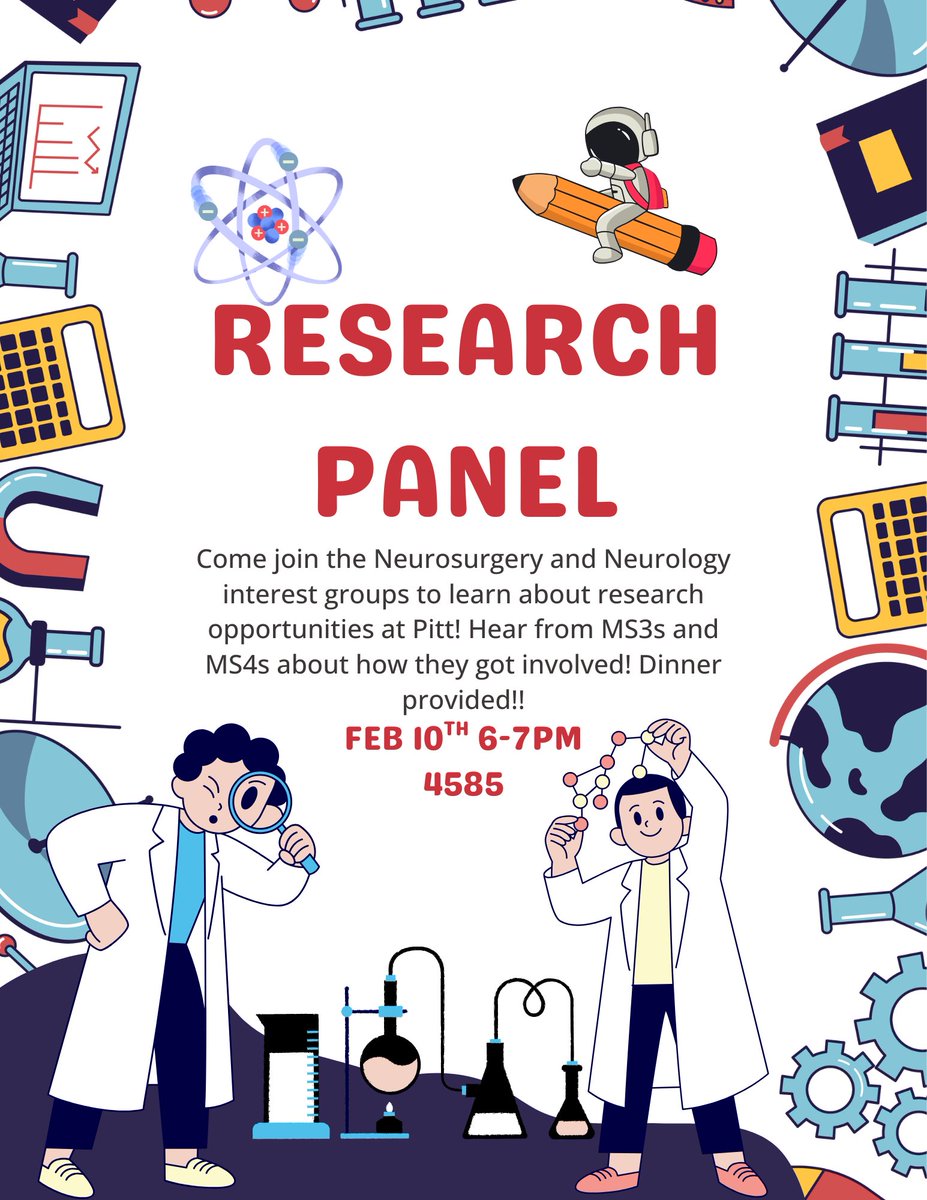
NSIG x Neurology Interest Group are hosting a Research Panel featuring PittMed students — come hear about what neuro research is happening at Pitt and how med students can get involved.
🗓️Feb 10, 6-7 PM
📍 Scaife Hall 4585
🍽️ Dinner provided
RSVP: https://t.co/o1vKYsTik4
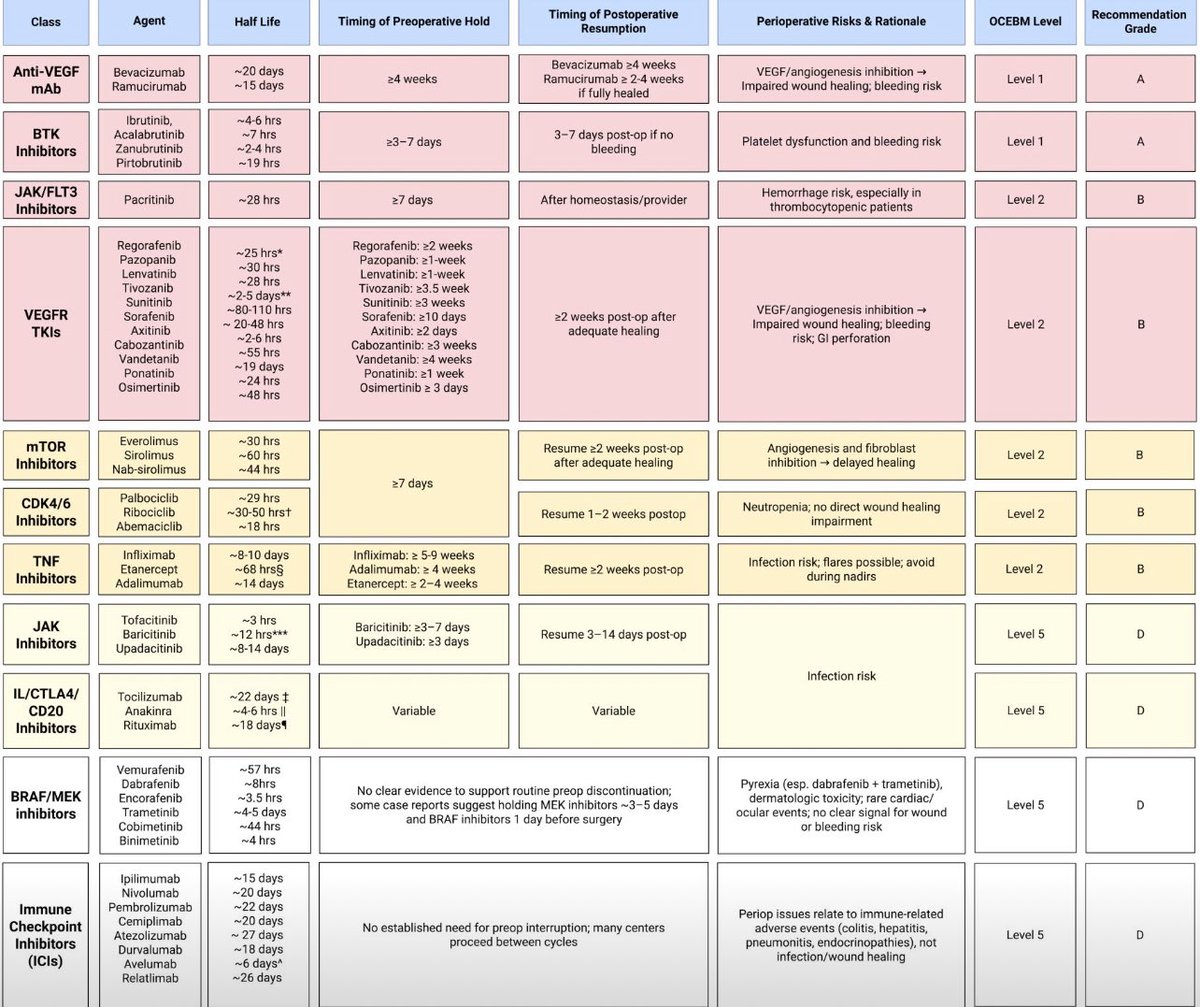
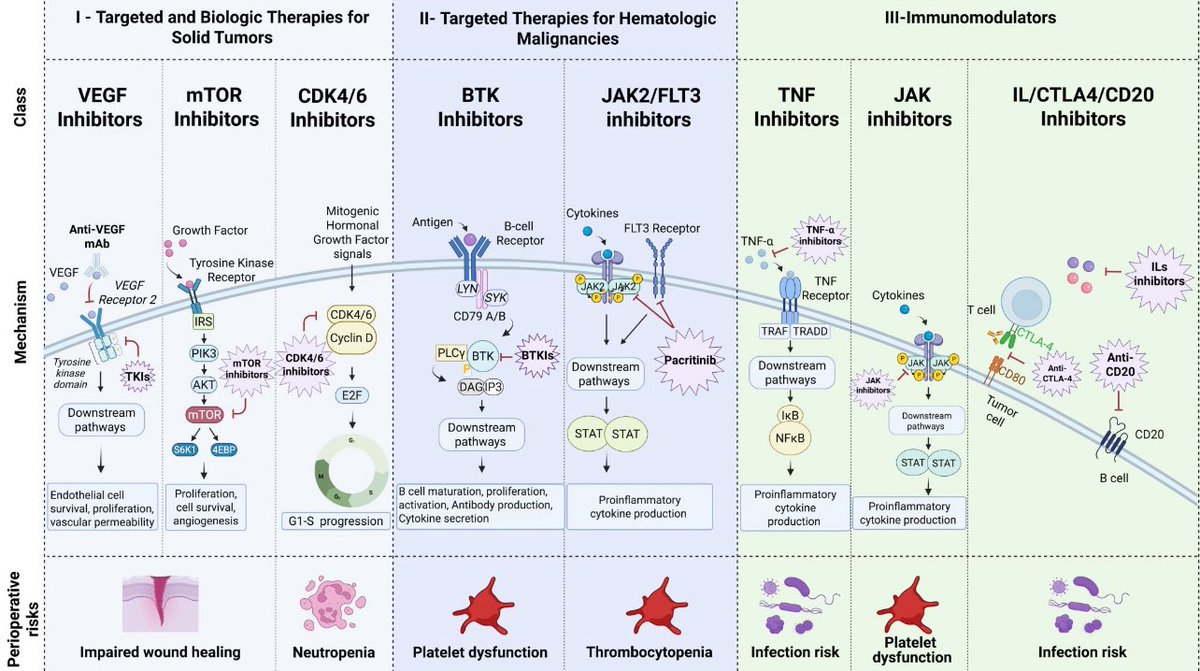
Thrilled to share our newly published Neurosurgery review translating targeted & immunologic therapies into a practical perioperative roadmap for neurosurgeons. Grateful to Dr. Kalil Abdullah for mentorship and the @PittNeurosurg team https://t.co/tDiyrq84jk @NeurosurgeryCNS
Gecici et al. @pascalzinn found that CSF leak and prior radiotherapy markedly increase SSI risk following glioma surgery, with immediate mesh cranioplasty proving safe when infection occurs. #JNO
Read more:https://t.co/AJ0kCXCKGR
Thrilled to have graduated from the Katz Executive MBA program at Pitt @KatzPittBiz@PittTweet. The best part is all the new Friends made, such an incredible group. Very grateful to everyone for their teamwork! Thanks @UPMC and @PittNeurosurg for their amazing support!
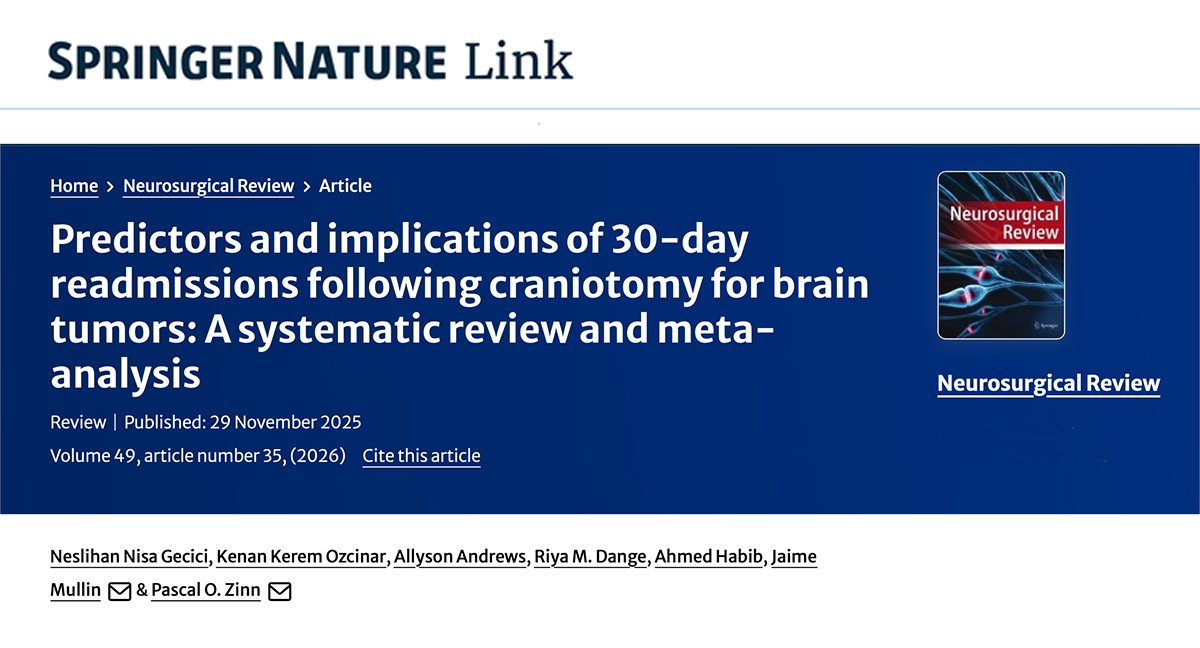
Study evaluates 30-day readmission rates following craniotomies for brain tumor resection, focusing on causes, predictors, and their impact on overall survival. @pascalzinn@UPMCHillmanCC
https://t.co/m3DSk0uPj2
Congrats @gecicinn and team @PittNeurosurg for this latest publication on postop ischemic changes. I wonder whether there is biological/hypoxic mechanism driving this?
Our new study in NOA @EditorNeuro shows that postoperative ischemic changes are independently associated with shorter survival in GBM. Findings underscore the clinical significance of postoperative infarcts in GBM. Read more: https://t.co/u9mqnbD3ue. @pascalzinn AhmedHabib
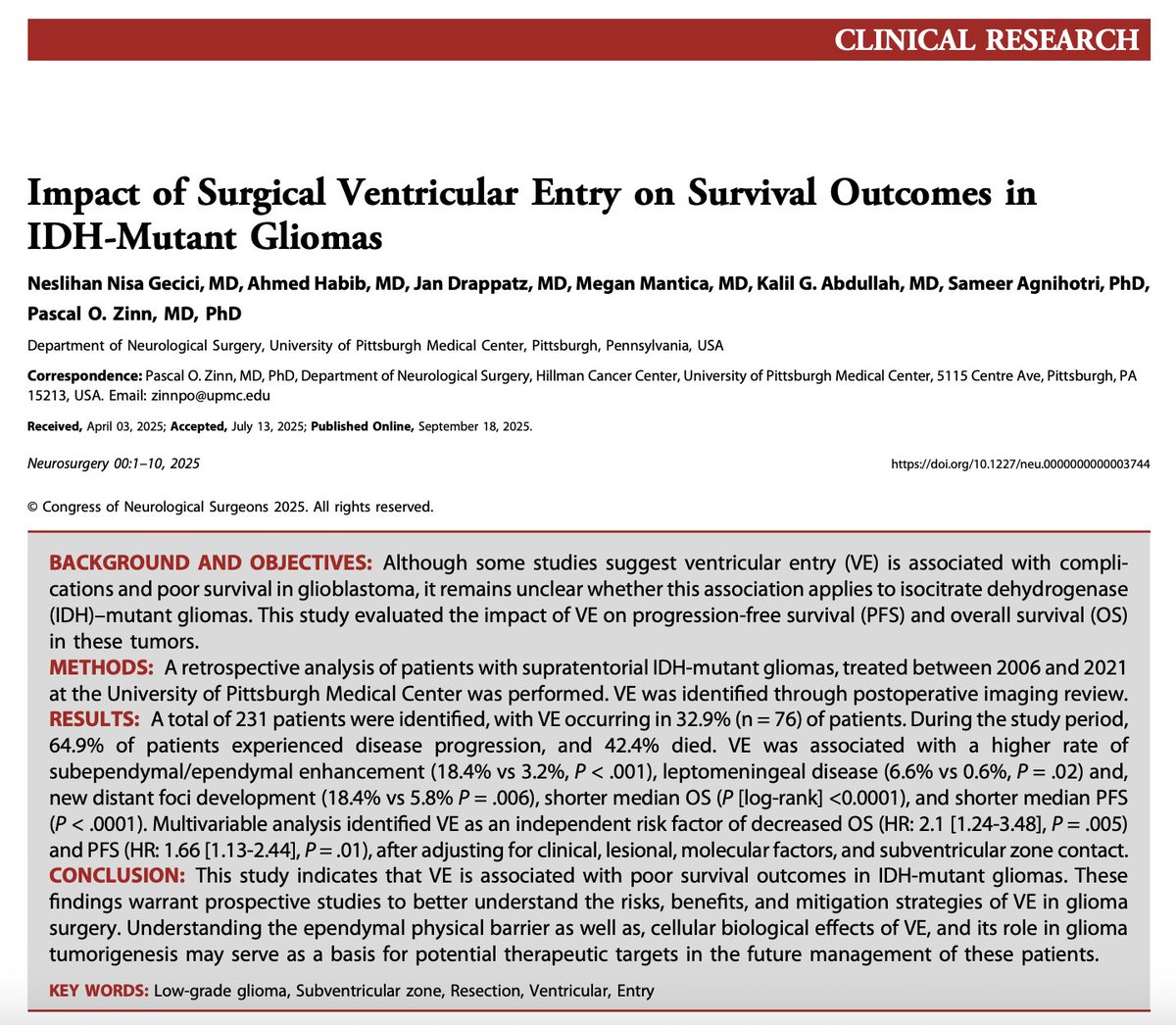
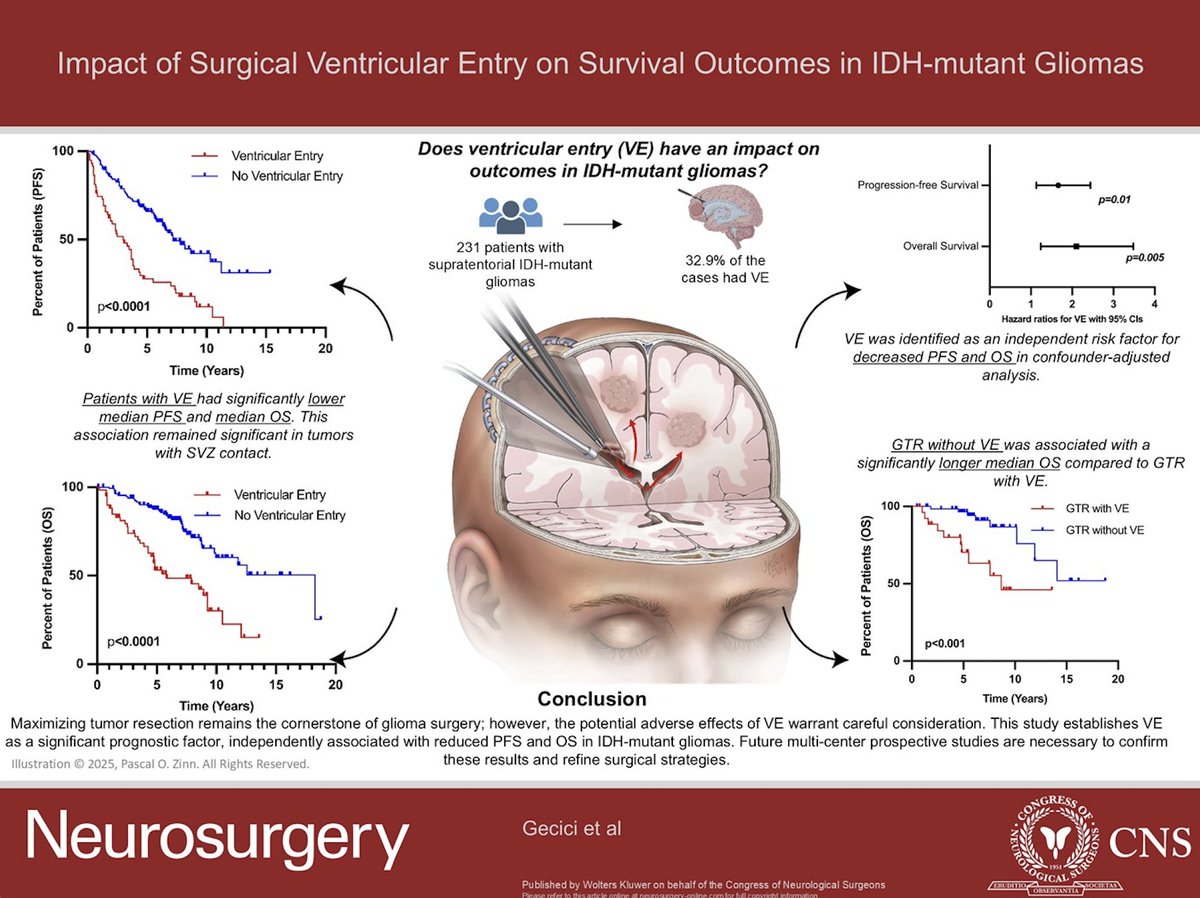
Our new study in @NeurosurgeryCNS shows that ventricular entry is associated with shorter survival in IDH-mutant gliomas. Findings highlight the importance of prospective validation. https://t.co/t6gkzQKFB1 @pascalzinn AhmedHabib
The September Journal Club Podcast is out now! Listen to our latest episode on ventricular entry during Glioblastoma resection and the associated risks and survival rate and hear from the authors Neslihan Gecici and Pascal Zinn on their research. Tune in wherever you get your podcasts: https://t.co/BD98lCW2LX
#CNSPodcasts #JCP
Proud of this team approach for our patients @PittNeurosurg for interdisciplinary management of complex brain tumor patents during awake craniotomy. All the way from pre-intra-, postop neuropsychology evals, functional imaging and cutting-edge neurophysiology with multi-modal data integration.
At @PittNeurosurg our approach to brain tumor care reflects a new level of sophistication—precise anatomical planning, preservation of cognitive function, and multidisciplinary decisions on every case. @pascalzinn@balzjr@amelia_stepniak@gecicinn
https://t.co/KfESQb2ZO9
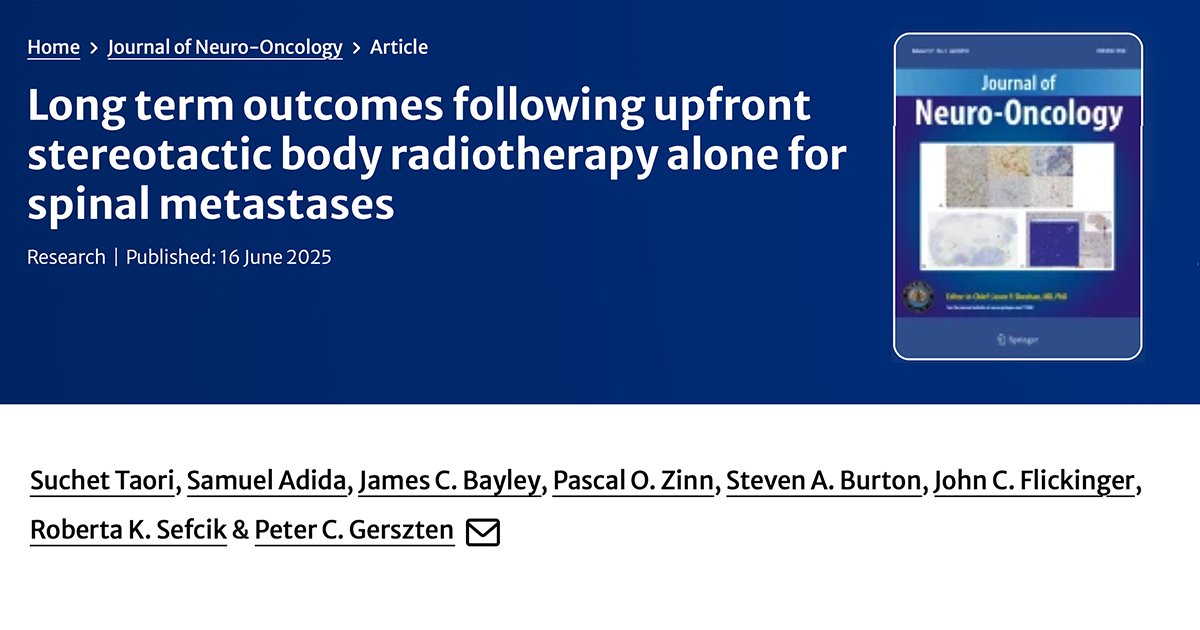
Upfront stereotactic body radiotherapy alone for spinal metastases provides durable long-term local tumor control and sustained pain relief with minimal toxicity. https://t.co/Iy4qrPuwF7 @SuchetTaori@SamuelAdida@pascalzinn@UPMCPhysicianEd