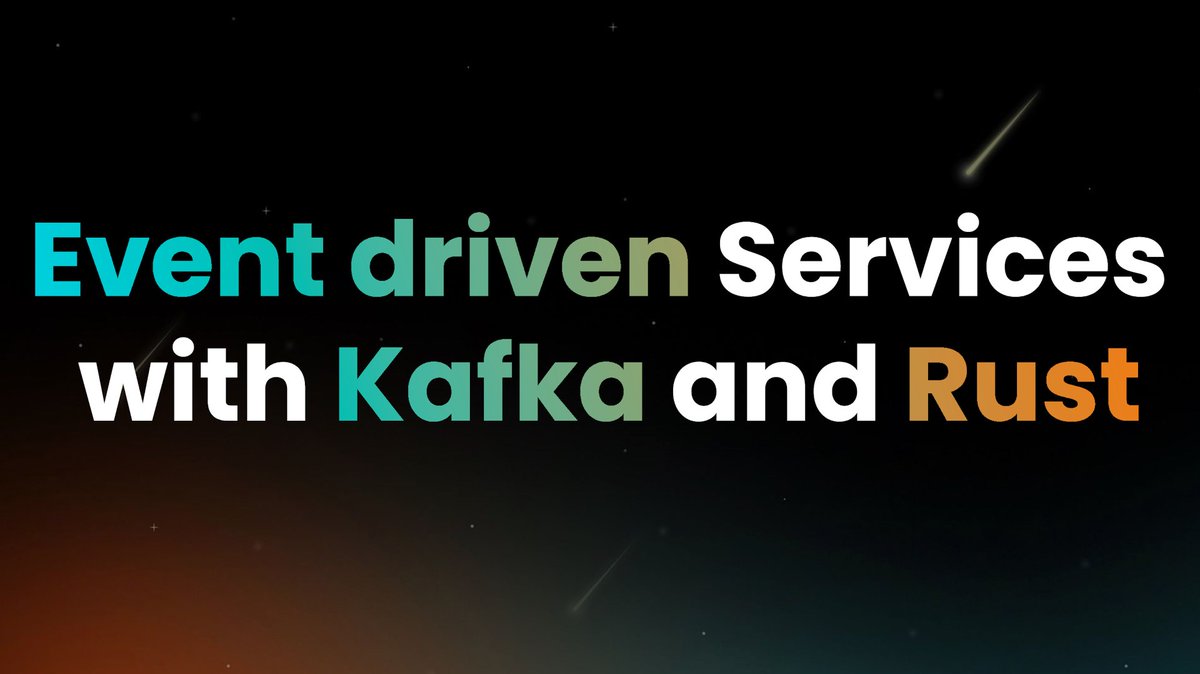
Our new article on writing event-driven microservices using Kafka and Rust is ready 👀
Learn about rdkafka, setting up Kafka locally, producers & consumers as well as migrating from a monolith using Change Data Capture!
Check it out: https://t.co/TikIOHvdpI
@ThisWeekInRust
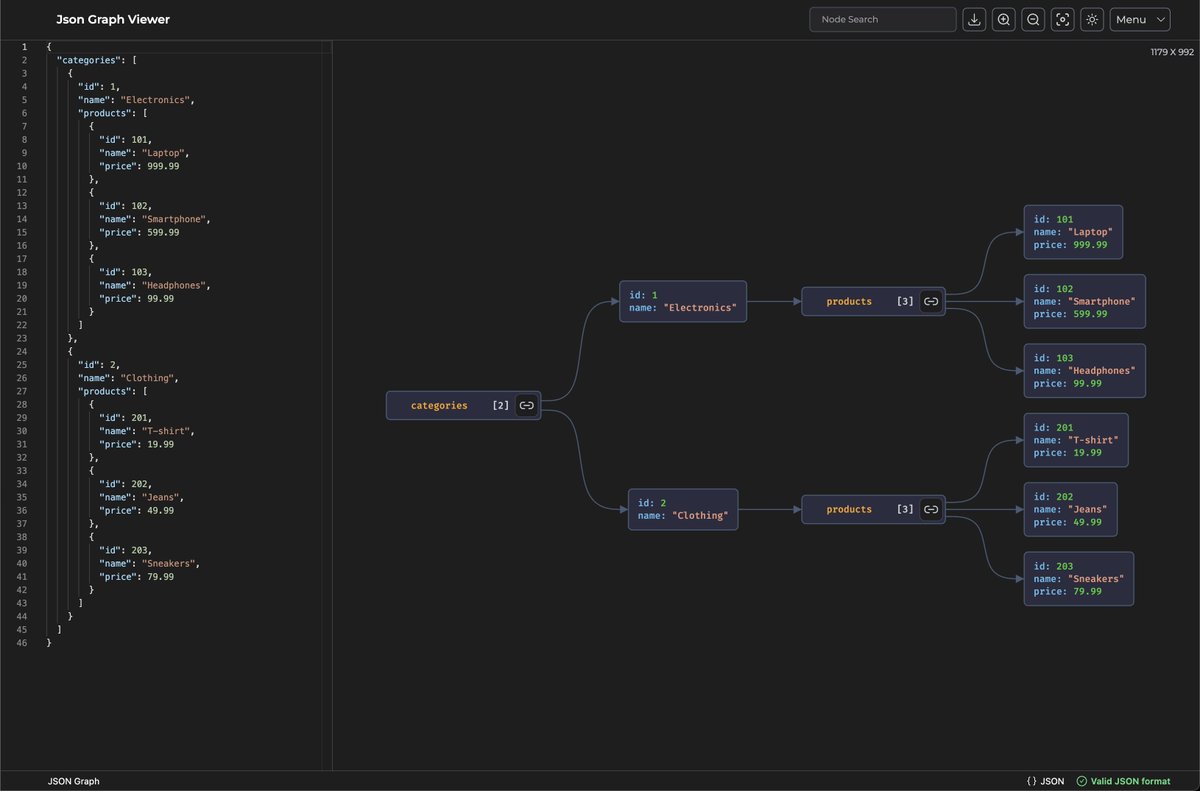
Did you know rust-analyzer can convert JSON into Rust structs? Simply paste your JSON into a Rust file and run the `convert JSON to struct` code action.
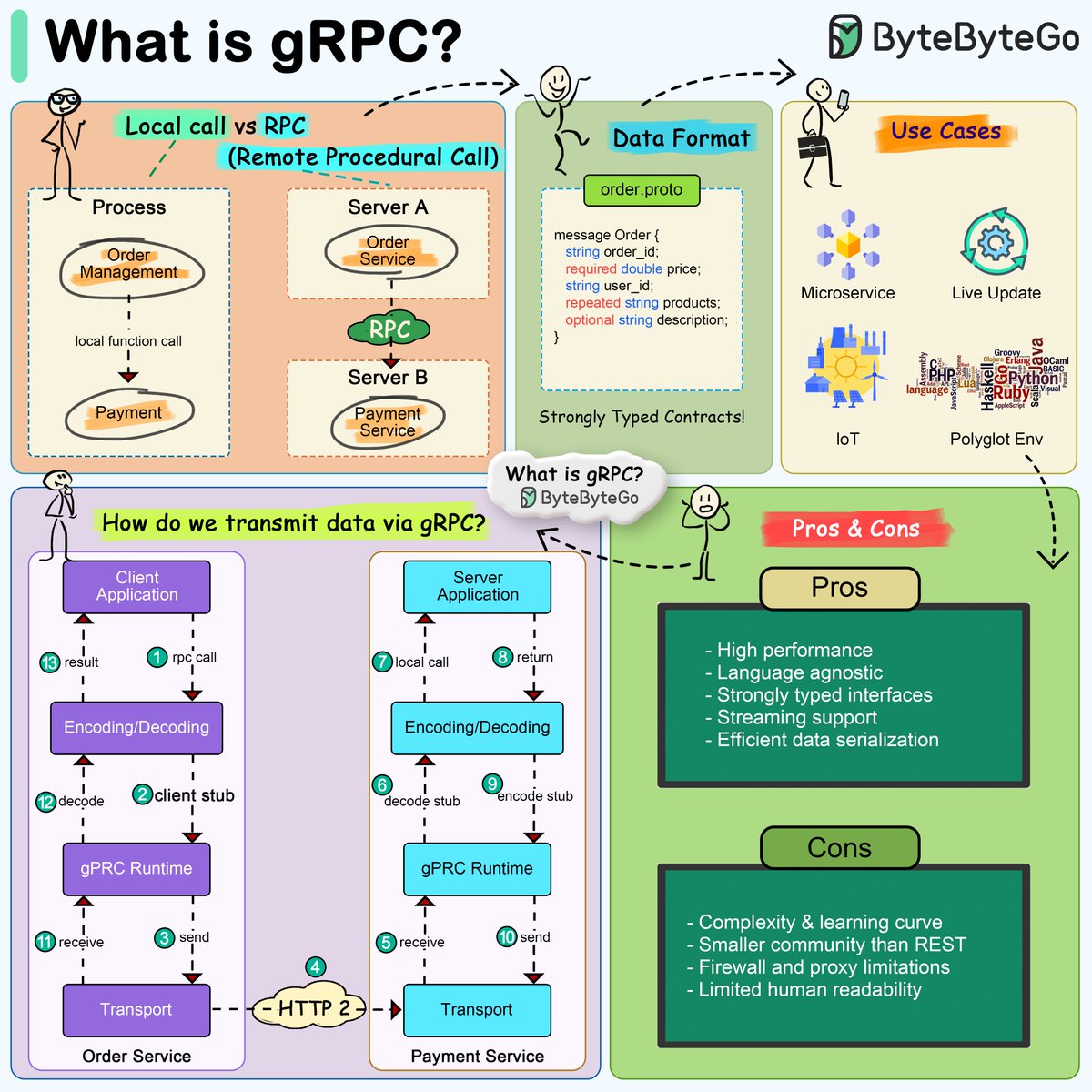
What is gRPC?
gRPC is a high-performance, open-source remote procedure call framework initially developed by Google. It leverages HTTP/2 for transport, Protocol Buffers as the interface description language, and provides features such as authentication, load balancing, and more.
Key Features of gRPC:
- Speed - gRPC is built on HTTP/2 and Protobufs for high throughput and low latency.
- Efficiency - The compact Protobuf binary format means smaller payloads than JSON.
- Type Safety - Protobufs are strongly typed.
- Polyglot - Write services in many popular languages.
- Great Ecosystem - Many tools for code gen, load balancing, monitoring, and more.
Drawbacks of gRPC:
- More Complex - Defining Protobuf schemas and setting up gRPC can have a learning curve.
- Not Human Readable - Protobufs are binary, so not as easy to troubleshoot as JSON.
- Limited Browser Support - gRPC works best for backend microservices, not front-end apps.
–
Subscribe to our weekly newsletter to get a Free System Design PDF (158 pages): https://t.co/kNfv0DVDdf
Here's my complete (5000+ words 🤯) guide to Flutter Pagination with Riverpod, covering:
📜 infinite scrolling
⏳ loading and error states
🆕 refreshing data
🔍 search UI with pagination
✨ caching & debouncing
❓ edge cases & common questions
https://t.co/O0KW4L3h1b
Creating A GRPC Endpoint With Rust
In this tutorial, I will show you how to use Rust and Proto to create a simple "hello world" endpoint using gRPC.
#DEVCommunity#RustLang
https://t.co/PAKpzzNIst
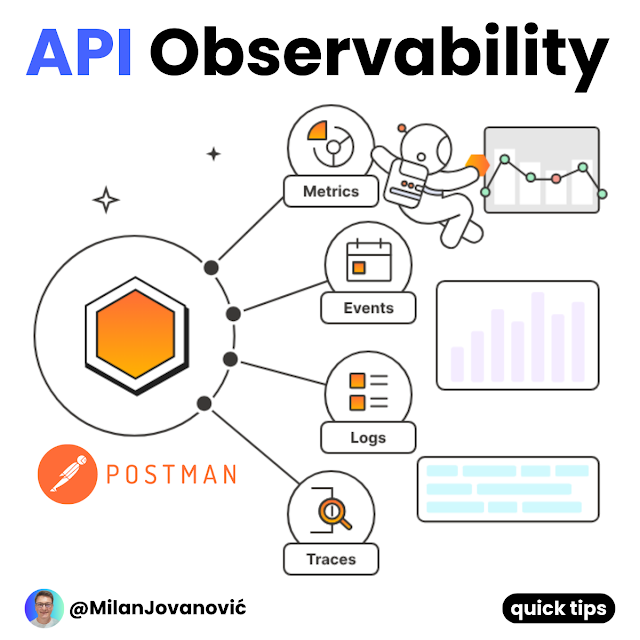
What is API Observability?
There are 4 pillars of API observability:
- Metrics
- Events
- Logs
- Traces
Metrics measure values that determine API health. A few interesting metrics are throughput, latency, CPU usage, and memory usage.
Events capture significant changes in the system. They also include contextual information about what happened.
Logs capture important activity in the application and record the system actions.
Traces represent a record of a request's path through a distributed system.
To make your API observable, you must instrument it with event listeners, agents, or libraries, which can collect metrics, events, logs, and traces.
If you want to learn more about API observability and how Postman can help, check out this article: https://t.co/NZsrpk6Izk
You can use telemetry data to create alerts to notify your team about potential issues.
Another use case is visualization. Some services can ingest telemetry data and present them in a dashboard.
API observability plays a crucial role in helping your team monitor APIs. Telemetry can track performance, troubleshoot issues, and identify optimization opportunities.
How are you implementing API Observability in .NET?
P.S. If you got value from this post and want to improve your software architecture skills, subscribe to The .NET Weekly - my newsletter with 36,000+ engineers.
Subscribe here → https://t.co/zeSWQFMIk8
7 Nonfiction Books That Will Help You Establish A Reading Habit.
1. Do It Today.
2. Atomic Habits.
3. The Daily Stoic.
4. The Kaizen Way.
5. Rise of The Reader.
6. The Almanack of Naval Ravikant.
7. 1000+ Little Things Happy Successful People Do Differently.
𝗟𝗲𝗮𝗿𝗻 𝗳𝘂𝗻𝗱𝗮𝗺𝗲𝗻𝘁𝗮𝗹𝘀 𝗻𝗼𝘁 𝗳𝗿𝗮𝗺𝗲𝘄𝗼𝗿𝗸𝘀
We, as developers, like to learn new stuff and try it ASAP. That stuff is mostly some new frameworks and tools (such as React, Angular, Spring, Web Forms, ...). Yet, those frameworks usually have 𝗮 𝘀𝗵𝗼𝗿𝘁 𝗹𝗶𝗳𝗲, 𝟮 𝘁𝗼 𝟱 𝘆𝗲𝗮𝗿𝘀 𝗮𝘁 𝘁𝗵𝗲𝗶𝗿 𝗯𝗲𝘀𝘁. Instead of learning frameworks, which are needed to some extent, we should focus more on learning fundamentals.
𝗟𝗲𝗮𝗿𝗻𝗶𝗻𝗴 𝘁𝗵𝗲 𝗳𝘂𝗻𝗱𝗮𝗺𝗲𝗻𝘁𝗮𝗹𝘀 𝗼𝗳 𝘀𝗼𝗳𝘁𝘄𝗮𝗿𝗲 𝗱𝗲𝘃𝗲𝗹𝗼𝗽𝗺𝗲𝗻𝘁 allows a developer to understand the underlying principles and concepts common across different frameworks and programming languages. This understanding allows for more flexibility and adaptability when working with new technologies or when faced with problems that may not be easily solved by a specific framework.
Additionally, a strong understanding of the fundamentals can lead to 𝗺𝗼𝗿𝗲 𝗲𝗳𝗳𝗶𝗰𝗶𝗲𝗻𝘁 𝗮𝗻𝗱 𝗲𝗳𝗳𝗲𝗰𝘁𝗶𝘃𝗲 𝘂𝘀𝗲 𝗼𝗳 𝗳𝗿𝗮𝗺𝗲𝘄𝗼𝗿𝗸𝘀, as the developer can better understand how to customize and extend them to meet specific needs.
Take an example of a web application that allows users to upload and share images, e.g., Ruby on Rails, and its functionalities for image processing. If the number of users increases, we could struggle with performance issues if we know only the framework well. Yet, if we understand the fundamentals of web development, we could try to identify bottlenecks and try different solutions, such as using CDN-s, optimizing image sizes, using different storage solutions, etc.
So, which fundamentals to learn:
🔹 𝗔𝗹𝗴𝗼𝗿𝗶𝘁𝗵𝗺𝘀
🔹 𝗗𝗮𝘁𝗮 𝘀𝗼𝘂𝗿𝗰𝗲𝘀
🔹 𝗖𝗹𝗲𝗮𝗻 𝗰𝗼𝗱𝗲
🔹 𝗗𝗲𝘀𝗶𝗴𝗻 𝗽𝗮𝘁𝘁𝗲𝗿𝗻𝘀
🔹 𝗗𝗶𝘀𝘁𝗿𝗶𝗯𝘂𝘁𝗲𝗱 𝗖𝗼𝗺𝗽𝘂𝘁𝗶𝗻𝗴 𝗣𝗮𝘁𝘁𝗲𝗿𝗻𝘀
🔹 𝗧𝗲𝘀𝘁𝗶𝗻𝗴
🔹 𝗦𝘆𝘀𝘁𝗲𝗺 𝗗𝗲𝘀𝗶𝗴𝗻
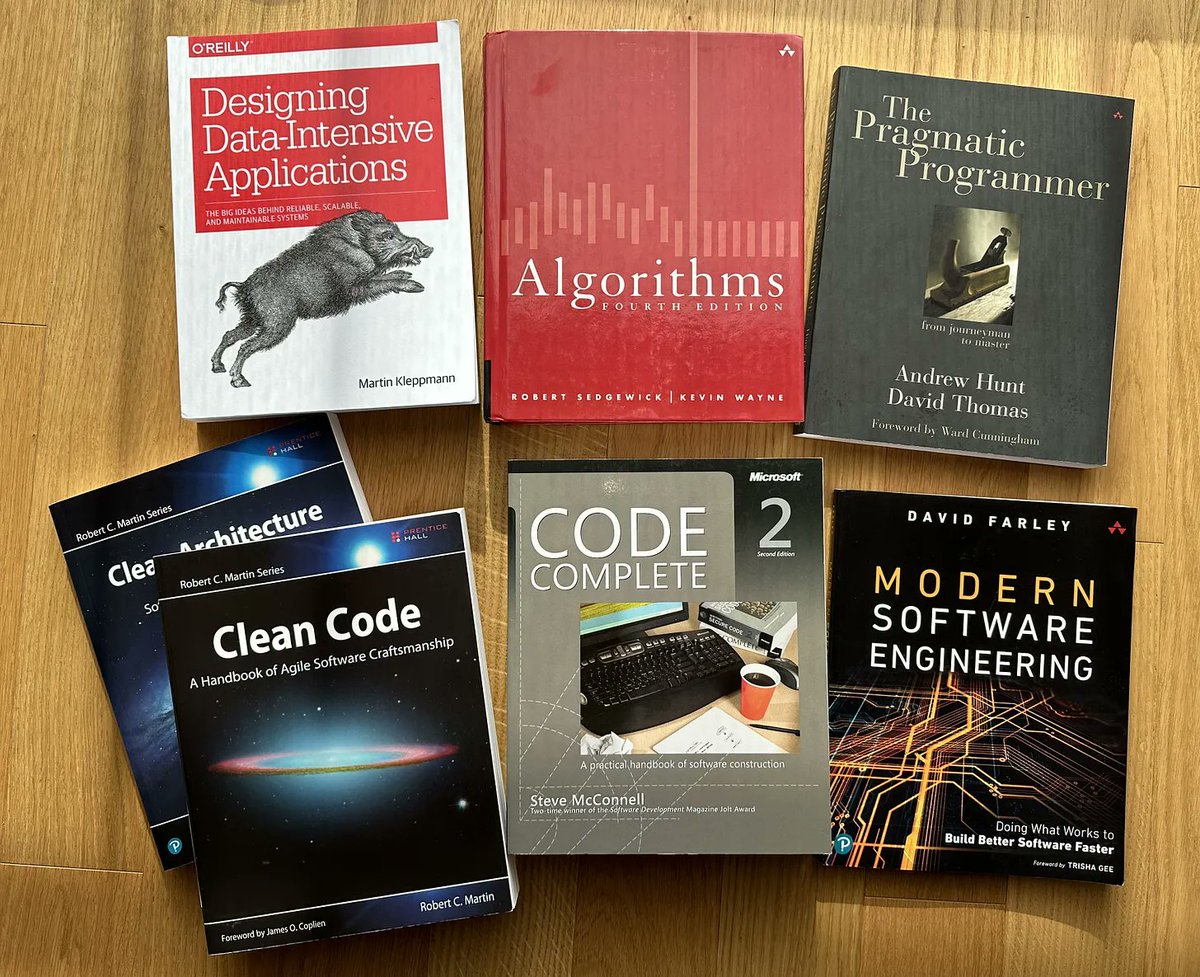
Try to learn those fundamentals, buy and read these books:
🔸 𝗖𝗹𝗲𝗮𝗻 𝗖𝗼𝗱𝗲
🔸 𝗧𝗵𝗲 𝗣𝗿𝗮𝗴𝗺𝗮𝘁𝗶𝗰 𝗣𝗿𝗼𝗴𝗿𝗮𝗺𝗺𝗲𝗿
🔸 𝗖𝗼𝗱𝗲 𝗖𝗼𝗺𝗽𝗹𝗲𝘁𝗲
🔸 𝗗𝗲𝘀𝗶𝗴𝗻 𝗣𝗮𝘁𝘁𝗲𝗿𝗻𝘀: 𝗘𝗹𝗲𝗺𝗲𝗻𝘁𝘀 𝗼𝗳 𝗥𝗲𝘂𝘀𝗮𝗯𝗹𝗲 𝗢𝗯𝗷𝗲𝗰𝘁-𝗢𝗿𝗶𝗲𝗻𝘁𝗲𝗱 𝗦𝗼𝗳𝘁𝘄𝗮𝗿𝗲
🔸 𝗜𝗻𝘁𝗿𝗼𝗱𝘂𝗰𝘁𝗶𝗼𝗻 𝘁𝗼 𝗔𝗹𝗴𝗼𝗿𝗶𝘁𝗵𝗺𝘀
#softwareengineering
getting started with Vue 3?
This chatbot is trained using @vuejs docs 🤯
It can help you clear any doubts you might have in the process!
https://t.co/cijnPxW7L1