Important thread delineating the many caveats of models and omics-style studies.
Complexity cannot be brute-forced by compute, much less without the (multilayered) context.
Great to the see the flurry of single gene knockdown Perturb-seq like atlases from cell-lines, mouse brain etc over the last few days. These are undoubtedly very valuable datasets. I just want to re-iterate a few other very important expt. design considerations 1/
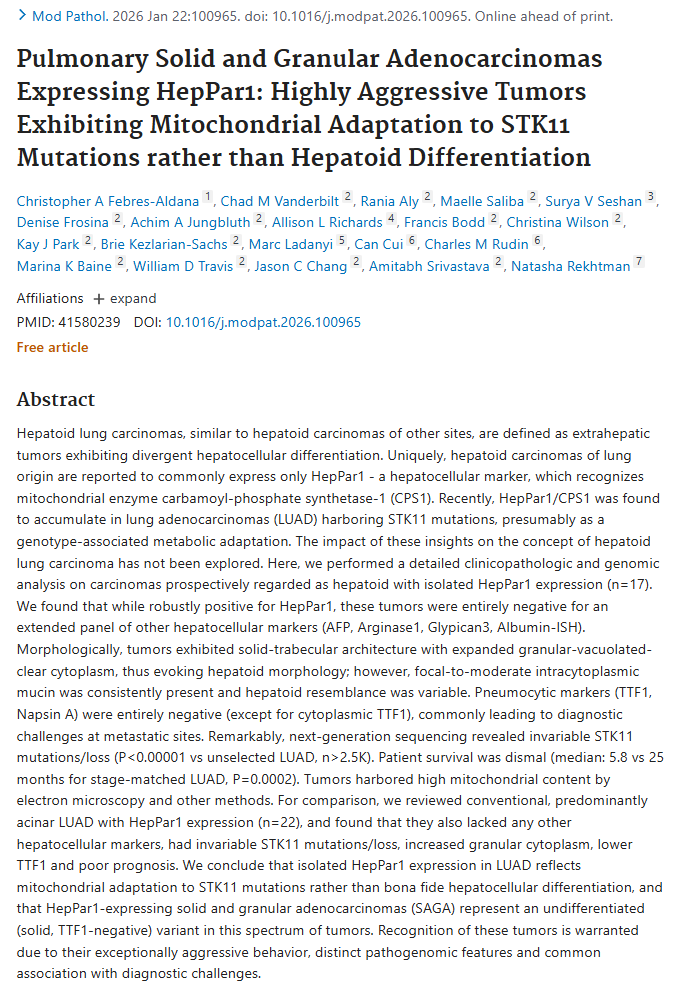
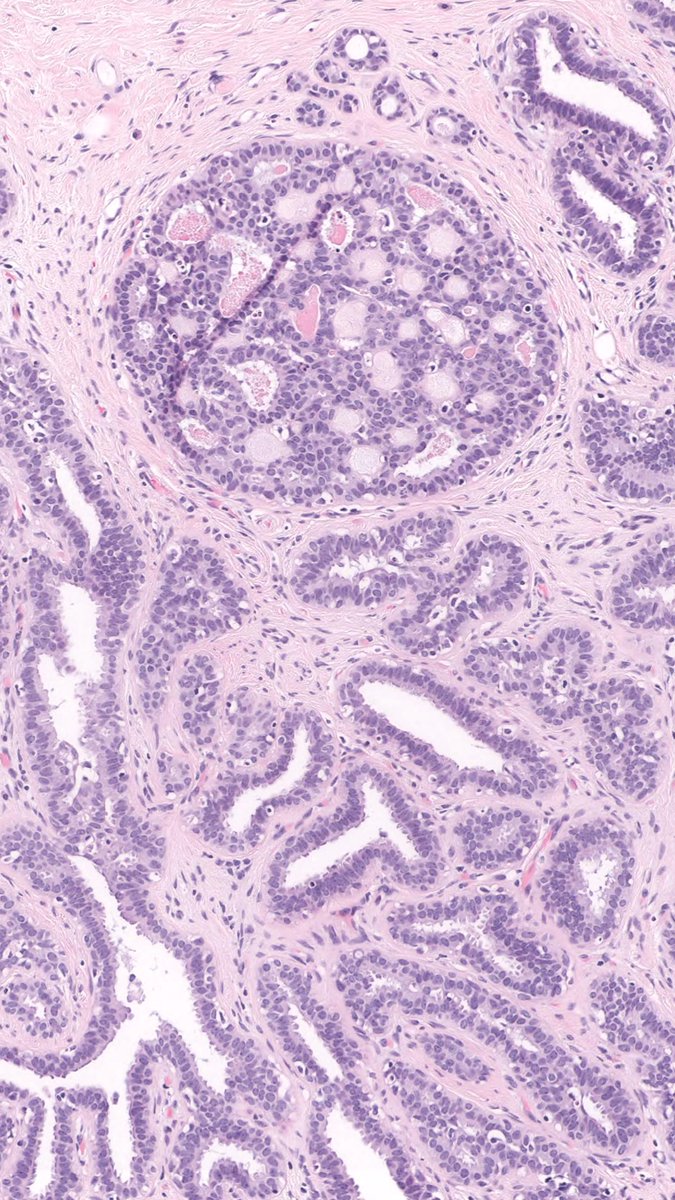
1/ Just out in @ModernPathology
New study from our group: A distinct variant of aggressive lung carcinoma with peculiar pathologic features.
We called these tumors “SAGA” (solid and granular adenocarcinoma) .. sorting them out was in fact a long and winding saga that led to some unexpected insights. 👇
https://t.co/b8gTMZqFRK
https://t.co/meFMjkN28B
CC372. ORGAN and DIAGNOSIS. The importance of clinical information is directly proportional to the value that morphology has without it. Their combination is extremely synergistic, but it is advisable to know how to handle them separately #cytopath
@parmita Great thread! I am working on neurodegenerative diseases and it's fascinating to realize so much of the intracellular biology is just the sheer physics and chemistry of liquid-liquid phase transitions!
Registration is now open!
VIRTUAL option available - on popular demand!
Anywhere in the 🌎 - we got you covered!
Join us for 3 days of educational bonanza and cutting edge 🔬 #GIpath#digipath#AIinPathology
https://t.co/3OSwckrwer
1/
Why is Ki-67 called Ki-67? And why am I attaching a photo of this beautiful city to the tweet?
If you work in pathology or oncology, you’ve likely come across Ki-67 many times. But where does the name come from?
A short 🧵 on the origins, function, and significance of Ki-67. #IHC #pathx #molpath
🦋 UC San Diego's new imaging tech, inspired by butterfly wings, could change cancer diagnostics forever! Morpho-enhanced polarized light microscopy (MorE-PoL) = stain-free, contact-free tissue analysis.
Get the details! 📲 https://t.co/tt9wecU6vy
#Pathology#CancerDiagnostics
In 2000, a physicist made bacteria blink.
He did so by stitching together individual pieces of DNA to build a "genetic circuit," called the repressilator.
We recently published an interactive article explaining how the repressilator works, and how one can tune its dynamics. 🧵
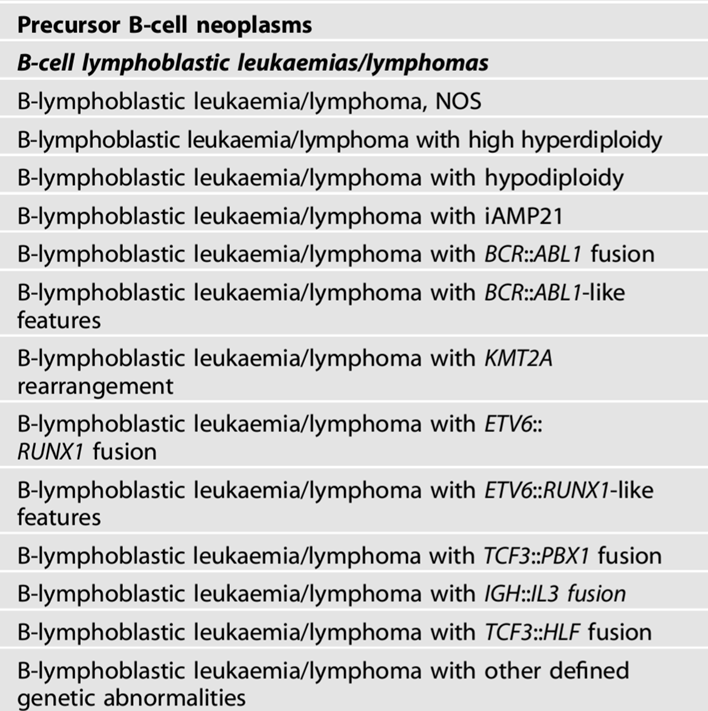
New Paper📢
WHO5 makes major changes to the B-ALL with entities defined by RNA sequencing and DNA based sequencing
But it begs the question:
Is the WHO5 applicable?
Why do we need it? MRD trumps everything … right?
What is the relevance in era of MRD directed therapy?
1/n
Issues around macroscopic examination of GI specimens will be discussed by internationally renowned experts from USA, UK and India in this free webinar on 16th October 2024. Register at https://t.co/TmFc4BvrPi. @DiptiKaramchan2@Mvgs1706@Vik_deshpandeMD@RunjanChetty