Remove the Ferrari logo and it looks like just another chinese ev...where are the aesthetics..it invokes zero emotion despite being a ferrari...enough of these minimalist designs #Ferrariev#JonyIve#chineseev
Have been following Starship since Starhopper days...with all the hiccups( its literally rocket science) amount of progress feels surreal. I feel once starships reach falcons level maturity human space exploration will reach escape velocity!!! #gohumanity#spacex#starship#elon
With under 10% AC adoption rate system is already strained. But the good news is projected solar capacity increase outpaces the projected AC adoption rate!
Human collaboration is what propelled us to dominate Earth. Our ability to work together, share ideas, and align goals is unique. But are we reaching a plateau in collaboration? Given it's ability of chucking mega data and making sense of it, AI can master collaboration?#AI
Most AI applications in the manufacturing and automotive sectors have been adapted from software use cases. It's time to broaden our perspective and explore innovative, industry-specific AI applications. #AI#FutureTech#GenAI
Time for a new language??
English or other spoken language have very less bits/second information transfer speed and rely heavily on context. Context can carry 10-1000s bits per second. Given the progress of AI, AI talking to us will feel like we talking to monkeys #AI#Future
What if AI could tailor every experience uniquely to you—an education system that teaches your way, a robot that understands your emotions, or enterprise tools that evolve with each user?#AI#Innovation
@waitin4agi_ and team, I am AI enthusiast and working on Enterprise AI for Manufacturing/automotive sector at my current organization. I have a rather non existent X profile. If the new project has to do with either Manufacturing or AI/ML. I am interested! Willing to travel too!
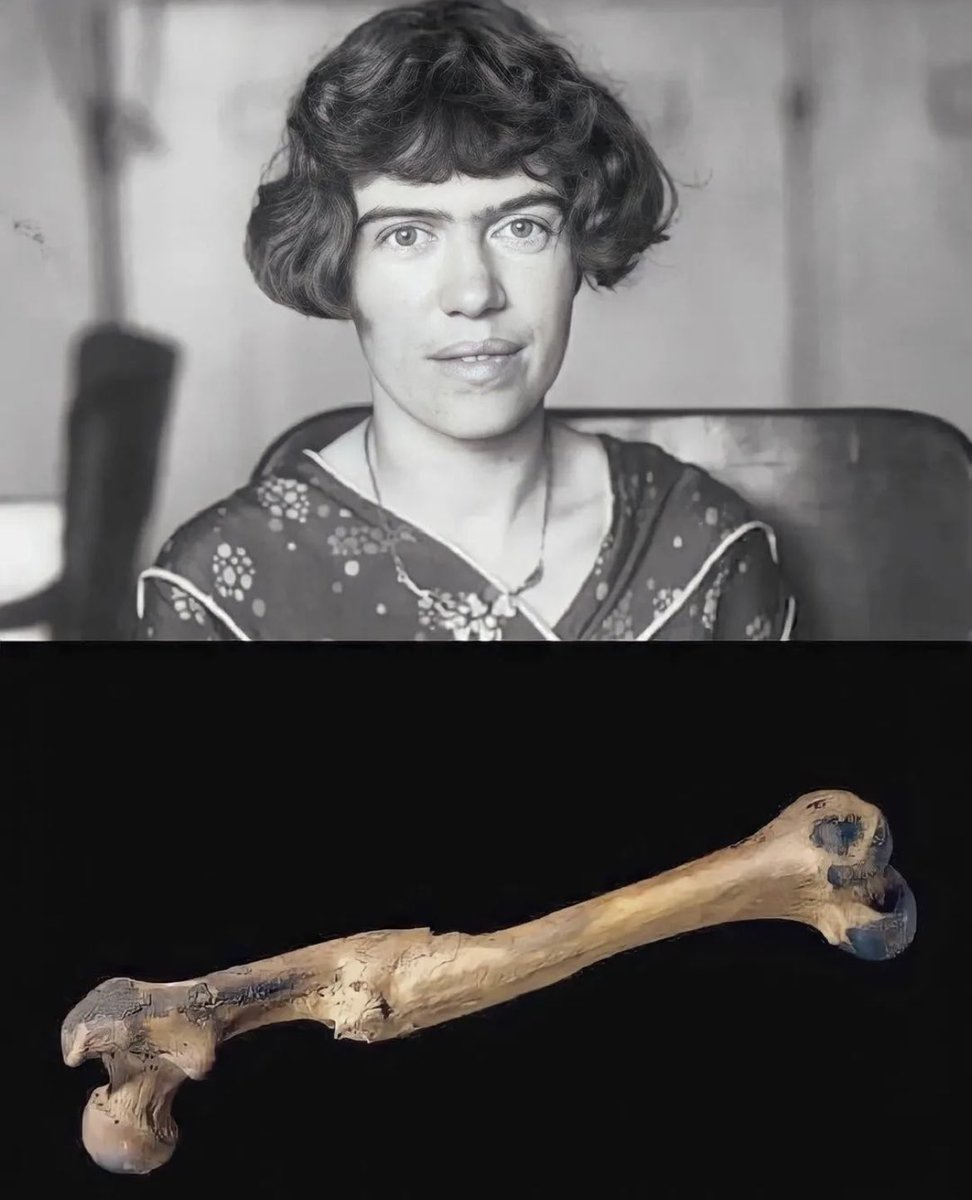
The concept of civilization is often associated with various tangible artifacts and advancements, such as tools, architecture, or systems of governance. However, anthropologist Margaret Mead presented a different perspective when she was asked about the first sign of civilization in a culture. Rather than focusing on material objects, she emphasized the significance of a healed femur bone.
In Mead's view, the animal kingdom provides a stark contrast to human civilization. When an animal breaks its leg, survival becomes nearly impossible. The inability to escape from danger, access water, or procure food renders the injured animal vulnerable to predators. Consequently, no animal lives long enough for a broken leg to heal naturally. Thus, the healing of a femur bone is a profound indication of civilization.
Why is a healed femur bone considered the first sign of civilization? Mead's explanation lies in the collective care and empathy demonstrated by a community. When someone breaks their leg, it is a moment of extreme vulnerability and danger. However, if the injured individual receives aid and support from others, they can overcome this critical period.
The act of caring for someone with a broken leg requires time, compassion, and a sense of responsibility towards others. Mead suggests that the healing process involves multiple steps. First, someone must have witnessed the accident and recognized the injured person's distress. Then, they would have provided immediate assistance, possibly by binding the wound and ensuring the person's safety. Finally, they would have stayed by their side, offering ongoing care and support during the recovery period.
By highlighting the significance of collective care, Mead emphasizes that civilization begins with the recognition of the suffering of others and the willingness to help. It is through acts of compassion and support that a community establishes its foundations of empathy, cooperation, and social cohesion. The healing of a broken femur, symbolizing the survival and recovery of an individual within a community, reflects the values and actions that underpin a civilized society.
Mead's perspective challenges the notion that civilization is solely determined by material progress or technological advancements. While such developments are undoubtedly important, they are built upon a deeper foundation of human connection and mutual aid. The healing of a broken femur bone serves as a metaphor for the care and support that individuals provide to one another, promoting the well-being and progress of society as a whole.
In conclusion, Margaret Mead's unconventional response to the question about the first sign of civilization reminds us of the fundamental importance of collective care. Civilization, she argues, is not solely defined by tangible artifacts or structures but by the empathy and support extended to those in need. The healing of a broken femur bone represents the compassion and responsibility that underpin a civilized society, highlighting the significance of human connection and mutual aid in fostering progress and well-being.