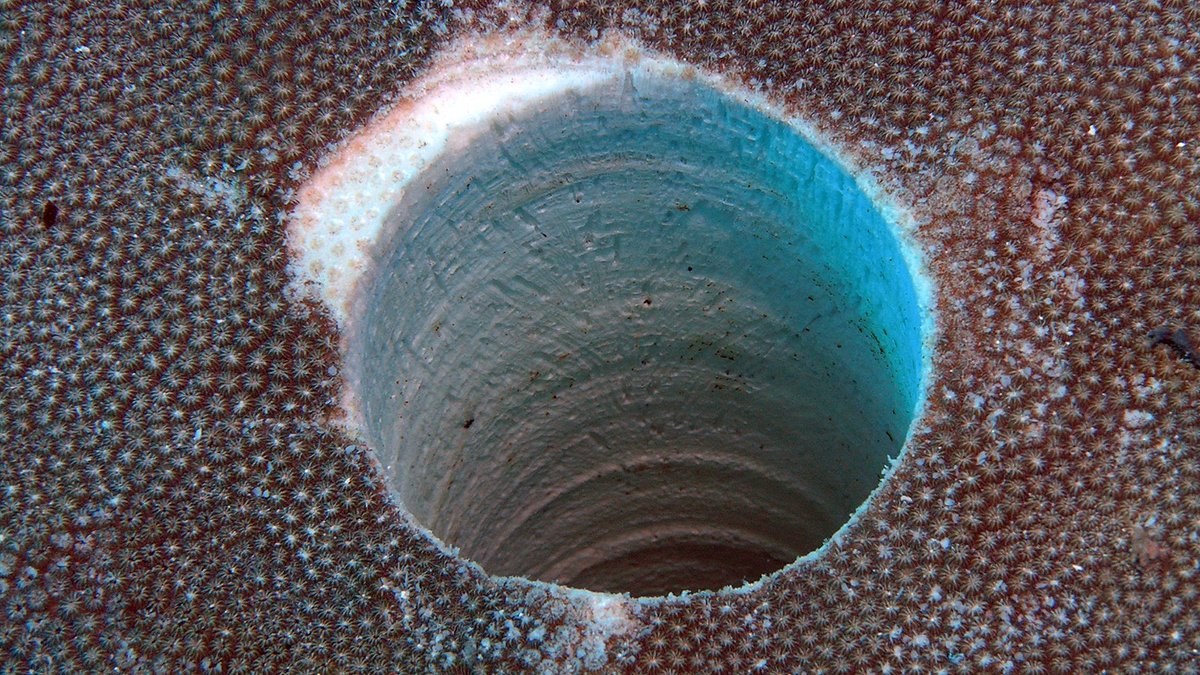
Some #corals may resist to extreme #thermal events in #marginalreefs. This seems to be the case of Montastraea cavernosa in a Southwestern Atlantic reef along 2013-2019. Check it in a recent paper at MERE with @gui_o_longo@MarineEcoBR@peldiloc 👇
https://t.co/lNZzx8bzml
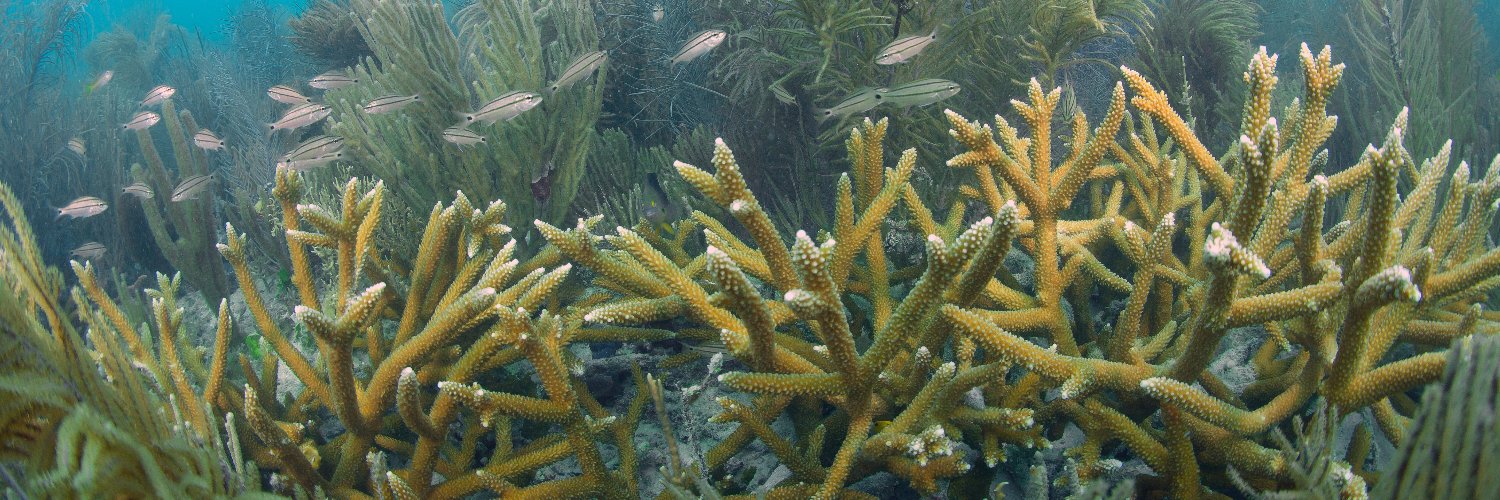
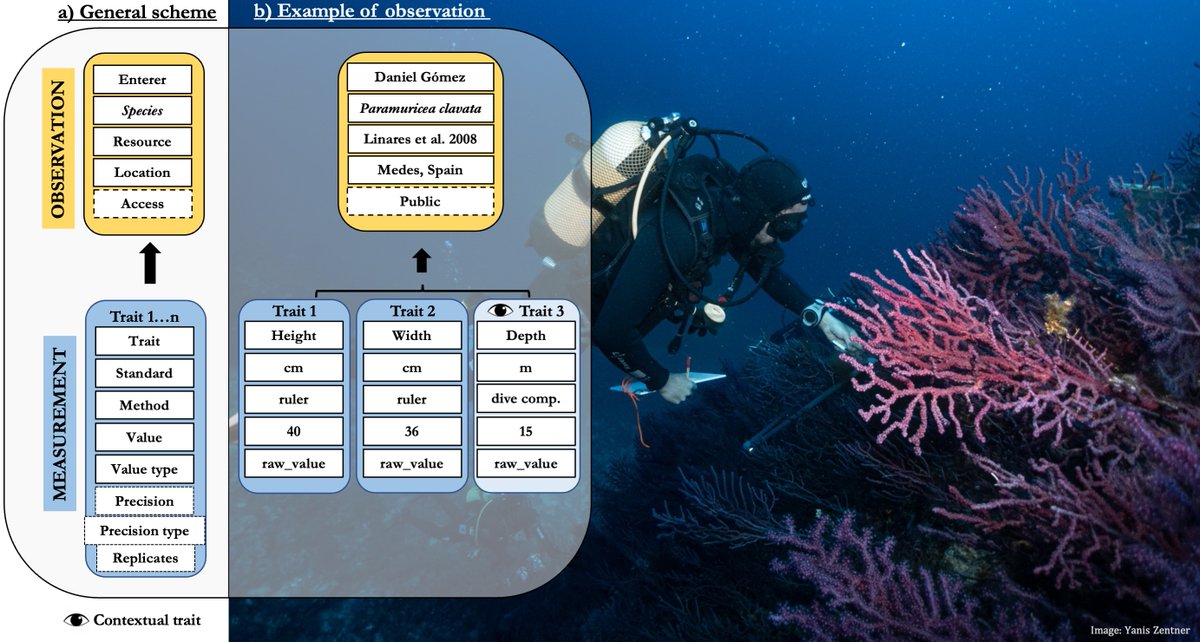
Since 2016, the Coral Trait Database (https://t.co/ATdazUPiwK) has contributed to the advancement of coral reef science. However, data on #octocorals —key components of coral ecosystems— was missing... until NOW!🎉 The Octocoral Trait Database is here!👇
https://t.co/27h53tnGN5
ALERT critical paper on coral reef restoration/conservation!!! @NatureClimate
It is (sadly) easier to sell disaster than solutions... but the solutions exist (and are not mutually exclusive!) and are being continuously developed and optimized.
https://t.co/pbdic3ZEKL
First chapter of @VergottiMarina PhD published! Important contribution on sublethal effects of warming on the only coral with reef-building potential in the Med. The skeletons of this coral are an impressive archive!
#proudsupervisor
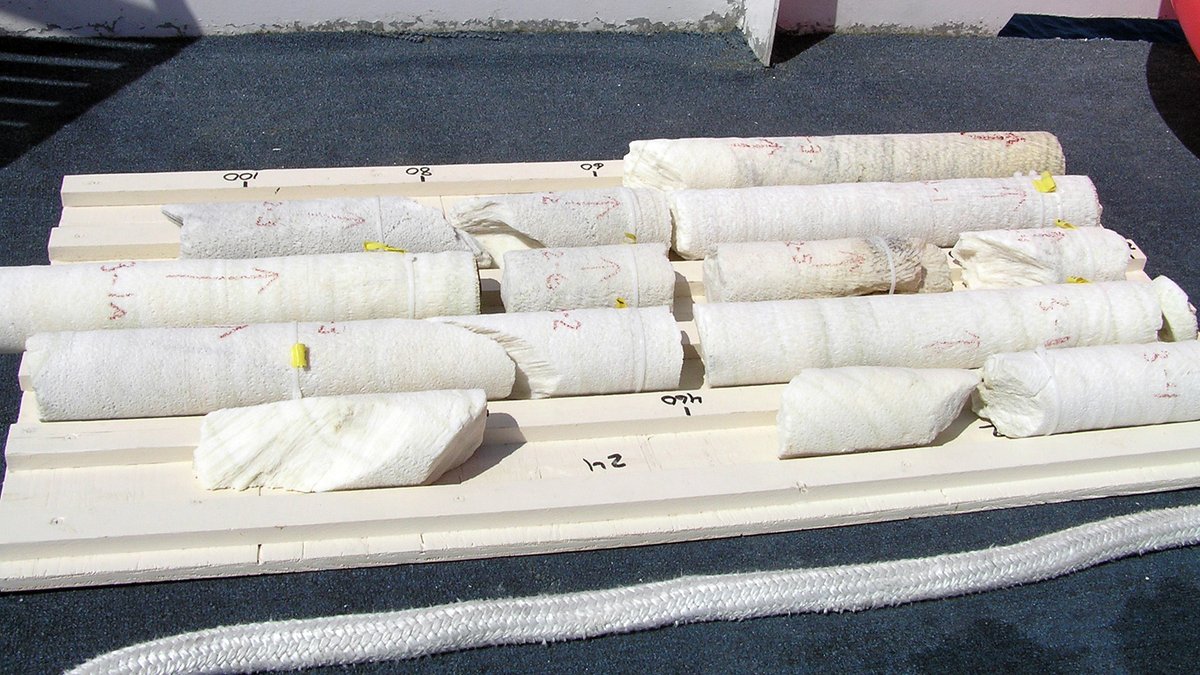
How do we know about past climate on our reefs? #ClimateWeek
Coral skeletons hold temperature records. Their structure and chemistry record variations in the temperature & water composition around them. #CoralCores#Paleoclimatology
https://t.co/xCd4LdSTFU
📣 New data available in the NCRMP Data Visualization Tool! Fish biomass, density, and occurrence data for the CNMI and Guam through 2022 are ready for you to view and download. https://t.co/l8kS798MbV
📸: NOAA Fisheries/Jeff Milisen
📣 I’m excited to announce I will be starting as an Assistant Professor in Aug 2025 at the University of Miami joint b/w the Institute for Data Science & Computing and the Rosenstiel School Dept of Atmospheric Sciences @UMIDSC@MiamiRosenstiel! 🙌
Grad opportunities:
🚨 Seeking a Post-Doc 🚨
Our Coral Restoration Lab at the University of @MiamiRosenstiel is seeking a post-doctoral associate to provide scientific support for all coral restoration research projects 🪸
Please RT to help us share far and wide!
More info: https://t.co/WlmY7XohNX
#Hiring AOML is seeking a new Director of our Ocean Chemistry and Ecosystems Division. Scientists with expertise in fields including oceanography, chemistry, or ecology are encouraged to apply.
Supervisory Research Physical Scientist: https://t.co/oXip0Si61g
"The Biophysics of Motile Cilia" Heraeus
@seminar_cilia: Application deadline for contributed talks Dec 1st! Topics: #axoneme structure & mechanics, #synchronization, ciliate #navigation, #ciliopathies, ... Meet us in Bad Honnef, Germany, 30.03.-02.04.2025 https://t.co/mYirtyO2xp
I am happy to announce that I am actively looking for two PhD students to join my research group starting Fall 2025 at @MiamiRosenstiel! These positions are fully funded. Please see the slide for more info and feel free to reach out with any questions via email or DM here.
I'm looking for a postdoc! The successful applicant will lead neuro- and comparative genomic analyses to characterize neurobiology-related genetic variation in wild coral populations. Learn more and apply here - I will be reviewing apps beginning Oct 18: https://t.co/7WfWy0oboX
There are more captive tigers than wild tigers on Earth. A study of the genetic diversity of captive tigers finds that they are not more inbred than wild tigers but do not represent a reservoir of genetic diversity that has been lost in the wild. In PNAS: https://t.co/oa55OpQJTk
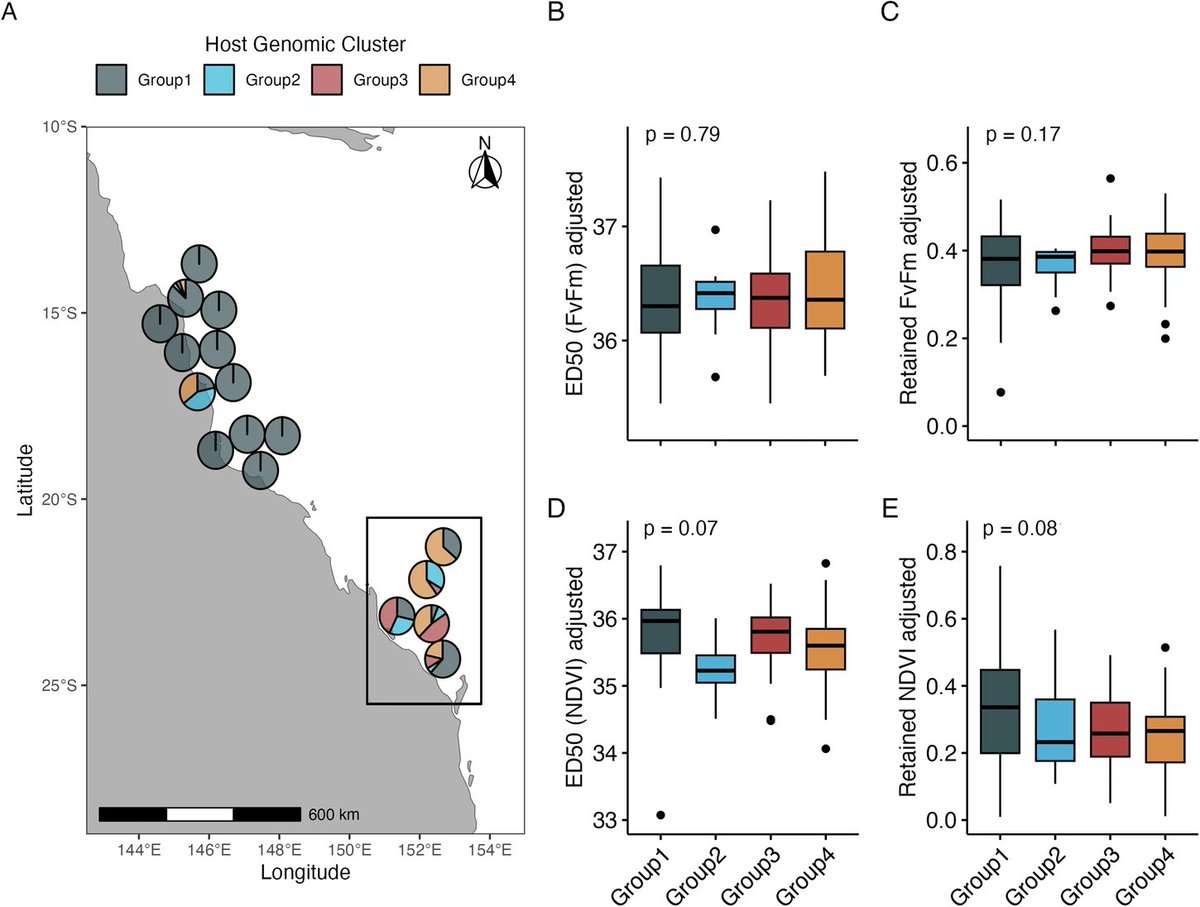
📢🪸Adaptation to thermal histories governs differences in coral heat tolerance between reefs, whereas within reefs, variations may instead be a result of genomic variations.
Check this new article by @MelissaNaugle et al.!
https://t.co/bUB4orS9mm
@SCU_Australia@aims_gov_au
🌊 NEW PAPER: Out now in @NatureComms
our latest study on #tidal flow complexities facing the world’s most powerful tidal turbine! Fusing #drones & boat-based surveys, we mapped the highly dynamic flow fields around @Orbitalmarine's O2 floating turbine, deployed @EMEC_Ltdin
#SundaySpecies: Discover the world of moray eels and their built-in hunting toolkit! 🦐🍴
With two sets of jaws—one for capturing prey and the other for moving it to the stomach—they are considered to be top ocean predators.
🎥 by #OceanDecade Alliance member @SchmidtOcean
New paper out in @GlobalChangeBio! We used a combination of field experiments and time series to show how important recovery feedbacks on coral reefs break down in the reef landscapes left after marine heat waves, compared to after tropical storms. https://t.co/oWWNQYhWQw