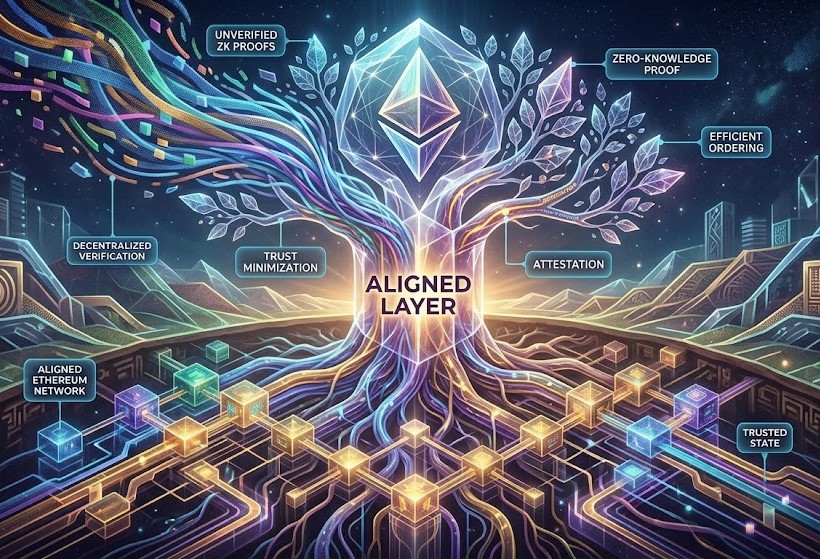
Don't just watch the Verifiable Data Revolution happen—be a part of it. 🫵 Join the @AlignedLayer ecosystem and help us scale Ethereum the right way. 🌐🤝
سلام رفقا 💚
این روزا هزینههای #کانفیگ و ویپیان سرسامآور شده و قشنگ میفهمم چقدر برای همهمون کلافهکننده و سخته
برای اینکه تو این شرایط هوای همدیگه رو داشته باشیم و یه بار کوچیک از روی دوش هم برداریم، تصمیم گرفتم از امشب (شنبه) یه حرکت دلی راه بندازم؛ هر شب رأس ساعت ۱۲ شب، به ۱۰ نفر کانفیگ اختصاصی VLESS هدیه میدم
برای اینکه این زنجیره رو با هم جلو ببریم، شرایط شرکت کردن خیلی سادهست:
۱. این اکانت رو فالو داشته باشی
۲. این توئیت رو لایک و ریتوئیت کنی تا دستبهدست بشه و برسه به دست کسی که هزینهاش براش سنگینه
خیالتون راحت قرعهکشی هر شب کاملاً عادلانه و توسط ربات انجام میشه و کانفیگها بلافاصله توی دایرکت براتون ارسال میشه
امشب ساعت ۱۲ منتظرتون هستم
از دوستای کامیونیتی فارسی هم میخوام مثل همیشه #حمایت کنند تا بقیه هم بتونن استفاده کنن
دم معرفت همهتون گرم 💚
#کانفیگ_هدیه
Sparkly, swirly, and surprising 🌌
@ChandraXray data shows that this galaxy, Messier 83, is unusual. Over 20 of its supernova remnants – remains from star explosions – vary drastically in X-ray brightness. Typically, the remnants' brightness would fade slowly over time.
Water usage has been a hot topic in the AI data center world, but the numbers may surprise you.
According to the Manhattan Institute, data centers use 0.2 percent of daily water usage in the U.S. and that number has dramatically decreased in the past few years due to a new method: liquid cooling.
By moving to 45°C liquid cooling, AI factories in favorable climates can use dry coolers instead of conventional cooling-tower-based systems, cutting facility cooling water use from roughly 2.6M gallons per MW per year to near zero.
Liquid cooling enables AI factories to be both water and energy efficient, while creating opportunities for heat reuse and dispersal to local communities, allowing these factories to become energy grid assets.
Learn more below ⬇️
https://t.co/7WanoPNKTR