Médico e cientista (Hosp. Luz Aveiro), MD e PhD (Fac Med. USP). Investigamos como recuperar saúde através da oxigenação e nutrição dos órgãos e tecidos.
Acaba de sair meu novo livro:
O Médico e o Himalaia
Um cardiologista sofre um infarto e vai ao Nepal em busca de respostas.
Ciência, aventura, microcirculação, medicina oriental e a busca pela saúde além da medicina acadêmica.
Primeiro vol. da série A Reconquista da Saúde
🧶👇
Acaba de sair meu novo livro:
O Médico e o Himalaia
Um cardiologista sofre um infarto e vai ao Nepal em busca de respostas.
Ciência, aventura, microcirculação, medicina oriental e a busca pela saúde além da medicina acadêmica.
Primeiro vol. da série A Reconquista da Saúde
🧶👇
Medical experts have officially exonerated eggs: dietary cholesterol from eggs has little to no significant impact on blood cholesterol levels or heart disease risk for most people.
For years, eggs were demonized due to their high cholesterol content in the yolk (~186 mg per large egg), leading to strict limits in older dietary guidelines. However, extensive research has shifted the focus: saturated fats—primarily from sources like butter, red meat, processed meats, and full-fat dairy—are the primary drivers of elevated LDL ("bad") cholesterol and cardiovascular risk, not the cholesterol we consume.
A key 2025 randomized crossover trial published in The American Journal of Clinical Nutrition tested this directly. Participants followed three isocaloric diets for 5 weeks each: one high in dietary cholesterol (600 mg/day) but low in saturated fat (6%) with 2 eggs daily; one low in cholesterol but high in saturated fat (12%) without eggs; and a control high in both.
Results showed that the egg-inclusive, low-saturated-fat diet actually reduced LDL cholesterol compared to the high-saturated-fat control (and slightly more than the low-cholesterol, high-saturated-fat arm). Saturated fat intake positively correlated with higher LDL, while dietary cholesterol showed no such link.
Egg yolks are nutritional powerhouses, packed with high-quality protein, essential vitamins (A, D, E, B12), minerals, and unique compounds like choline (vital for brain health and liver function) and antioxidants lutein/zeaxanthin (supporting eye health). Registered dietitians stress that "context matters": risks historically tied to eggs often arise from common pairings—fried in butter, alongside bacon/sausage—rather than the eggs themselves.
To maximize benefits while keeping things heart-healthy, prepare eggs with healthier fats like olive oil or avocado, and pair them with fiber-rich vegetables, whole grains, or plant-based sides. For most healthy adults, moderate consumption (up to 1–2 eggs daily) fits well into evidence-based patterns like the Mediterranean or DASH diets.
[Carter, S., Connole, E. S., Hill, A. M., Yandell, C., Wood, L., Coates, A. M., & Buckley, J. D. (2025). Impact of dietary cholesterol from eggs and saturated fat on LDL cholesterol levels: a randomized cross-over study. The American Journal of Clinical Nutrition, 122(1), 83–91. DOI: 10.1016/j.ajcnut.2025.05.001]
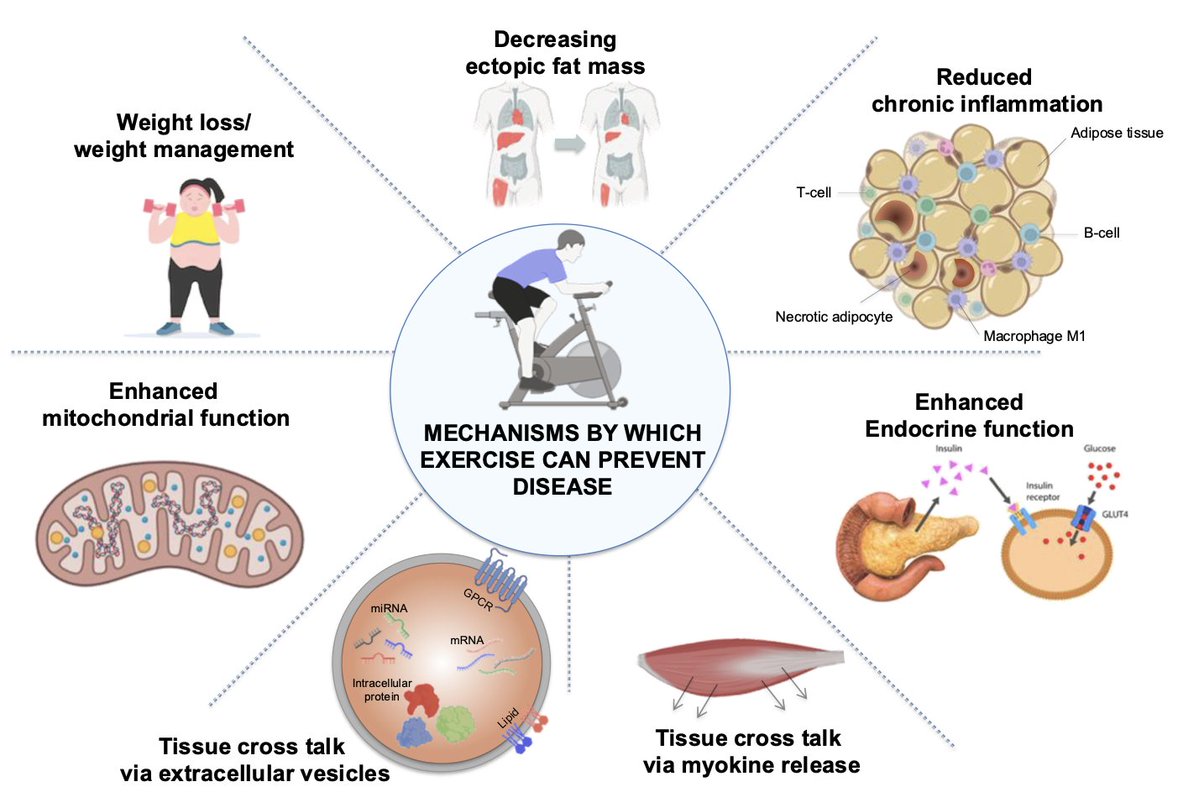
#Musculação protege o cérebro de #idosos contra #demência, aponta estudo conduzido no Instituto de Pesquisa sobre Neurociências e Neurotecnologia, sediado na #Unicamp. Detalhes no episódio desta semana do programa #CiênciaSP.
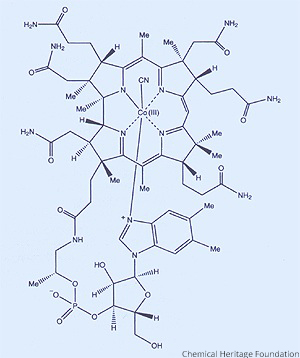
#OnThisDay 20 August 1955, Dorothy Crowfoot Hodgkin and her colleagues published the final structure of vitamin B12 which has the most complex structure of all vitamins.
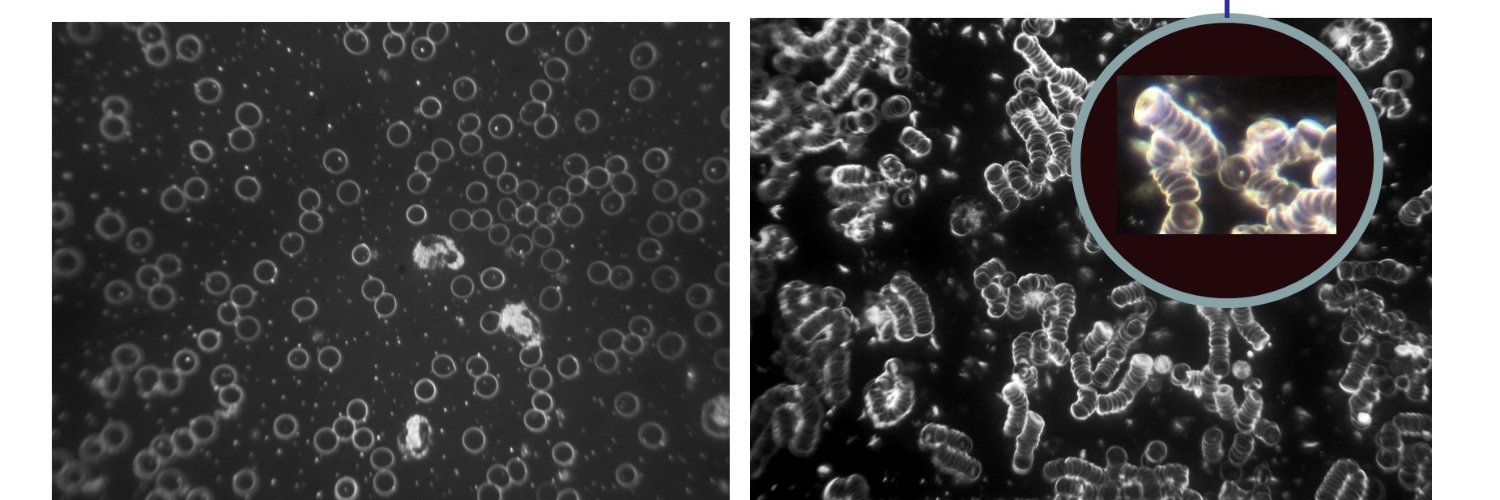
Farber PL et al. Evaluation of hemorheologicalparameters as biomarkers of calcium metabolism and insulin resistance inpostmenopausal women. Clin HemorheolMicrocirc. 2021;77(4):395-410. doi: 10.3233/CH-200956.
Farber PL. Can erythrocytes behavior in microcirculation help the understanding the physiopathology and improve prevention and treatment for covid-19? Clin Hemorheol Microcirc. 2021;78(1):41-47. doi: 10.3233/CH-201082. +







![Rainmaker1973's tweet photo. Medical experts have officially exonerated eggs: dietary cholesterol from eggs has little to no significant impact on blood cholesterol levels or heart disease risk for most people.
For years, eggs were demonized due to their high cholesterol content in the yolk (~186 mg per large egg), leading to strict limits in older dietary guidelines. However, extensive research has shifted the focus: saturated fats—primarily from sources like butter, red meat, processed meats, and full-fat dairy—are the primary drivers of elevated LDL ("bad") cholesterol and cardiovascular risk, not the cholesterol we consume.
A key 2025 randomized crossover trial published in The American Journal of Clinical Nutrition tested this directly. Participants followed three isocaloric diets for 5 weeks each: one high in dietary cholesterol (600 mg/day) but low in saturated fat (6%) with 2 eggs daily; one low in cholesterol but high in saturated fat (12%) without eggs; and a control high in both.
Results showed that the egg-inclusive, low-saturated-fat diet actually reduced LDL cholesterol compared to the high-saturated-fat control (and slightly more than the low-cholesterol, high-saturated-fat arm). Saturated fat intake positively correlated with higher LDL, while dietary cholesterol showed no such link.
Egg yolks are nutritional powerhouses, packed with high-quality protein, essential vitamins (A, D, E, B12), minerals, and unique compounds like choline (vital for brain health and liver function) and antioxidants lutein/zeaxanthin (supporting eye health). Registered dietitians stress that "context matters": risks historically tied to eggs often arise from common pairings—fried in butter, alongside bacon/sausage—rather than the eggs themselves.
To maximize benefits while keeping things heart-healthy, prepare eggs with healthier fats like olive oil or avocado, and pair them with fiber-rich vegetables, whole grains, or plant-based sides. For most healthy adults, moderate consumption (up to 1–2 eggs daily) fits well into evidence-based patterns like the Mediterranean or DASH diets.
[Carter, S., Connole, E. S., Hill, A. M., Yandell, C., Wood, L., Coates, A. M., & Buckley, J. D. (2025). Impact of dietary cholesterol from eggs and saturated fat on LDL cholesterol levels: a randomized cross-over study. The American Journal of Clinical Nutrition, 122(1), 83–91. DOI: 10.1016/j.ajcnut.2025.05.001]](https://pbs.twimg.com/media/HClQBpqWIAAjIji.jpg)


