Surgeon by day(and most often nights too)
Sports geek. Avid quizzer.
Treats Twitter like a diary for unfiltered thoughts. Flavour of the season is cricket.
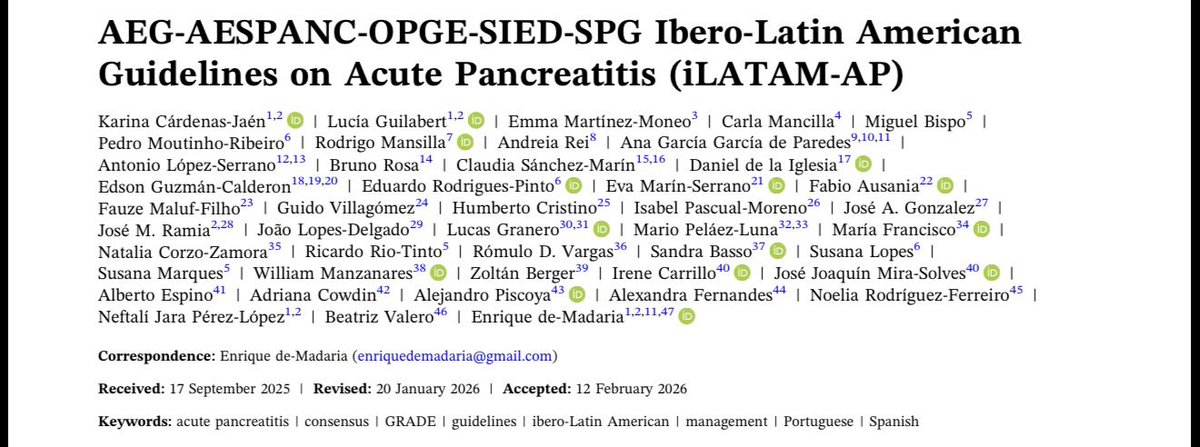
🚨 La pancreatitis aguda cambió más de lo que parece.
Estas guías iLATAM-AP resumen 20 recomendaciones para manejarla mejor en urgencias, sala, UCI y quirófano.
Primer mensaje: no todo dolor + lipasa alta necesita TAC.
Si cumple 2 de 3 criterios —dolor típico, enzimas >3× o imagen compatible— el diagnóstico ya está hecho.
La TAC precoz no es “rutina”: se reserva para dudas o complicaciones.
📊 JAMA Clinical Guidelines Synopsis: The 2025 guideline for #ACS management recommends dual antiplatelet therapy with aspirin and a P2Y12 inhibitor, high-intensity statins, invasive revascularization, and radial access for angiography.
https://t.co/OnEihazgow
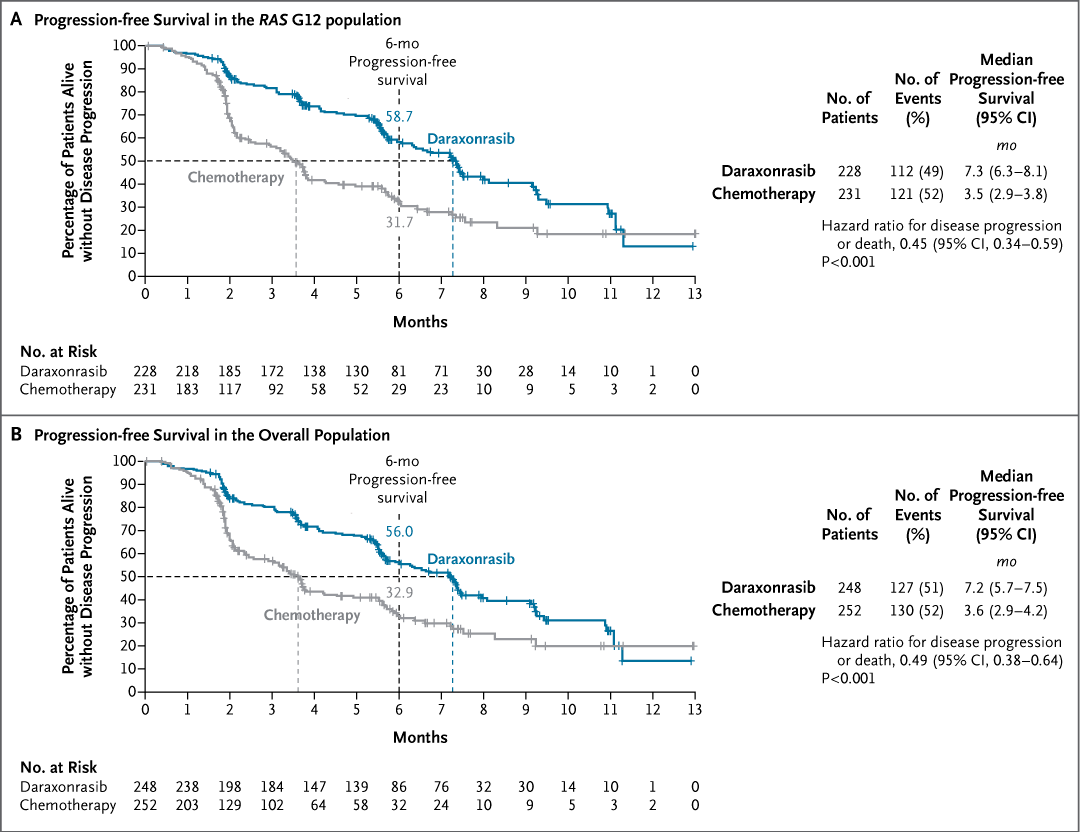
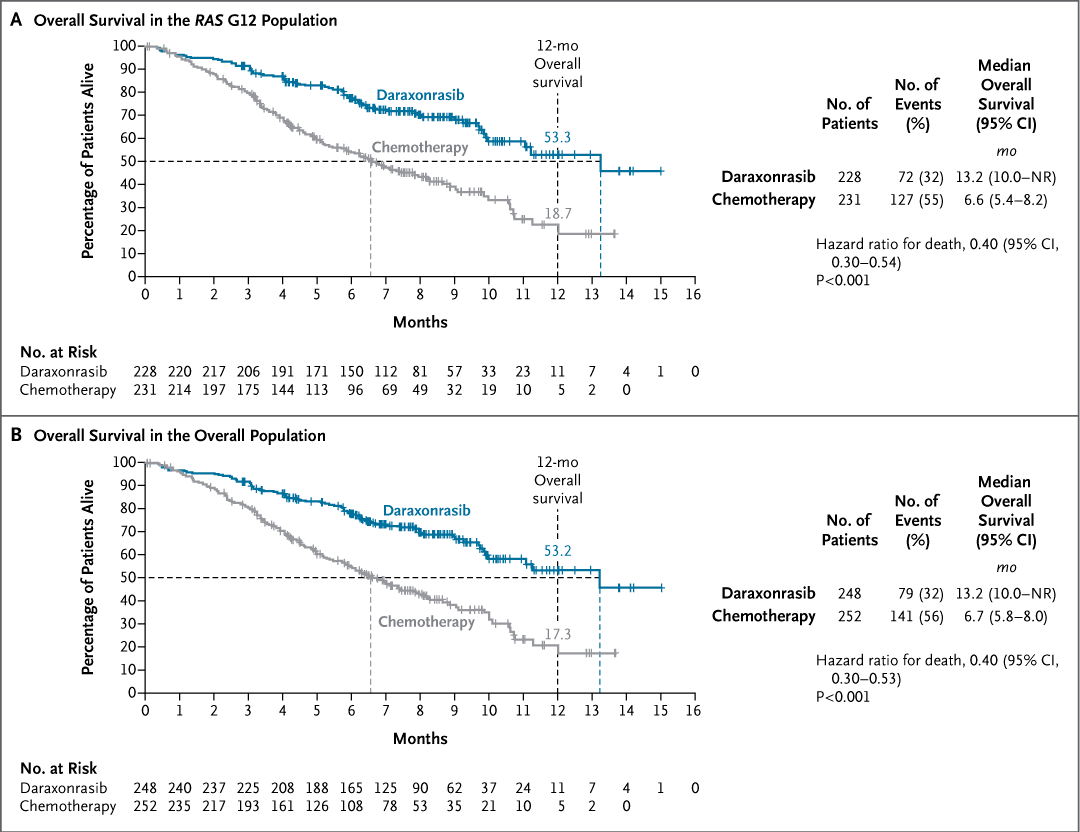
Original Article: Daraxonrasib or Chemotherapy in Previously Treated Metastatic Pancreatic Cancer (phase 3 RASolute 302 trial) https://t.co/y4G27hfORg
#ASCO26 | @ASCO
Autologous posterior gastric fundus pexy for large hiatal hernia repair: using the fundus as a biologic patch to obliterate a wide hiatus and avoid prosthetic mesh in a dynamic anatomic space.
#ForegutSurgery#HiatalHernia#LaparoscopicSurgery#RoboticSurgery#GeneralSurgery #SurgicalSafety #MedEd #SurgicalEducation #SurgEd #MISurgery #SoMe4Surgery
Surgical therapy for #gastroparesis in adults with #diabetes was associated with improved glycemic control, reduced insulin utilization, and fewer diabetes-related complications vs nonoperative management.
https://t.co/b5mV3uBW2T
The PANTER trial changed the management of infected pancreatic necrosis.
This landmark study established the step-up approach, reducing complications compared to primary open necrosectomy.
Watch here:
https://t.co/7rqXINykff
Incidence of autoimmune disease after hernia surgery with a mesh implant: national retrospective cohort study
➡️ https://t.co/jXxgWvhkoe
In a nationwide Dutch cohort, polypropylene mesh implantation was not associated with an increased medium-term risk of autoimmune disease
New autoimmune disease occurred at similar rates after mesh hernia repair and control surgery (1.1% vs 1.5%)
Work by Maurits J C A M Gielen , Ahmed M Chaoui , Samantha Schoenmakers , Bas Vreugdenhil , Tim Lubbers , Richard P G Ten Broek , Rudi M H Roumen , Nicole D Bouvy , Willem A R Zwaans
#SoMe4Surgery #MedTwitter #SurgEd #Surgery @RCPSGTrainees @aecirujanos@SEIQuirurgica@iss_sic #MedicalTechniques @BJSAcademy@young_bjs@BJSOpen@evanscolorectal@robhinchliffe1@bplwijn@MalinASund@nfmkok@TejedorPat@paulo_sutt@PVaughanShaw@JJEarnshaw@juliomayol@ksoreide@eurohernias #hernia
Rib fractures are never “just rib fractures.”
This landmark TSACO study used the National Trauma Data Bank to show just how often rib fractures signal severe injury, ICU admission, prolonged ventilation, and worse outcomes, especially in polytrauma and elderly patients.
A paper that helped reshape how trauma teams think about chest wall injury.
For TSACO’s 10-year anniversary, hear from Austin Lubkemann, MD PGY-3 at University of Arizona General Surgery Residency. @UofAZSurgeryRes
Read here https://t.co/RuPEZD0pEh
Authors: @noelle_saillant, @ProfGroenwold, @TatoUribeLeitz, @marilyn_heng
What is the best strategy for determining when to remove a chest tube after spontaneous pneumothorax? "For now, the decision to perform a clamping trial remains provider-dependent," writes Gerald L. Weinhouse, MD. Full summary and comment: https://t.co/Ako0NvMIJQ
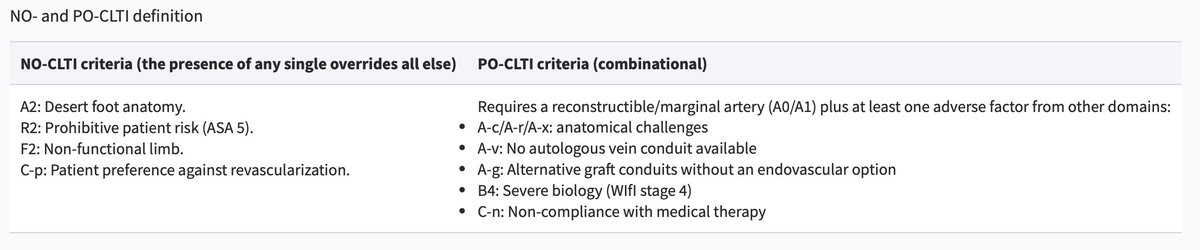
Development of a standard definition of ‘no-option’ and ‘poor-option’ for revascularization in chronic limb-threatening ischemia
➡️https://t.co/QWzz2BdHk3
🦵 How should we define “no-option” or “poor-option” CLTI?
🌍 This modified Delphi study brought together 164 vascular specialists from 30 countries to develop an expert-validated definition.
📊 Consensus supported a multidomain ABRFC framework: arterial anatomy, biology, risk, function, and context.
⚠️ “No-option” CLTI includes desert foot, prohibitive medical risk, non-functional limb, or patient refusal of revascularization.
🔍 “Poor-option” CLTI reflects combined factors such as severe infection, lack of autologous vein, or treatment non-compliance.
🎯 This framework can standardize clinical assessment, trial design, reporting, and future guideline development.
Work by Mario Alejandro Fabiani , Jos C van den Berg , Oscar A De la Torre , Alfredo Verastegui , Anahita Dua On Behalf of , the International Cooperative Vascular Consortium (ICVC)
#SoMe4Surgery #MedTwitter #SurgEd #Surgery @RCPSGTrainees @aecirujanos@SEIQuirurgica@iss_sic #MedicalTechniques @BJSAcademy@young_bjs@BJSOpen@evanscolorectal@robhinchliffe1@bplwijn@MalinASund@nfmkok@TejedorPat@paulo_sutt@PVaughanShaw@JJEarnshaw@juliomayol@ksoreide #vascularsurgery #vascular #Ischemia @vascularsurgery
CT abdomen interpretation is best learned on real cases.
This video takes you through case-based CT console reading, helping you identify key findings in a practical way.
Watch here:
https://t.co/LgeRh5khXk
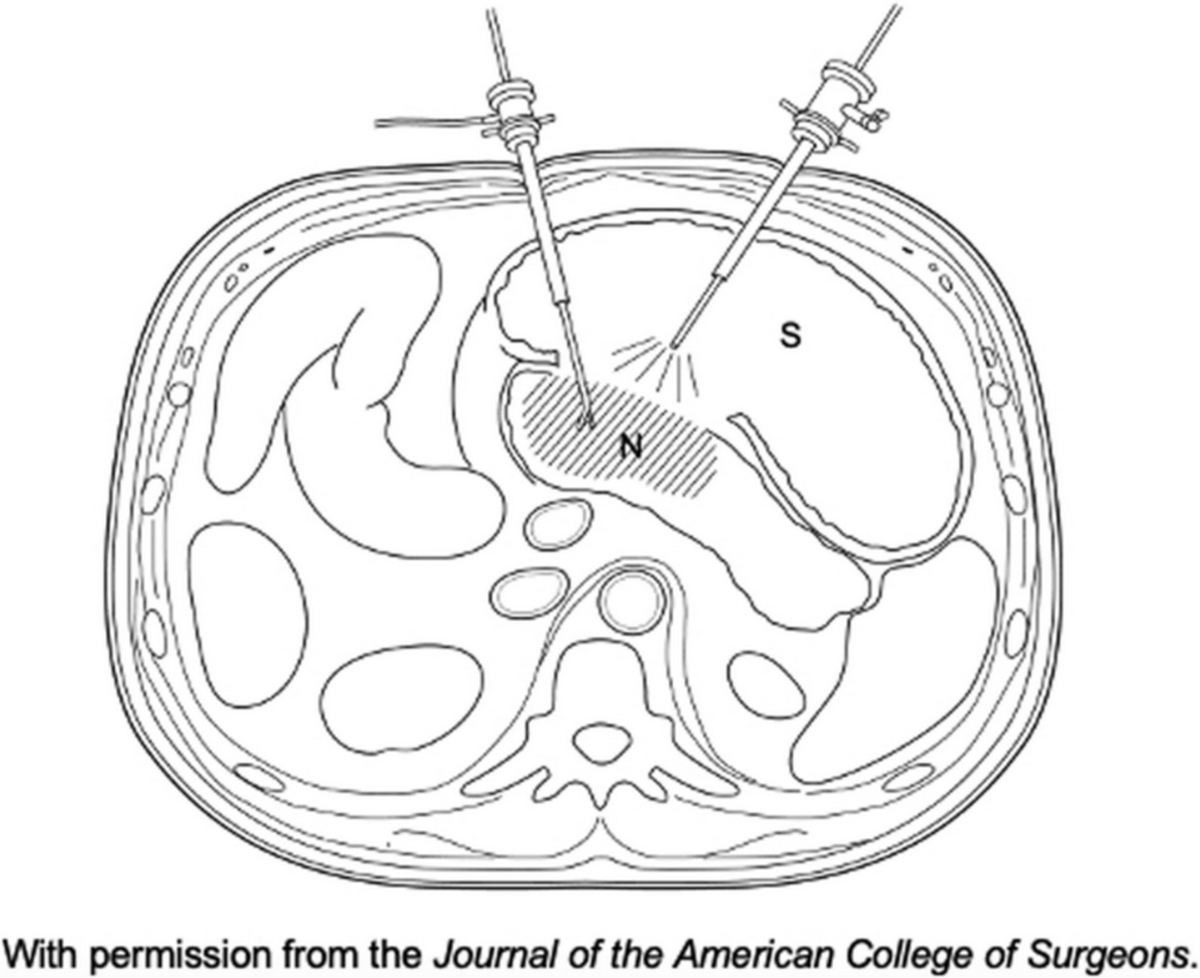
Laparoscopic transgastric necrosectomy achieved complete debridement with fewer procedures than direct endoscopic necrosectomy and may reduce length of stay in patients with higher APACHE-II scores. https://t.co/QtXm8BcGD4
May Issue: Celiac Axis Stenosis in #Pancreatoduodenectomy : Preoperative Predictors for Intervention Considering Stenosis Severity and Collateral Pathway Development
https://t.co/dhnAj8miuN
@SyedAAhmad5@SocSurgOnc
Surgery in diverticulitis is not routine — it’s indication-based.
This video explains when to operate, when to wait, and how decisions change between uncomplicated and complicated disease.
Watch here:
https://t.co/1U3W804wS0