My dear front-end developers (and anyone who’s interested in the future of interfaces):
I have crawled through depths of hell to bring you, for the foreseeable years, one of the more important foundational pieces of UI engineering (if not in implementation then certainly at least in concept):
Fast, accurate and comprehensive userland text measurement algorithm in pure TypeScript, usable for laying out entire web pages without CSS, bypassing DOM measurements and reflow
If we lived in an universe where the scale and scope of the issues were as large as they are today in the opposite direction (government way too small / underfunded / draconian austerity), I would be in favor of an effective president deputizing highly effective people to reverse engineer the issue in a transparent way. Yes 👍
@theo Curious if you used this: https://t.co/UvbTLqDTF6
Would love to see details on rr / vite / hono integration as I just migrated to this stack as well with a custom server.
@DariusDale42@DOGE “political theatre at best” is the part I disagree with here. Time will tell, but I believe DOGE will have significant positive impact.
@juristr@evanyou Typical Node.js API servers aren’t often. I have one powered by vite-node. I’d characterize it as an almost good experience. Really hoping this receives a lot more attention sometime soon though as I really enjoy vite for client applications. 😀
I suppose it depends heavily on how expensive the work is.
It’s not that I can’t see use cases for allowing work to continue.
It’s just that I can see use cases for cancellation as well. (Presumably you do as well).
Also, I don’t believe “doesn’t really stop anything” is a good argument. First of all, with no server support, it stops everything that happens after cancellation on the client. With server support, it actually can stop server work that isn’t required.
@robertmclaws@mjovanovictech If you cluster on DateCreated, is it necessary to periodically cluster the table manually?
SELECT cron.schedule('cluster_my_table', '0 0 * * 0', 'CLUSTER my_table USING DateCreated');
**postgresql
@firatoezcan@mxstbr@GraphQL I’m curious to understand your point regarding transactions? What does GraphQL do differently that leads to needing to write your own transaction code?
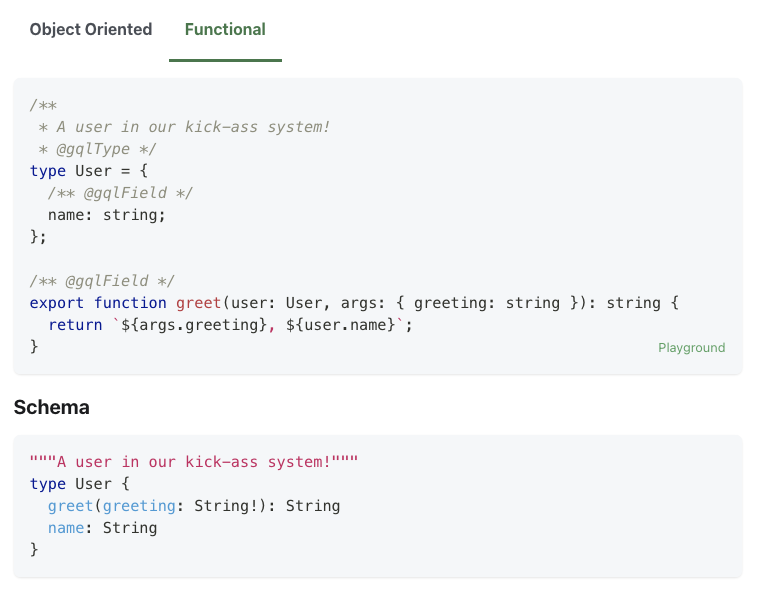
For the last year I’ve been working on enabling a better developer experience for building TypeScript GraphQL servers.
Today I’m pleased to share Grats: https://t.co/vi0PVBIoTA
@hbthegreat_@bunjavascript@jarredsumner Do you have a reference for this? As far as I’m aware bun doesn’t run next.js. According to the docs there are still node.js apis next relies on not implemented in bun. https://t.co/rQrP8569Fc