A simple guide to how mitochondria work. 4️⃣ primar jobs
Mitochondria are more than the “powerhouse of the cell.” They’re multitasking organelles that control energy, stress, genetics, and even cell survival. Here are the 4 primary jobs they do:
1️⃣ ATP Generation (Energy Production)
Mitochondria convert glucose, fats, and amino acids into acetyl-CoA, which enters the TCA cycle and electron transport chain (ETC).
The result: ATP, the energy currency for everything from nerve signals to muscle contractions.
🟢 Example: Every time you move or think, mitochondria are fueling the process.
2️⃣ ROS Balance - i.e., redox control
As mitochondria make ATP, they also generate reactive oxygen species (ROS) damaging byproducts.
Antioxidant enzymes (like catalase, SOD, glutathione peroxidase) keep ROS under control.
Too much ROS = oxidative stress → cell injury or death.
🟢 Example: Exercise trains mitochondria to better balance ROS, which is one reason it’s so protective.
3️⃣ mtDNA Maintenance (genetic stability)
Mitochondria have their own DNA (mtDNA), which encodes key ETC proteins.
Damage or mutations in mtDNA reduce energy output and contribute to diseases.
mtDNA mutations accumulate with age, linking mitochondria to neurodegeneration and aging.
🟢 Example: Mitochondrial DNA damage is a hallmark in Alzheimer’s and Parkinson’s disease.
4️⃣ Membrane Dynamics (fission & fusion)
Mitochondria constantly split (fission) and merge (fusion) to adapt to stress and demand.
This dynamic reshaping controls quality, removing damaged mitochondria (mitophagy) and keeping networks healthy.
🟢 Example: Impaired fission/fusion is seen in metabolic disorders and neurodegenerative disease.
Mitochondria don’t just make energy. They balance oxidative stress, protect genetic integrity, and constantly remodel themselves to keep cells alive. Supporting mitochondrial health means supporting the foundation of cellular life.
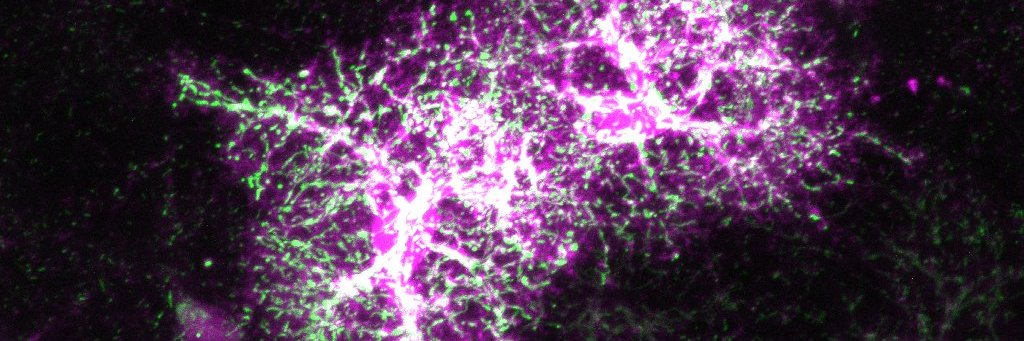
The microglia are the principal immune cells in the brain tied to both protection from vs progression of Alzheimer's disease. Today @Nature elucidation of a path to microglial protection
https://t.co/Cxt2htcNcS
Treatment with young sEVs markedly reduced the frailty index in aged mice,
resulting in an estimate of biological age of approximately 15.1 months for these aged mice compared to their chronological age of 24 months. Particularly, although all clinical signs of deficits were alleviated in young-sEV-treated aged mice, the most obviously reduced deficits were observed in integument and the physical/musculoskeletal system.
It is a pleasure to share the invitation to the inauguration of the Synapsy Center Lausanne. @FBM_UNIL@CHUVLausanne
The event will take place on Tuesday, 11 November 2025, at Cery Hospital (Cery site), 1008 Prilly, Lausanne (from 1 to 6 pm).
It is a pleasure to share the invitation to the inauguration of the Synapsy Center Lausanne. @FBM_UNIL@CHUVLausanne
The event will take place on Tuesday, 11 November 2025, at Cery Hospital (Cery site), 1008 Prilly, Lausanne (from 1 to 6 pm).
Dalla collaborazione in Sapienza la proposta di una nuova terapia per la demenza frontotemporale! pubblicazione su Alzheimer’s & Dementia: The Journal of the Alzheimer’s Association.
Mitochondrial health is crucial for overall health. Several nutrient and non-nutrient compounds have evidence for supporting mitochondrial function and health. Of note, regarding their effects on mitochondrial health, it is typical that most research concerning this topic is conducted in rodent models or cell cultures. However, many (but not all) of these nutrients also have some level of clinical data suggesting that they support mitochondrial health in the appropriate doses, circumstances, and populations.
Doses, bioavailability, tissue distribution, population demographics, and circumstance (e.g., presence of disease), etc. would play primary roles in determining the type of effect, the magnitude of effect, and location of the effect (e.g., liver, brain, heart, skeletal muscle, etc.) that such nutrients would have on mitochondrial health
In mice, maternal antibodies ingested in breast milk in the first week after birth help to regulate immune responses in the newborn gut, according to a new study in Science.
This process builds the important partnership between the microbiome and host at an early stage, paving the way for nutrient assimilation, avoiding inappropriate inflammation and resistance against pathogens. https://t.co/8nmBevUUE9
Protocol to isolate oligodendrocytes, microglia, endothelial cells, astrocytes, and neurons from a single mouse brain using magnetic-activated cell sorting🤗
https://t.co/Mj20akVZ1T