Tyler's book describes his unjust jailing at 16, his time as the youngest person on death row, the campaign for his freedom, his struggle to survive in Angola prison and his turn to art - Gary Tyler hosts book signing events in Detroit, Cleveland
https://t.co/RuYVtqIu89
⚫️ Révolte lycéenne : Le Poing Levé appelle à une SEMAINE NOIRE de mobilisation à partir du 5 octobre
À partir de lundi, il faut bloquer nos facs et nos lycées, organiser des assemblées pour coordonner le mouvement, se lier au mouvement ouvrier.https://t.co/n9rBEpnbx0
October 3, 1938. #OTD Elena Solomonovna Karasikova, a Jewish widow from Tomsk who earned her living as a barmaid in Novosibirsk, was executed at age 40.
Karasikova worked for Raytranstorgpit, the giant catering company that serviced the railway, providing food, drink, and consumer goods to travelers and workers.
She spent almost 4 months in custody before her execution, accused on Article 58 charges of espionage, sabotage, and counterrevolutionary organization.
Her family recalls that her siblings sought to get packages to her. This was common, people tried to send cured meats, anything with vitamins, wool socks and sweaters, and sanitary products, to their loved ones. Her sibling was finally told: “Darling, don't bring anything, she was shot a long time ago.”
Elena Solomonovna Karasikova was rehabilitated on April 23, 1957, by the Military Tribunal of the Siberian Military District. She was rehabilitated because there was no evidence of a crime having been committed.
I translate for one person at a time; don't follow trends. The Early #GermanGayMovementt interests me because I love German, I'm gay and want to be useful. #lgbtqHistory#MagnusHirschfeld Karl Heinrich Ulrichs, Magnus Hirschfeld #QueerTheory, Memory 🌈 https://t.co/7yTGhKBwId
Mobilize the working class to defend French student protests, stop war!
Over the last week, protests at high schools across France against austerity and police repression have grown into a direct confrontation with the state.
https://t.co/0moEGVLoKZ
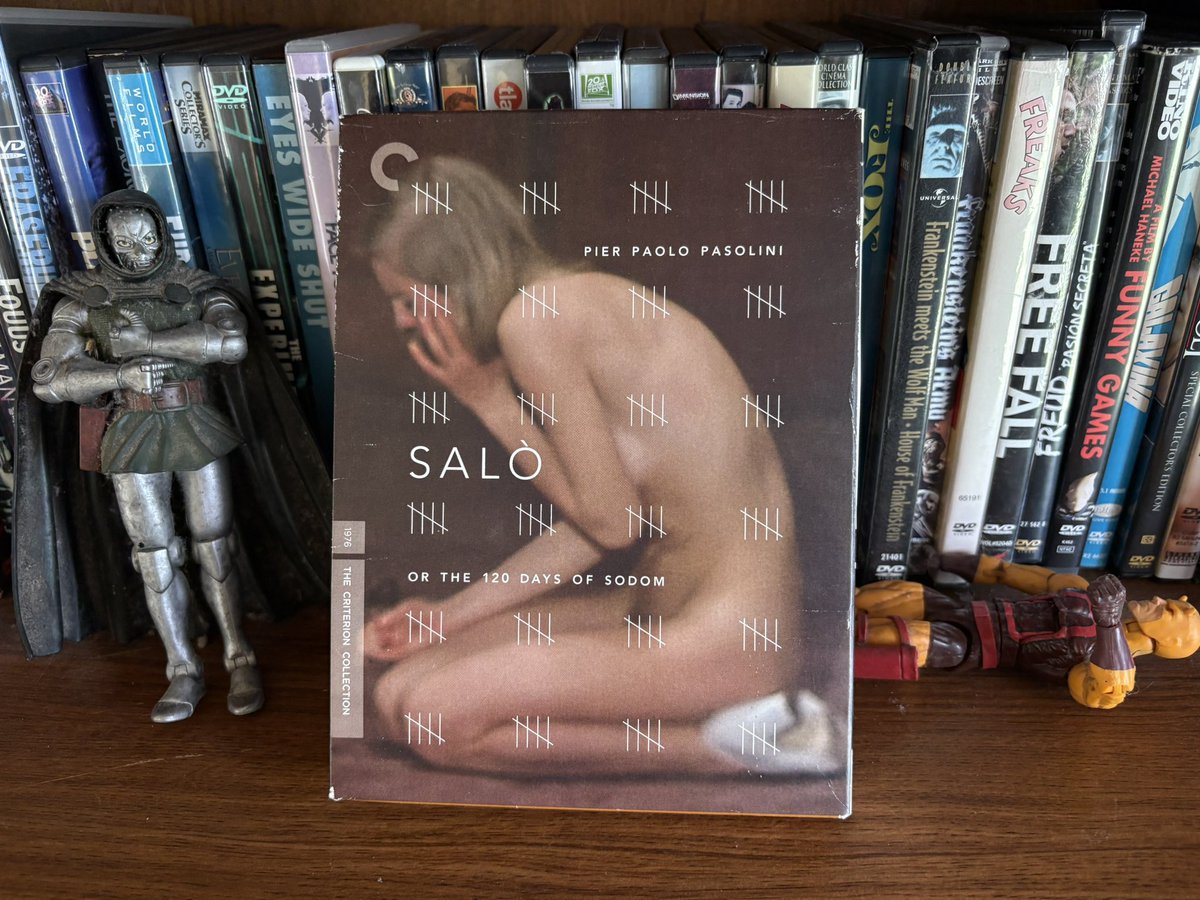
Once is enough films: you’ll either admire the shockingly bold vision of Pasolini’s Salo (out today, 1977) or think it’s sh*t. Poop dining is a stretch on the “entertainment” meter but Pasolini wanted to horrify bourgeois audiences; he succeeded. A midnight movie fave, but beware
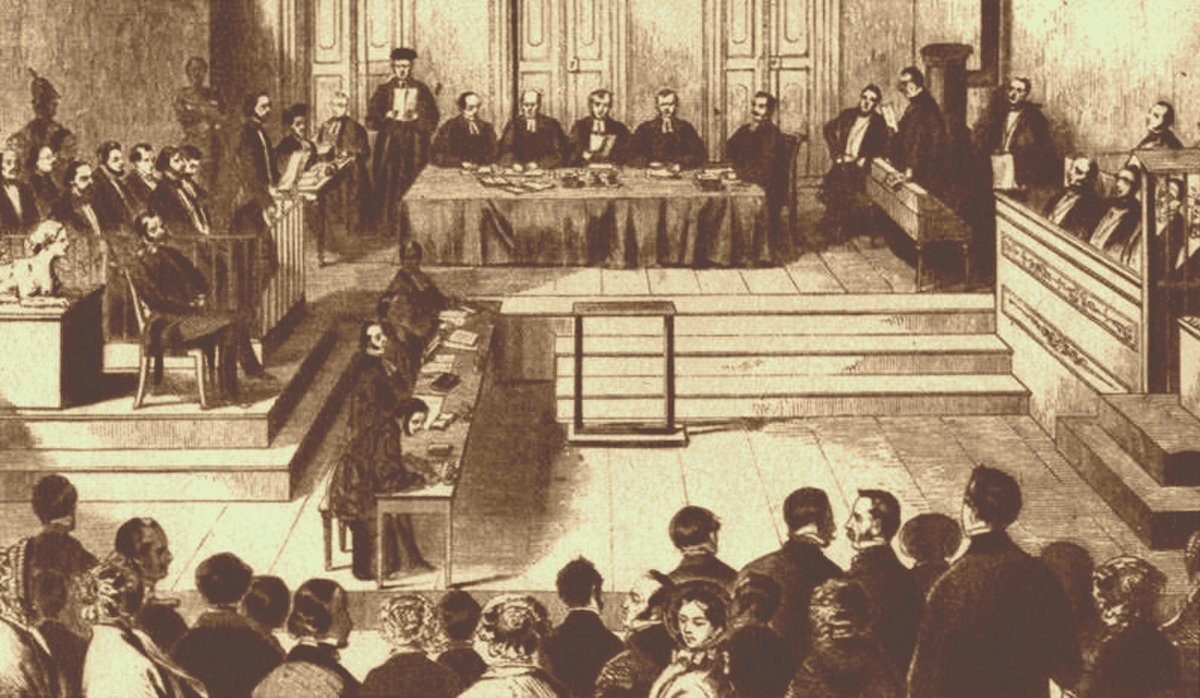
The trial of 11 members of the Communist League for their involvement in the Revolution of 1848 began in Cologne on Oct. 4, 1852. Karl Marx directed the defense from London. While seven were convicted and the League dissolved after the trial, four were acquitted. #OTD#Germany
Bukharin's theorization of socialist transition and the Bolsheviks' New Economic Policy are often invoked to defend the People's Republic of China's modern economic policies. In part one of a two-part series, Gabriel Salter (@gps0597) takes a closer look at what Bukharin actually had to say and how his vision compares with China's reality.
https://t.co/QL4xsjGlb1
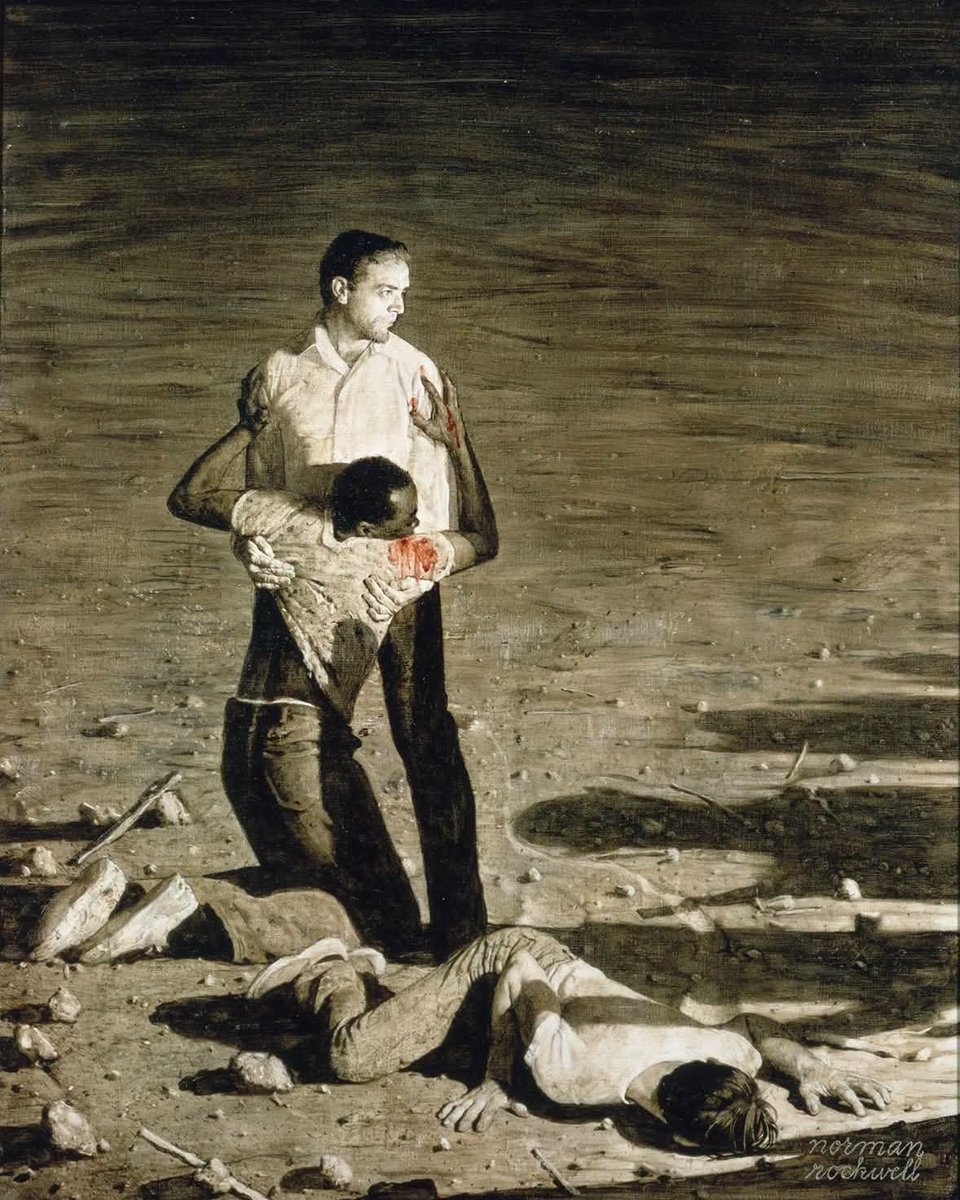
Asesinato en Misisipi. 1965 Norman Rockwell.
Creada para un artículo sobre los asesinatos de tres activistas por los derechos civiles en 1964: Michael Schwerner, James Chaney y Andrew Goodman.
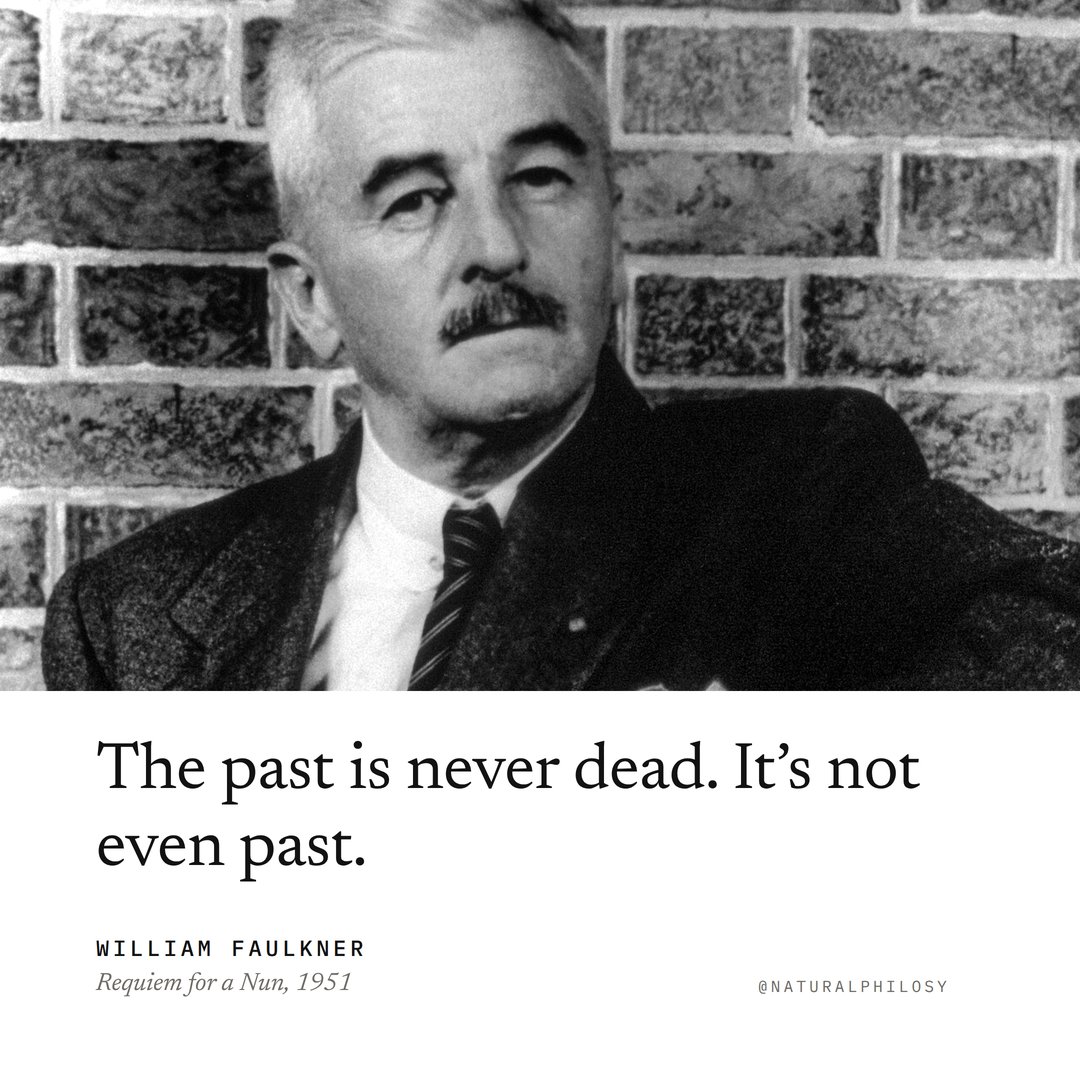
Gavin Stevens says it in Requiem for a Nun, a book written half as a novel and half as a play. Faulkner had collected the Nobel Prize the year before, for work that had been almost entirely out of print in America a few years earlier.
Rare late photograph depicting Cavafy arriving, among other guests, at the wedding of Konstantinos M. Salavagos, at the Church of the Annunciation, Alexandria, 27 February 1927. The groom, son of Argine Benaki Salvagos, married his cousin Angeliki “Kiki” Salvagos.
Hellbeck DOES discuss Stalinist crimes, including the way the Nazis cast themselves as avengers of Soviet terror. I don't see why this keeps being treated as an omission. World Enemy No. 1 is a study of Nazi policy towards Communists and Jews, not a comparative history of Stalinism and Nazism. Stalinist violence matters to Hellbeck's argument because the Nazis perceived it, depicted it and exploited it: their propaganda presented the war as retribution for Bolshevik terror, using real Soviet crimes to rally Germans and local populations alike. That is why Moses's call for more "balance" is so problematic. It implies that Soviet crimes are needed to explain Nazi actions, which is Nolte's causal reasoning, and Moses himself dismisses it.
The Hunger Plan, the Barbarossa Jurisdiction Decree and the Commissar Order were all drawn up in May and June 1941, before German troops found the NKVD prison massacres. Those massacres were real and horrific, but the Germans used them to incite pogroms and justify killings within a war of annihilation already defined in ideological terms (Pohl; Struve; Gerlach).
The claim that the Gulag was "the largest system of forced labour anywhere during World War II" is also misleading. The Gulag was vast and mattered to the war economy, but its camps and colonies held roughly 1–2 million prisoners during the war. By August 1944 the Reich alone held some 7.6 million foreign civilian workers and prisoners of war, most of them under coercion (Herbert; Spoerer), before counting forced labour in occupied Europe and the concentration-camp system.
None of this means minimising Stalinist violence. It means keeping distinct historical questions apart. Soviet terror can be both a real historical phenomenon and a central element of Nazi propaganda without being the explanation for the Nazi war of annihilation.
Finally, the "paranoid murderers versus rational murderers" line doesn't come from Hellbeck's book. It is Moses's gloss on Hellbeck's Slavic Review discussion of Michael David-Fox. There, Hellbeck contrasts the empirical basis of the two regimes' enemy categories; he doesn't argue that Stalinist killings were rational or justified.
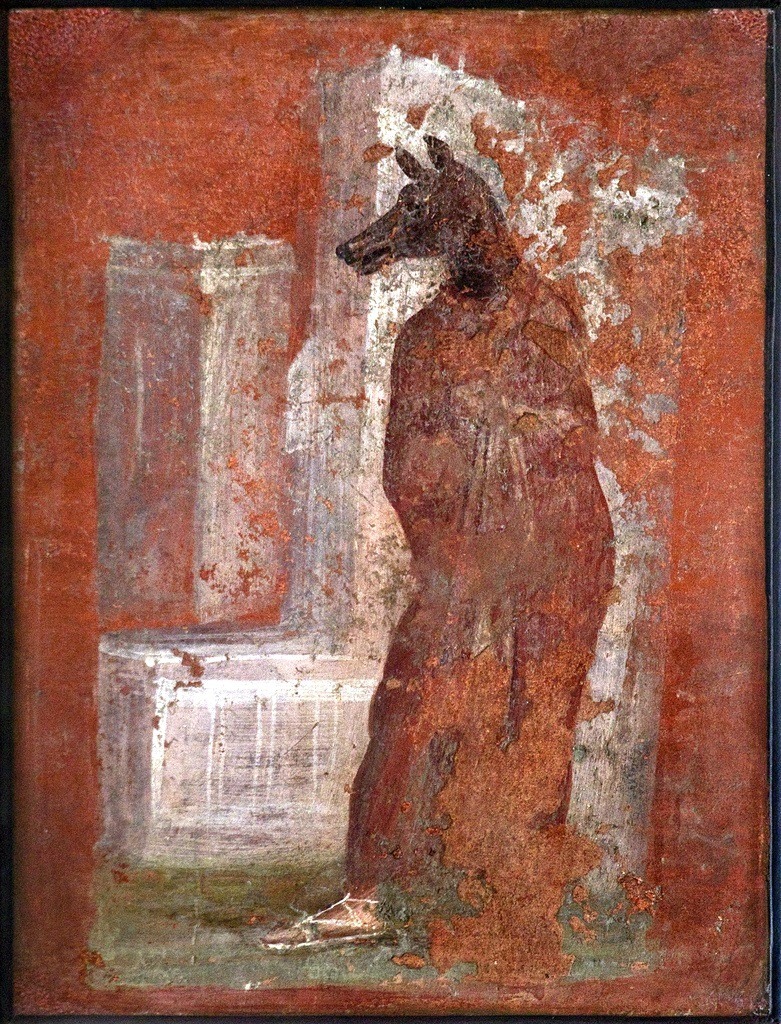
A fresco of a priest wearing a mask of Anubis. From the temple of Isis at Pompeii.
τίς δ᾿ οἶδεν εἰ τὸ ζῆν μέν ἐστι κατθανεῖν,
τὸ κατθανεῖν δὲ ζῆν κάτω νομίζεται;
-
who knows if life is death,
and if below death is regarded as life?
Euripides, Fragment 638
BABY DOLL 1956
One of the only older films the MPAA gave an R rating to decades after it was released.
Not because of profanity, nudity or violence, but because the subject matter is still so shocking to people.