There is a new tool on BioIcons to turn any protein (in PDB format) into a 2D vector illustration in SVG format. You can upload any PDB file or import from PDB, AlphaFoldDB or ESMFoldDB. Feedback welcome :)
https://t.co/grMysO8JV5
An outlook on structural biology after AlphaFold: tools, limits and perspectives
1. AlphaFold's AI-based tools have revolutionized protein structure prediction, dramatically enhancing accuracy and broadening the scope of accessible structures.
2. The integration of AlphaFold with other software has catalyzed new tools and methodologies, allowing researchers to address lingering challenges in protein prediction.
3. Despite successes, critical reliance on AI without expert intervention risks oversimplification. Ensuring a blend of AI predictions with biological insights remains crucial.
4. The AlphaFold database, with over 200 million structures, vastly expands our understanding of proteins, yet raises questions about data accuracy and bias.
5. Innovations in AlphaFold are accelerating experimental techniques like molecular replacement in X-ray crystallography and refining models from cryo-EM data.
6. Looking forward, the application of AI in structural biology holds transformative potential for drug discovery, understanding biomolecular processes, and beyond.
@SerenaRosignoli
📜Paper: https://t.co/YlFMsd3vWv
The cover of this month's issue https://t.co/dXQwlkhmy6 highlights a review of the role of post-translational modifications in protein structures and their prevalence in the PDB, which also provides examples to serve as valuable references. Read more at https://t.co/G1U8B4F1eE
We’ve been busy clearing out old equipment to prepare for some new 🤩
Our @BioRad DuoFlow #FPLCs served us well for many #ProteinPurification projects! Now we’ve fully moved to team #NGC
Also we have some exciting things planned for the empty space below…
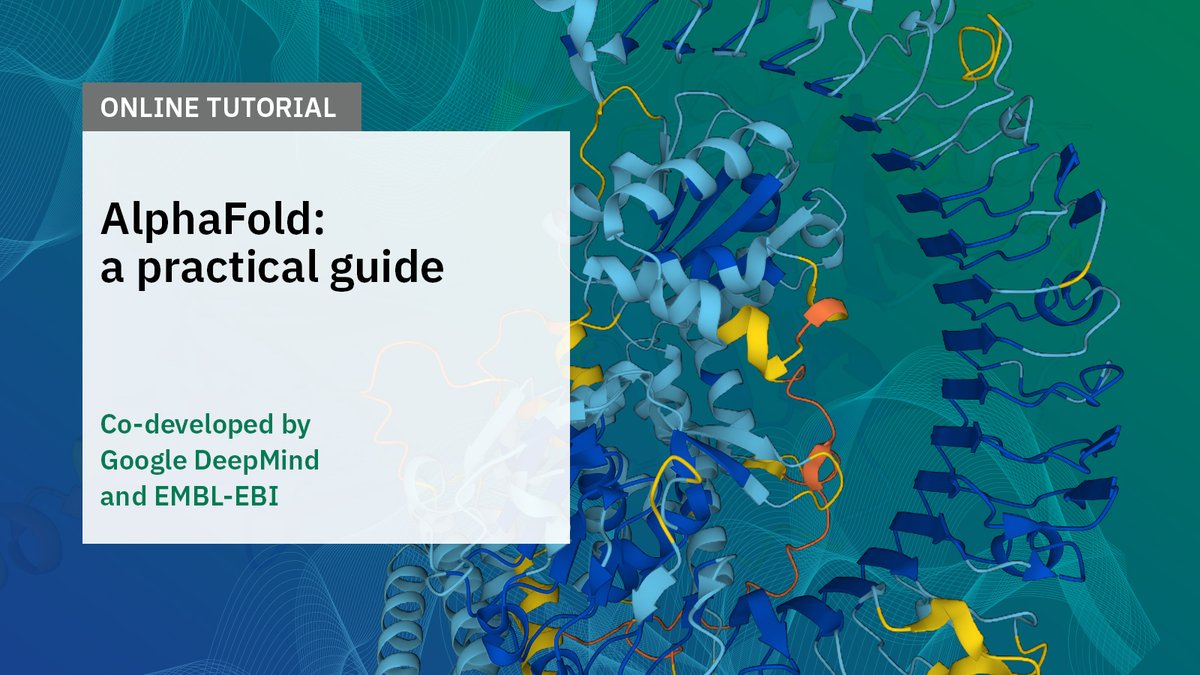
In our newest practical guide, developed with @GoogleDeepMind and @emblebi, delve into the fundamentals of #AlphaFold, explore its strengths and limitations, and gain practical skills through hands-on exercises.
Start the free, self-paced tutorial today: https://t.co/t8UIlUtQzz
SBGrid's eLife paper received a citation in January from @n_schnicker of @uiowa in Journal of Virology: Adaptation of SARS-CoV-2 to ACE2H353K mice reveals new spike residues that drive mouse infection.
Read more here: https://t.co/wmDAVTfUQs
#SBGrid#research#structuralbiology
1/n: We are excited to share that our paper on Chroma, a general purpose diffusion model for proteins, is out today in @Nature!
https://t.co/FwvQ15UaHc
A couple of my favorite highlights in the 🧵below 👇
A monumental work by many in my lab and @PCF_uiowa , and another wonderful collaboration with @PietroPichierri and his team!
A double-ring of human RAD52 remodels replication forks restricting fork reversal https://t.co/2f5mFSyZhd
@MortezaaliRazza@n_schnicker@LokeshGakhar
We finished the build of our new @thermosciEMSpec Glacios 2 #cryoEM 🔬 over the weekend! It might be record time for a microscope build but we’re still awaiting workflow validation…
@IowaMed @UIowaResearch
Join us at EM School, a transformative workshop where scientists delve into the fascinating world of #CryoEM. Held 🗓️ August 7th - 18th 2023
From sample prep to data collection, master the entire workflow in just 2 weeks! 🚀
🌍 Open to ALL scientists! PNCC project not required
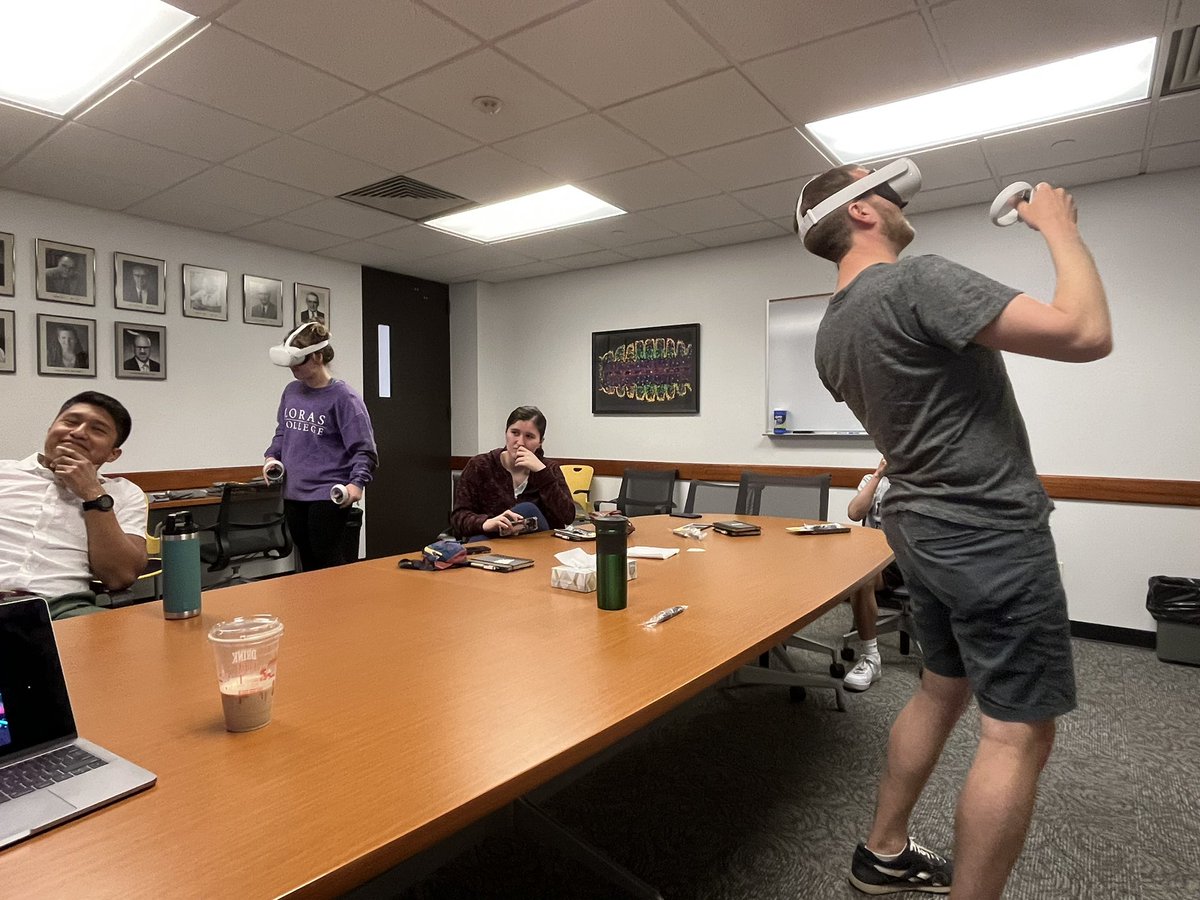
Our CryoVR modules are now available on Applab!!
You can now pre-train yourself on some CryoEM technique in a VR environment.
For direct access, visit the links below
Vitrobot: https://t.co/6eeyTPEubt
@CryoEM_PNCC@NCCATinfo@SLAClab@GW4CryoEM@cryoEM_Papers @CryoEMprobs