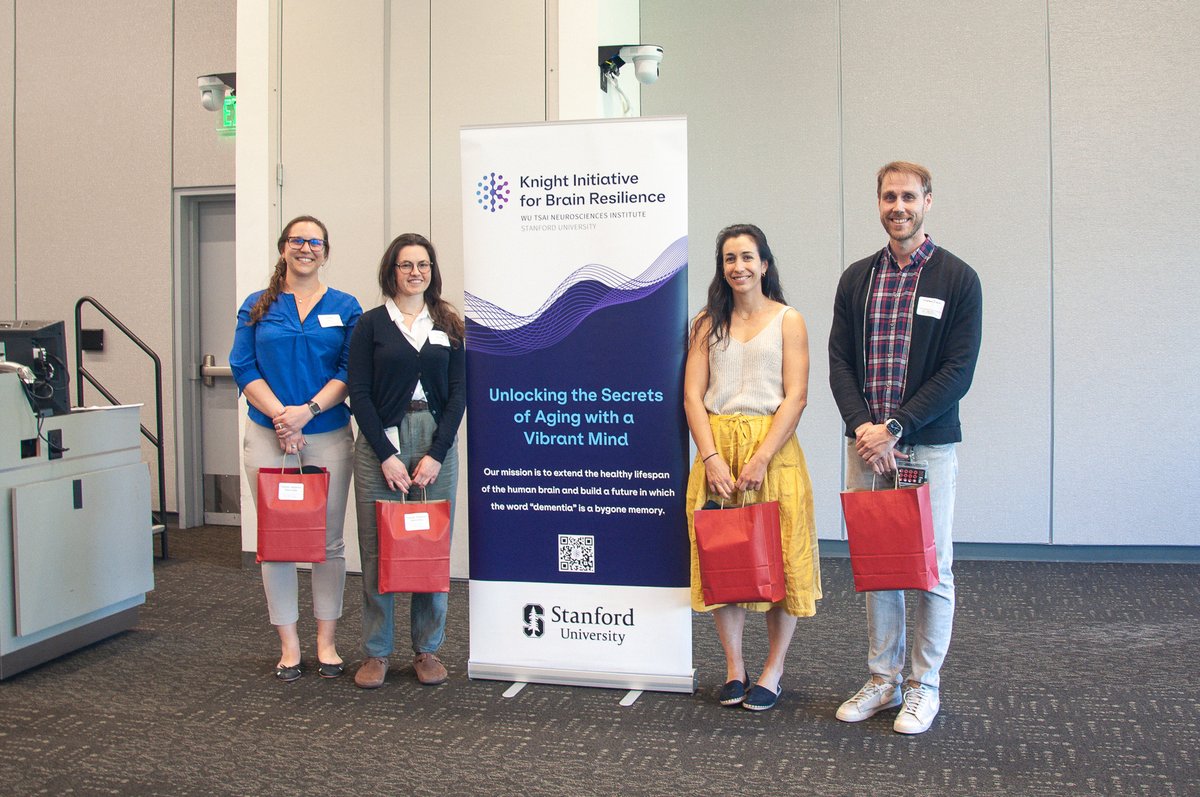
Thanks to all who joined us at our Year-End Symposium and Research Showcase to learn about promising studies on brain resilience supported by the Knight Initiative.
Congrats to our 2025 poster session winners: Vanessa Doulames, Lauren Duan, Shuke Xiao, and Shon Alimukhamedov!
We’re LIVE! Check out the NEW WEBSITE Knight Initiative @BrainResilience: https://t.co/jVqyyKac8X
Mission: Unlocking lifelong brain resilience & driving a future free from dementia.
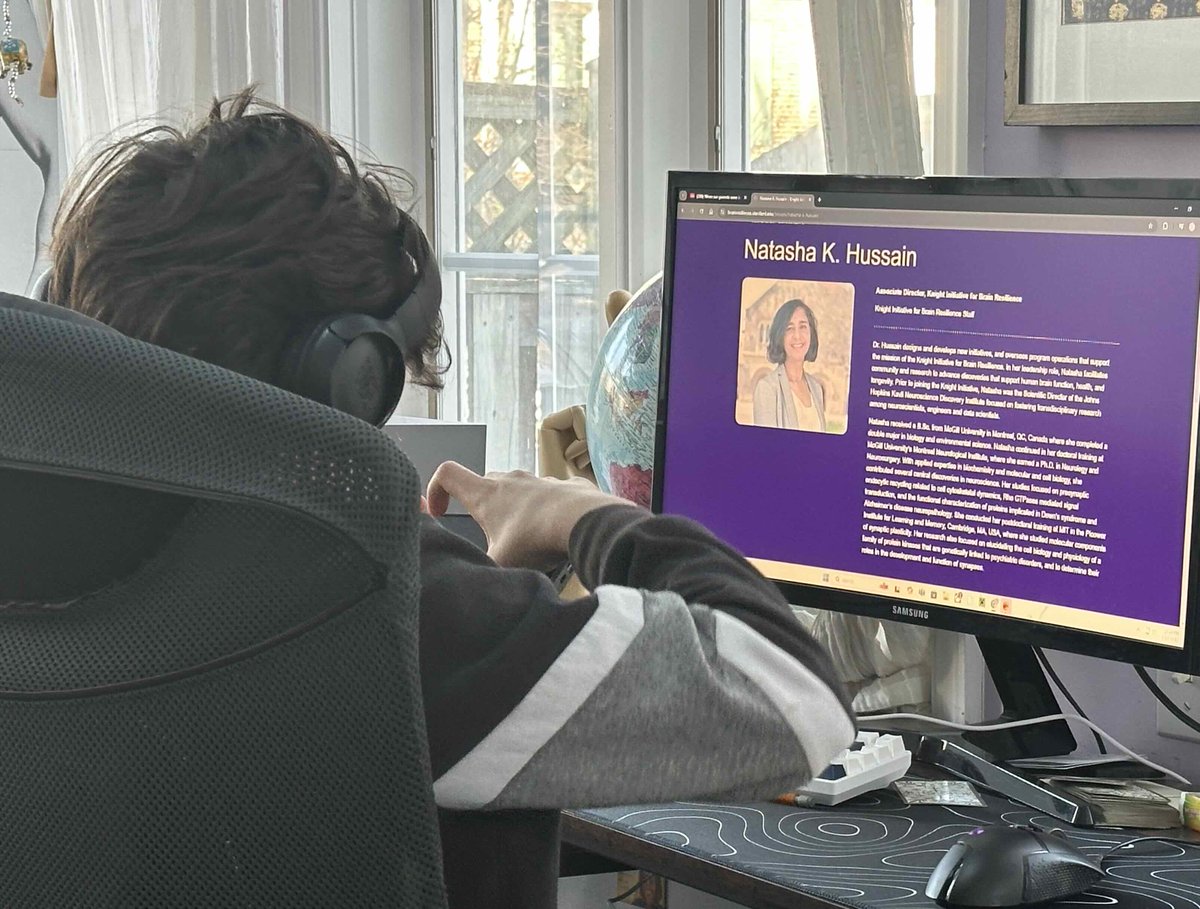
Caught my son snapping a pic of my bio on the site --
Work + parent moment for the win today!
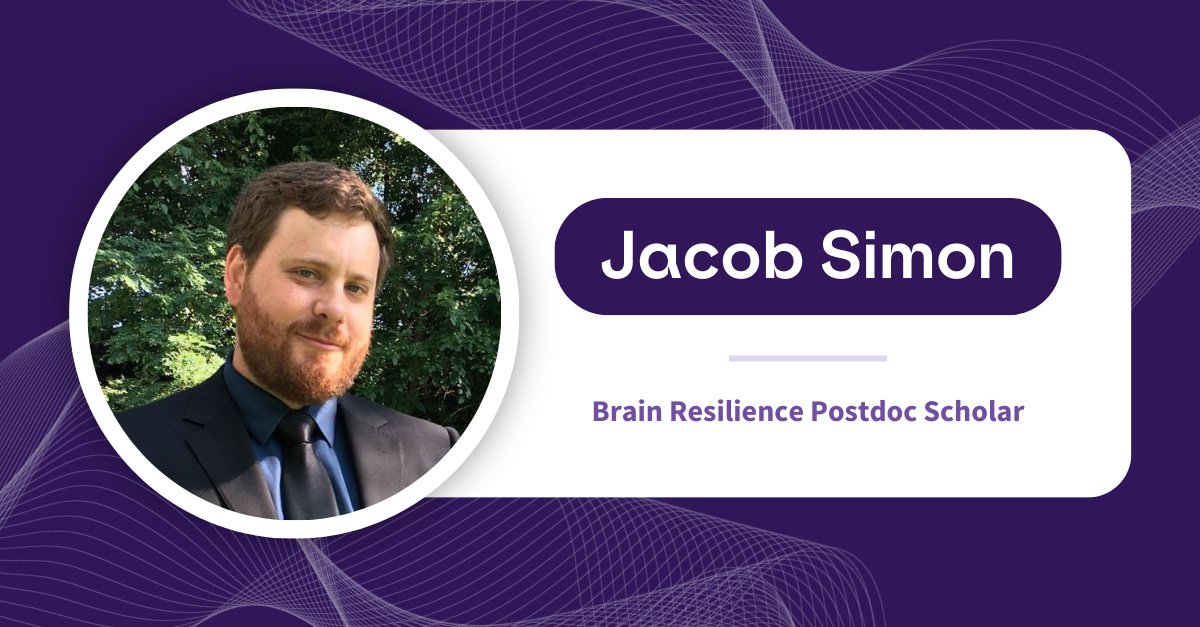
Welcome Jacob Simon, a Brain Resilience Postdoc scholar in the 2024 cohort!
With a background in Physics and Molecular Biology from @UCBerkeley and a Ph.D. in Biological Engineering from @MIT, Jacob now studies the molecular function and importance of sleep in the Clandinin lab.
@StanfordBrain@StanfordMed@FrydmanLab@StanfordBioX@BrunetLab As promised, Knight Initiative Associate Director Natasha Hussain @pcwiggler announced the winners of our poster session contest at the end of the symposium. Congrats to our winners, and thank you to all who attended, participated, and discussed their science!
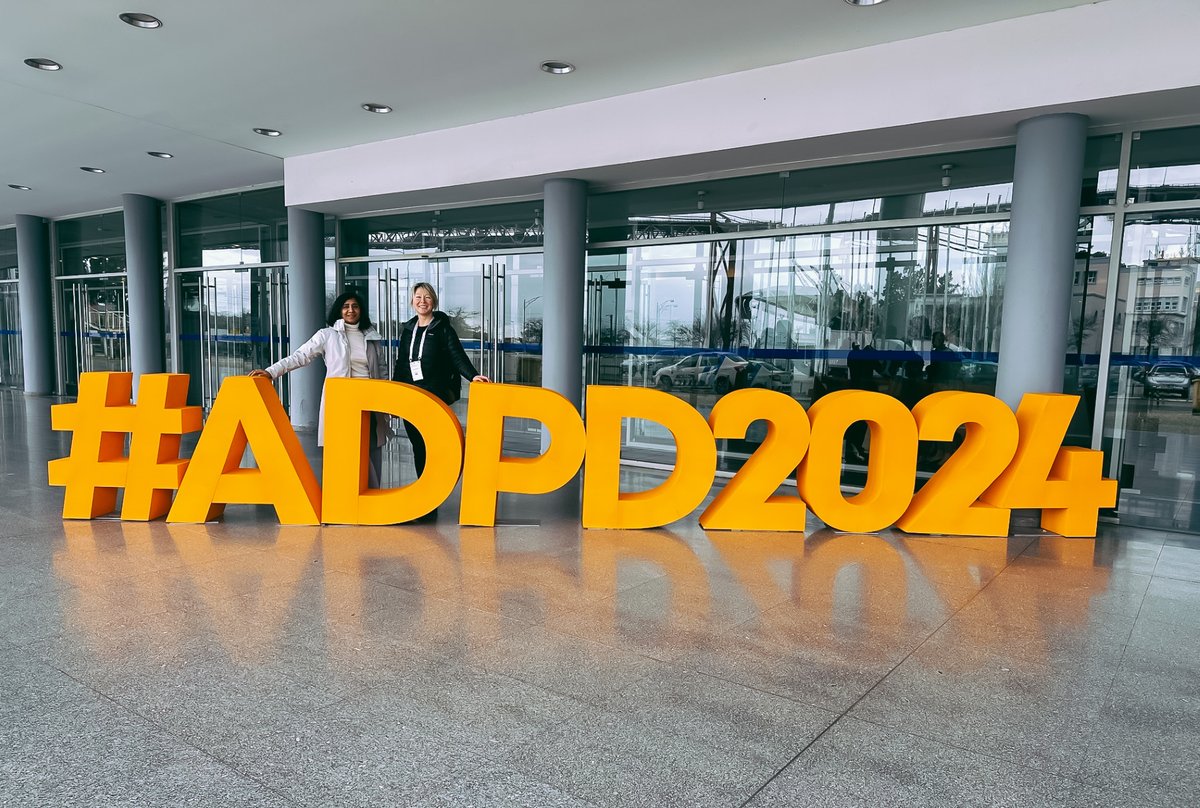
Last week, we attended #ADPD2024, where we learned about emerging research, clinical trials, and treatments for Alzheimer’s and Parkinson’s. It was great to meet and listen to leading international experts and discuss the latest news and trends in the field. Thank you @EU_Brain!
I’m grateful to be in a position to support fantastic scientists in their training. Great research understanding what makes for resilient minds in the making! @Stanford
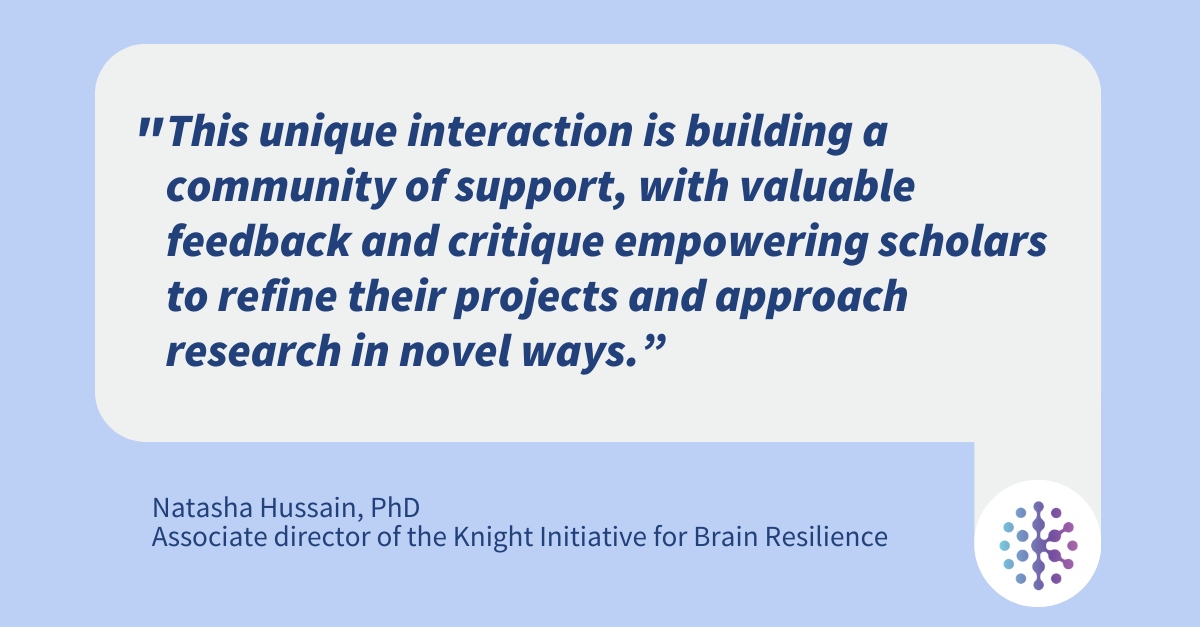
“Witnessing the vibrant exchange of ideas and integration with the Interdisciplinary Scholars Program has been truly gratifying,” said our associate director, Natasha Hussain @pcwiggler, on this year's Neurosciences Postdoctoral Scholars. Read more: https://t.co/6QIEa5F2RG
Our symposium on Parkinson's Disease is tomorrow!
We are excited to host esteemed speakers in the field, including Kathleen Poston (@pddoc), Hilal Lashuel (@Hlashuel), Shahzad Khan (@DrZadKhan), Navdeep Chandel, Ekemini Riley (@ELeap29), Dario Alessi, and Eliezer Masliah.
We invite the Stanford community and anyone interested in the science of brain resilience to our Symposium on Parkinson's Disease on January 25, 2024. Registration required.
Learn more: https://t.co/NBD0T0M4oT
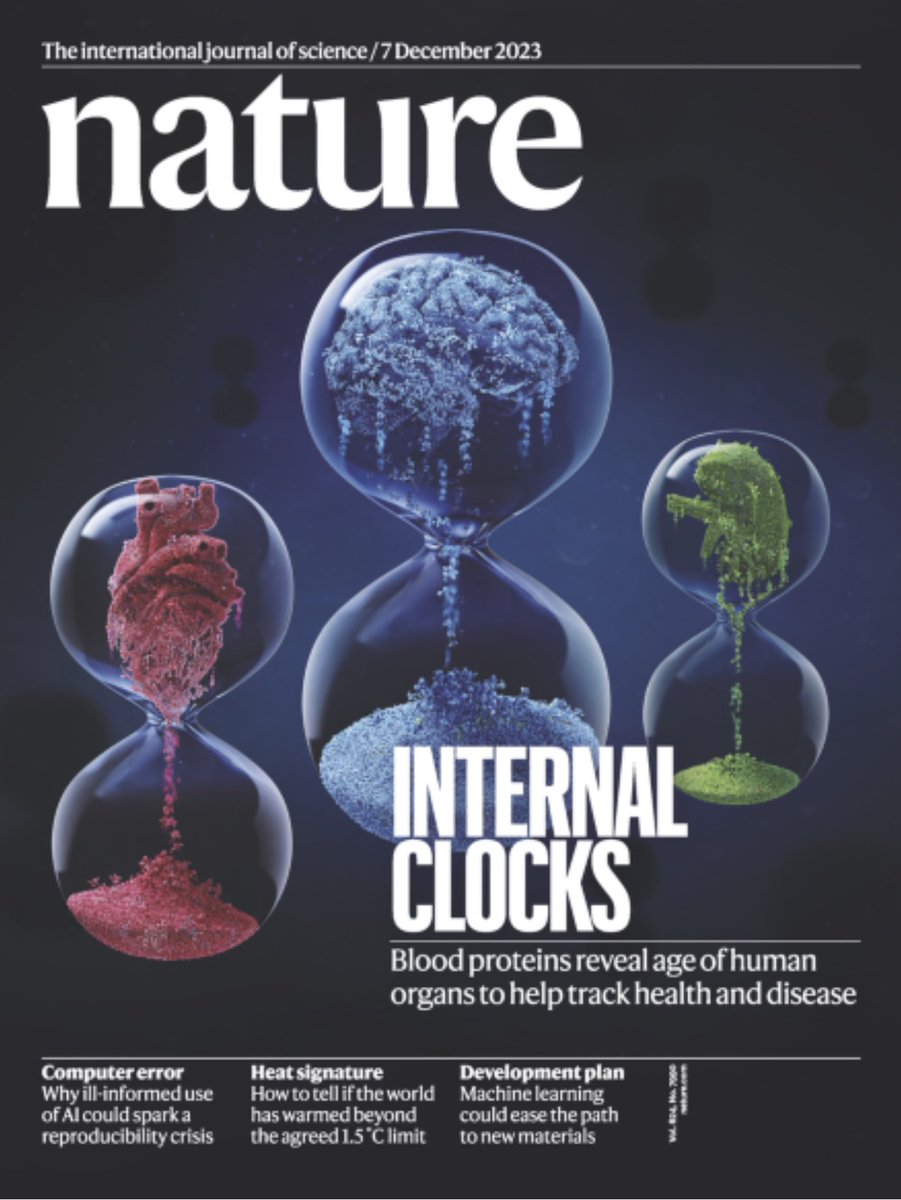
How can we slow aging or rejuvenate brains and other organs without having biomarkers to test interventions? @JarodRutledge1 and @hammy_oh may have a solution https://t.co/STBA5AiLK1. Congrats and thanks to these superstars and to all for this massive effort!
Postdoctoral fellows, our Brain Resilience Lab is hiring!
We specialize in applying transcriptomics, proteomics, and metabolomics technologies and data analysis to chart the molecular evolution of the aging human brain.
Learn more and apply via email https://t.co/1MWOXMveTC
I am thrilled to present our new study out in @Nature where we measure aging at organ-level resolution in living people with large-scale plasma proteomics + ML! From @wysscoray lab, co-led with former grad student @JarodRutledge1 1/12
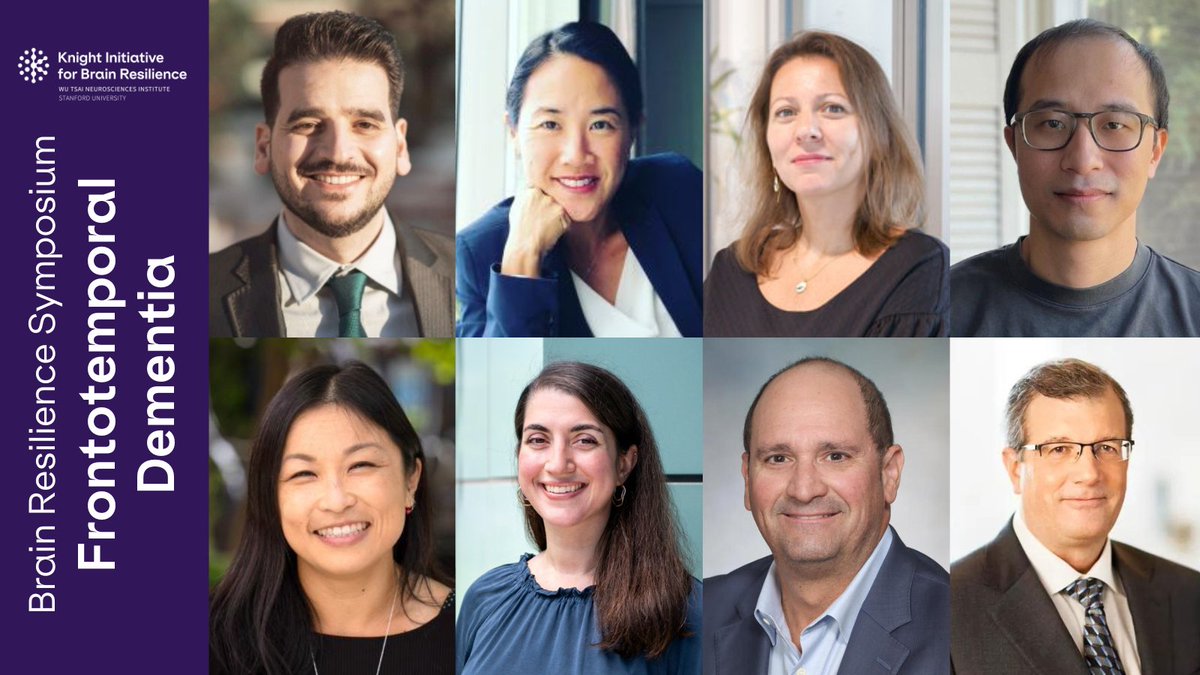
Our symposium on FTD is today!
We are honored to have such a remarkable group of speakers, including @kyan_younes, Sharon Sha, Magdalini Polymenidou (@PolymenidouLab), Yi Zeng, Jennifer Yokoyama (@YokoyamaLabUCSF), Christina Theodoris, Leonard Petrucelli, and Frank Bennett.
Stop by booth #3201 to learn more about the Stanford Knight Initiative @BrainResilience , postdoc openings and @StanfordBrain research Institute. Looking forward to seeing my neuro friends at #SfN23!
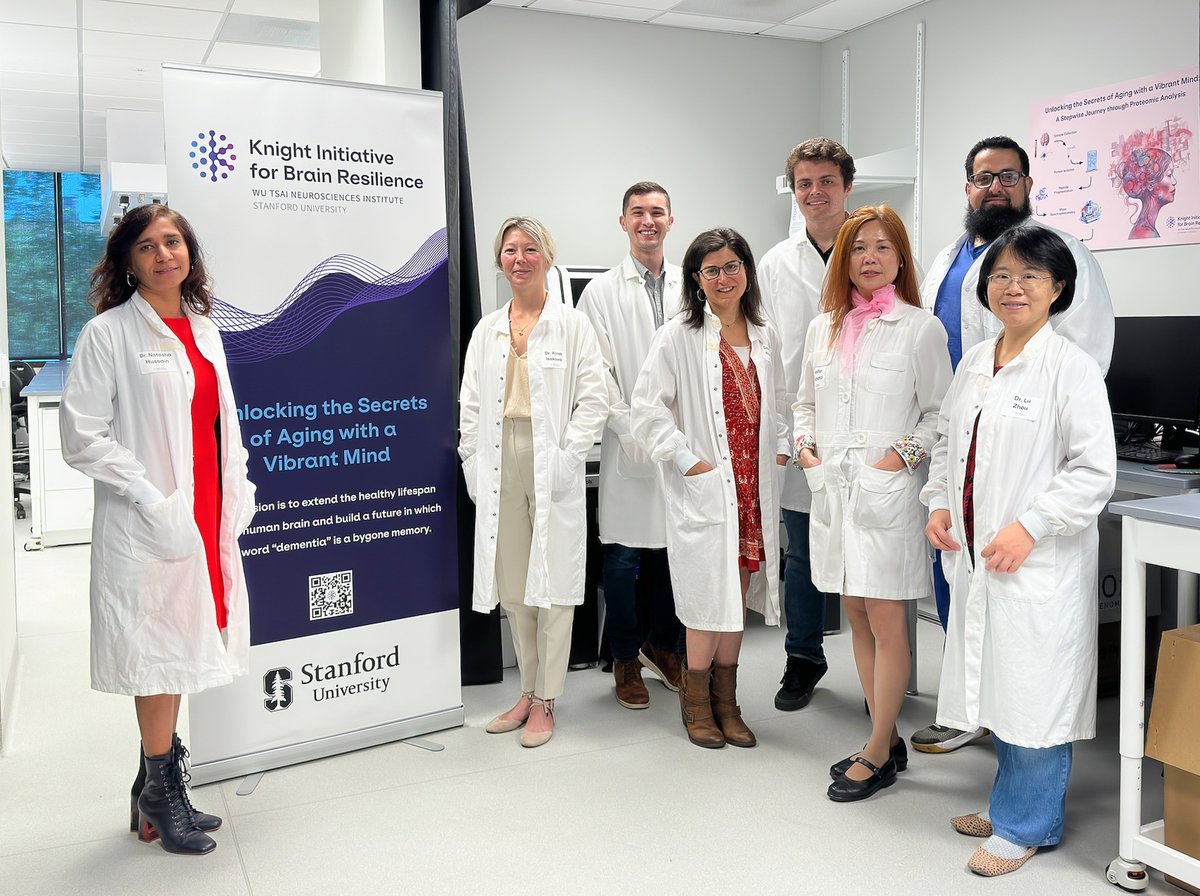
Hosting the World 50 Group at our Brain Resilience Lab was an incredible experience! Together, we explored innovative methods for studying healthy brain aging, emphasizing the vital role of interdisciplinary research in advancing brain resilience.
Super proud of our paper with my colleagues @yoichiaraki@LizEGerber @KaceyRajkovich @rhuganir! SYNGAP1 model mice are at JAX for everyone! https://t.co/ULk1cj4Ldq https://t.co/L9YlThCGlT Our work characterizes etiology and provides excellent models for therapeutic development.
Aging is key to Neurodegeneration but the spatiotemporal contribution of genes to disease susceptibility (regional vulnerability) or progression is unknown. @Oliver__Hahn and team captured gene expression changes across brain regions and mouse lifespan https://t.co/U8qBuIArqA