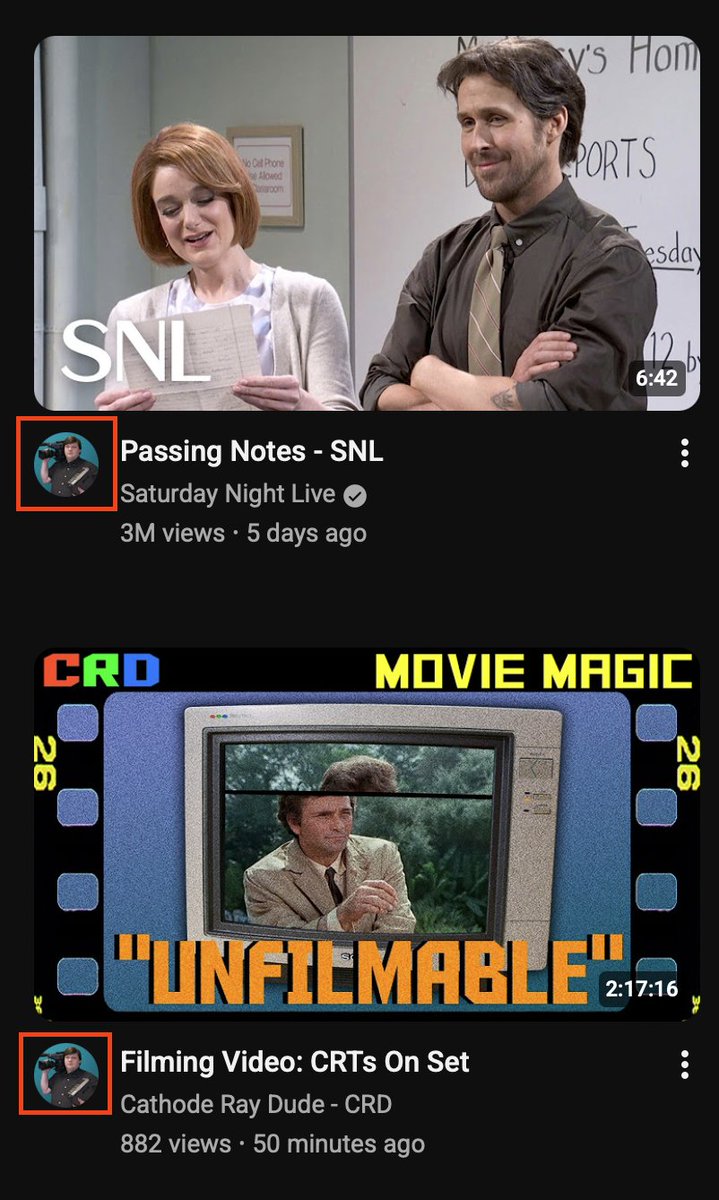
@ProtonSupport I'm only interested in VPN and Pass, and probably won't need VPN for entire year. You've used to have a VPN+Pass plan, but I can't find it anymore.
@ProtonPrivacy I can't buy yearly subscription of Pass if I have monthly VPN Plus? What kind of BS is it:( Looks like next month I'm moving to Mullvad, just so I can buy Pass:(
Mnie tego najwyraźniej brakuje, bo próbowałem przeczytać przemówienie "noblowskie" tej Pani. Dotarłem do polowy, stwierdziłem, że mi wystarczy. Jej książki omijam szerokim łukiem.
This is peak design. Option I need is, probably, where I've marked red. But there's no scroll as designer thought all screens should be able to display the list in full:(
Ale nas robili w BAMBUKO
UOKiK bierze się za Żabkę. Sieci miały wprowadzać klientów w błąd
UOKiK uderza w trzy duże sieci handlowe: Black Red White, Żabkę Nano oraz Peek & Cloppenburg. Urząd postawił im zarzuty naruszania zbiorowych interesów konsumentów poprzez nieprawidłowe informowanie o promocjach.
Kontrole Inspekcji Handlowej wykazały, że sklepy często nie podawały najniższej ceny z 30 dni, czego wymaga unijna dyrektywa Omnibus. W BRW sprawdzono 454 etykiety, z których wiele nie zawierało wymaganych danych, a niektóre „promocje” były wyższe niż wcześniejsze ceny produkt przeceniony z 1439 zł na 989 zł wcześniej kosztował 899 zł.
W Peek & Cloppenburg skontrolowano 240 wywieszek, również bez informacji o najniższej cenie. Żabka Nano stosowała niejasne oznaczenia, ukrywając kluczowe dane w drobnym druku.
Firmom grożą kary do 10% rocznego obrotu, co może oznaczać dziesiątki milionów złotych. UOKiK podkreśla, że konsumenci muszą mieć pełną i prawdziwą informację o realnych obniżkach.
Serial próbowałem sobie ostatnio przypomnieć, nie da się go oglądać jako dorosły, ale uwielbiałem jako dzieciak. Za to któraś z piosenek ze ścieżki dźwiękowej leci u mnie przynajmniej raz w tygodniu. Arcydzieło. RIP:(
When working with computers we frequently find these cool little tidbits/tricks/tips we could share. They are too small to make a full article, but they are likely the right size for Paged Out! magazine, where each article is just 1 page 😎
CFP deadline for Issue #9: 30th April
Bez asysty?! Mnie kiedyś taki prawie przejechał, dogoniłem go, patrzę, a on sobie coś pyka w telefonie, na drogę patrzył tylko jego kolega, pasażer. Dodam, że jechał do przodu, nie cofał.
Niestety, absolutnie powszechne jest manewrowanie śmieciarkami bez asysty. Załoga zawsze składa się z kilku osób, ale ta dodatkowa osoba zazwyczaj siedzi w kabinie albo biega z pojemnikami na odpady. Zero pomyślunku.
NYC born and raised and here are some tips.
Never stand near platform and always have your back to a wall
Never stare at your phone lost, and never wear both headsets
Never stand with your back at a traffic light either, always position a slight angle
Dwa razy wjechał we mnie podobny as. Oni nie mają szans zobaczyć człowieka, ale jadą dzielnie, bo co im się może stać. A ludzie mogliby się nie szlajać po chodnikach jak pan pracuje.
Agresja wywołana zwyczajnym zrobieniem zdjęcia nieprawidłowo zaparkowanego pojazdu pozbawiła tego kuriera pracy. I bardzo dobrze. Na drogach nie ma miejsca dla niebezpiecznych i sfrustrowanych ludzi. Cofanie samochodem dostawczym po chodniku i przejściu dla pieszych jest skrajnie nieodpowiedzialne i niebezpieczne. Pojawiają się nawet obrońcy takich pomysłów. Na szczęście brzmią na tyle niepoważnie, że nie warto się nad nimi pochylać.
In 1973, a 26-year-old English teacher in the United States threw three pages of a story into the bin. He thought it was terrible. He was done with it.
His wife pulled the pages out of the trash, smoothed them out, and read them.
That story became one of the bestselling novels in history.
At the time, Stephen King was living in a trailer in Maine with his wife Tabitha and two small children. He taught English at a private high school. She worked the second shift at Dunkin’ Donuts. He also worked summers at an industrial laundry and took extra jobs as a janitor and a gas pump attendant.
He could not afford his own typewriter. He used his wife’s, set up on a makeshift desk she had fitted between the washing machine and the dryer.
He had already written three novels. None of them were published. Then he started writing a story about a bullied teenage girl with supernatural powers. After three pages, he hated it. He felt he did not understand the character and could not make it work. He crumpled the pages and threw them away.
The next day, he came home from work and found Tabitha reading those pages. She had pulled them out of the bin, covered in cigarette ash, and sat down to read them.
“You’ve got something here,” she told him. “If you don’t know how teenage girls act, I’ll help you with that part. Just finish it.”
He finished it. The book was called Carrie. It was rejected by 30 publishers. Then one finally said yes.
They did not even own a telephone. When the publisher called to accept the book, Tabitha had to dress up the kids, walk to the neighbour’s house, and call Stephen at work. He said she had never called him at work before. When he picked up the phone, they were both out of breath.
The advance was $2,500. He used it to move his family out of the trailer. Carrie went on to sell over 1 million copies in its first year.
Stephen King has since published over 60 novels. More than 350 million copies sold worldwide. But none of it would have happened if Tabitha King had not pulled three crumpled pages out of a bin in their laundry room.
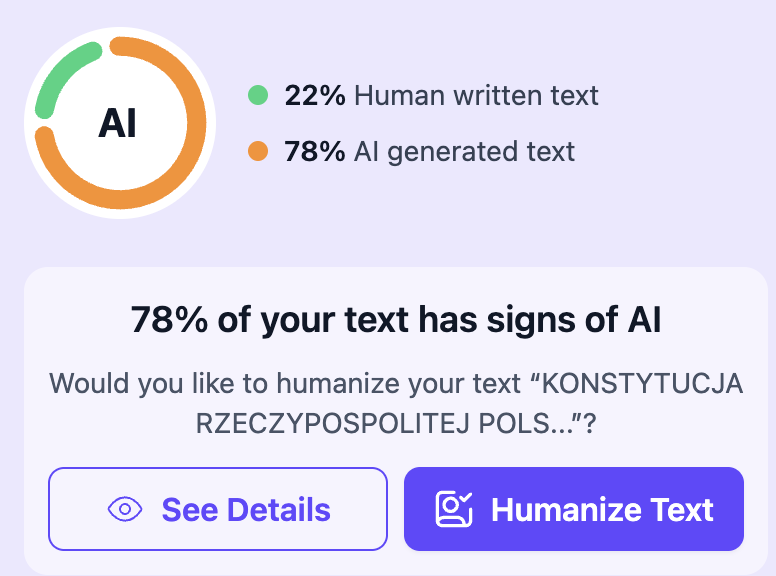
KONSTYTUCJĘ III RZECZPOSPOLITEJ POLSKI STWORZYŁO AI? Taka przerażająca prawda wyłania się z przeskanowania jej tekstu za pomocą GPTzero. To oczywiście bzdura. Ale tyle są warte "skanery" tego czy coś jest napisane AI lub z pomocą AI. Inne wyjaśnienie: ktoś dysponuje maszyną do podróży w czasie.