Interested in the intersection of finance & society. Tweet about political economy, asset managers and sustainability. 20yrs+ in finance. PhD from @EdinburghUni
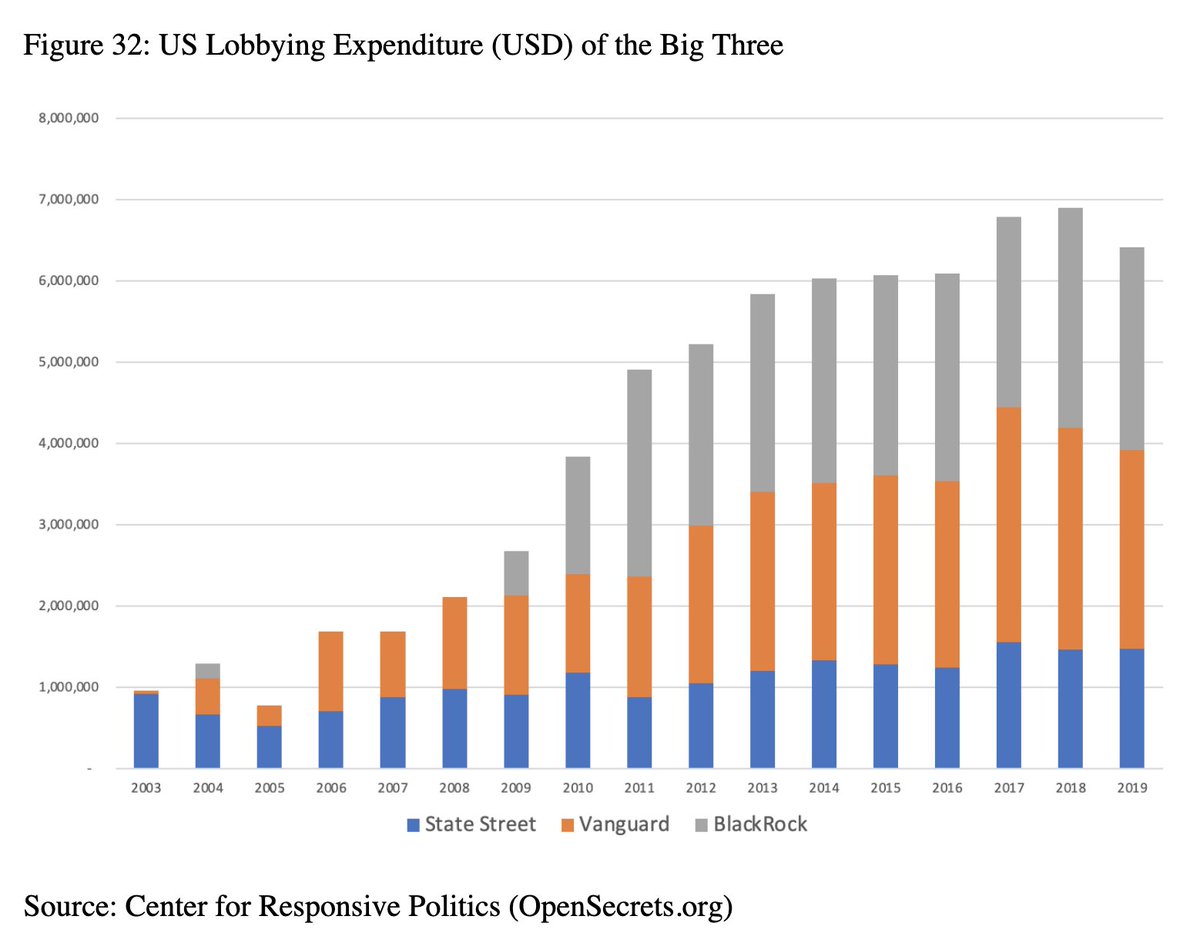
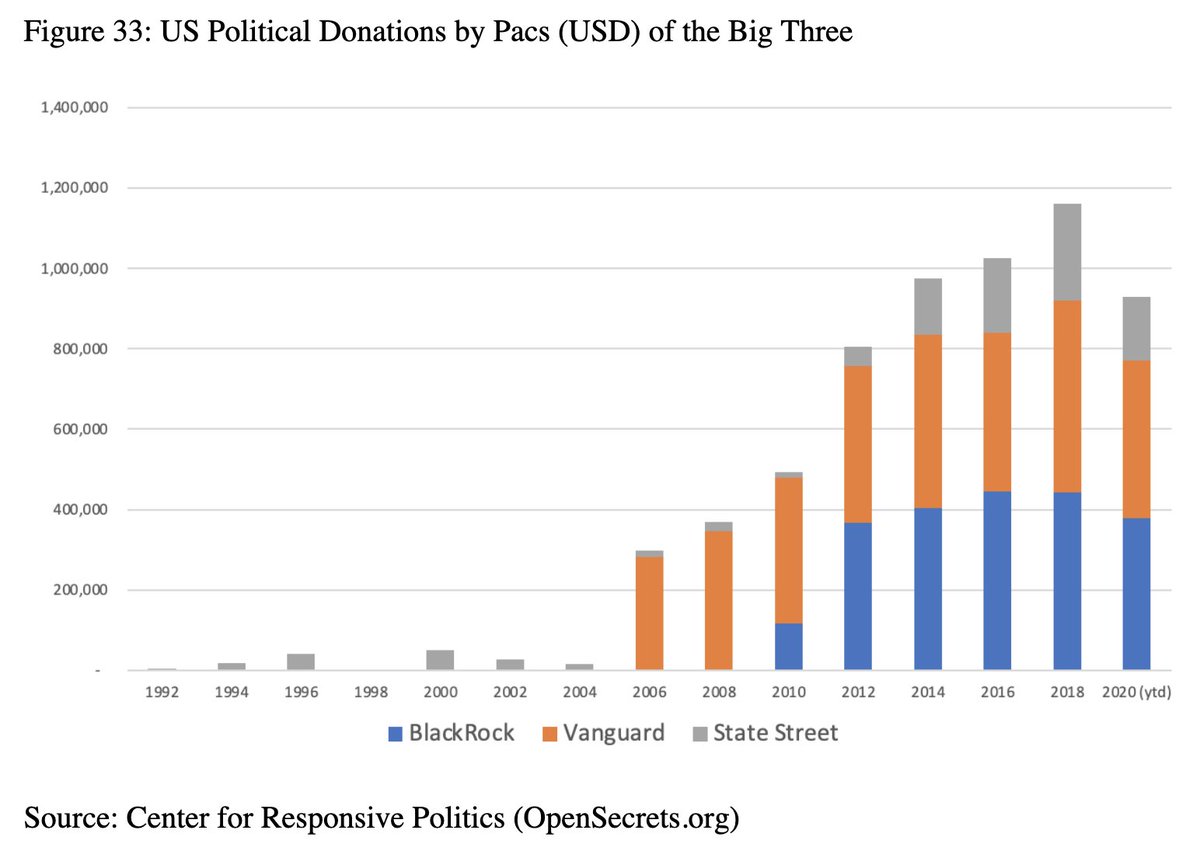
Back from a Twitter break & found that @EdinburghUni has posted my PhD online. For anyone interested in the question of what the rise of the asset management sector entails for the models of capitalism in the US, UK and Germany, here is a short thread 1/7
https://t.co/oxHAgFSYn8
"The anti-ESG backlash has captured public attention and opened up a transatlantic rift. While EU investors boast of their efforts to reach net zero [...] as quickly as possible, many of their US counterparts are dodging the subject or saying they must defer to client wishes"
The irony, of course, is that reports by the likes of @ShareAction have repeatedly shown that even today with the high fees, the largest US asset managers "are blocking progress on environmental and social issues". 6/6
Link to new report here: https://t.co/XVEVpsyhEY
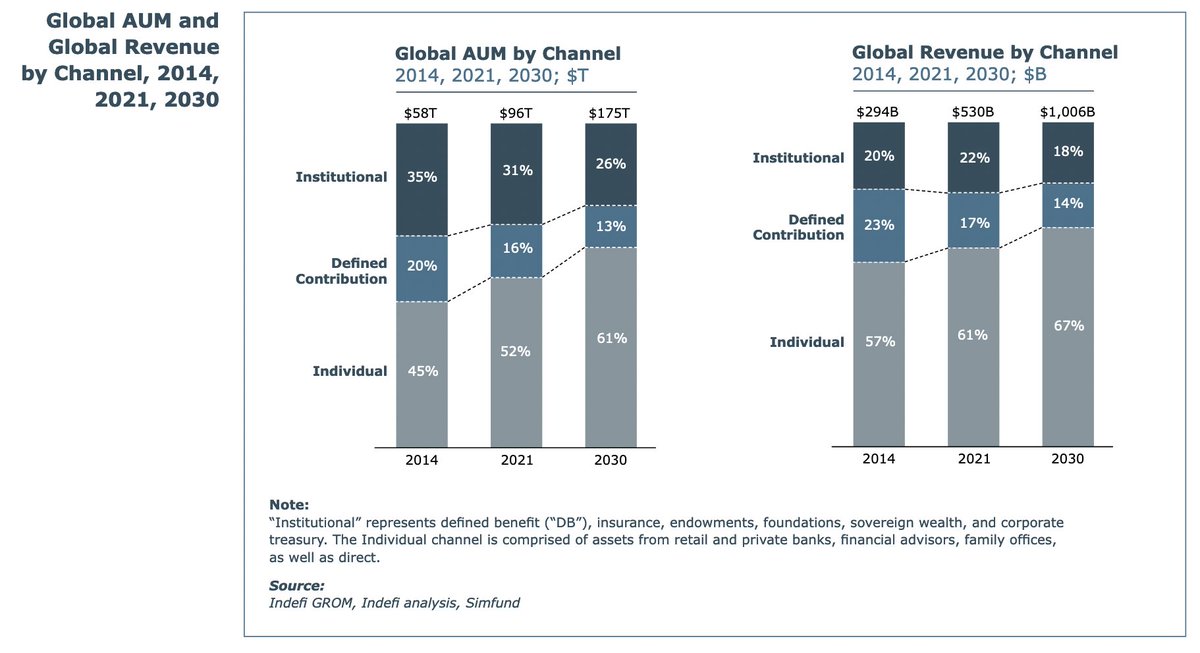
First time on Twitter for a while. Just came across this interesting report that states that institutional asset owners are declining and only make up 31% of assets today while retail investors represent 52% of global AuM. 1/6
https://t.co/4OChPx5l61
For the US it therefore remains to be seen whether asset managers can retain this higher fee income in the long term and whether this will be enough to ensure that in an environment of decreasing institutional relevance and partisan politics ESG can prevail. 5/6
@OxfordFrom Alpha gained through access to non public info? Often heard it said that small cap and emerging markets are best invested via active funds as in both cases corporate execs share a lot of info with fund managers in meetings…. But haven’t seen any research to support it.
@fichtner_jan Absolutely. This also explains why US corporates (particularly from the O&G industries) have been lobbying so hard to have stricter regulatory oversight of proxy advisors.
Marco Rubio's pressure on MSCI to drop/reconsider inclusion of Chinese stocks into its equity indices is a further example of how the institutions of asset manager capitalism are being increasingly employed as political tools:
https://t.co/BoLLhhUrZE
Another example of the politicisation of asset manager capitalism: Florida's Republican senator uses his position as trustee of state pension fund to call on Twitter's board to accept Musk's bid. 1/2
Two of the three trustees for the Florida State Board of Administration have expressed strong support for the sale of @Twitter to Elon Musk.
#Investing#LBO
https://t.co/jQ1lwrnJWQ
This follows Texas' pressure on BlackRock: "At the risk of being dropped from Texas pension funds, BlackRock Inc has ramped up its message that the world's largest asset manager is a friend of the oil and gas industries." 2/2
https://t.co/PDLGy8JcG7
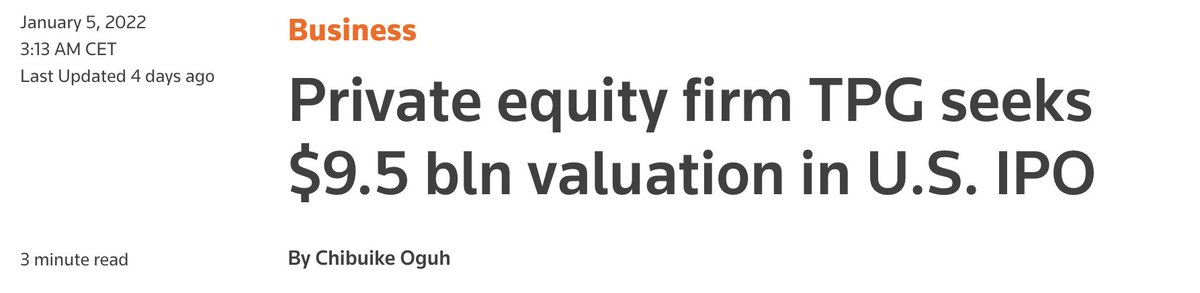
TPG is the latest private equity firm going for a stock market listing. They are joining Blackstone, The Carlyle Group & KKR. The 4 largest PE firms will now all be listed.
We have come full circle: public investors (BlackRock etc) will steward private equity on issues inc ESG..
I'd argue there is so much private equity money around, that public investors are being forced to accept lower standards at IPO in order to increase chances companies list earler. In a way all the PE money is thus potentially diluting the corporate governance of listed markets.
FT highlights that last year saw a record # of dual class IPOs. Shows that if markets are hot enough, corporates can continue to do what they like, irrespective of the rise of ESG. With 20:1 voting rights “It’s almost as if the firm continues to be private”
New report by Majority Action highlights the failure by most large asset management firms, esp. the Big Three, to support policies aimed at limiting racial inequality & political lobbying (despite making public statements in support). Link to the report: https://t.co/BPifnogGKn