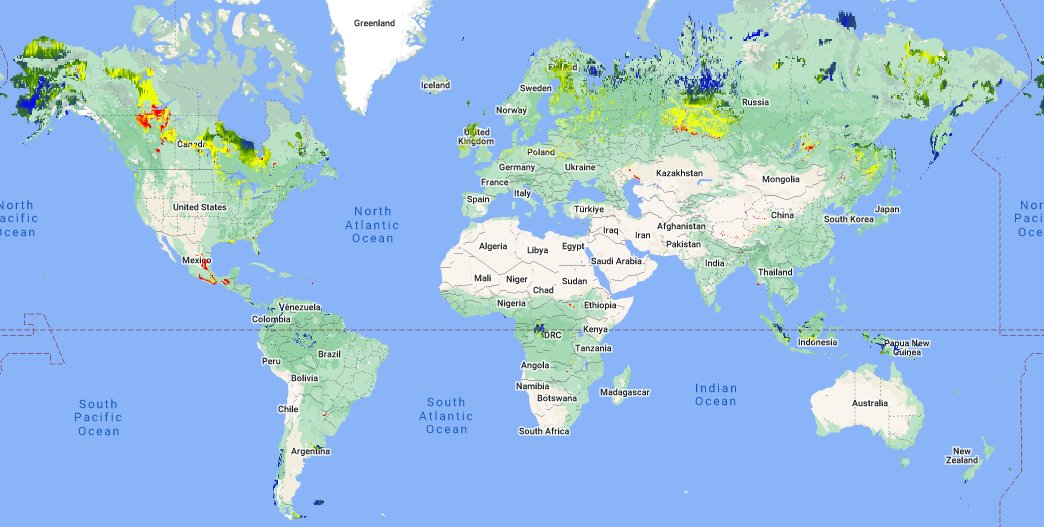
How deep were groundwater levels in natural #peatlands three days ago?
Ask #NASA's operational product "#NASASMAP Level-4 #soilmoisture version 7". You get the combined information of modeling (#PEATCLSM) and satellite data. This is a thread describing the product #PeatTwitter 👇
Apply for a postdoc position in our group!
https://t.co/u6mA7eHsO8
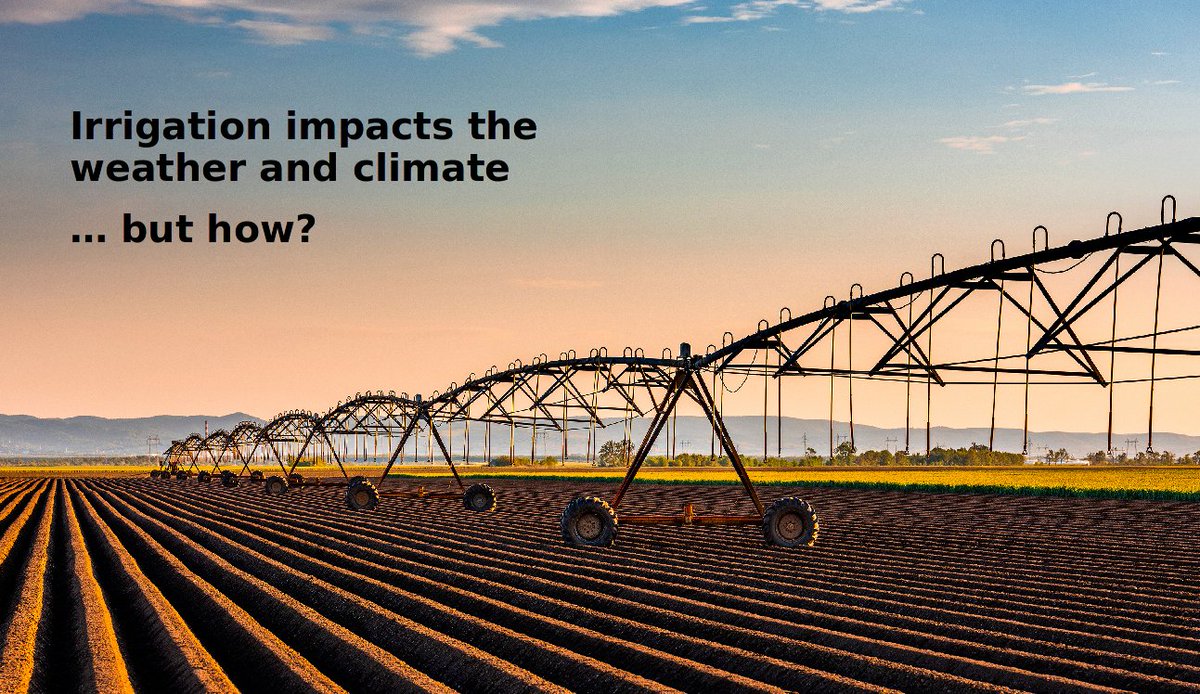
Impact of Irrigation on Meteorology: Satellite Data Assimilation and Land-Atmosphere Coupling
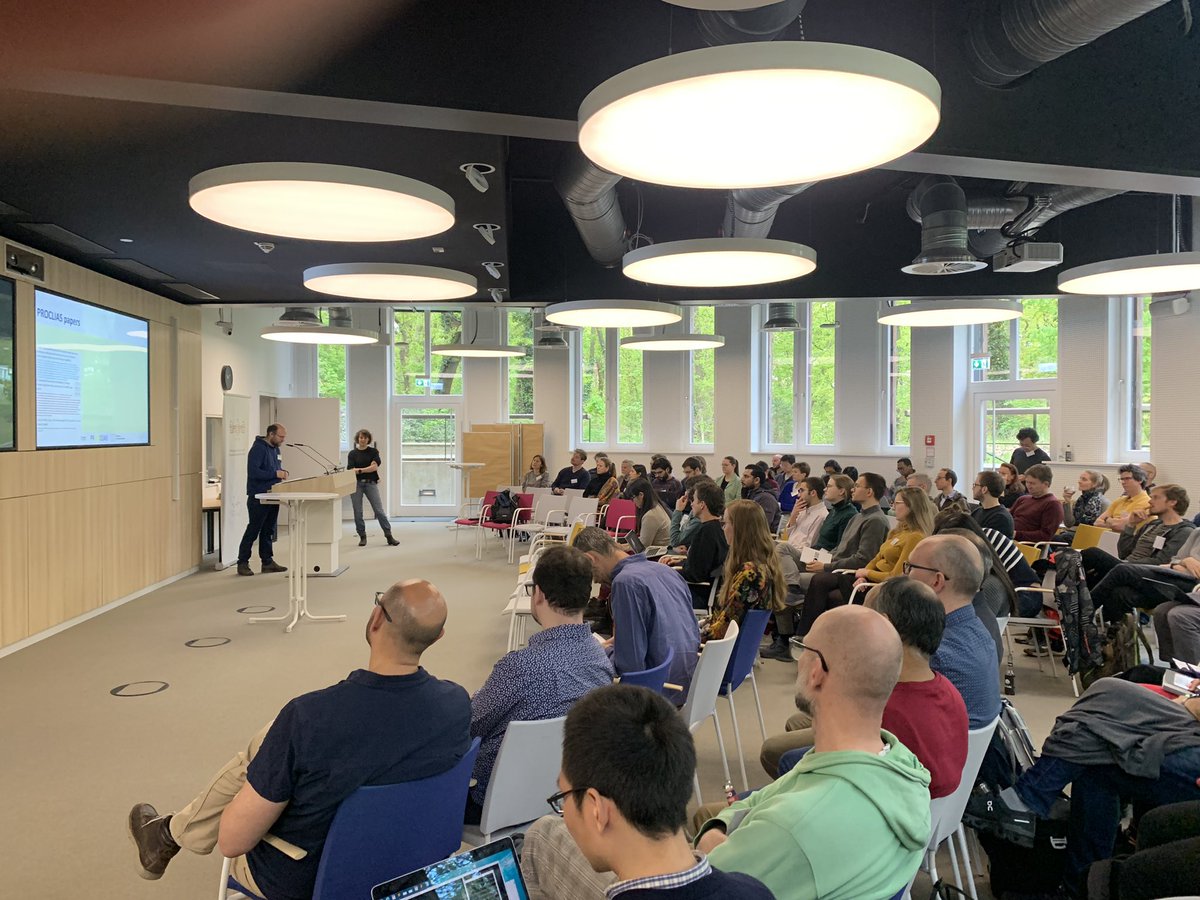
Cross-sectoral ISIMIP/PROCLIAS Workshop 2024 just took off at @PIK_Climate with >100 on-site participants. Looking very much forward to an exciting week!
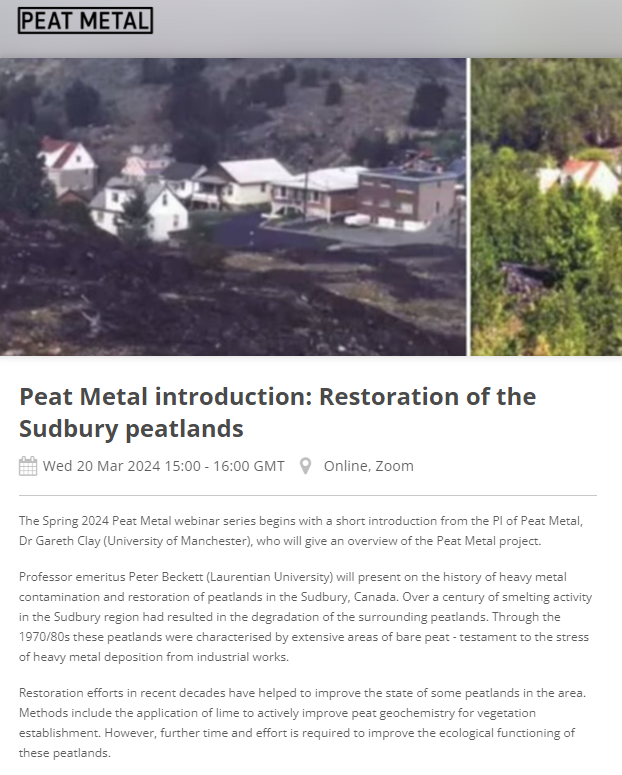
New webinar series as part of NERC #PeatMetal exploring peatland heavy metal contamination, disturbance and restoration. First session 20/03/24 with @garethdclay and Peter Beckett. Please share widely!
Full details - https://t.co/UvpBXnVzp8 Register - https://t.co/4kLwEt0nSI
A nice example of how a data assimilation dataset (land surface modeling + soil moisture sensitive satellite observations) can have a big impact on another research field (fire danger assessment). Congrats Jonas, great paper! #PeatTwitter#PeatPaper#PEATCLSM
📢Excited to announce the publication of our latest paper on improving the fire weather index (#FWI) system for peatlands by using peat-specific hydrological input data in #NHES journal! 🔥🌱Accessible via https://t.co/qUgA9NKKD7 [1/3]
This wouldn’t have been possible without the many contributions from the active impact Modeling community so great to have you all on board e.g. @FishMip @AgMIPnews@WimThiery @HMuellerSchmied @simon_gosling@peatfunc and many more
Check the protocol at https://t.co/hpzCYJT96c
All you ever wanted to know about the ongoing round of @ISIMIPImpacts simulations (ISIIMP3a) is now compiled in one place: new community paper led by Katja Frieler @PIK_Climate in @EGU_GMD: https://t.co/EK81uWqw0q
✌️Two open #PhD positions in our #EO4PEAT project funded by @BelgianEO. With four Belgian research groups & two international partners, you will develop novel techniques for the monitoring & modeling of #peatlands! #PeatTwitter 👇
https://t.co/GI2sM14E4G
https://t.co/sZfFvOQaLH
#PeatQuest is seeking the most crucial questions that still need answers in #peatland research. If you work with peatlands as a researcher, government official, funder, policymaker, local community group or individual – we want to hear from you! https://t.co/35gTdonv4i
Thanks to @BelgianEO for funding this relevant and exciting research, the @VSC_HPC funded by @FWOVlaanderen, and all the great people involved in this comprehensive work!
🛰️🛰️🛰️New published paper in Journal of Hydrometeorology🛰️🛰️🛰️ https://t.co/1F9cYlEI9n In this paper, we investigated how river discharge estimates are impacted by assimilating @ESA_EO Sentinel-1 backscatter observations into a land surface model with a river routing model.
Our paper gives detailed insights into where and how much skill improvement we can currently expect with our proposed data assimilation setup. The paper discusses the limiting factors that have to be addressed in future research to increase the improvements that we achieved.
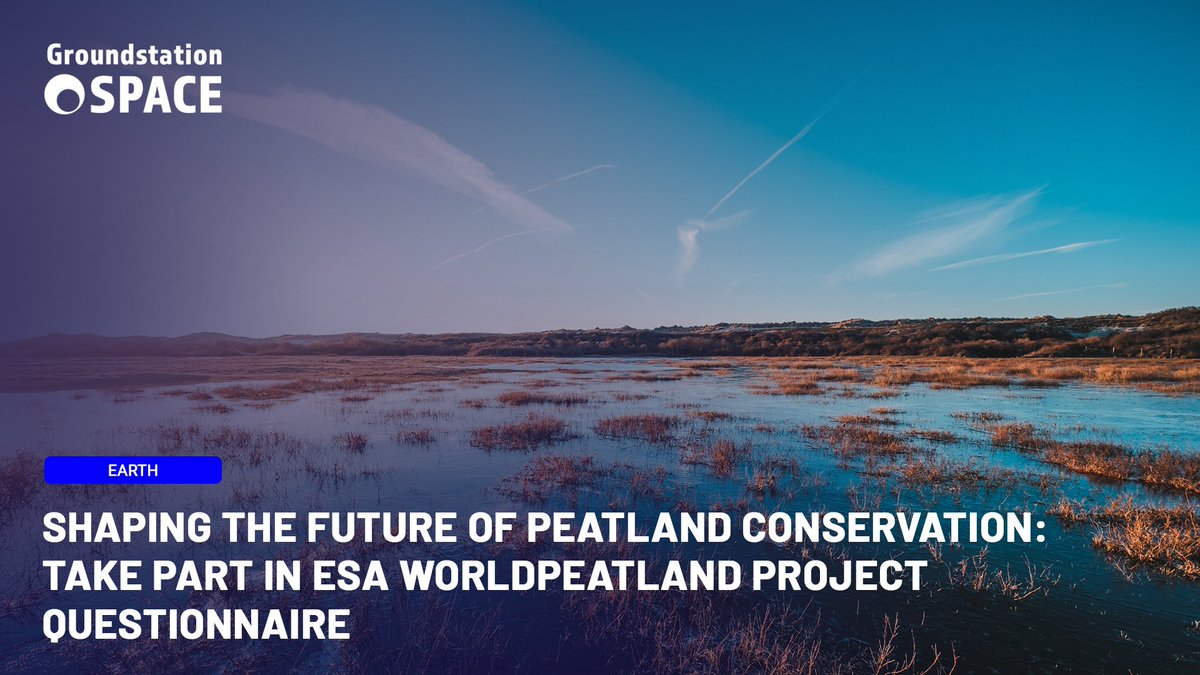
Peatlands are vital for our planet's health, and you can be part of their preservation. Join the ESA WorldPeatland Project by sharing your insights through our questionnaire. Visit our website to learn more:
https://t.co/tAhxP7Iu8a
#ESA#ESAWorldPeatlandProject
Peatlands are vital for our planet's health, and you can be part of their preservation. Join the ESA WorldPeatland Project by sharing your insights through our questionnaire. Visit our website to learn more:
https://t.co/tAhxP7Iu8a
#ESA#ESAWorldPeatlandProject