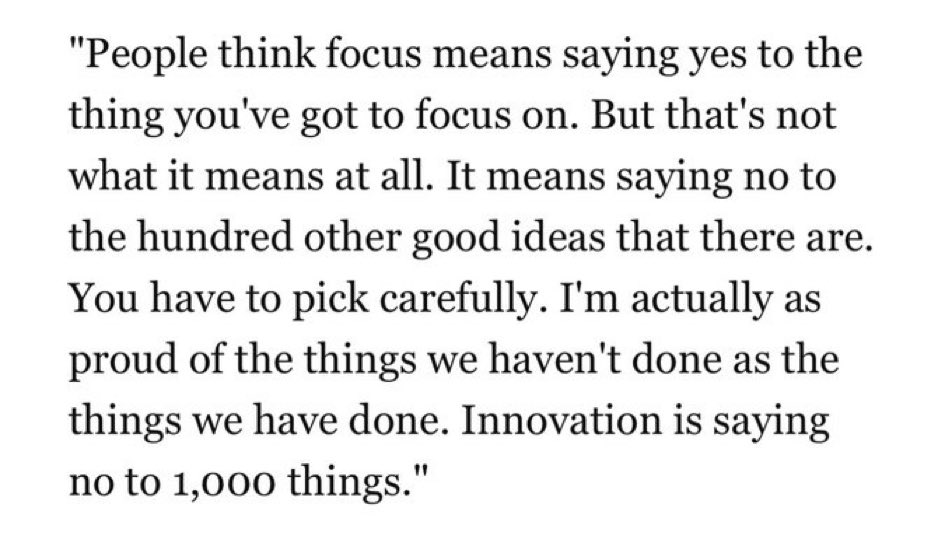
Tattoo this to your brain:
"The world is a malleable place. If you know what you want, and you go for it with maximum energy and passion, the world will often reconfigure itself around you much more quickly and easily than you would think.”
-- marc andreessen
Here’s how to think about working capital adjustment in a business acquisition.
The main idea is simple:
Working Capital adjustment will keep the buyer’s effective price the same, but will change the proceeds available to the selling shareholders.
The proceeds to the selling shareholders will be based on how the company manages its working capital relative to the “Target Working Capital” as the deal closes.
The goal is to incentivize management to run the company normally as the deal closes.
Example 1: Working capital below target
If the WC is below the buyer will have to reduce the purchase enterprise value and pay for additional funding to bring the WC up to the target level.
This means that the buyer pays the same price, but the selling shareholders get less.
In my example 1, you can see that the selling company has $50 in WC vs. a target of $100.
This creates a reduction in the EV, which essentially reduces the equity value.
In the sources & uses, you can see that the buyer will then include a $50 to fund the working capital requirements to bring that WC up to the target level.
Example 2: working capital above target
If the WC is above the targeted level, the buyer will increase the purchase enterprise value and then take some of the company’s excess WC for itself after the deal closes.
As a result, the buyer still pays the same price, but the shareholders of the selling company get more.
As seen in my example, the equity value increase from $175 to $255
The key takeaway here is that the investor’s equity in the deal is the same in both examples, and what changes is the seller’s equity value.
As a buyer, you don’t want to acquire a company that needs additional funding on Day 1, so doing this shifts some of the risks to the seller.
Example: before a deal closes, a seller could conveniently “forget” to pay its bills, or “forget” to order inventory, which would in both cases reduce its working capital.
This is a scenario you want to avoid.
-
Thanks for read - if you enjoyed, RT and drop me a follow at @QuilanFoster for more Business, Investing and Acquisitions content!