Delighted to share the first pQTL study with MS data by @seer_bio technology on the multi-ethnic Qatar Diabetes cohort. @ksuhre led this study and it has been a tremendous pleasure working with him. Cudos to @guhan_rv & Harendra from our team
https://t.co/6u4jdzqC9v
@slavov_n
Our new exciting study on >2,000 individuals uncovers unexpectedly large genetic effects on the human plasma proteome #pQTL in children and adults, among other findings. Check it at https://t.co/eE0xMLCcxf @MPI_Biochem@UCPH_CPR@hustniu@simonrasmu Torben Hansen
🚨 New @OpenTargets preprint!
Our NLP classification of clinical trials’ stop reasons strengthens the role of genetics in de-risking future studies 🧵
https://t.co/epfIo5QPrF
Introducing The Gameful Scientist!
I'm excited to explore the intersection of science and gaming to reimagine how discoveries are made.
https://t.co/hlYqGhNp7h
R and Python are increasingly used in research. Now you can share your code interactively in your paper when you publish an Executable Research Article. https://t.co/QfsEh3XS2f
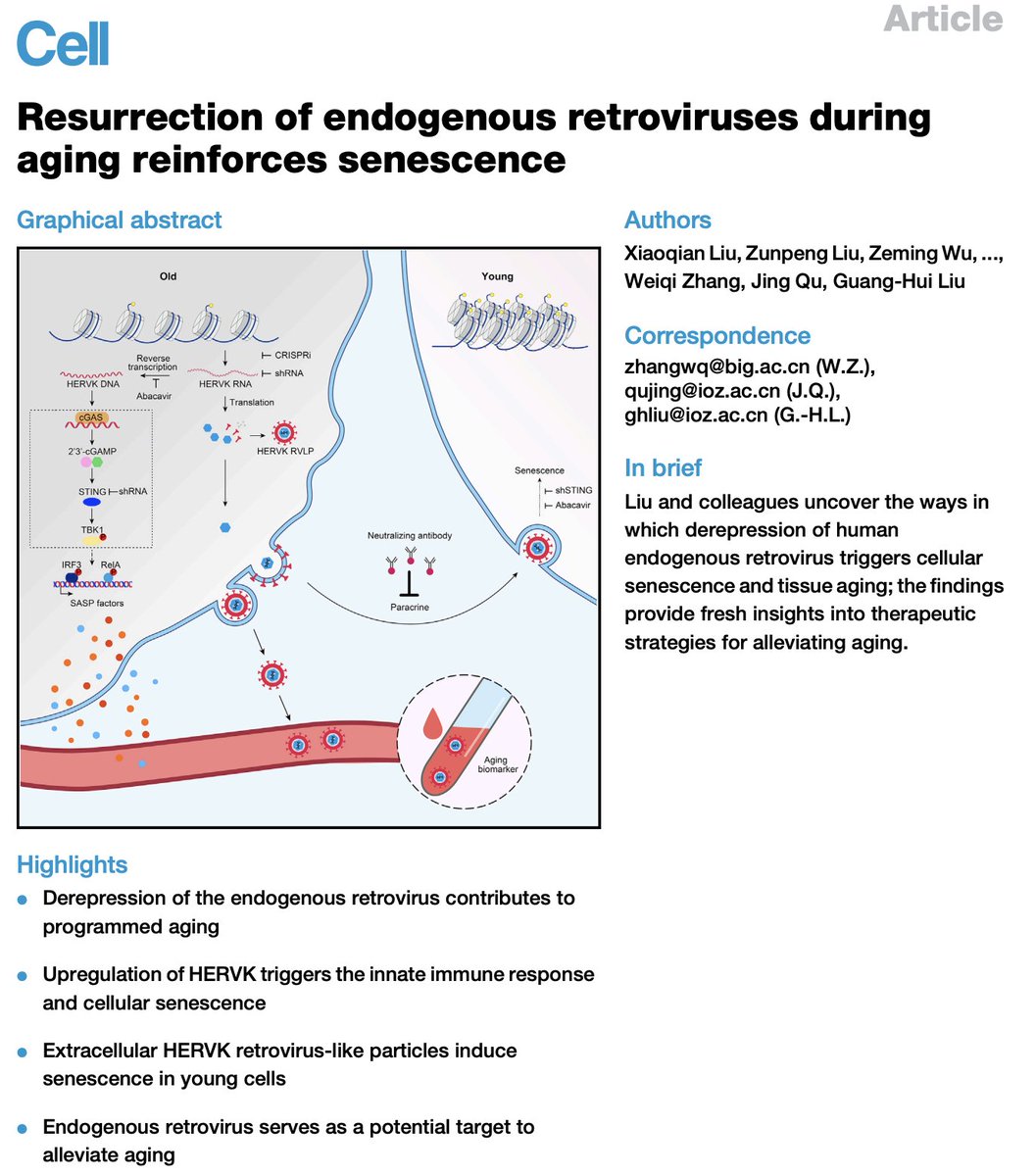
Dormant endogeneous retroviruses awaken with and contribute to aging. Repression appears to alleviate cellular senescence https://t.co/QLfzG740i6 @CellCellPress
New year, new startup! We just launched our newest stealth biotech co (FL95) to develop a novel class of noncanonical viral vector-based programmable medicines - and looking for incredible scientists and entrepreneurs to join us.
DM me or apply below:
Big data is already being used to identify mediators of disease - but how about integrating multiple types of data? In this review, we describe the use of multi-omics in discovering casual mediators of disease, focusing on CVDs. https://t.co/eAjFoMg7o2 @pedrumstick@GMEL_McMaster
We predicted 1538 phenotypes for 400K participants in the UK Biobank using the miracle of deep neural networks. Now available at: https://t.co/CIUESySpGX
5,562 proteins were found to have tissue-specific enrichment across 32 human tissues.
The majority of them (3,088) are enriched at the protein but not RNA level.
The brain hosts the largest number of proteins that are only enriched at the protein level but not RNA level.
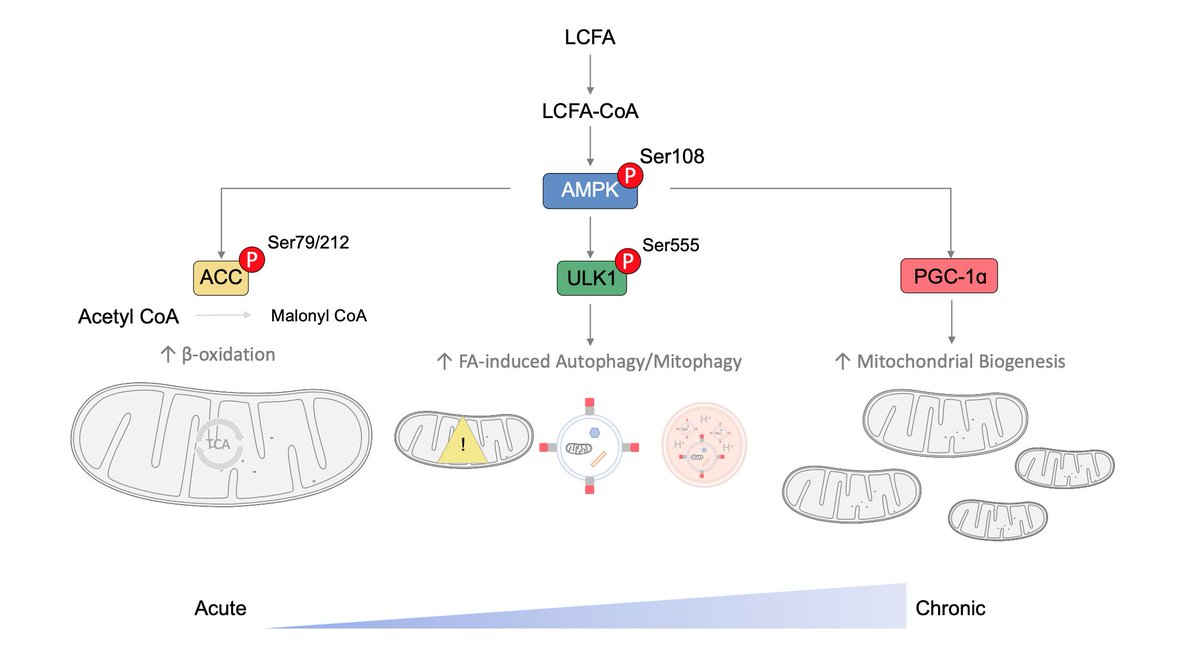
Excited to share our team's work highlighting the physiological role of #AMPK β1 phosphorylation (Ser108) in the sensing of long chain fatty acid levels to increase oxidation, stimulate autophagy, and promote mitochondrial homeostasis @PNASNews https://t.co/YDVvVCOTeb
Protein sequencing is a big deal and goes way beyond DNA sequencing. While we have ~20000 protein-coding genes, we have _millions_ of protein variants, mainly because of post-translational modifications that attach a side group to amino acids.
1/
What do polygenic risk scores (PRS) add to the seemingly simple question about family history (FH)?
We explored the interplay of PRS and FH in over 20 common diseases, showing that they have little overlap and provide complementary information.
Link: https://t.co/xjgzEr7tf1
Here’s the Atlas Venture 2022 Year In Review.
This year, given the 2+ year rollercoaster in the mkts, we start with a deep dive into both the public and private #biotech capital markets, then to the industry overall, closing with an update on Atlas https://t.co/HJ8zEXabyM
New pre-print available: "Violation of the constant genetic effect assumption can result in biased estimates for non-linear Mendelian randomization" available at https://t.co/GQ3NC6itwE. An update that no scientist ever wants to give. Thread follows: