3k followers, most think I'm just posting grammar. No. I spent nights modeling how refined petroleum products move from Beira to Harare so one day your car never knocks from bad fuel. Passion will make you stay up at 2AM. Find yours.
Good question!
Think of an oil minister like the chief operating officer for a multi-billion-dollar national utility.
They don't drill the wells themselves; they manage the state-owned assets, allocate capital for field development, coordinate export quotas (like OPEC+), and negotiate long-term supply contracts.
When the physical logistics or refining infrastructure breaks down, they're the ones held accountable for the macro supply architecture.
@GlobeEyeNews Ministerial exits during a physical logistics crisis usually point to severe internal friction over export execution.
When shipping corridors and asset security fail, administrative leadership takes the hit!
@BullTheoryio When baseline energy and food costs scale faster than disposable income, the savings rate gets compressed from the bottom up.
Structural inflation is a silent tax on everyday throughput.
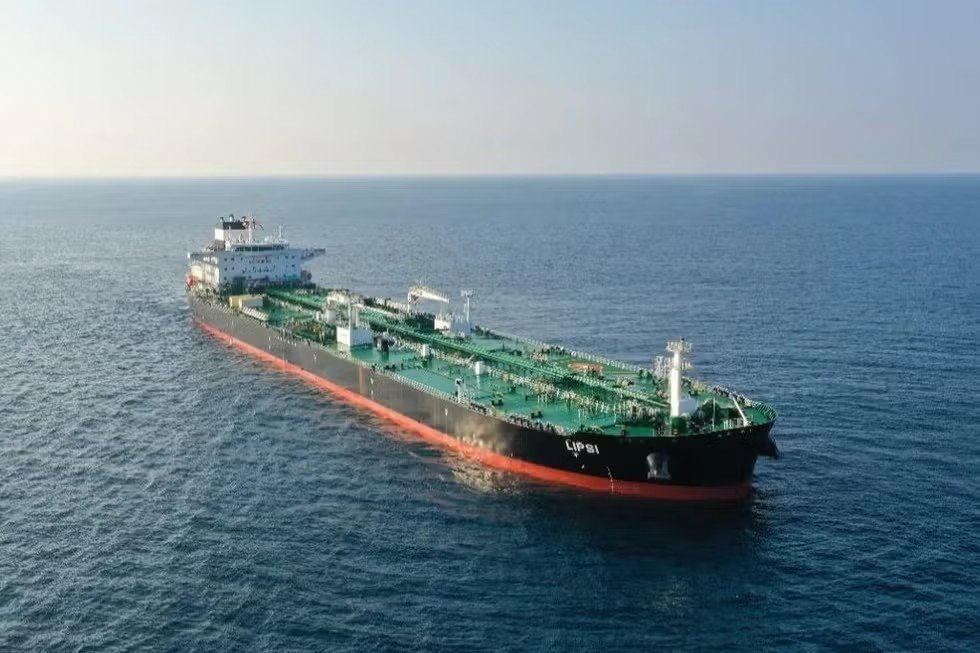
Six-week-old Dynacom tanker hit and damaged in latest Hormuz attack - TradeWinds
Tanker operated from Greece and owned by a Chinese lease financier suffers engine-room damage as shipowners are warned over Gulf risks
@JavierBlas A 26x explosion in charter rates ($50k to $1.3M/day) isn't a normal market cycle-it's total logistical friction.
When shipping vectors lock up, transport costs completely override the raw barrel price.
@JavierBlas Geopolitical kinetic action right along key transit and extraction corridors always hits the market risk premium instantly. Physical security is the ultimate supply chain variable.
@MarioNawfal A 160% spike before winter even hits is a classic storage injection failure.
When structural supply lines get choked off, the market prices in scarcity long before the first freeze.
@BullTheoryio When a critical maritime chokepoint like the Strait of Hormuz gets choked off like this, insurance rates and logistical friction spike instantly. Pure supply chain shock.
@IranObserver0 Nine tankers down in a week isn't just a shipping risk, it's a chokepoint paralysis.
When the maritime logistics corridor closes, physical barrels can't move regardless of global reserves.
Supply chain mechanics dictate the price now!
@RT_com This is why energy markets price in structural volatility. Processing infrastructure is hard to patch quickly when physical security lines are tested.
@great_martis Spot on analysis. The energy system doesn't run on crude-it runs on refined products. When the "factory" (refinery) output for diesel/jet fuel can't meet demand, the price isn't a market signal; it's a systemic constraint.