🐟#HighlyCited paper from #Fishes!
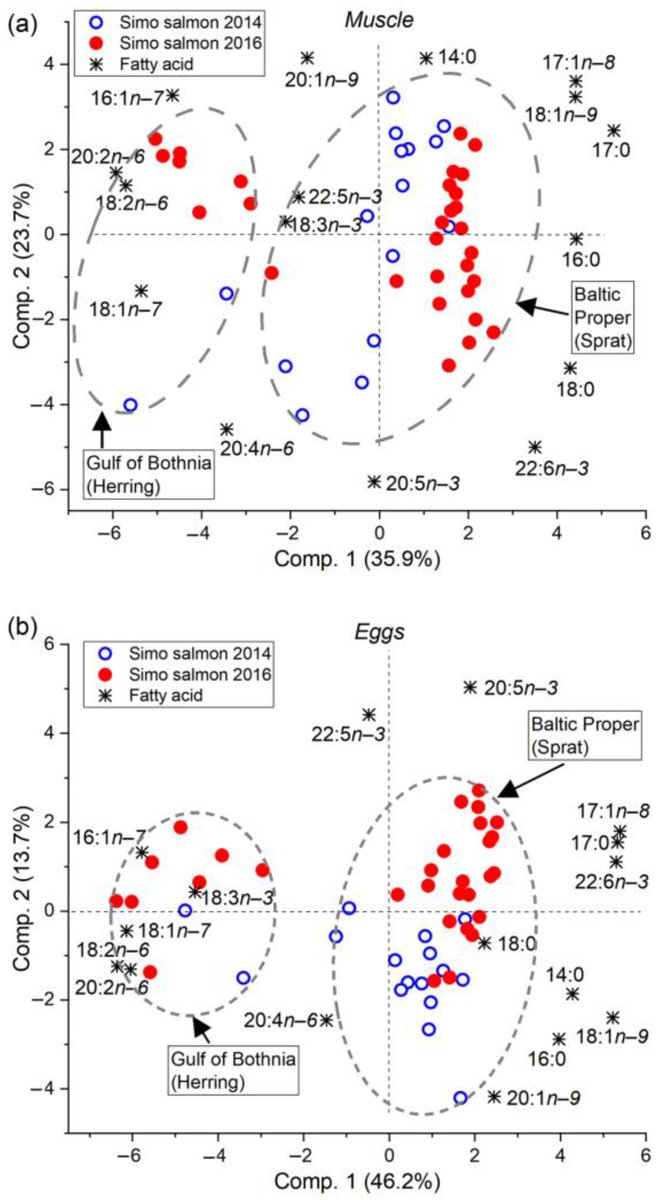
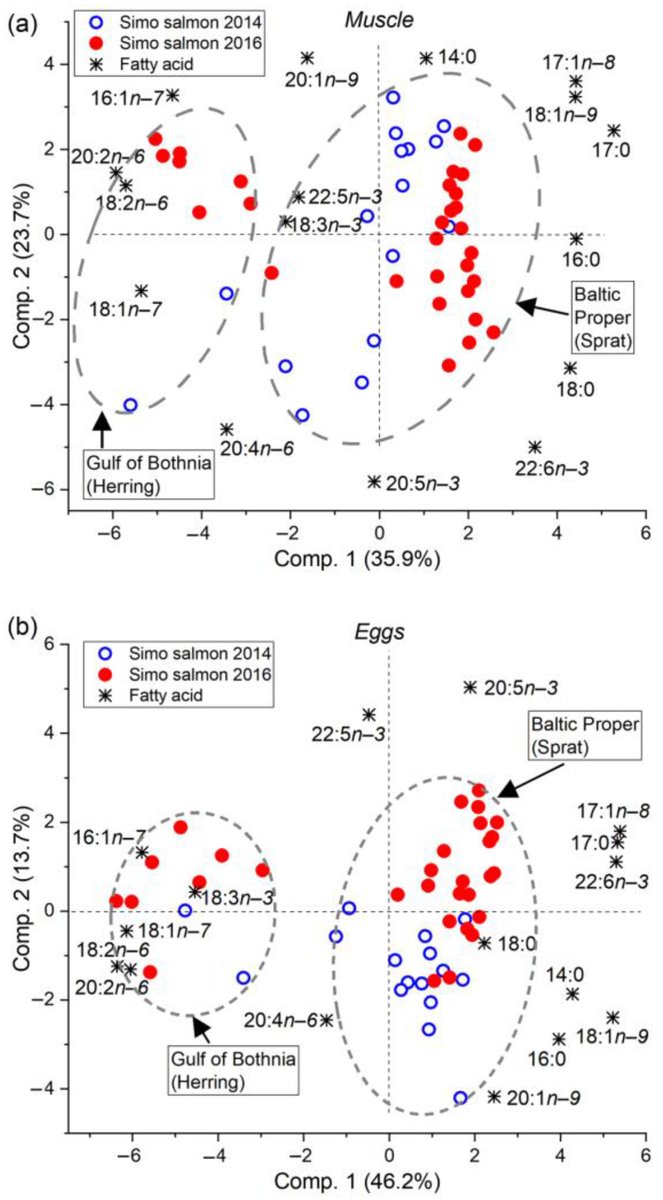
📘Thiamine Deficiency M74 Developed in Salmon (Salmo salar) Stocks in Two Baltic Sea Areas after the Hatching of Large Year-Classes of Two Clupeid Species—Detected by Fatty Acid Signature Analysis
❣️Read more:
https://t.co/LlW2MBAtq4
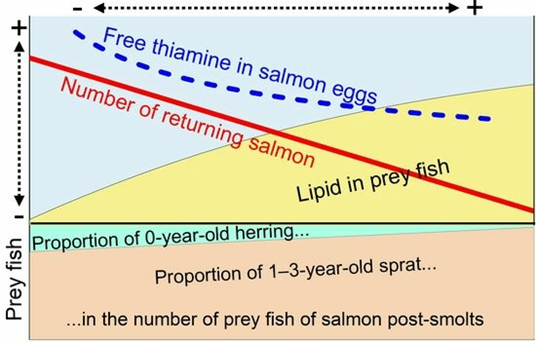
High Lipid Content of Prey Fish and n−3 PUFA Peroxidation Impair the Thiamine Status of Feeding-Migrating Atlantic Salmon (Salmo salar) and Is Reflected in Hepatic Biochemical Indices
https://t.co/9M3rJqnBZ3
@EO_Nutrition The lipid peroxidation of n–3 PUFAs produces toxic malondialdehyde. Thiamine deficiency develops because thiamine acts as an antioxidant against lipid peroxidation and is destroyed in these reactions.
https://t.co/m02hkzkjrF
@EO_Nutrition Consumption of marine fish rich in n–3 PUFAs causes thiamine deficiency and reduces the survival of young salmon and thus the number of salmon returning to rivers to spawn.
https://t.co/GfAN5BxAJi
🐟#HighlyCited paper in #Fishes!
Thiamine Deficiency M74 Developed in #Salmon (Salmo salar) Stocks in Two Baltic Sea Areas after the Hatching of Large Year-Classes of Two Clupeid Species—Detected by #FattyAcid Signature Analysis
👉https://t.co/xVInwJPOsX
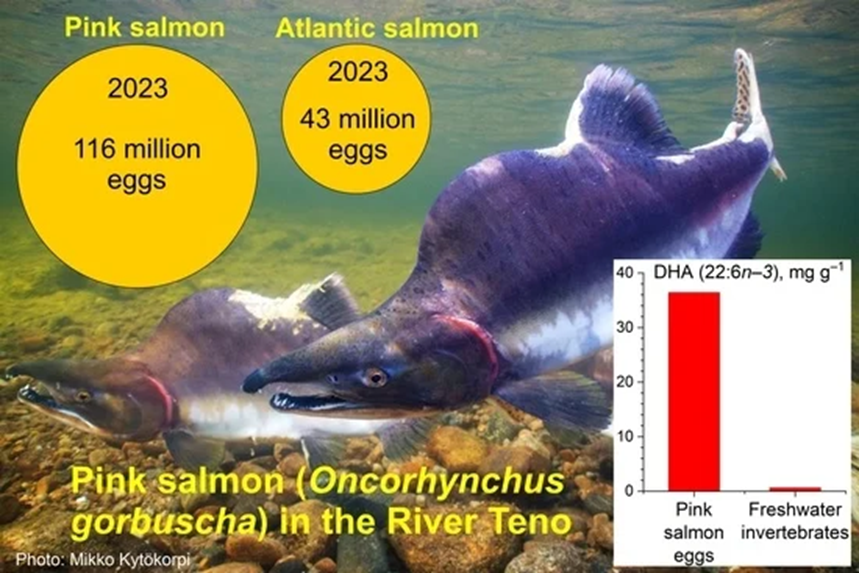
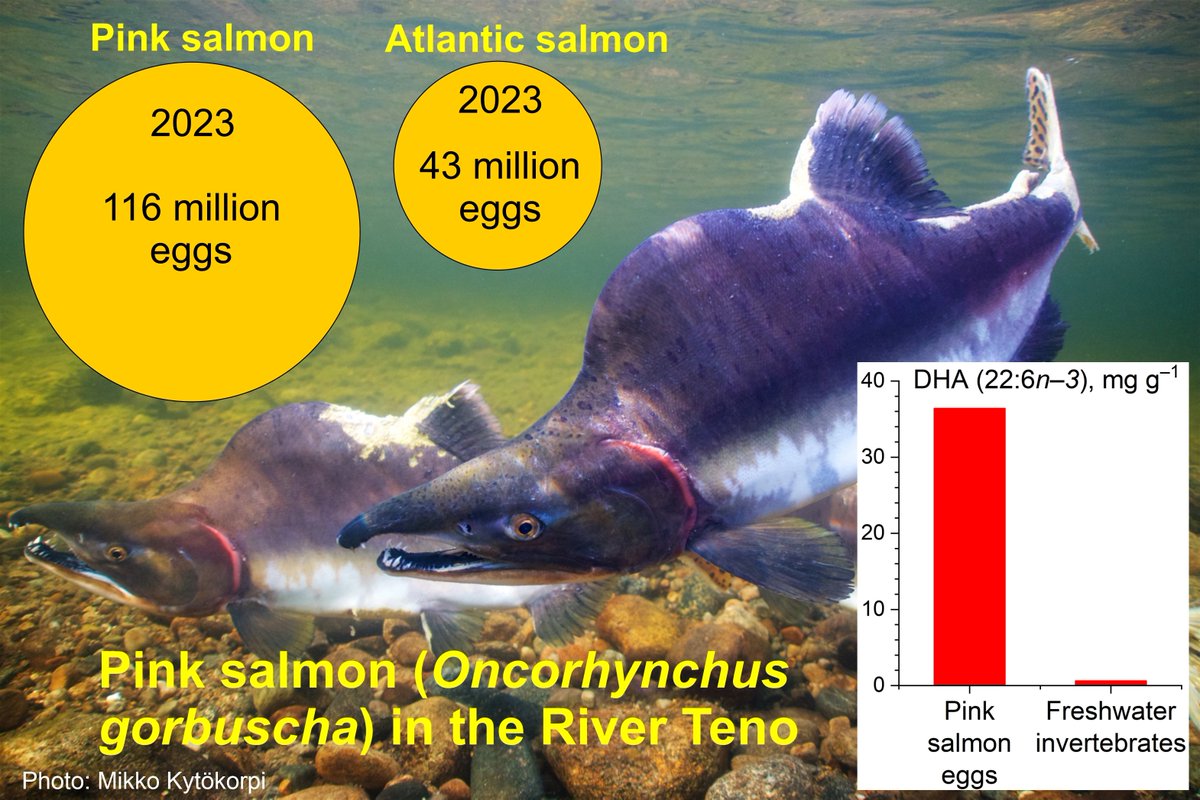
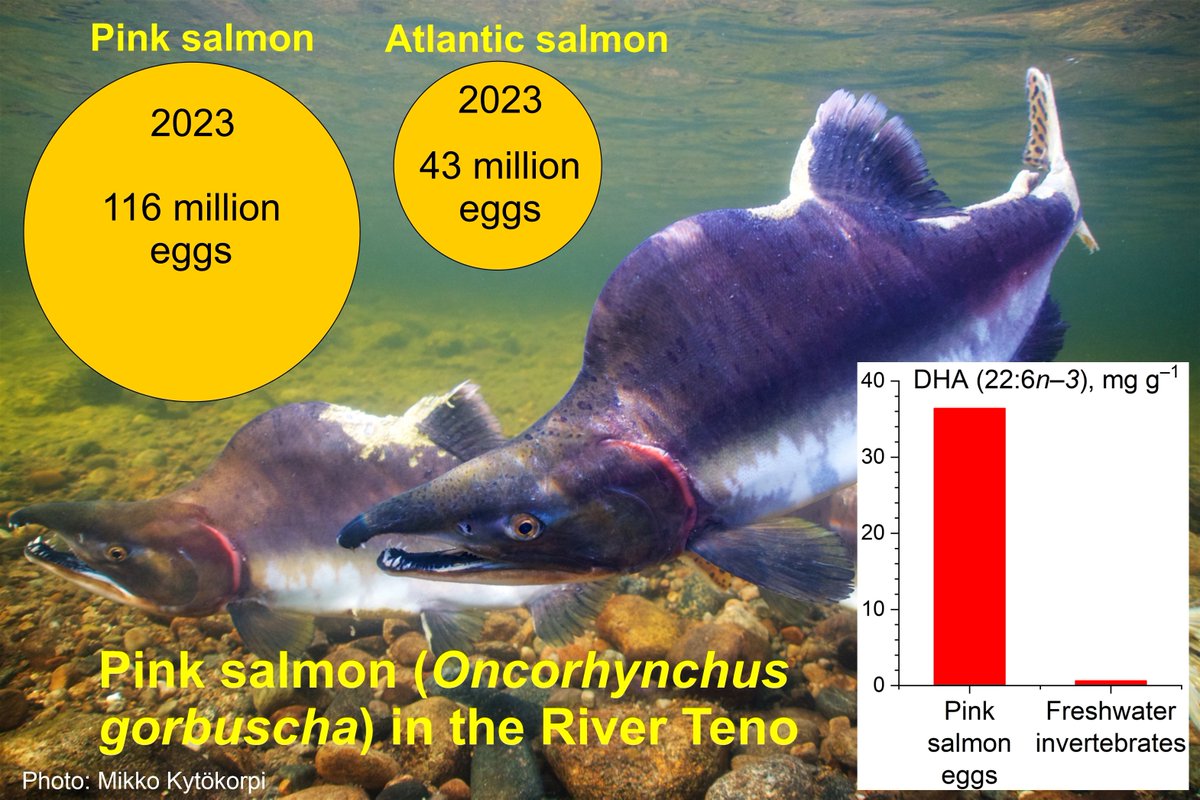
Development in abundance and distribution of the invasive pink salmon in the River Teno/Tana catchment in northern Finland and Norway.
https://t.co/RQbDyWQ0MP
🐟#HighlyViewed paper in #Fishes!
Thiamine Deficiency M74 Developed in Salmon (Salmo salar) Stocks in Two Baltic Sea Areas after the Hatching of Large Year-Classes of Two Clupeid Species—Detected by Fatty Acid Signature Analysis
👉https://t.co/xVInwJPOsX
Selkärangattomat ovat sopivampaa ruokaa Tenojoen lohenpoikasille kuin kyttyrälohen munat ja poikaset, joissa on liikaa merellisiä rasvahappoja
https://t.co/mLwrggGJkR
How May the Increase in Pink Salmon (Oncorhynchus gorbucsha) Cause the Populations of the Atlantic Salmon (Salmo salar) to Decline? https://t.co/iQjftmnC7i
#mdpifishes@Fishes_MDPI
Invertebrates are a more suitable food for Atlantic salmon parr and smolts than large quantities of pink salmon eggs and offspring, which contain excessive marine fatty acids
https://t.co/mLwrggGJkR
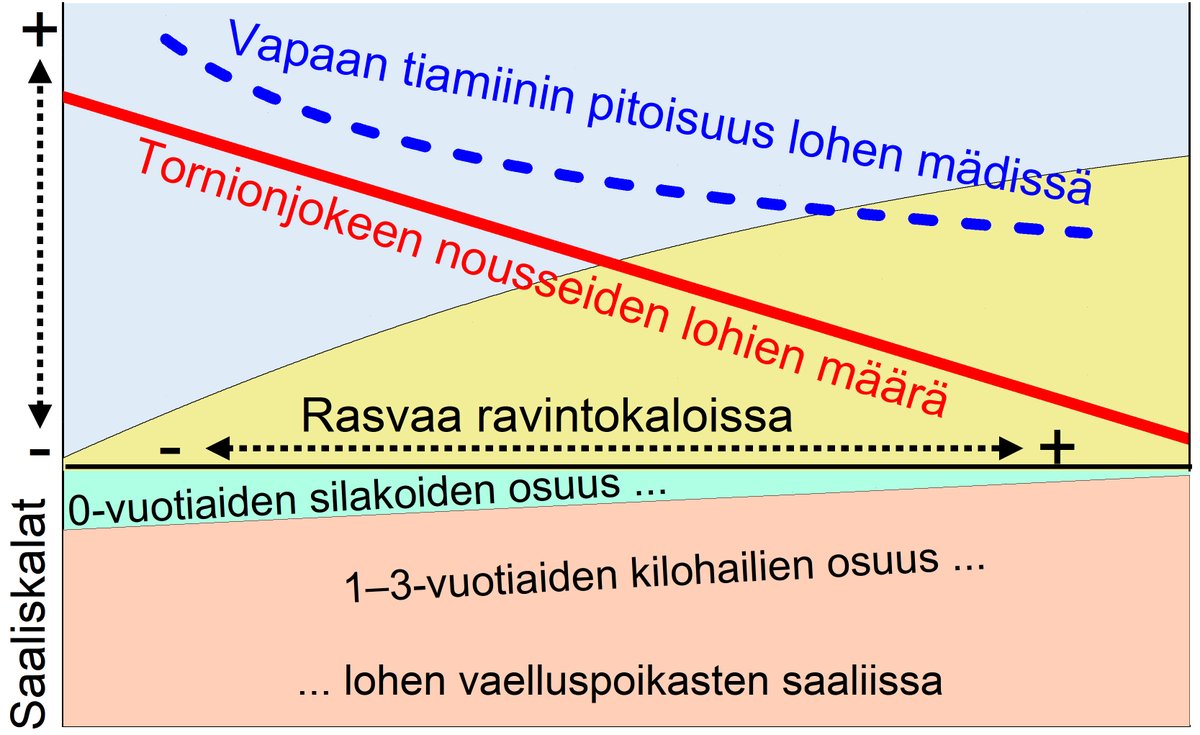
Syy Tornionjokeen ja Simojokeen nousevien lohien määrän romahtamiseen vuonna 2023 on nuorten lohien liian rasvainen kalaravinto meressä: liian vähän pieniä silakoita ja liikaa kilohaileja heikentää nuorten lohien selviytymistä eteläisessä Itämeressä
https://t.co/USm9z7c0gP