My co-authors and I are excited and honored to be selected for the 2023 @GSAQGG Kirk Bryan Award! Huge huge thank you to Dr Thom Davis and the other letter writers for their nomination!
https://t.co/KHqQaaVBKz
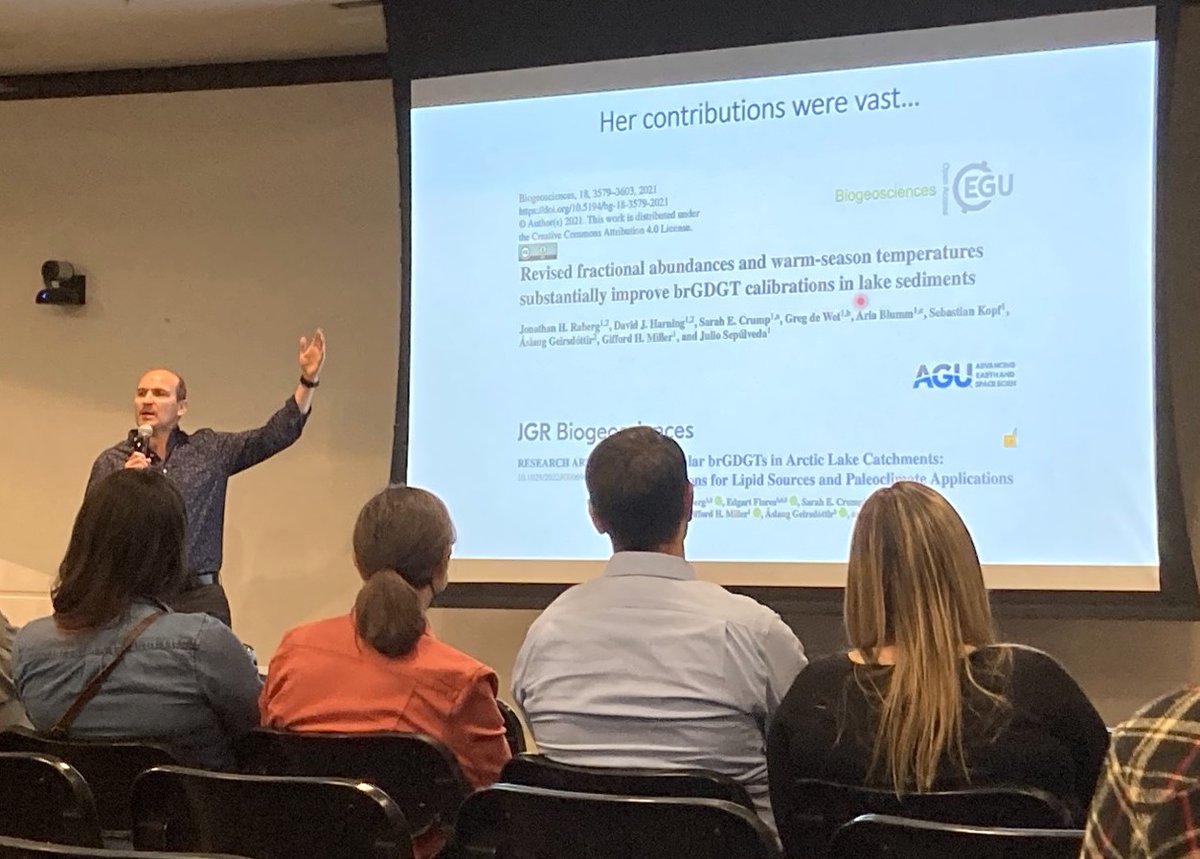
A few moments from the celebration of Sarah Crump's scientific legacy today. Speakers described the joy and support she brought to all alongside her brilliant, collaborative, creative science. We're the better for her and are inspired to carry that forward.
Are you in Boulder, CO on May 10th at 10am? Join us in celebrating the scientific legacy of @sarahecrump and supporting the Sarah Crump Graduate Fellowship. Sarah was a passionate and intrepid Arctic researcher who will continue to inspire! https://t.co/Ydq5SrgxBX
@sarahecrump You are a force of nature, an inspiring scientist and you continually inspire myself and everyone around you to be the best they can be! I am forever grateful to know you :)
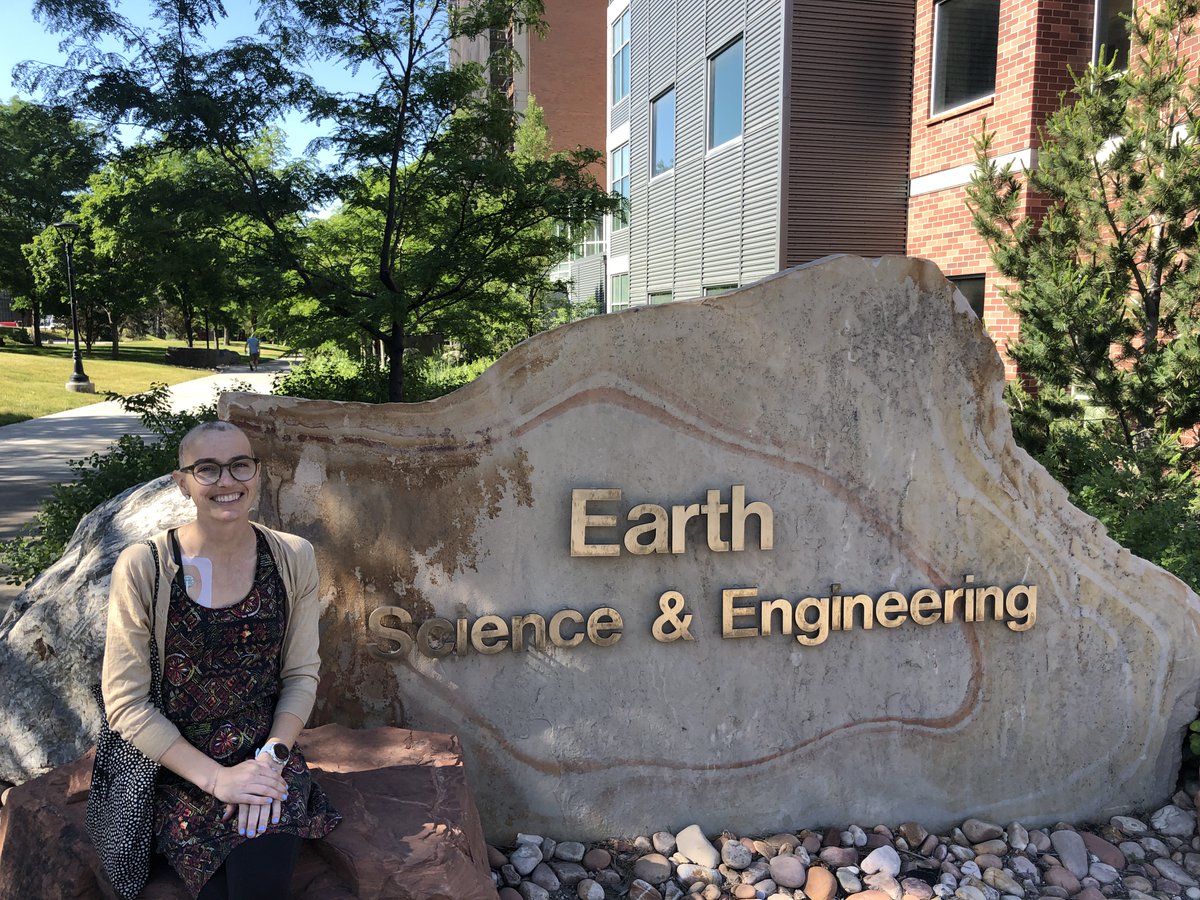
I was diagnosed with cancer in April. Unfortunately, chemotherapy, radiation, and immunotherapy couldn’t tame this, and my medical team is now focused on keeping me comfortable while I spend the last chapter of my life with my partner, family, and friends. 1/4
In a few days, I’ll officially start my dream job as an asst prof @UofUGG . I *should* then be prepping for summer fieldwork in the Nevada drylands & the Canadian Arctic to kickstart my research program. Unfortunately, 2022 has thrown some serious wrenches into my plans. (1/n)
How cool to hear grad school friend @EmilyFairfax on NPR talking beavers and fire in CO! Beavers can teach researchers a thing or two about improving wildfire resistance https://t.co/Fq1clvJ09R
A new #WHOI study published this week in @CommsEarth is analyzing the potential of Hudson Valley glacial floods to drive abrupt climate change. Read the full study here. https://t.co/qfsBcPH7fY
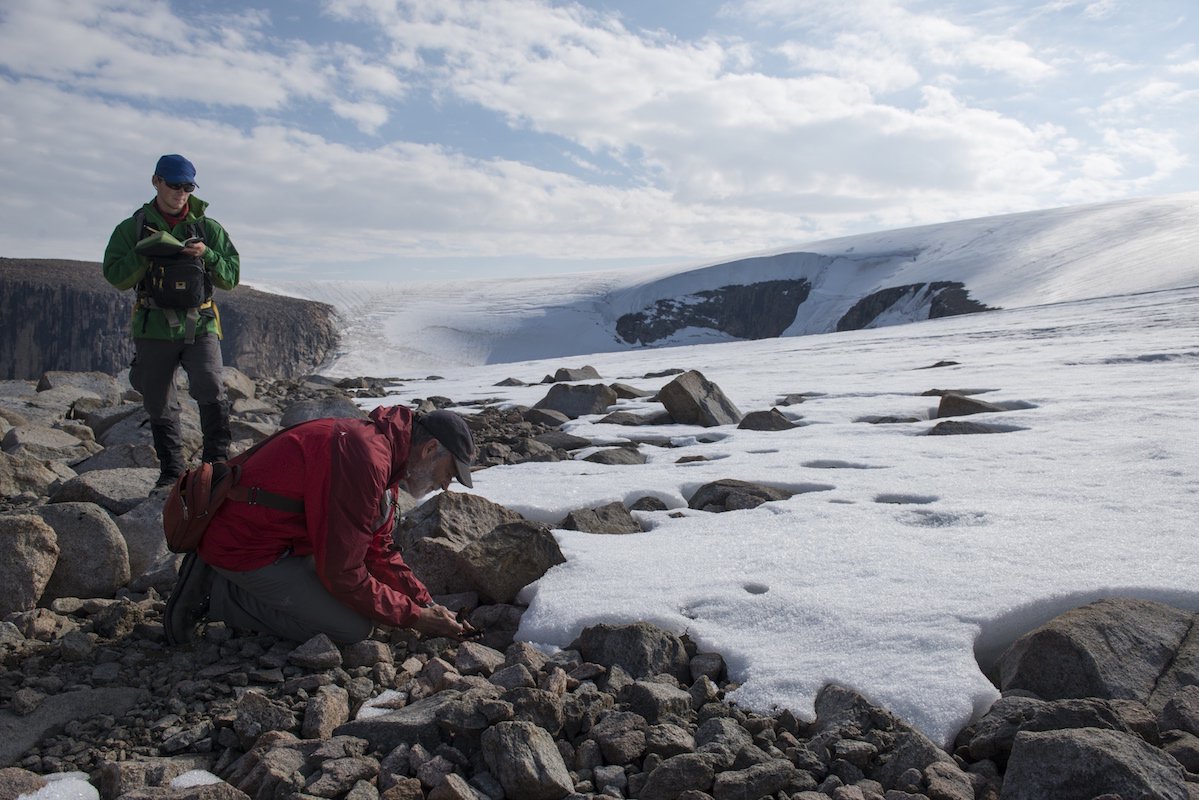
A landscape unseen in over 40,000 years - https://t.co/aDaw34ixYW. Just-published study looks at plants collected at edges of #Arctic ice caps; results suggest this century's summer warmth exceeds any in ~115,000 yrs. #openaccess#OA#climatechange
Great writeup in @NatGeo of our new @NatureComms paper (led by Simon Pendleton and other @INSTAAR folks) by @alealebee: Retreating Arctic glaciers are exposing mosses "that haven’t seen the light of day for at least 40,000 years."
https://t.co/ZFFLoqVnzE