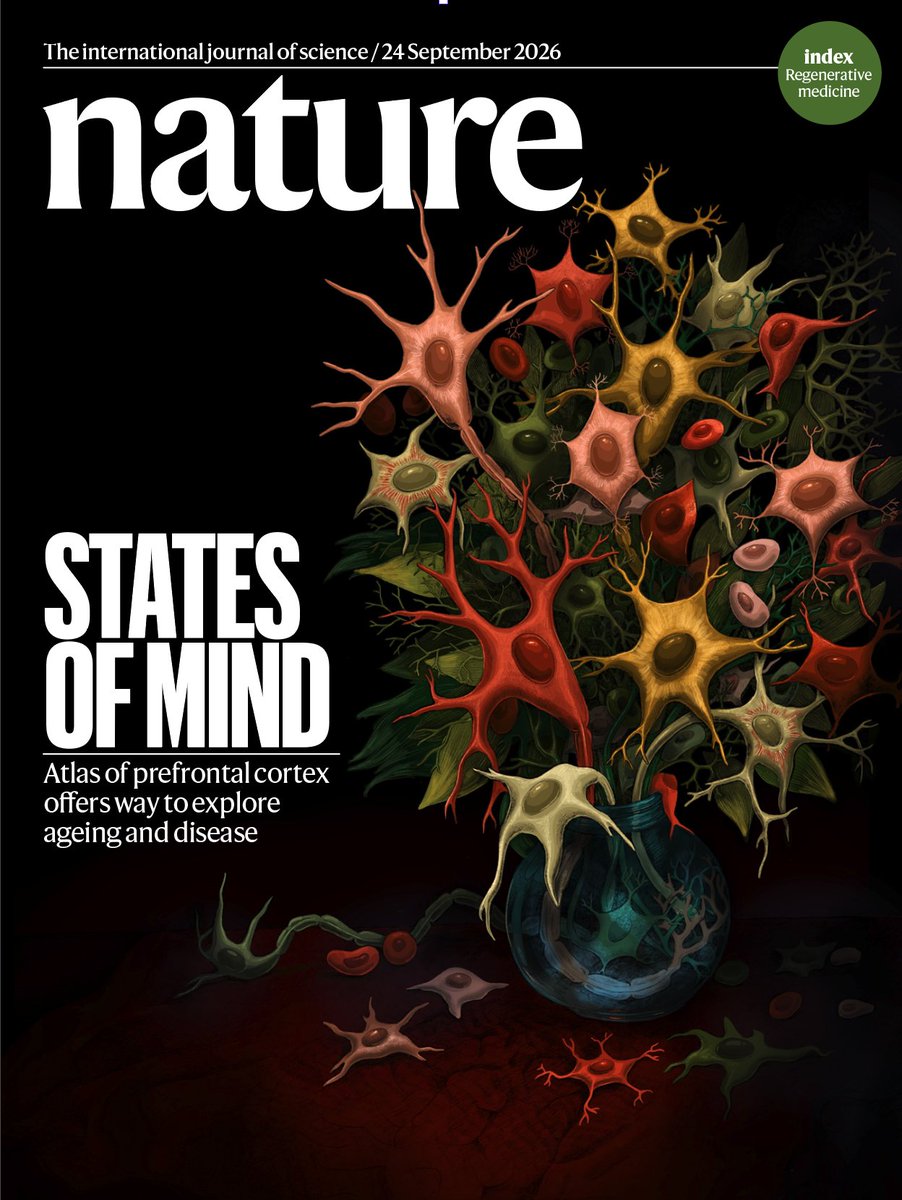
Today we're publishing nine #PsychAD papers across @NaturePortfolio journals, mapping 6.3M+ brain cells to study aging, disease, genetic regulation and new computational methods. Explore the PsychAD collection: https://t.co/ztlMTF1mkg Learn more: https://t.co/rKxEXip3Nd
Thrilled to share our new study out today in Nature Genetics: the most detailed map yet of the brain's own immune cells in aging and Alzheimer's disease — including a subtype that appears to protect the brain as the disease advances. 🧵
Excited to share #AlphaGenome, a start of our AlphaGenome named journey to decipher the regulatory genome! The model matches or exceeds top-performing external models on 24 out of 26 variant evaluations, across a wide range of biological modalities.1/6
🎉 Excited to announce preprints from the first #PsychAD package! Check out details of our work at https://t.co/BhkOaqATQV
🧵 Found out summary of papers below👇
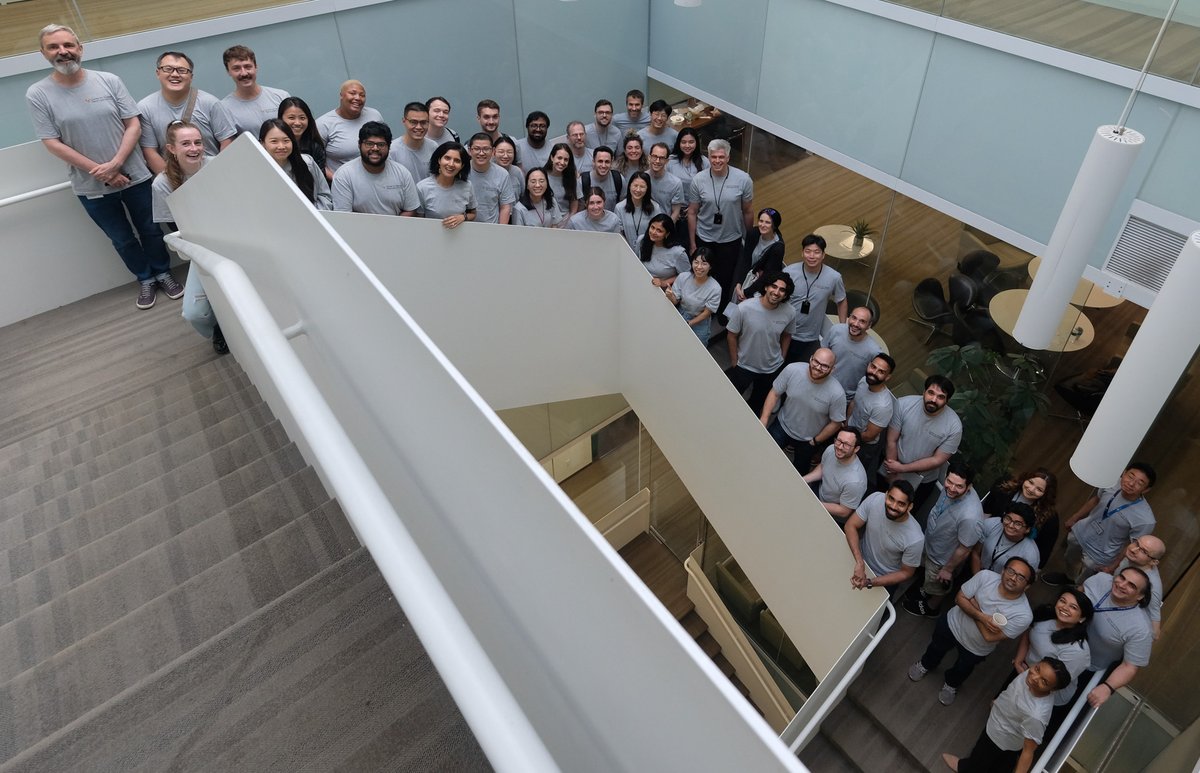
The Center for Disease Neurogenomics (CDN) had a successful retreat day. The year 2024 marked the 10-year anniversary of the lab, and we have grown to 67 members. #CDN#retreat
Please check out the preprint of our lab's new single-cell software, Dreamlet, a faster, memory-efficient statistical model for large-scale single-cell differential expression analysis.
Our new software dreamlet scales differential expression analysis for single cell data: https://t.co/wczjezkTvG Checkout the R package: https://t.co/PBDCY3T0gY
Excited to share our recent preprint with multi-regional RNAseq and ATACseq profilings to explore the differences among brain regions and better understand disease heritability. @panos_roussos @LabRoussos https://t.co/diBOvkZXsA.
Thrilled to share our study in @NatureGenet on population-level analysis of transcribed enhancers. Thanks to my colleagues at @LabRoussos and reviewers for helping to improve it. https://t.co/QYmQ2Sx8m2
We found a promoter co-accessibility module that is robustly associated with the common variants of ASD, BD, and SCZ. More importantly, the enrichment is independent of reported cell type-specific gene expression and annotated schizophrenia-susceptible pathways.
We identified an enhancer chromatin co-accessibility that exhibits a >50 times per SNP heritability than the baseline model for SCZ common risk variants, and the genes are strongly associated with different subclasses of SCZ susceptible pathways.