Given black-box access to a Transformer's output, can we efficiently recover its parameters?
We analyse the learnability of attention-based models with query access in our new work. Accepted at #ICML2026 🎉
Work done with @shahkulin98, @mhahn29 and Varun Kanade.
🧵
Can syntax begin to emerge from speech alone?
In our new paper, we show that unsupervised neural networks trained only on individual spoken words can spontaneously generate two- and even three-word sequences — without ever seeing multi-word examples during training.
We call this phenomenon spontaneous concatenation. It can help model an early step in both language acquisition and the evolution of syntax.
We also propose a possible neural mechanism behind this behavior: disinhibition, which offers a pathway from raw speech representations toward compositional structure.
Using AI interpretability techniques, we can begin to identify neural mechanisms behind operations that resemble basic symbolic processes such as concatenation — a precursor to operations like Merge.
Now out in TiCS: "Whither symbols?"
Neural networks can now do many things long thought to require symbols. What does this mean for the role of symbols in CogSci? Read the paper for our answer!
Will be presenting this at the Latent & Implicit Thinking Workshop (https://t.co/8cytLakurb) at #ICLR2026 Come by our poster! Always happy to chat :)
New work! Introduces a parallel RASP variant highly suited for SIMD architectures. I implement a VM bytecode and lower a heapless array language onto it, demonstrating significant speedups over serial evaluation on a massive multitenancy benchmark with millions of concurrent VMs.
I will be presenting this paper at ICLR next week! 🇧🇷
Come chat about Kolmogorov complexity, the MDL principle, and what this all means for training better models! 🧵
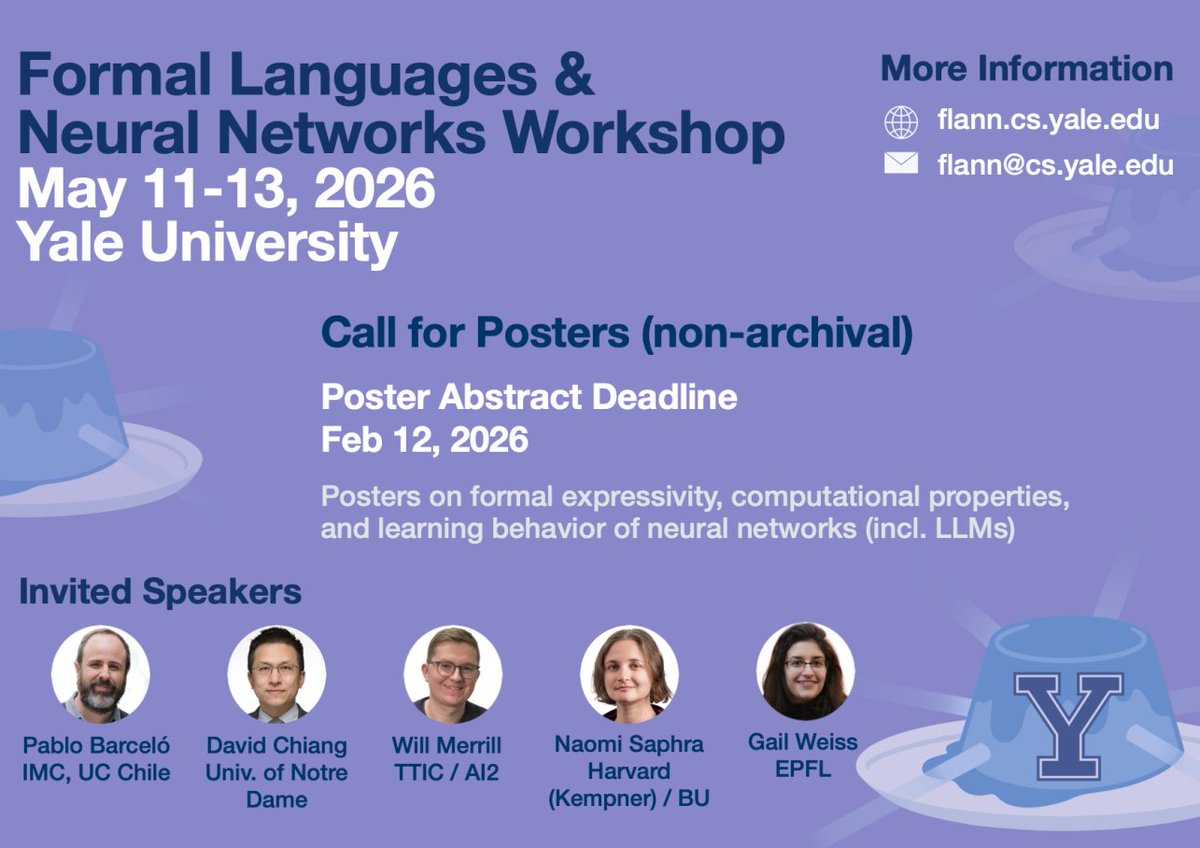
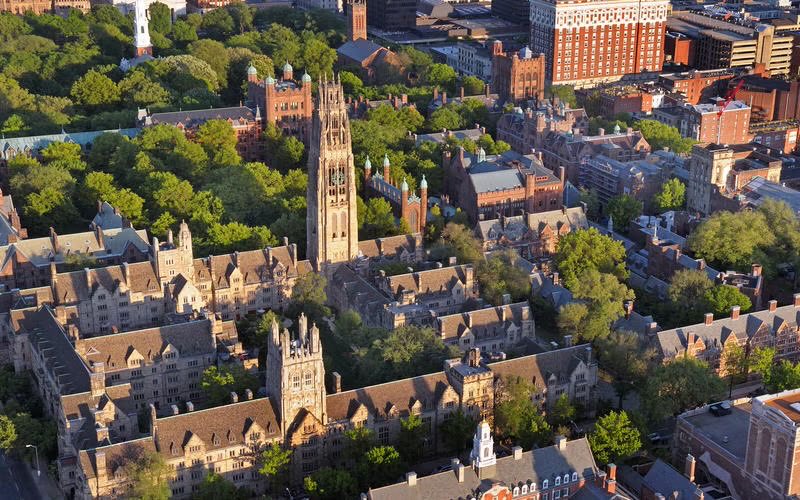
📣 FLaNN 2026 at Yale 🍮
Invited talks+posters (non-archival): expressivity, computation, and learning in neural nets/LLMs
Speakers: Pablo Barceló, David Chiang, Will Merrill, Naomi Saphra, Gail Weiss
Abstracts due Feb 12, 2026
Details: https://t.co/AzgF1TMyOS
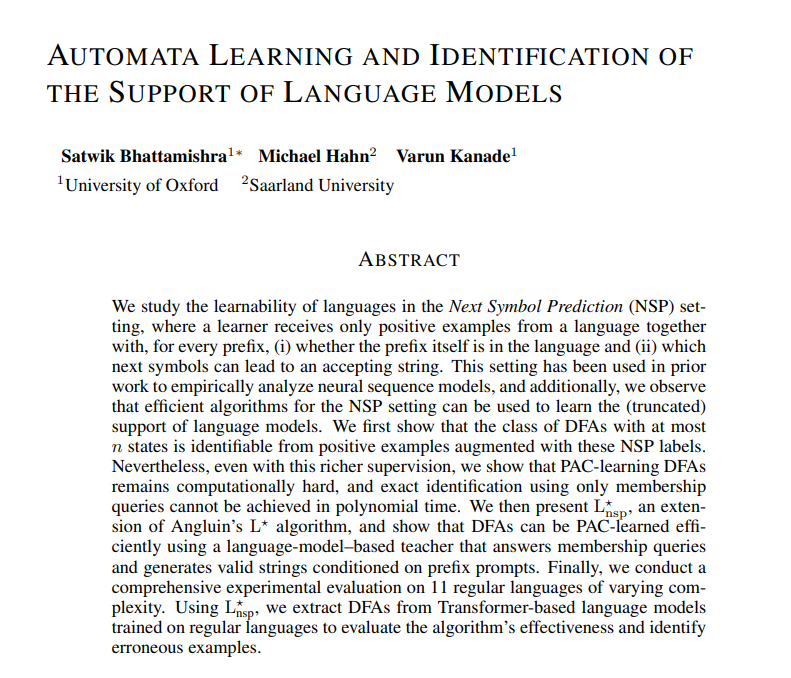
Given access to a language model, can we extract an interpretable object like a DFA that captures which strings a language model is likely to generate?
Our new work on automata learning theory studies this question. To be presented at ##ICLR2026 🎉
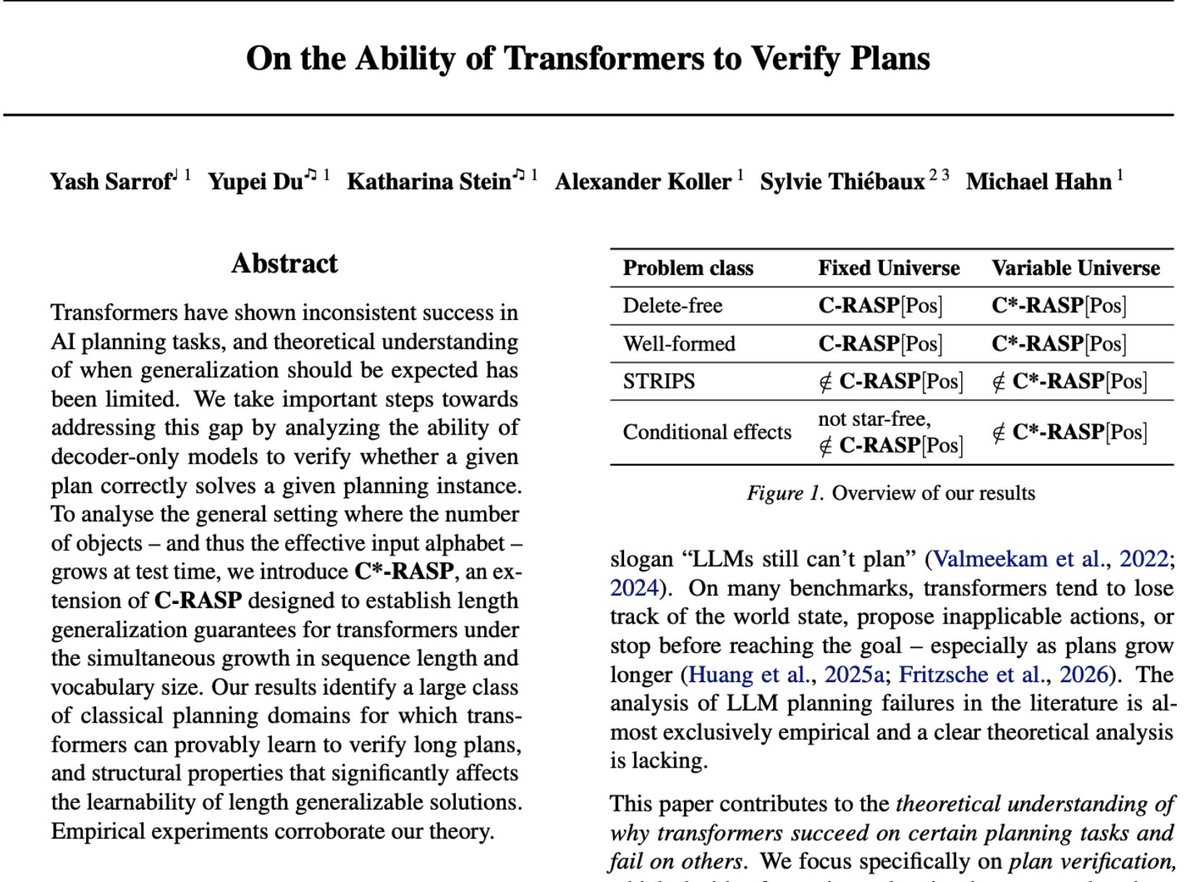
Most work on Transformer length generalization assumes a fixed vocabulary. But in real tasks, longer inputs may have new symbols (e.g. more objects in planning). Our new paper introduces C-RASP* to study this and explains the inconsistent performance of Transformers in planning.
A reminder to register for the FLaNN workshop!
The financial support application is now open to all attendees, not limited to graduate students.
Find the registration and financial support forms here: https://t.co/FRJlkLr4oH
See you there!
📣 FLaNN 2026 at Yale 🍮
Invited talks+posters (non-archival): expressivity, computation, and learning in neural nets/LLMs
Speakers: Pablo Barceló, David Chiang, Will Merrill, Naomi Saphra, Gail Weiss
Abstracts due Feb 12, 2026
Details: https://t.co/AzgF1TMyOS
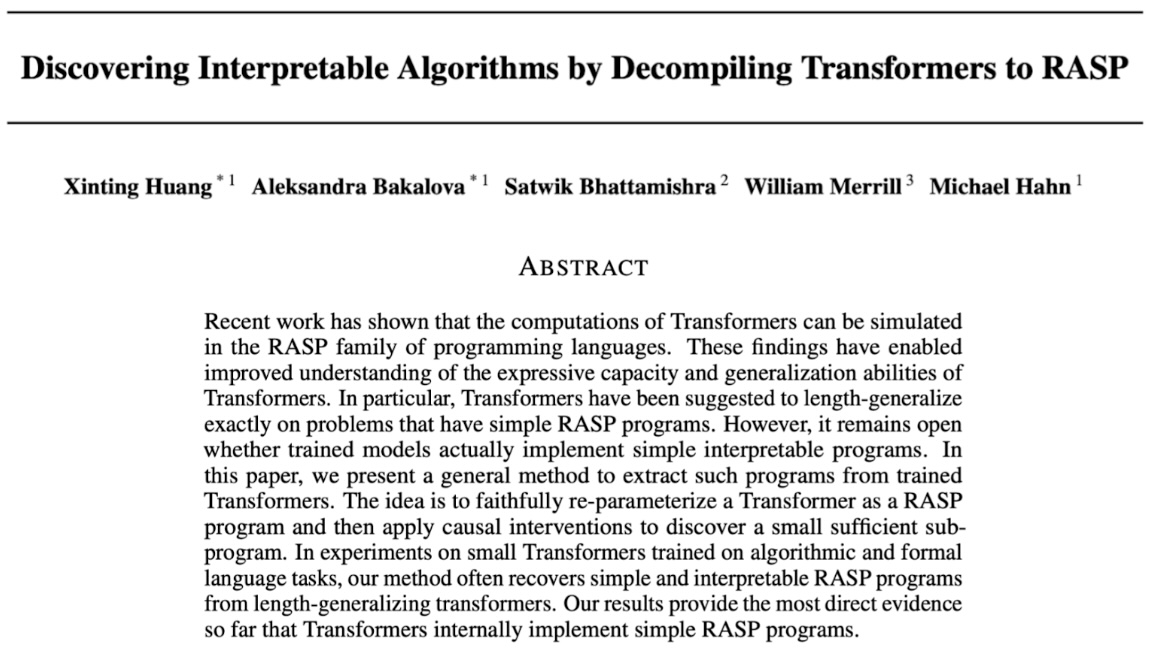
Can we rewrite Transformers as a human-readable code?
In this paper, we decompile Transformers trained on algorithmic and formal language tasks into D-RASP – a programming language that mirrors Transformer architecture. 🧵
The FLaNN Workshop submission deadline has been extended to Feb 19!
Invited talks + posters (non-archival): expressivity, computation, and learning in neural nets/LLMs. Previous work welcome. Graduate students encouraged to submit!
📍 Yale University
🗓️ May 11-13, 2026
📣 FLaNN 2026 at Yale 🍮
Invited talks+posters (non-archival): expressivity, computation, and learning in neural nets/LLMs
Speakers: Pablo Barceló, David Chiang, Will Merrill, Naomi Saphra, Gail Weiss
Abstracts due Feb 12, 2026
Details: https://t.co/AzgF1TMyOS
We welcome posters on the formal expressivity, computational properties, and learning behavior of neural nets (incl. LLMs). Graduate students are especially encouraged to submit!
Contact: [email protected]
📣 FLaNN 2026 at Yale 🍮
Invited talks+posters (non-archival): expressivity, computation, and learning in neural nets/LLMs
Speakers: Pablo Barceló, David Chiang, Will Merrill, Naomi Saphra, Gail Weiss
Abstracts due Feb 12, 2026
Details: https://t.co/AzgF1TMyOS
Inviting submissions to the first Workshop on Formal Languages and Neural Networks!
We welcome posters dicussing the formal expressivity, computational properties, and learning behavior of neural networks!
Call for posters: https://t.co/tSof6AiXlR
Deadline: February 12, 2026
Announcing the first Workshop on Formal Languages and Neural Networks (FLaNN) 🍮!
We invite the submission of abstracts for posters that discuss the formal expressivity, computational properties, and learning behavior of neural network models, including large language models.