Tears For Fears legend Curt Smith and his daughter, Diva, singing an acoustic version of his band’s classic track ‘Mad World’. Now that’s Daddy Daughter connection!
Settled in for an evening of browsing the internet like it's the 90's on NexSTEP OS machine. Searching around to find old http sites still running.
I thought this was quite apt: Tim Berners-Lee's first World Wide Web page, that was hosted on a NeXT Computer.
I'm Geeking Out 🤓
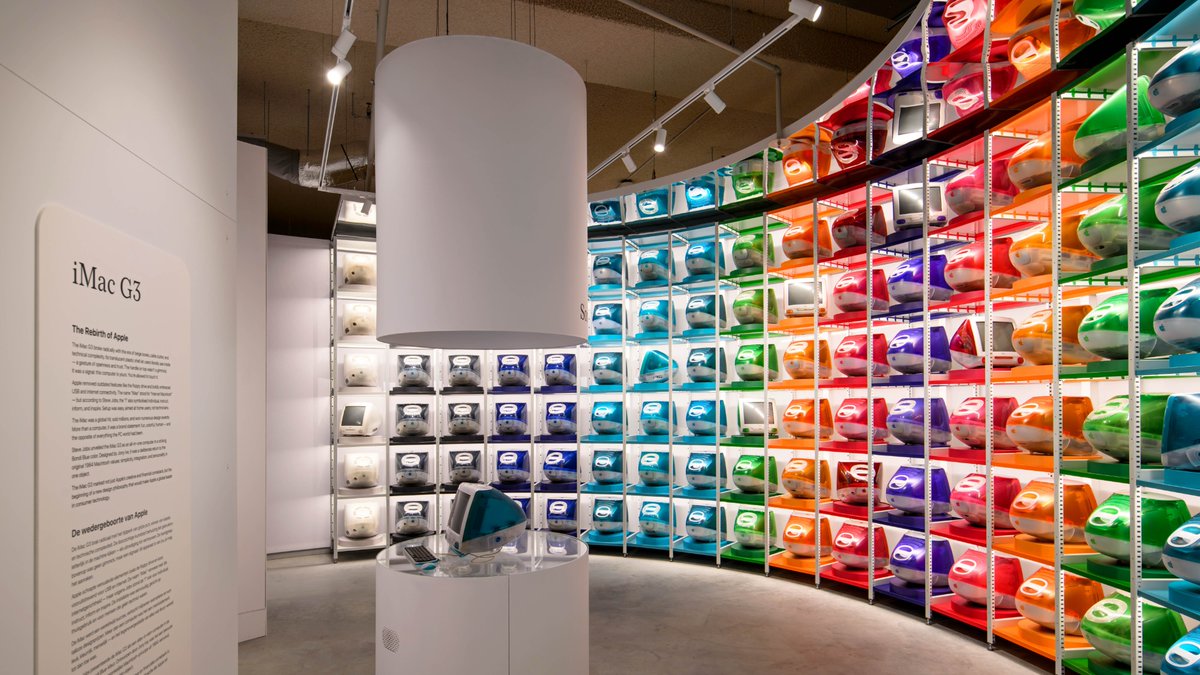
Happy 25th Birthday OS X!🥳🎉
At exactly midnight on March 24, 2001, Apple released Mac OS X 10.0 (Cheetah) in retail stores
What followed became history, and to this day I consider it the greatest OS ever built
This special day deserved a real party, and everyone showed up🥹
At Vivaldi, we believe you have the right to run whatever software you want on a device you own.
That’s why we’ve co-signed this open letter, together with other 53 organisations, requesting Google to back off on the policy before it enters into force.
https://t.co/2h1BFvDe2I
#Xfce will keep #X11 compatibility for the foreseeable future besides their work on their Xfwl4 #Wayland compositor. That's stated at https://t.co/9ucmmHXSdL and still holds true as verified with some Xfce developers. We're happy to provide an X11 server to run Xfce on. #XLibre
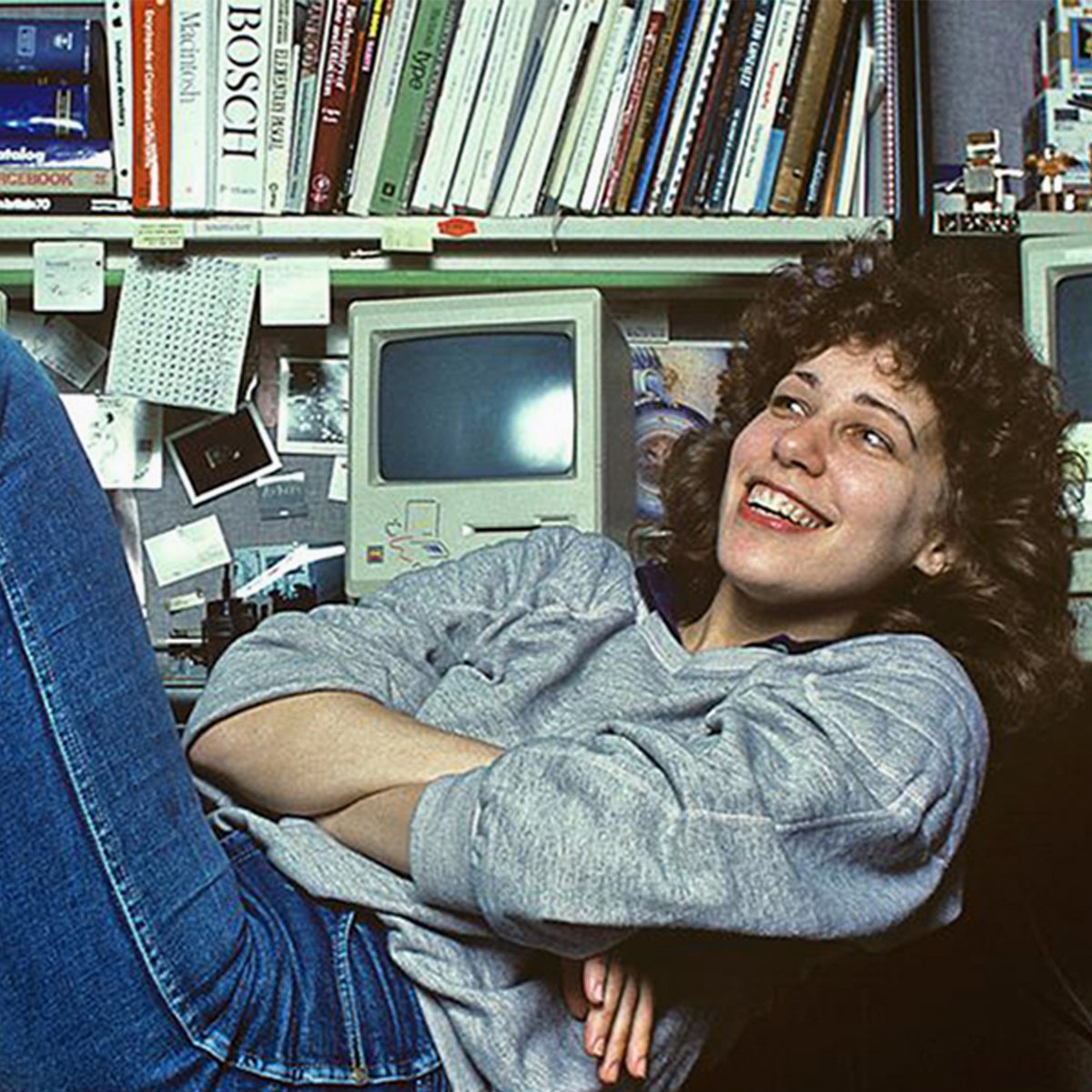
She taught computers how to smile and changed how the world sees technology.
Cupertino, 1983. The Macintosh team was building a personal computer for ordinary people, not engineers. The hardware was revolutionary, but there was a problem: computers still felt cold and intimidating. Green text on black screens. Cryptic commands. No warmth. No welcome. Steve Jobs wanted the Macintosh to feel different approachable, even friendly.Someone suggested Susan Kare.
She wasn’t a programmer. She wasn’t an engineer. She was a sculptor and graphic designer with a fine arts PhD. She had never designed software. Jobs offered her a short-term contract to create a few icons for the new machine.She said yes.
At the time, the Macintosh screen measured just nine inches diagonally, with a resolution of 512 by 342 pixels. Every icon had to fit into a tiny 32-by-32 pixel grid, in black and white. There were no established conventions. No visual language for graphical interfaces. Susan wasn’t refining a system she was inventing one.
She began with graph paper. Each square represented a pixel. She sketched carefully, testing shapes that could communicate meaning instantly. A trash can for deleting files. A folder that resembled the manila folders found in offices. A document that looked like a sheet of paper. A floppy disk for saving work. Visual metaphors rooted in everyday life.
Then she created the smiling Macintosh face—the “Happy Mac.” When users turned on their computer, it greeted them with a https://t.co/VbJ6R3A8Rk was a small detail. It changed everything.
Until then, computers had no personality. Susan gave the Macintosh warmth. She understood that technology adoption isn’t just about power or speed—it’s about comfort. People needed to feel invited, not intimidated.
Her influence extended beyond icons. She designed typefaces for the Macintosh, naming them after cities Chicago, Geneva, Monaco. Chicago became the system font seen by millions for decades. She created the Command key symbol based on a Scandinavian campsite marker so it would feel universal rather than language-specific. She even designed the whimsical “dogcow” graphic in the print dialog box an unnecessary but charming detail that made users smile.
When the Macintosh launched in 1984, its friendliness stood out. The interface felt intuitive because it was built on visual metaphors people already understood. Other companies quickly followed. Microsoft Windows adopted similar icon conventions. The visual vocabulary Susan created became the foundation of modern user interface design.
Decades later, we still use her language. The trash can icon. The folder. The floppy disk symbol for saving long after floppy disks disappeared. Her early pixel sketches shaped the way billions of people interact with technology every day.
Susan went on to design for NeXT, Microsoft, Facebook, Pinterest, and others. In 2015, she received the National Design Award for Lifetime Achievement. Her original Macintosh icon sketches now sit in the Museum of Modern Art.
She proved that design is not decoration it is communication. It bridges complexity and clarity. It transforms tools into companions.
Before Susan Kare, computers were machines.
After Susan Kare, they smiled.And once technology learned to smile, the world was finally ready to embrace it.
( Credit: Martinbutler )
Calibre 9.2 introduces security fixes, ZIP output changes, and multiple bug fixes across the e-book viewer and bookshelf.
https://t.co/2qidErzqm9
#Calibre#Ebooks#OpenSource
https://t.co/7AvnOxhz39
New Show for a new year !!
It’s loosely a soul special … sorta ! As in more than a few soul records in this show …. Hope you like it 😃
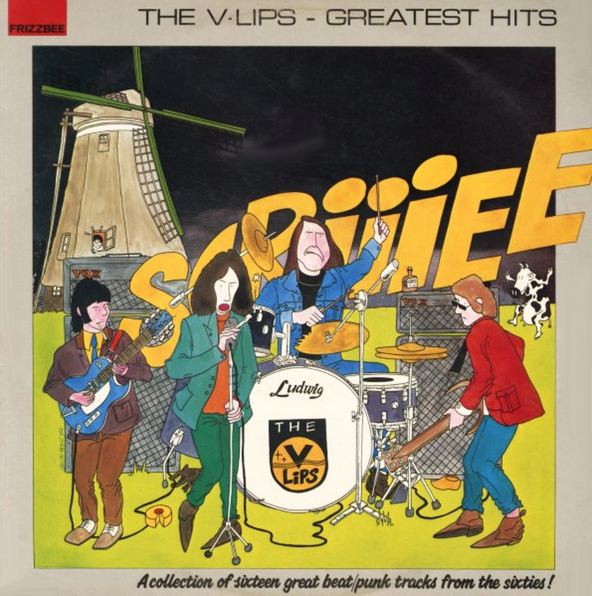
Various – The V-Lips - Greatest Hits (A Collection Of Sixteen Great Beat/Punk Tracks From The Sixties) Album LP Compilation
A Collection of Sixteen Great Dutch 🇳🇱 Beat/Punk Tracks From The Sixties.
Enjoy on sunnyboy66 Youtube channel : https://t.co/WKWgmt9iuG
#SUNNYBOY66#60s