What if you couldn’t afford to have your period? Use our calculator to find out how much time you might miss if you couldn’t access sanitary products: https://t.co/VXW2ZJjp9G
Let's Talk - Period. Feb 2023. Ed. 8 - https://t.co/wxn3rkwdJb
Please visit our primary Twitter page (@scperiodproject) for regular updates and tweets from The Period Project.
Let's Talk.Period (Dec '22, Edition 6) - https://t.co/2f98M0p4Vo
We've moved! To see regularly updated post, please also check us out at SCPeriodProject. Here you will find the latest and most up-to-date information on The Period Project (fka Homeless Period Project).
🗣South Carolina: @WRENetwork has made it easy to support Menstrual Equity. It takes less than a minute to ask your legislator to support Menstrual Equity through The Female Health and Wellness Act, H 3747. https://t.co/He9OxHeZqa @Krystle_SC @GCobbHunter
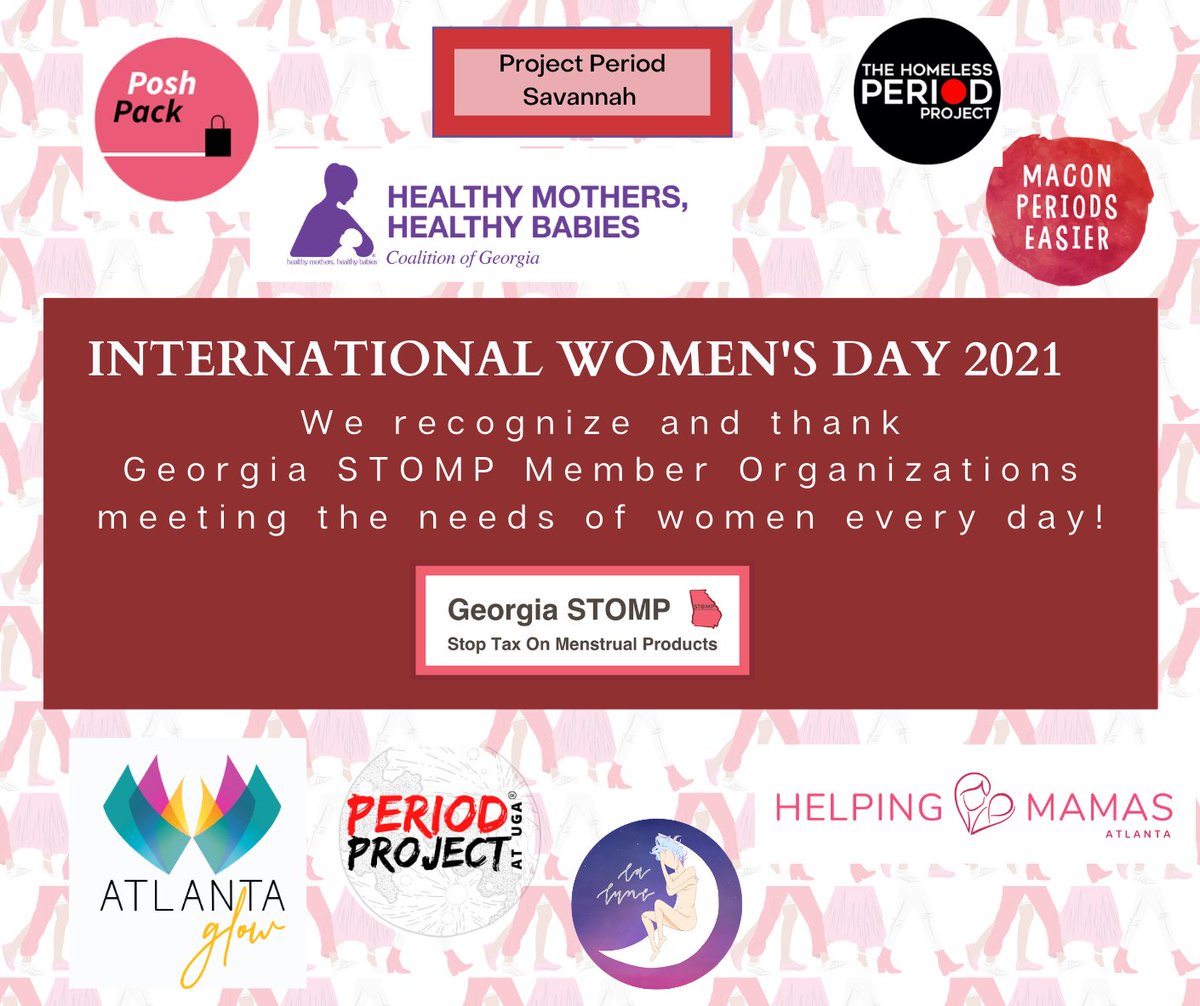
So many fantastic orgs powered by inspiring women on the front lines of period product supply in #Georgia- tagged are just a few! Thanks to @periodprojectsc's #IWD2021 leadership, we #choosetochallenge the status quo and look towards menstrual equity and an end to period poverty.
Since I couldn’t spend #galentinesday with my friends I decided to help ladies in need instead! Thanks to those of y’all who donated we made 150+ period packs for Homeless Period Project to provide homeless women with feminine hygiene products. (Thanks to my husband for helping!)
She received five patents for her household and other personal items creations. One of her inventions is the bathroom tissue holder, which she co-invented with her sister. The patent number was US 4354643, dated October 19, 1882.
BLACK HISTORY FACT
The Sanitary Pad was developed by a black woman called Mary Beatrice Davidson Kenner of Monroe, NC.
Until sanitary pads were created, women used all kinds of reusable fabrics to absorb menstrual flows.
Mary's invention was initially rejected. The first company that showed interest rejected it because of racial discrimination. The world had no choice, her invention was too important to be ignored. It was later accepted in 1956, 30 years later.