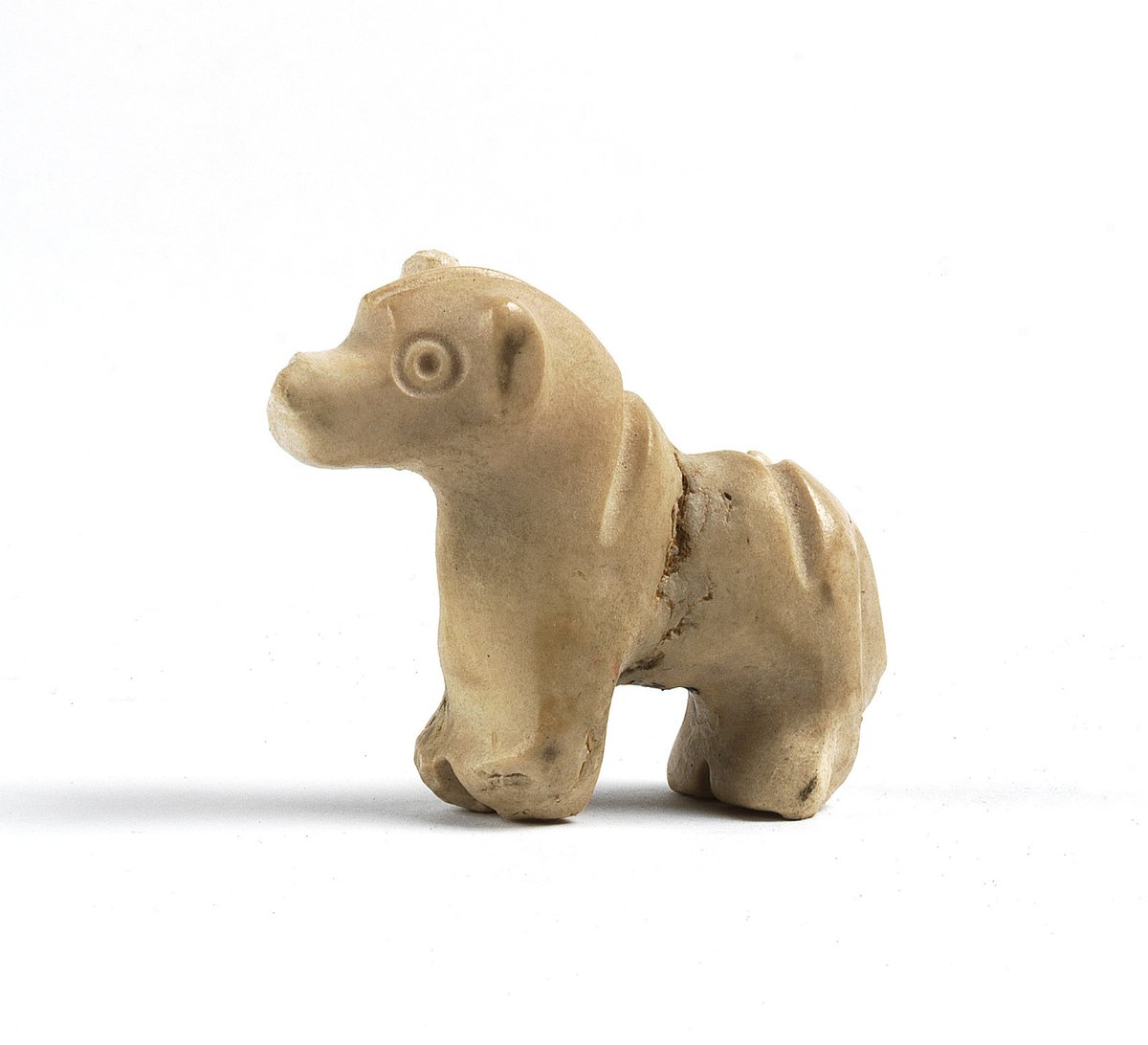
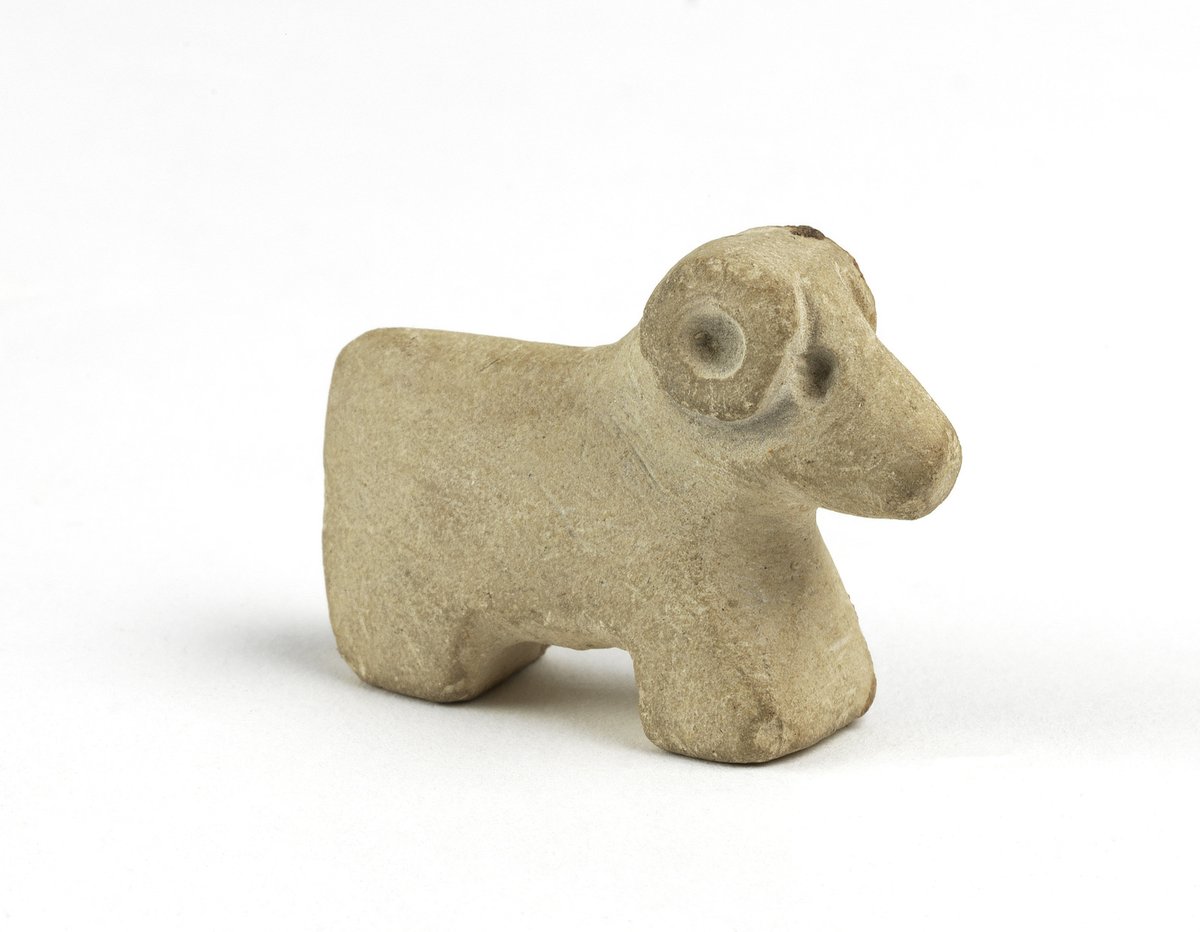
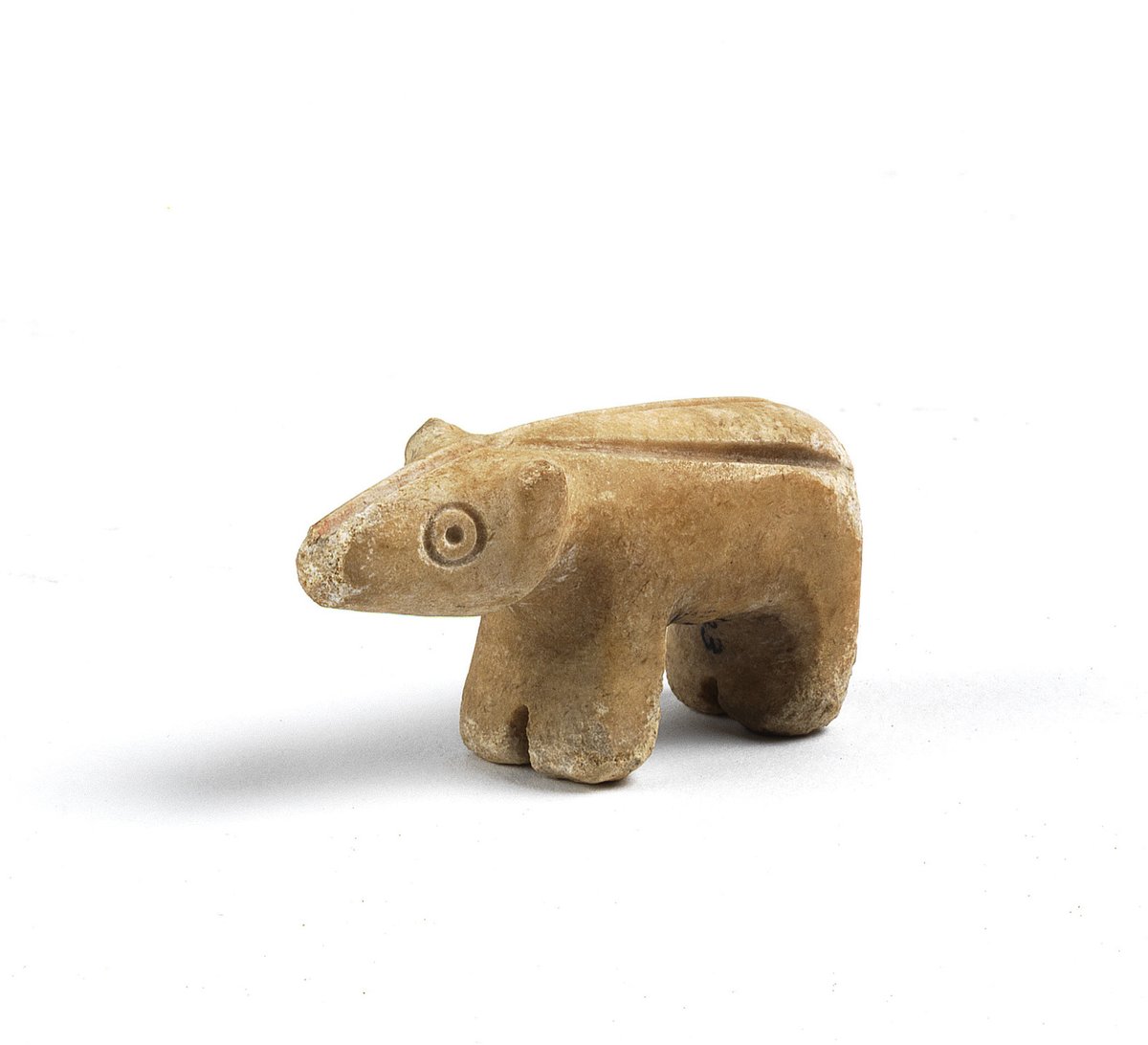
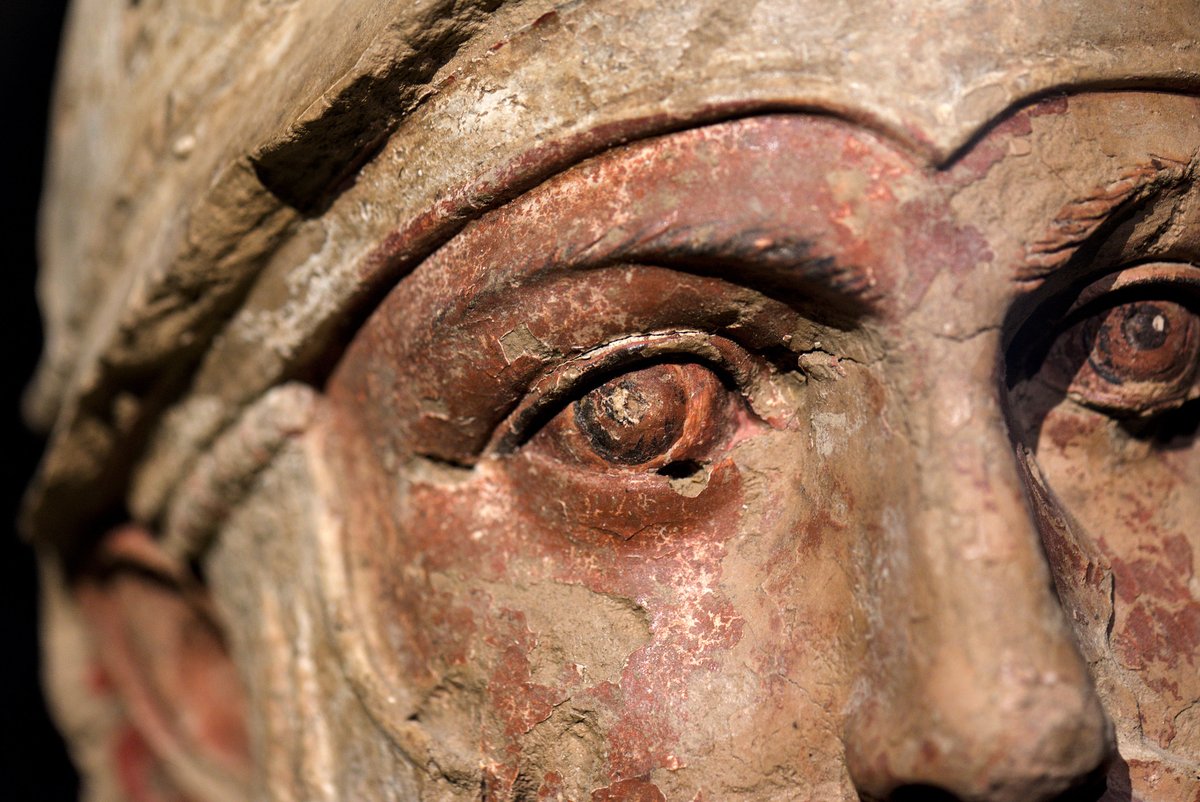
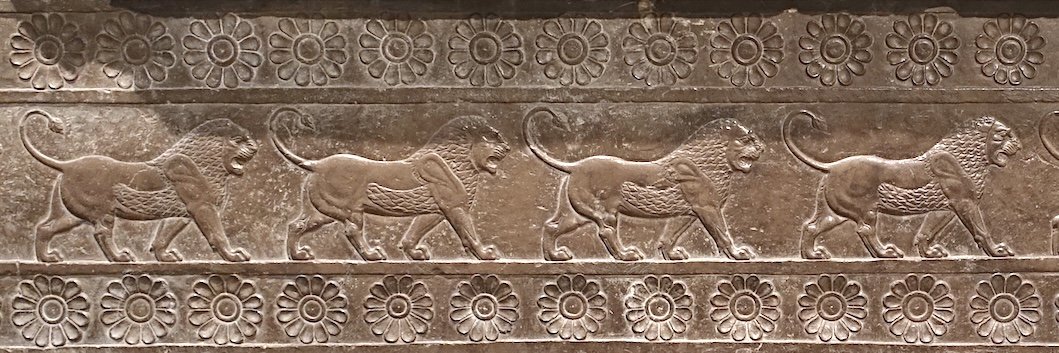
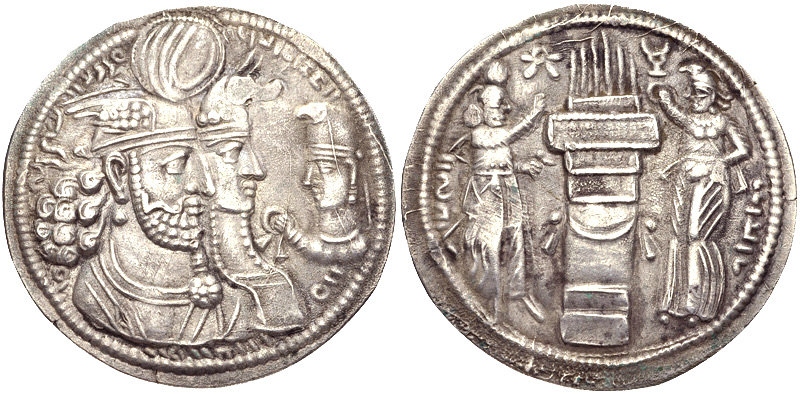
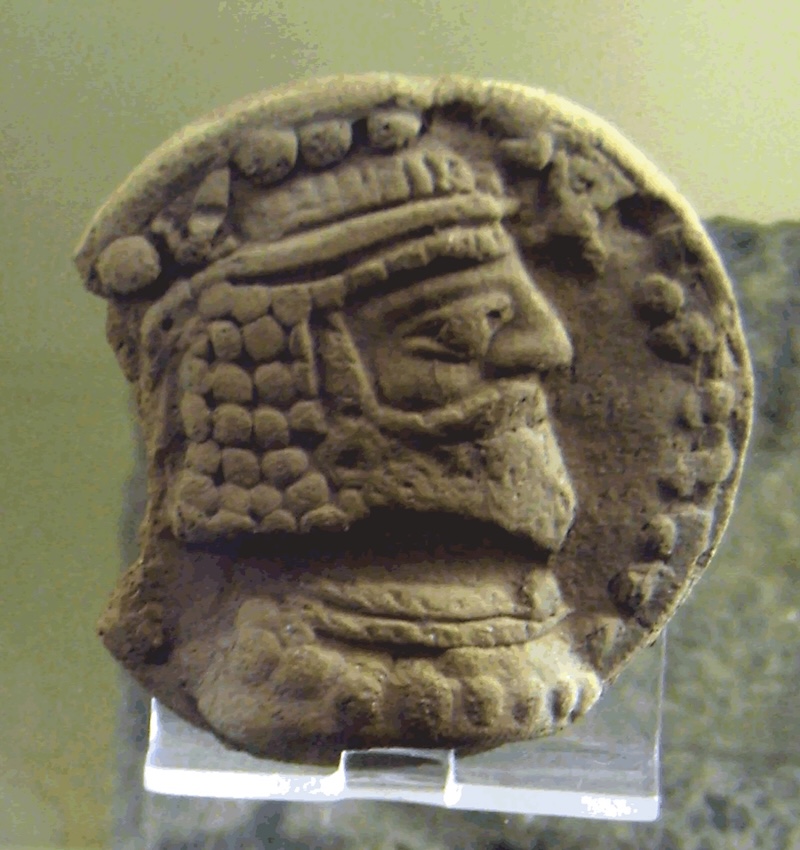
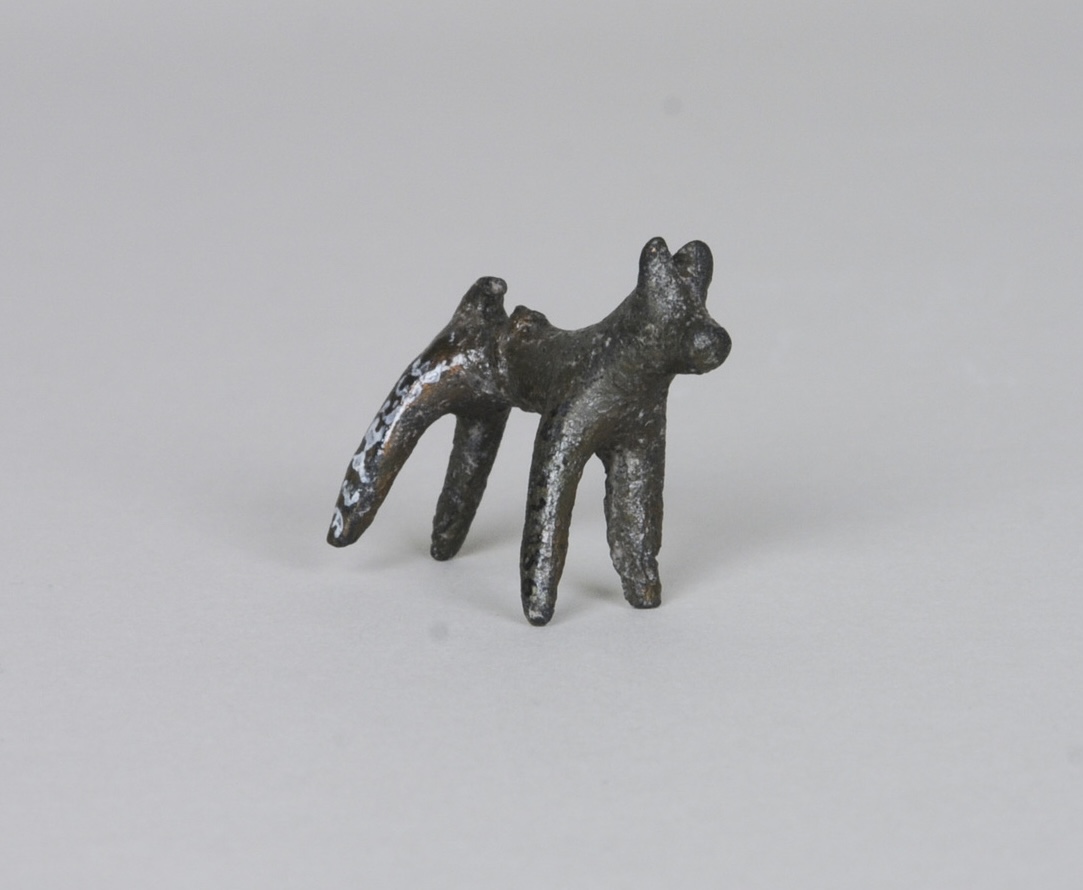
I've added folders on most aspects of Achaemenid, Parthian, Sasanian material culture here (with a focus on excavated finds; some pre-Achaemenid material; minus architecture for now)
So I may ask the museum for modern photos and then publish them.
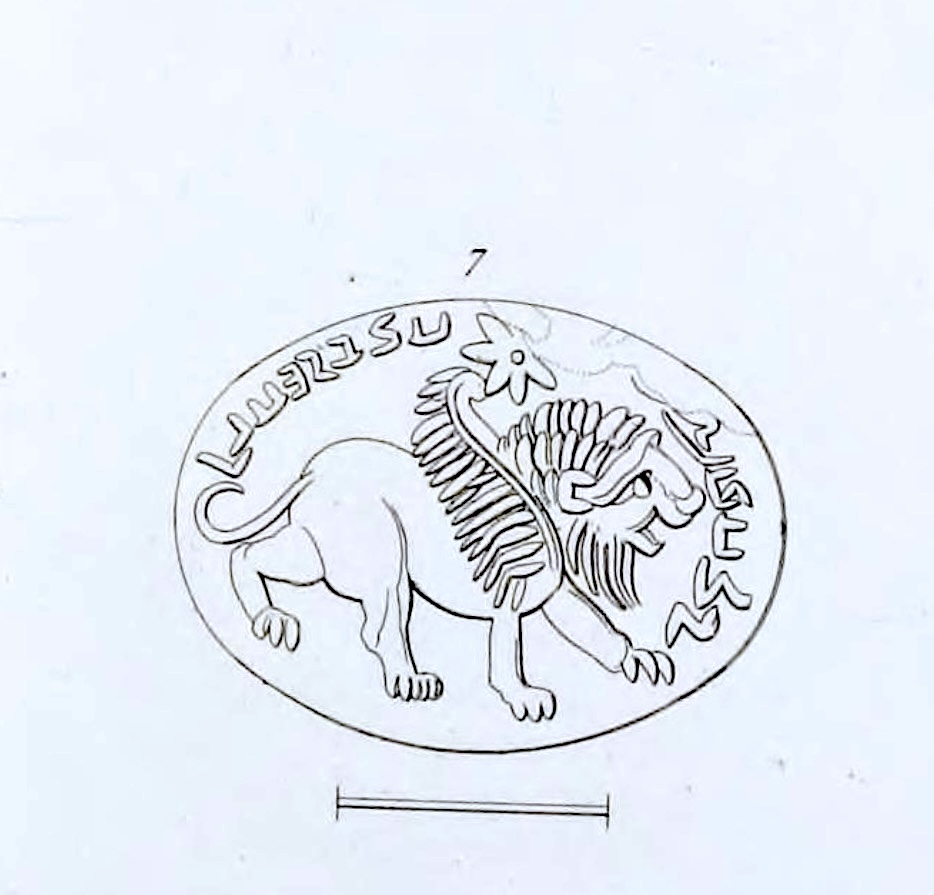
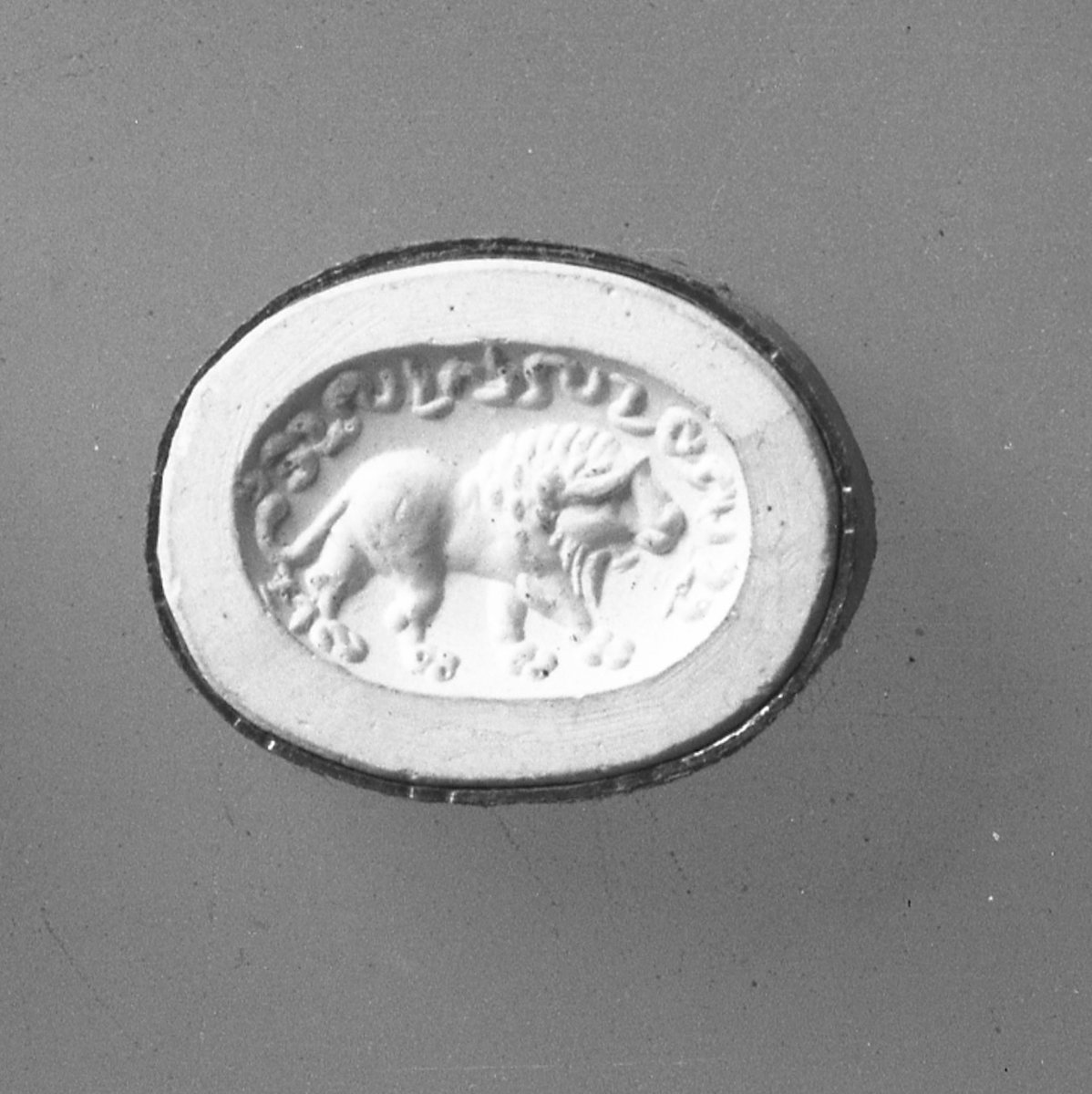
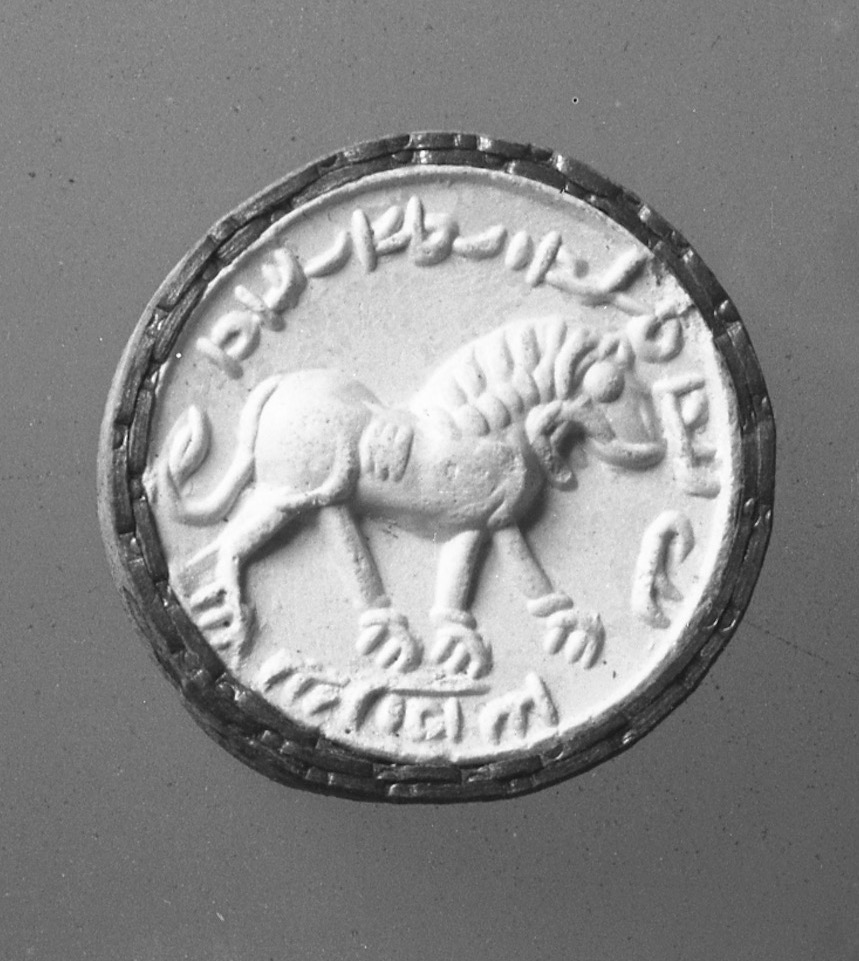
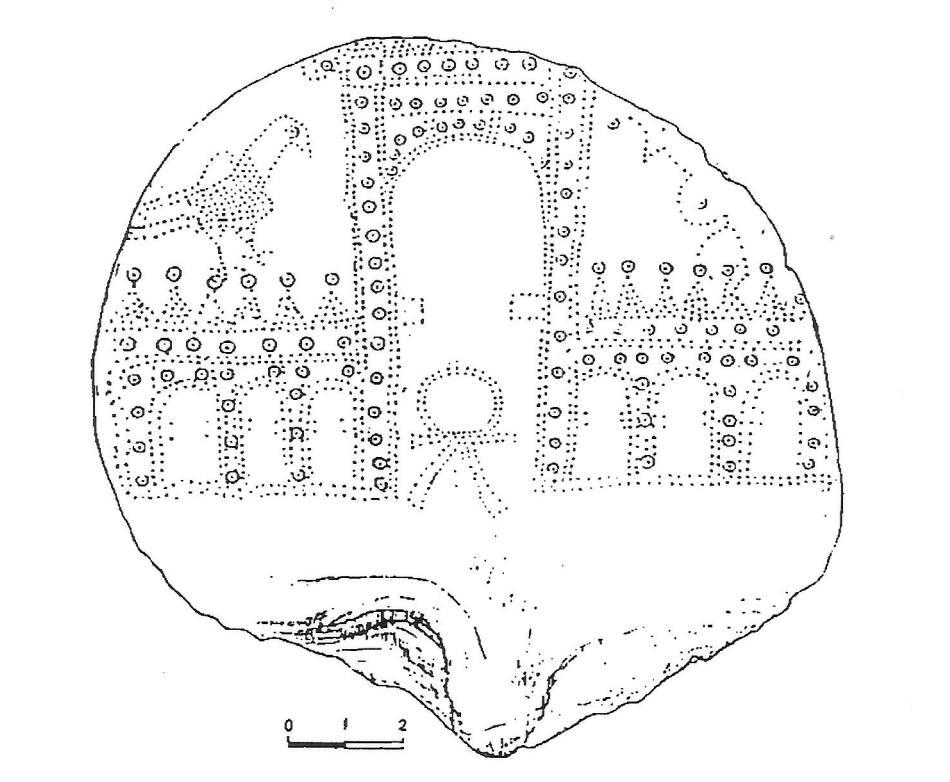
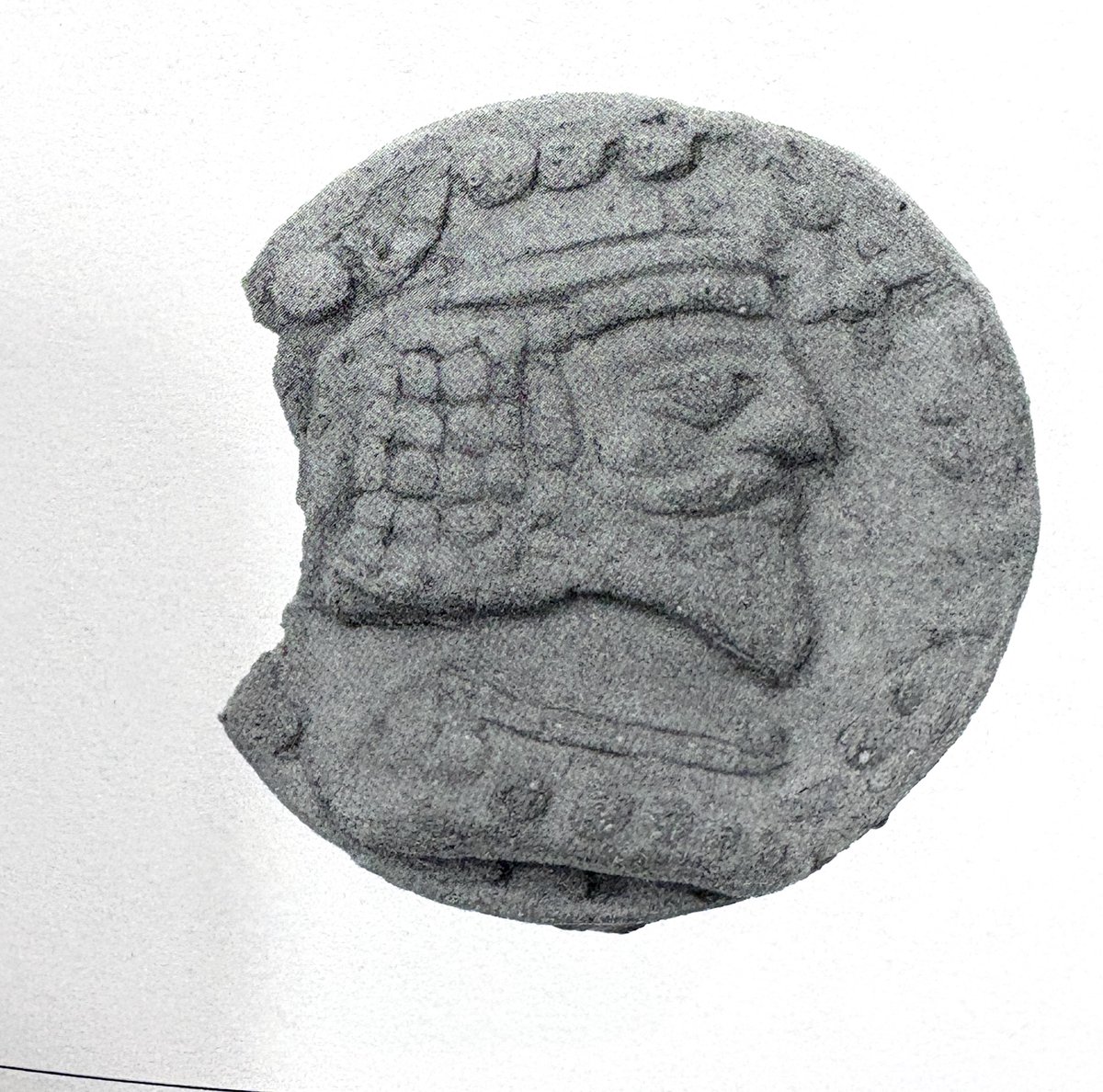
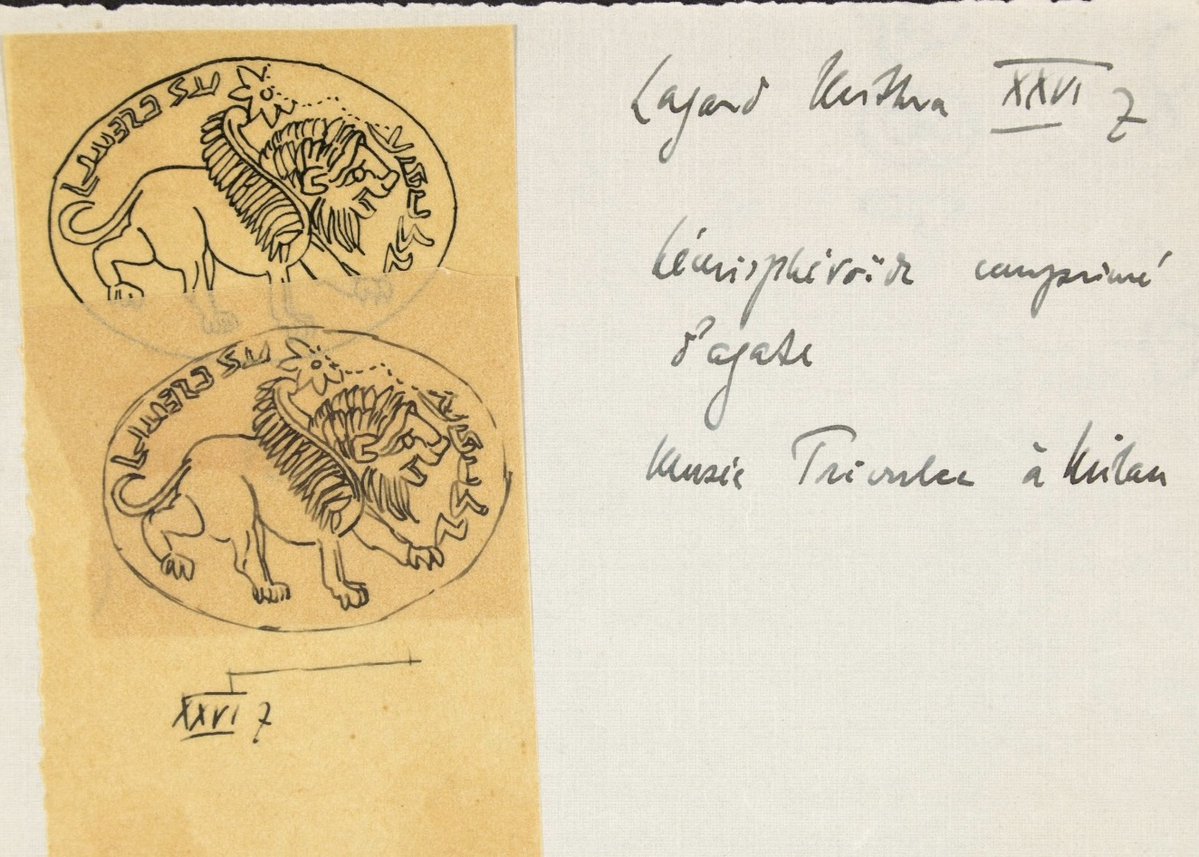
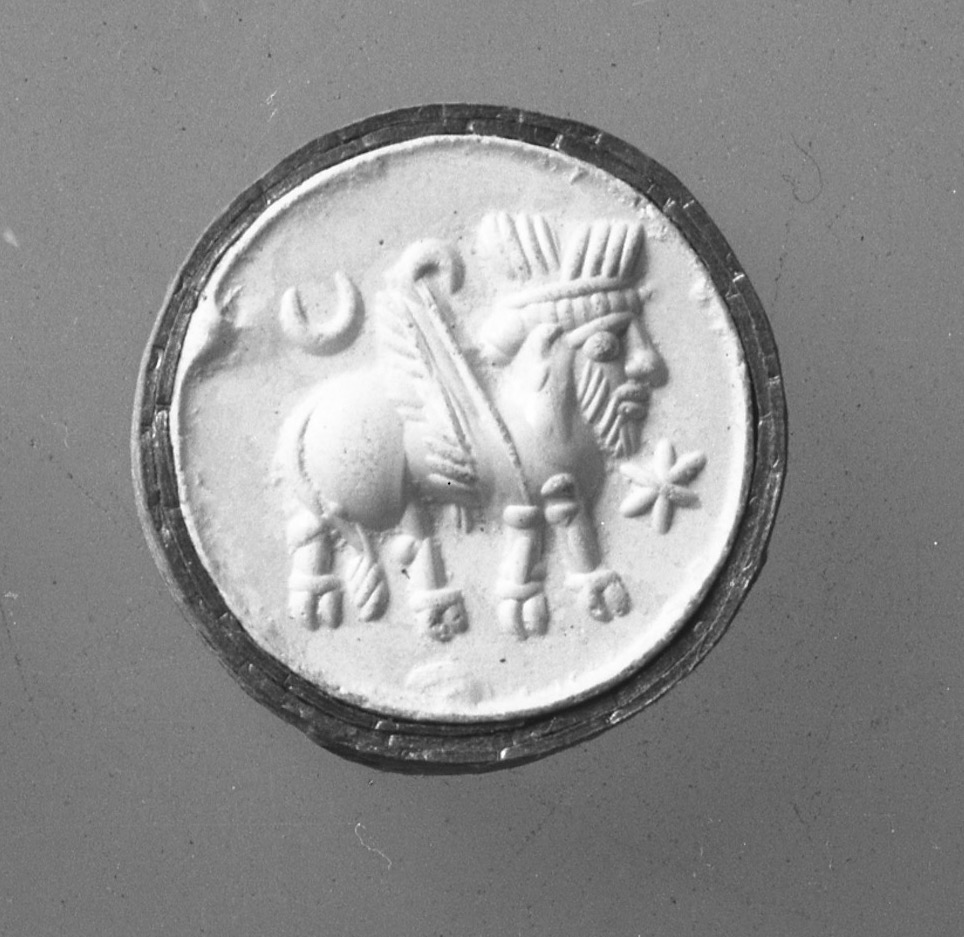
the only other interesting one for me is 1 here: Acquired in London, 1855-56, DFa694. For its similarity to 2-3 prev in Milan, Trivulzio Collection. noted by Herzfeld Notebook 19 (2), published by Lajard 1847 (3)
So I may ask the museum for modern photos and then publish them.
the only other interesting one for me is 1 here: Acquired in London, 1855-56, DFa694. For its similarity to 2-3 prev in Milan, Trivulzio Collection. noted by Herzfeld Notebook 19 (2), published by Lajard 1847 (3)
After reviewing all the Sasanians seals at Copenhagen (including provenance info), there are only a few I find important and interesting
these 2 were in the Niebuhr collection, acquired before 1778, 1: bought in Aleppo, DFa39 ; 2: in Basra, DFa40
مردوخ، سرور بزرگ، که سرنوشت مردم را تعیین میکند، هنگامی که به سرزمینهای گوناگون نظر افکند، فرمانروایی دادگر را جستوجو کرد که مطابق خواست دل او باشد. او دست کوروش، پادشاه انشان، را گرفت و او را با نام خواند و او را برای فرمانروایی بر همهٔ جهان برگزید.
@MobinSarayloo yeah it's interesting.
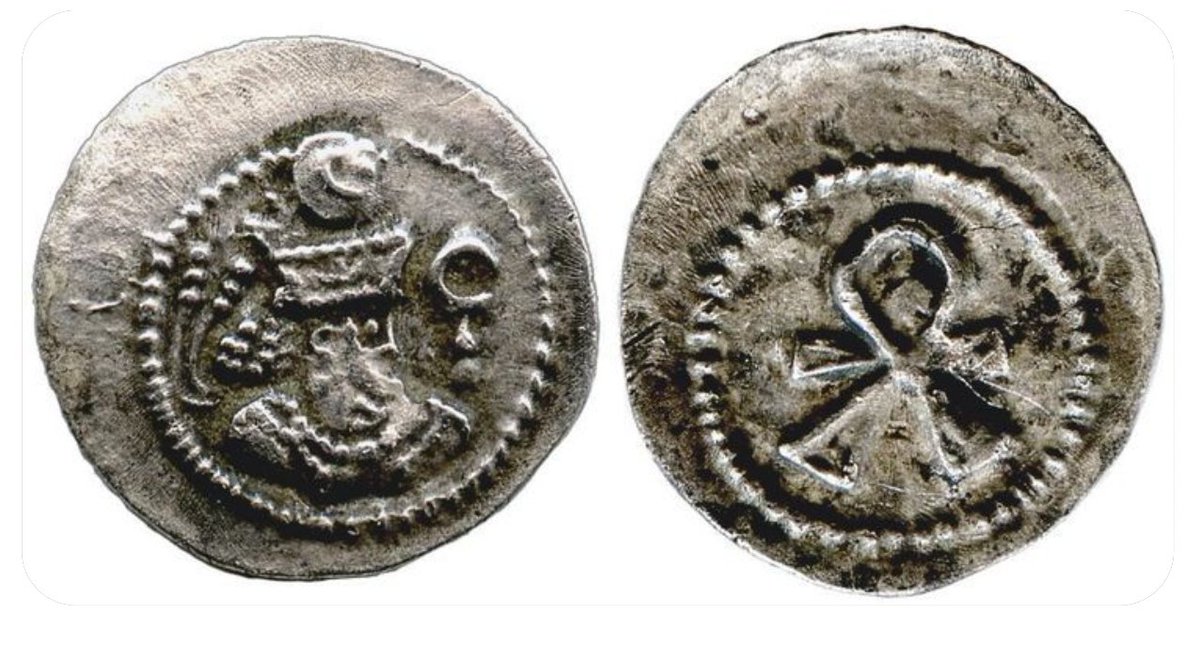
I have little doubt this sign started to have more meanings, including kingship, dynastic sign etc.
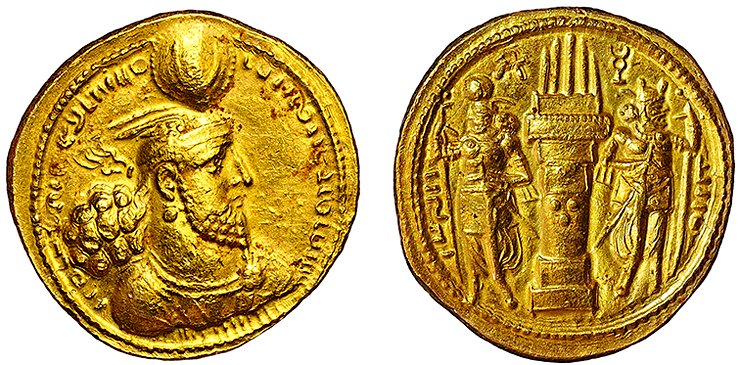
I don't think Shapur I's sign continued in later Sasanian era, supporting hypothesis of clan sign and his line of descent
@MobinSarayloo see both my responses.
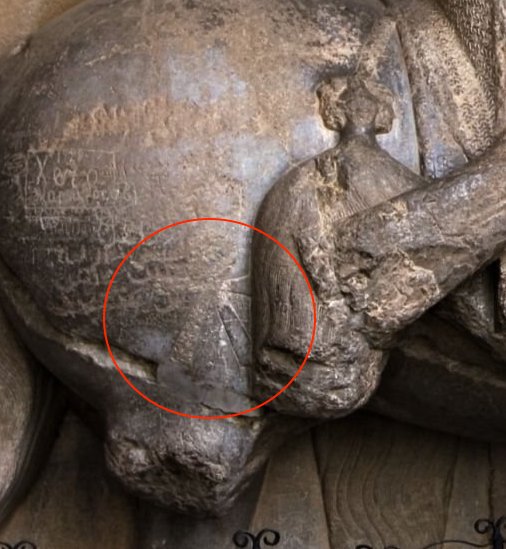
It seems Shapur I's sign was used later and did become a clan or dynastic sign as well.
I don't see enough evidence though of a direct connection between Shapur's sign and Indo-Parthian sign. possible. But some of these signs were similar
@MobinSarayloo the second was likely Shapur I's sign at first, but then became a clan or dynastic sign, at least for Shapur's line of descent. (like Ardashir I's sign that became a dynastic Sasanian sign)
we see Shapur's sign on later coins as well
@MobinSarayloo I've gathered examples at link at top of my page > motifs
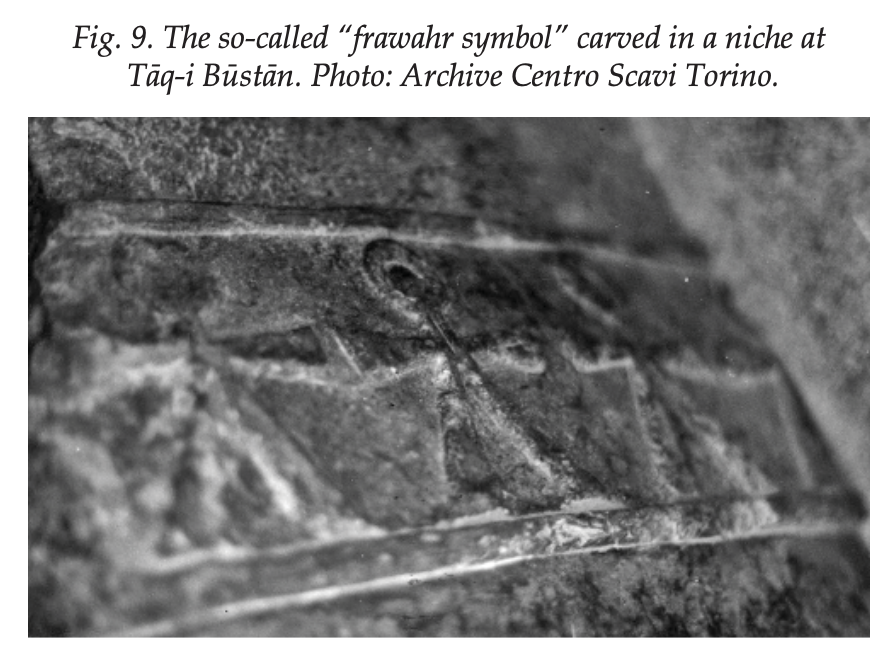
the two symbols are similar, but likely still different (most sources also note two different symbols)
The first, Indo-Parthian was likely dynastic
از جمله واژههای #پهلَوی_ساسانی یا همان #فارسی_میانه که به فارسی امروز نرسیدهاند فعل "بَختَن" (baxtan) به معنی «قسمت کردن، توزیع کردن، بخش کردن» بوده است. بُن مضارع این فعل "بَخش-" (-baxš) بوده. اگر این فعل به فارسی میرسید، به صورت "بَختَن" تلفظ میشد.