By crafting combinations of CSS filters, websites can create unique signatures that may be different across devices or browsers. On its own, it does not pose a significant threat, but when combined with other fingerprinting methods, it can aid in creating a unique identifier.
CSS filter fingerprinting is a technique used to gather information about a user’s device or browser by exploiting the way CSS filters are applied to web content.
#fingerprinting#privacy#PrivacyMatters
A researcher has shown how malicious actors can create custom GPTs that can phish for credentials and exfiltrate them to external servers.
https://t.co/bVQRNKh3n4
If you see a high-profile account offering cheap MacBooks for sale, don't buy one! It's a scam!
Scammers hijack high-profile accounts to trick you into thinking their phony MacBook sale is legit. 1/3
Browser privacy update
More good news! In the latest issue of https://t.co/idG6bBISDR, we can see that Opera on Desktop has now shipped the State Partitioning protections recently developed and deployed by the Chromium team.
These State Partitioning protections keep data from leaking between websites. That makes it harder for trackers to gather your browsing history.
Vivaldi Desktop has not yet shipped these protections in Release, but we do see in our testing of preview builds (https://t.co/jRJAvv1sxM) that the protections are enabled in Vivaldi Snapshot, so it seems likely they will be shipped in Release in the near future.
On Android, we see major progress as well (https://t.co/5Pr3Bmnx2X)! For the first time, we see Chrome and Edge have shipped the same State Partitioning protections! DuckDuckGo, Opera, Vivaldi, and Yandex have not yet done so, however.
Still remaining for many browsers is the need to block or partition third-party cookies, and to partition the Blob API and the HSTS cache, on both mobile and desktop. The final retirement of third-party cookie tracking will be a major step forward.
(iOS browsers are mostly partitioned already, with a couple of things that still need to be fixed: favicons and the HSTS cache.)
Thanks for following along! We'll keep watching browser partitioning behavior as well as a keeping our eyes on a variety of other privacy leaks across browsers! ✅❌
Another day, another malicious ad campaign. Don't click on ads! Better yet, install a trusted adblocker or use a browser like Brave that blocks them by default!
Browser privacy update
Now that Firefox Desktop has fixed its Blob leak, the browser is passing all of https://t.co/idG6bBISDR's State Partitioning (cross-site data leak) tests! And this fix has propagated to LibreWolf as well.
Firefox and LibreWolf join Brave, Mullvad, and Tor Browser in having no leaks of data between websites. Firefox's Gecko browser engine thus becomes the first of the three major browser engines (Gecko, WebKit, Chromium) to have a clean bill of health on cross-site data leaks on desktop.
Safari is very close -- once its Blob leak is fixed in Release, then WebKit will be fully partitioned as well. The only browser engine left with some cross-site leaks will be Chromium. The Chrome team has been working hard at fixing these leaks, and those fixes have been picked up by Edge in the latest issue of our tests results. We're seeing rapid progress across the ecosystem right now.
Congrats to the Firefox team! We're keeping an eye on many privacy categories and we're hoping that progress in plugging the leaks continues for all browsers!✅❌
Our Encrypted DNS servers have now been converted to run from RAM!
This is completely cost-free, and available to anyone that wishes to have a trustworthy, audited Encrypted DNS service with optional content blocking!
Read more here: https://t.co/Oczzopbwlv
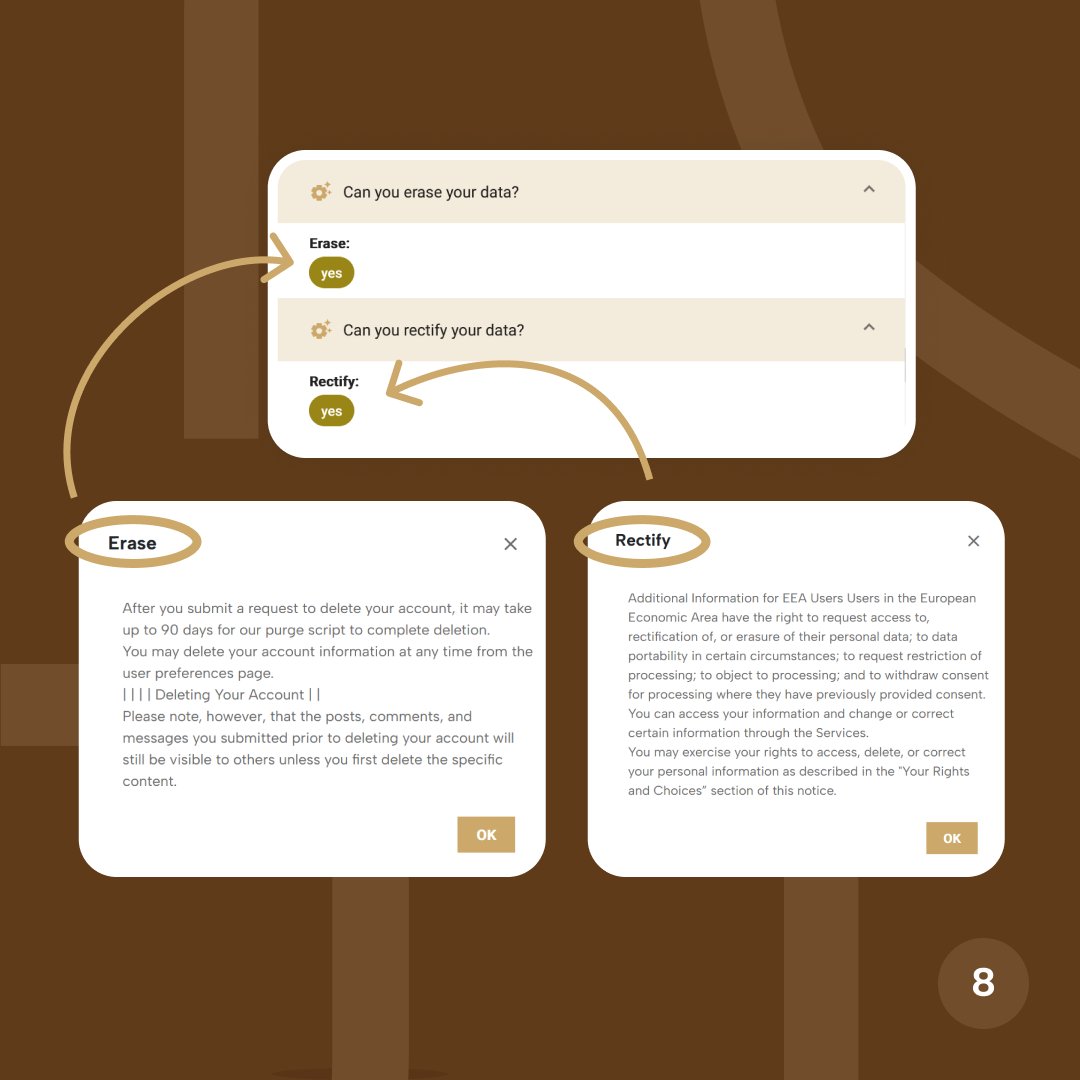
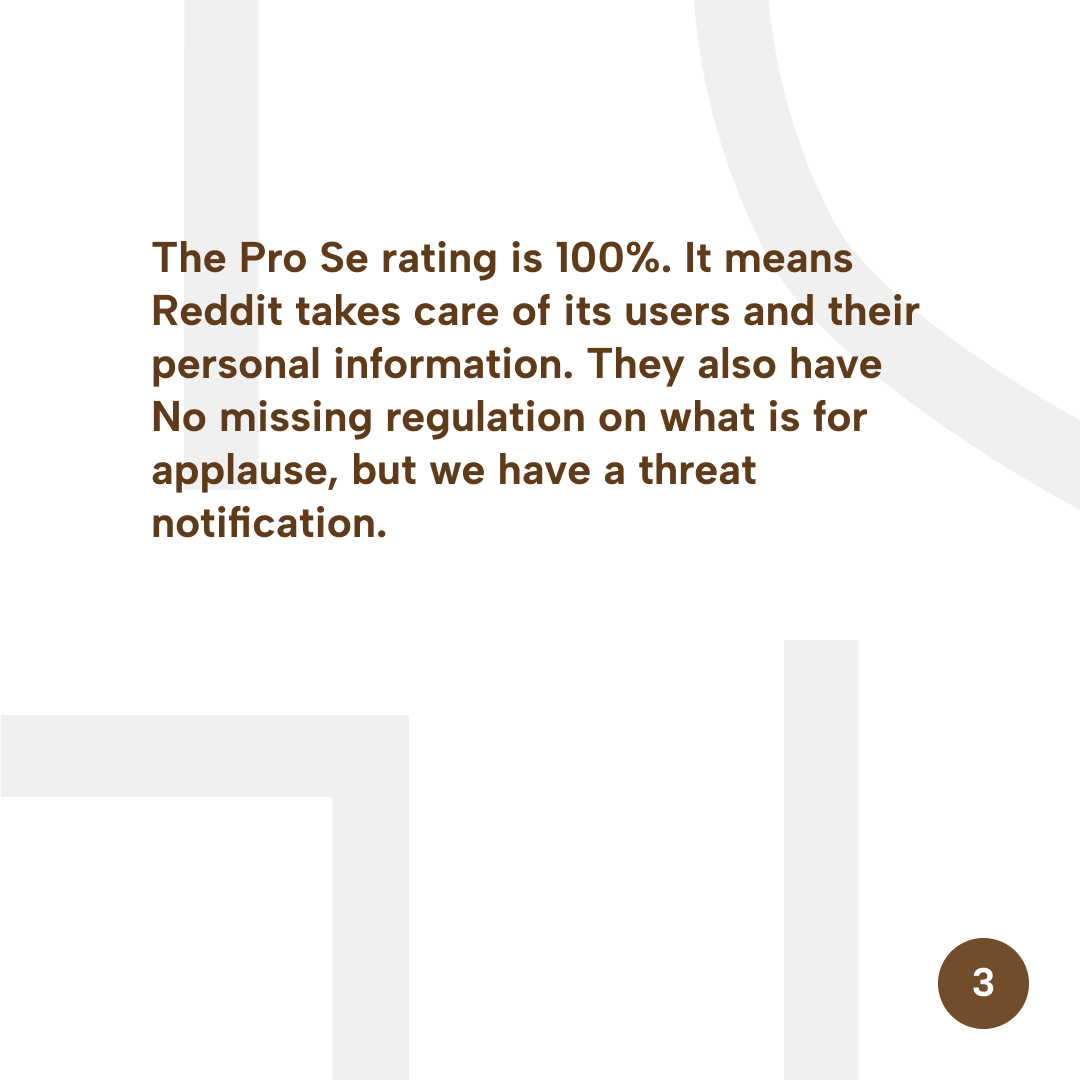
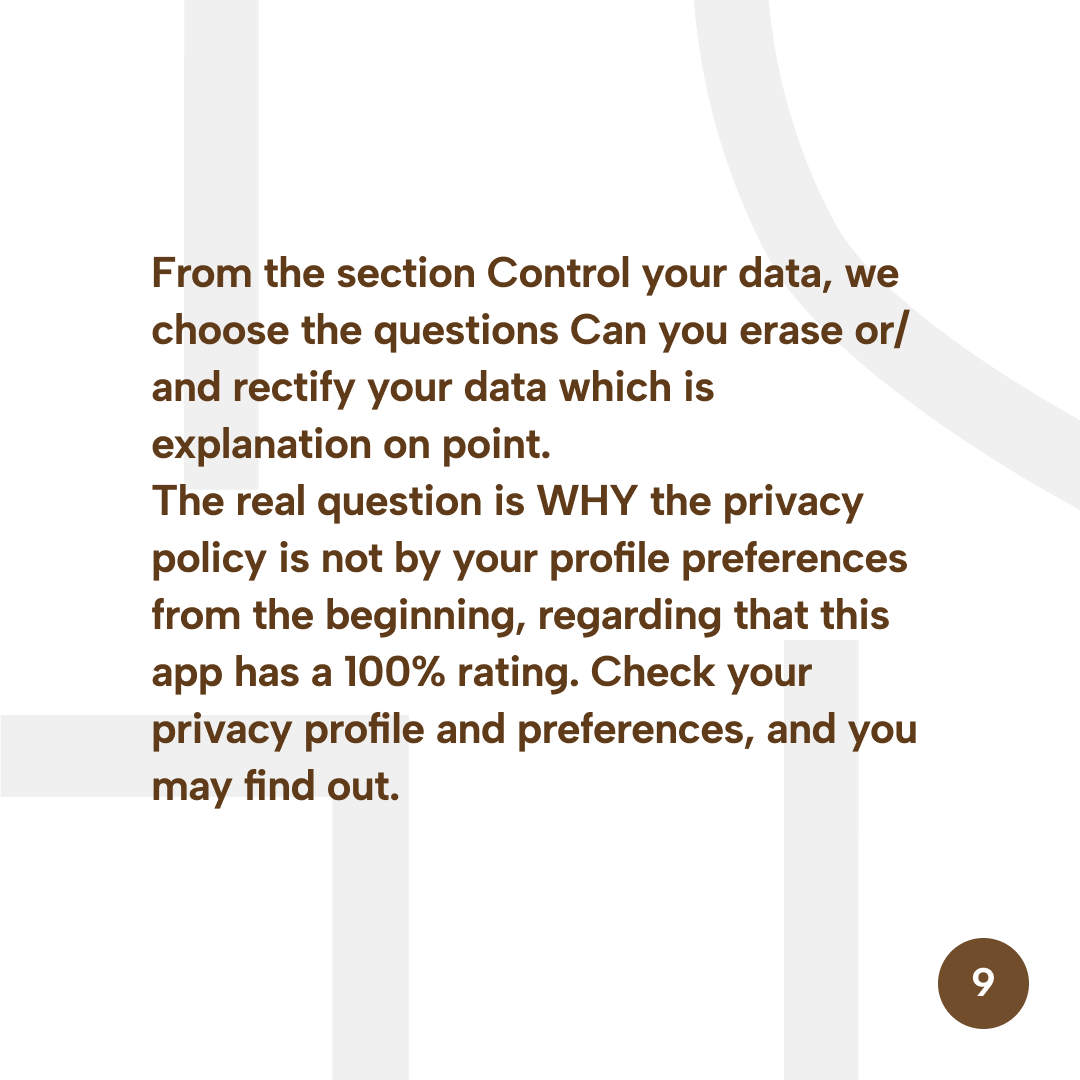
We continue to analyze the most popular apps; today, we have a great example.
Our third app is @Reddit .
Their privacy policy is exciting and comprehensive, so look at what we discover in our exploration.
New breach: Now defunct gaming platform GameSprite had 6.2M unique email addresses breached in 2019. Data also included usernames, IP addresses and salted MD5 password hashes. 60% were already in @haveibeenpwned https://t.co/LGaAniKeSA
We examined 23,631 crime predictions generated by an algorithm for a New Jersey police department, and found a success rate of less than 1%. With @WIRED. https://t.co/QXWOF30As0